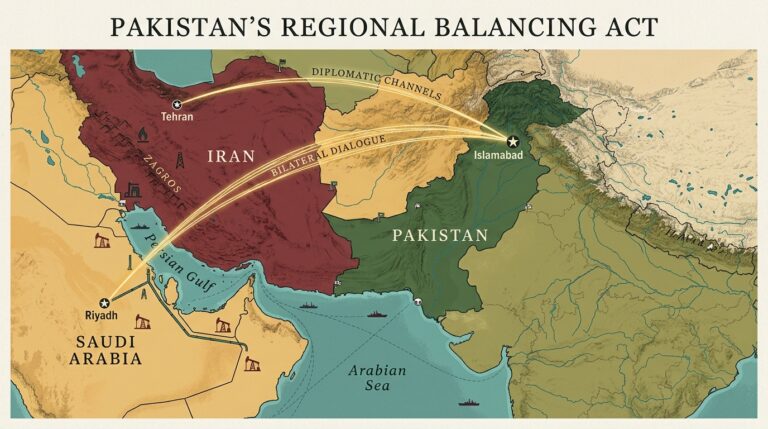
پاکستان کی سعودی مشکل: یمن کی جنگ نئے دفاعی معاہدے کا امتحان
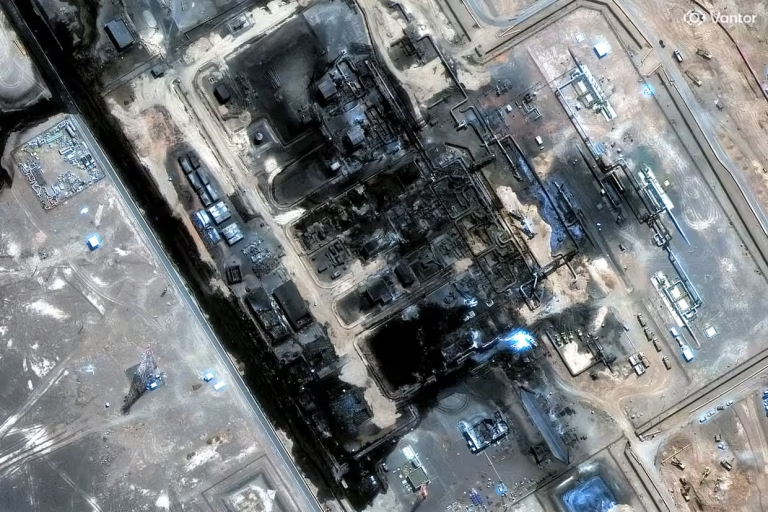
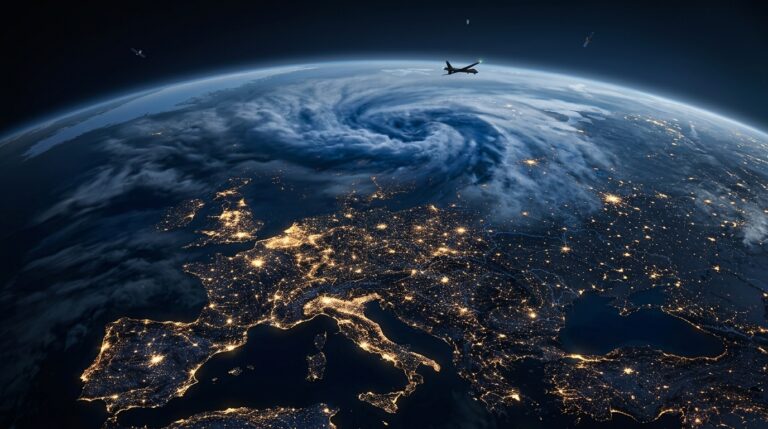
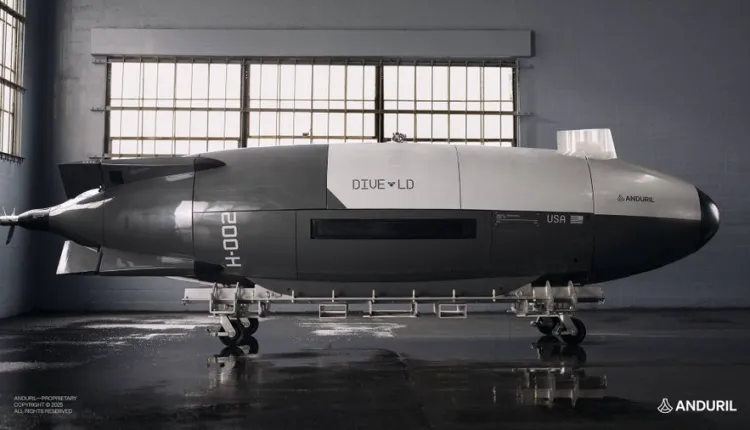
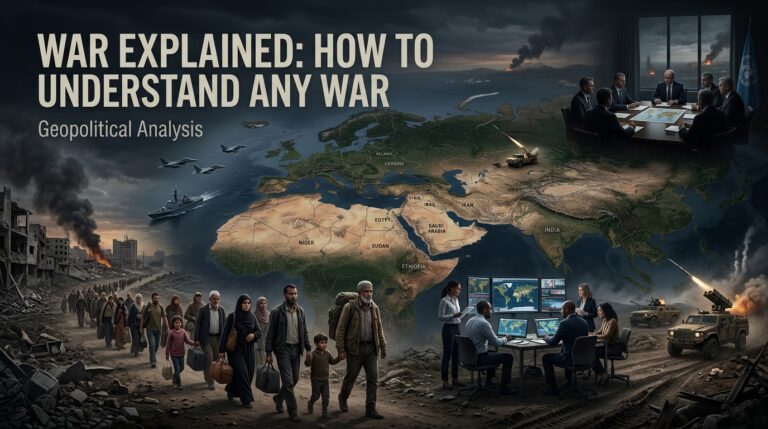
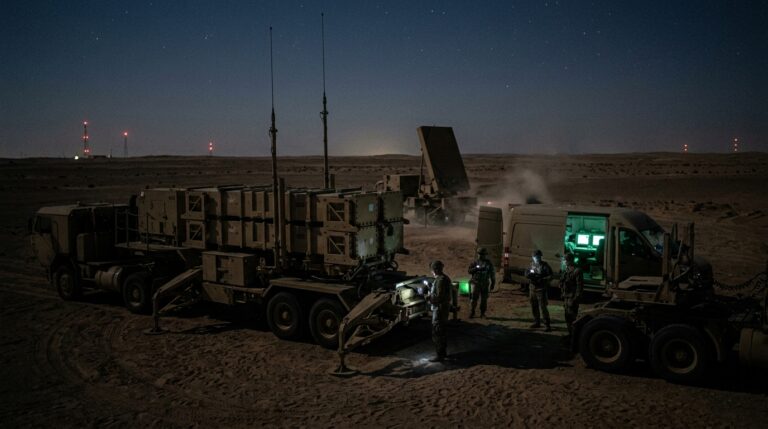
The most dangerous lesson of the latest U.S. Iran conflict may not be found in the missiles that hit their targets. It may be found in the missiles that were fired to stop them. Modern war is changing. A military can possess the world's most advanced aircraft, satellites, ships and missile defenses and still face a difficult question:
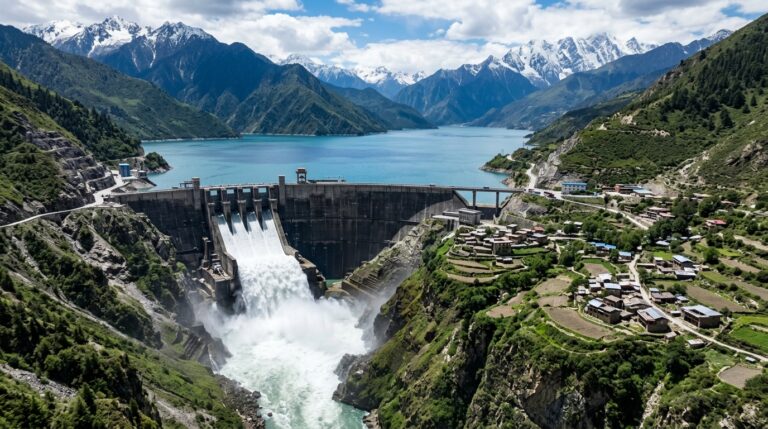
یہ گائیڈ آپ کو جنوبی ایشیا میں پانی کی سیاست کو سمجھنے میں مدد کرتا ہے۔ یہ دکھاتا ہے کہ ڈیم ممالک کو کیسے متاثر کرتے ہیں، پڑوسی کیوں بحث کرتے ہیں، اور منصفانہ حل کے لیے کیا کیا جا سکتا ہے۔ طلباء، خاندانوں، اور ہر وہ شخص جو واضح حقائق چاہتا ہے۔
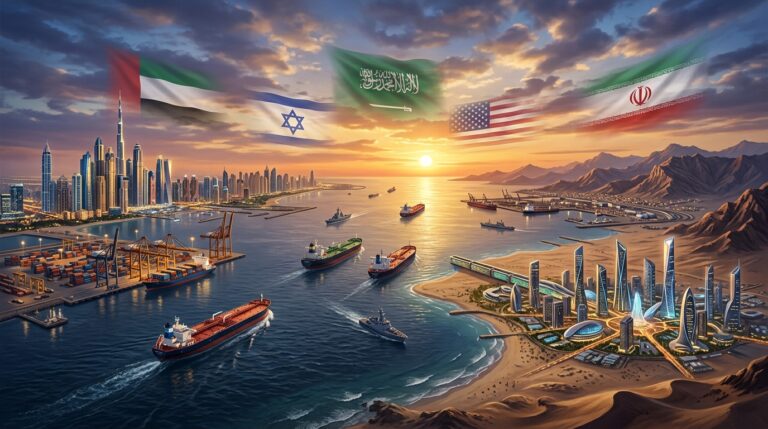
This article offers a clear and balanced analysis of how the 2026 Iran conflict has changed the Gulf region. It examines the new diplomatic and economic outreach between Gulf states and Iran, the strengthening Israel-UAE defence ties, the vulnerabilities exposed by U.S. military bases becoming targets of retaliation, and the Gulf’s shift toward greater independence. The goal is to help readers understand the opportunities for stability, the risks of escalation, and the pragmatic choices shaping the future of security, trade, and peace in the Middle East.
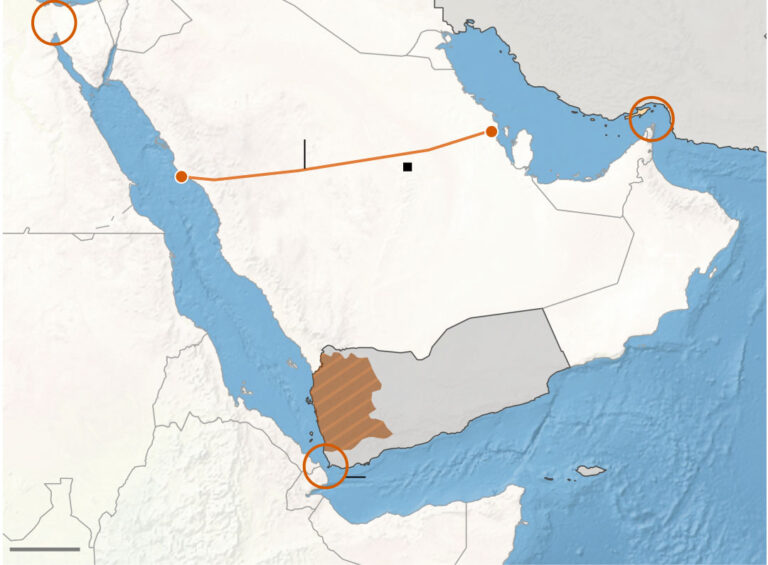
The article aims to explain how modern asymmetric warfare has flipped the classical historical rules of "winner and loser," demonstrating to readers how defensive resilience and geographic control can be successfully converted into massive diplomatic and financial leverage.