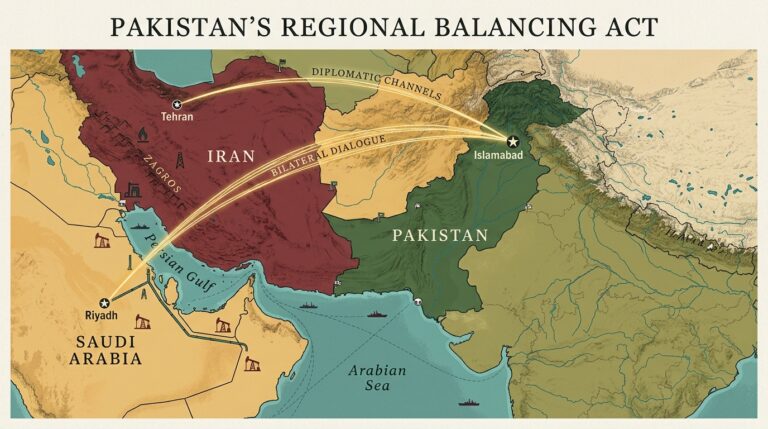
پاکستان کی سعودی مشکل: یمن کی جنگ نئے دفاعی معاہدے کا امتحان
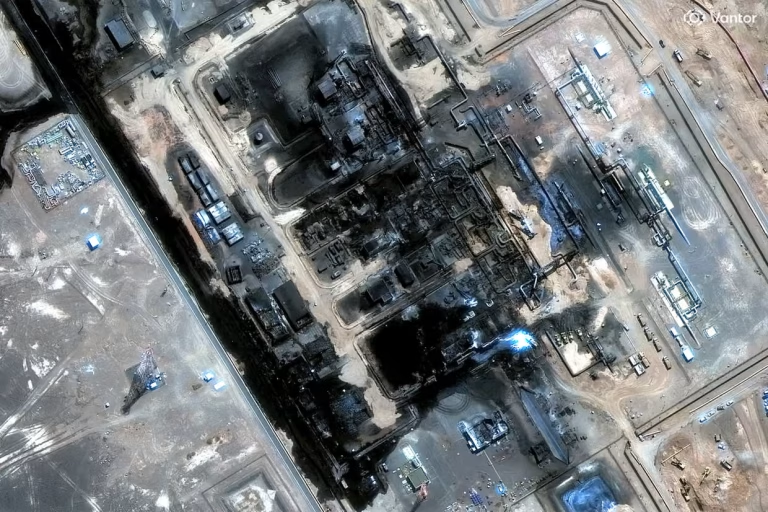

The transformation of 7th-century Arabia was more than a political or social change. At its psychological core was a profound shift from temporal self-interest to eternal accountability. This paper argues that Eeman bil-Aakhirah—the belief in the Day of Judgement—was a principal operational force behind that transformation. By making every individual conscious of an ultimate account before God, it weakened tribal ego, gave moral weight to even the smallest action, and fostered an unusual degree of internal self-governance. The paper further examines the contemporary Muslim condition, particularly Pakistan, where religious ritual may remain visible while the practical consciousness of Hisaab, justice and Amanah has weakened.

TRIPS was created to establish international standards for intellectual-property protection, but for developing countries the agreement raises a deeper question: who controls knowledge, technology and the economic systems built around them? Pakistan does not need to reject globalisation or modern technology. It needs the capability to participate on terms that protect farmers, patients, innovators, traditional knowledge and long-term national technological independence.
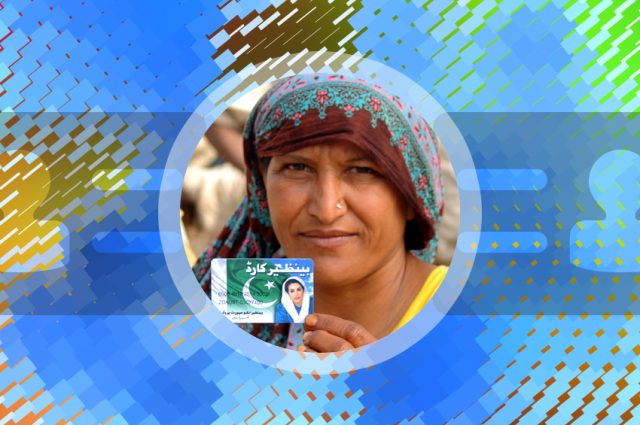
After nearly 18 years and trillions of rupees, Pakistan faces a difficult question: has BISP reduced poverty, or mainly managed it? The answer may lie in combining social protection with jobs, productive finance, Akhuwat's experience, and the Qur'anic and Prophetic emphasis on dignity and self-reliance.

مکہ معاہدے کی اہمیت صرف اس کے الفاظ میں نہیں، بلکہ اس بات میں ہے کہ کیا پاکستان، سعودی عرب اور ترکی اپنے وسائل، فوجی صلاحیت، دفاعی صنعت، انٹیلی جنس اور سیاسی ارادے کو ایک قابل اعتماد مشترکہ دفاعی طاقت میں تبدیل کر سکتے ہیں؟

Can a deeply divided Muslim world finally convert enormous economic, demographic and military potential into coordinated strategic power?
That is the question this article examines.
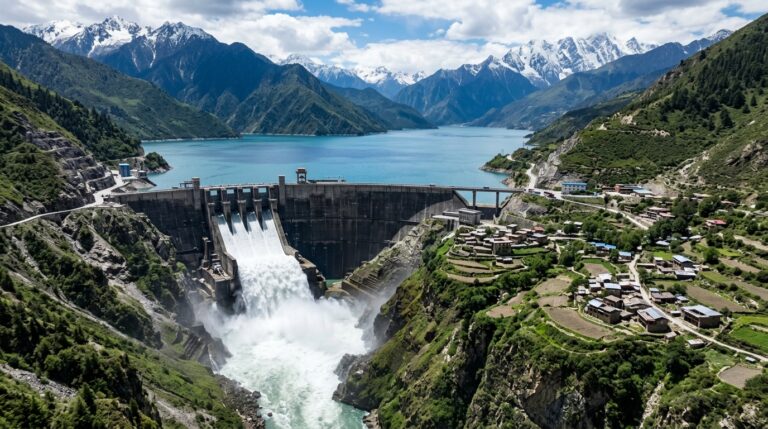
This guide helps you understand the water politics in South Asia. It shows how dams affect countries, why neighbours argue, and what can be done for fair solutions. Perfect for students, families, and anyone who wants clear facts.
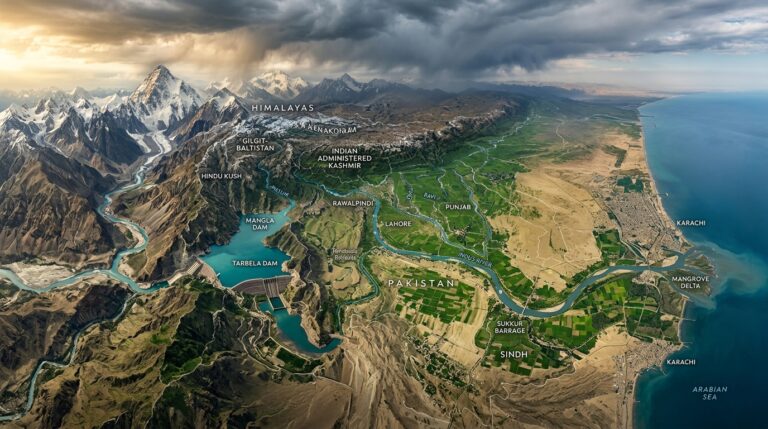
This article examines the geography, history, engineering, diplomacy and international law that underpin the Indus Basin. It also explores why disagreements continue despite the existence of one of the world's longest surviving international water agreements.