Navigating Multipolarity in an Age of Blocs

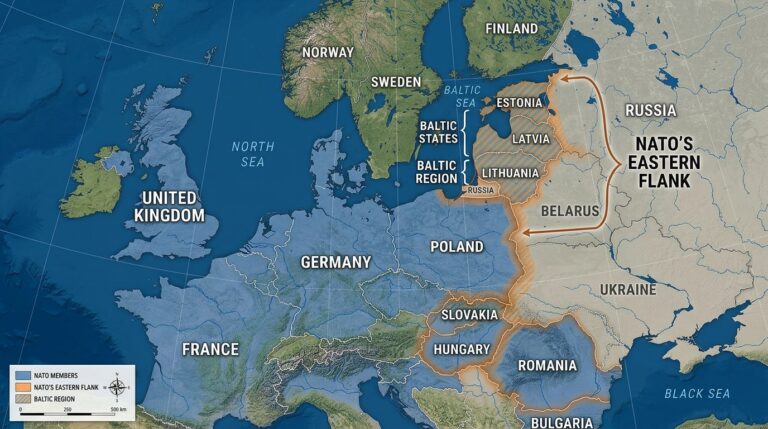
The formalization of the Iran-China-Russia strategic pact marks a decisive shift in global geopolitics, accelerating the transition toward a contested, multipolar world. For Pakistan, this creates both an existential challenge and a rare strategic opportunity. Historically reliant on external powers for security and development, Pakistan must now move from reactive hedging to proactive balancing. A sovereign strategic recalibration is needed, prioritizing economic security, principled multi-alignment, and the development of indigenous capacity. This paper outlines a phased roadmap for Pakistan to engage all major power centers, strengthen regional ties, and build a resilient, self-reliant economy. By reforming strategic institutions, leveraging its geographic advantage, and adopting a forward-looking foreign policy, Pakistan can evolve into a “reflective sovereign actor” capable of stabilizing its region while securing long-term prosperity.
انسانوں کو سمجھنا: ہم کیوں شاندار، مبہم اور تضادات سے بھرے ہیں

Understanding Humans: Full of Contradictions?

Remote Skills 2026 Guide: Top In-Demand Skills

Timeless vs. Trendy Fashion: How to Invest in Style That Lasts

Developing Inland Water Transport Pakistan’s Logistics Backbone

Pakistan’s logistics system is overstretched, costly, and road-dependent. This national concept paper proposes inland water transport along the Indus River as a long-term, sustainable logistics backbone—integrating water, rail, road, and ports for economic resilience.
شوہر اور بیوی: دو ستون جو گھر کو ایک ساتھ رکھتے ہیں

Husband and Wife: The Two Pillars That Hold a Home Together

السی کے بیج: فوائد، غذائیت، استعمال اور ممکنہ نقصانات