
Gulf States Post 2026 Iran Conflict: New Ties with Iran, Strong Israel-UAE Links, and the Changing U.S. Role
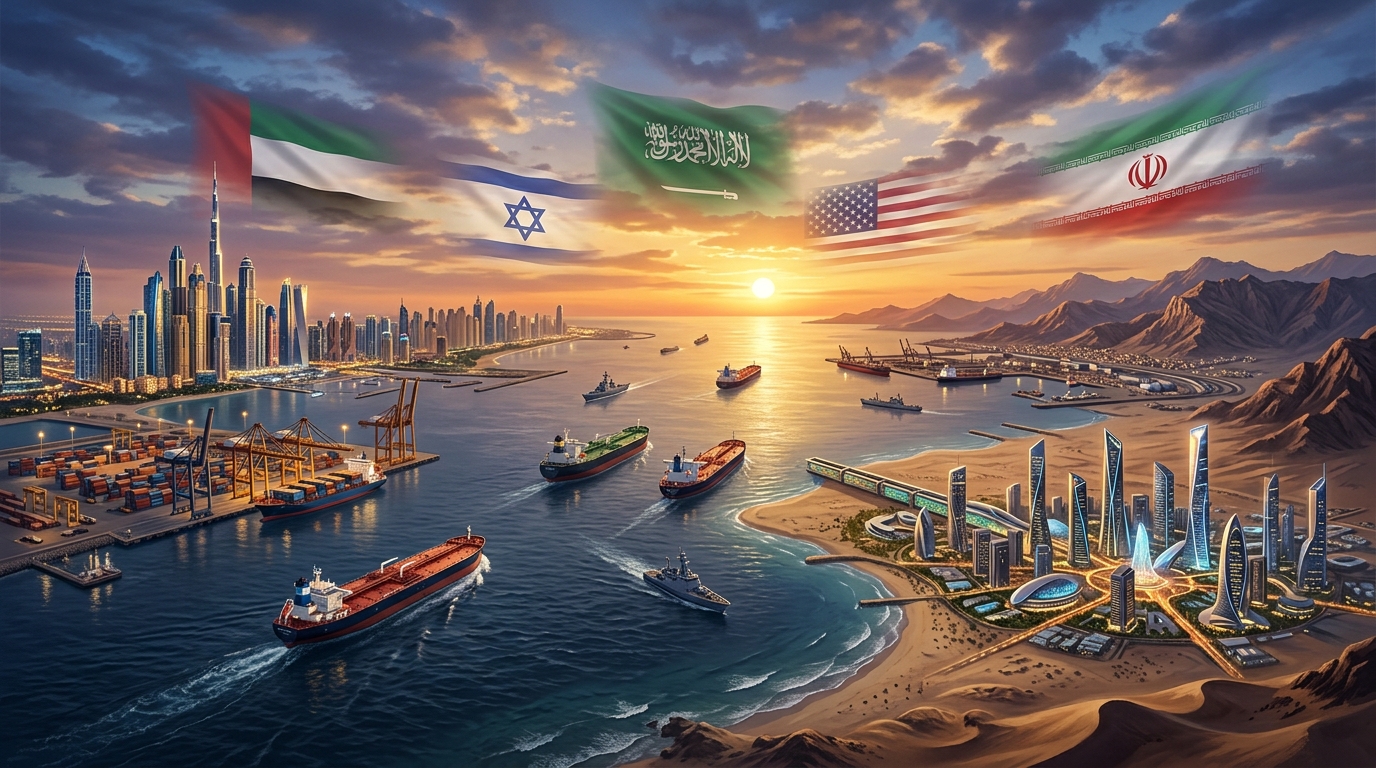
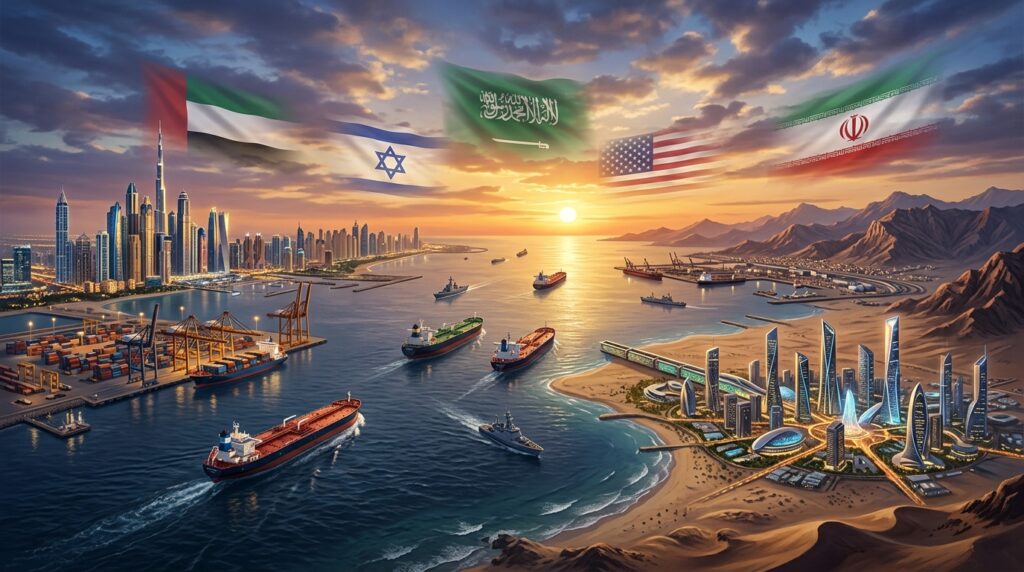
Gulf States Post 2026 Iran Conflict: The Middle East changed a lot after the 2026 conflict between the U.S., Israel, and Iran. Gulf countries like Saudi Arabia, the UAE, and Qatar faced attacks, oil shipping problems in the Strait of Hormuz, and big money losses. Now, they are making new plans for safety and business. This includes talking directly with Iran, growing defence ties with Israel (especially the UAE), and rethinking how much they rely on the United States.
https://mrpo.pk/uae-lone-ranger-of-the-gulf/
Purpose of the Article
This article offers a clear and balanced analysis of how the 2026 Iran conflict has changed the Gulf region. It examines the new diplomatic and economic outreach between Gulf states and Iran, the strengthening Israel-UAE defence ties, the vulnerabilities exposed by U.S. military bases becoming targets of retaliation, and the Gulf’s shift toward greater independence. The goal is to help readers understand the opportunities for stability, the risks of escalation, and the pragmatic choices shaping the future of security, trade, and peace in the Middle East.
How US-Iran war may push Gulf countries to ‘diversify’ security alliances
Gulf countries are likely to accelerate the push to diversify their security partnerships after the United States-Israel war on Iran, analysts say, as the region grapples with the lasting impact of the conflict.
As Tehran and Washington hold talks towards a lasting agreement, Gulf Cooperation Council (GCC) nations – which came under Iranian attack during the war – are expanding their relationships amid the uncertainty.
Significance of Neighbours Attending the Supreme Leader’s Funeral
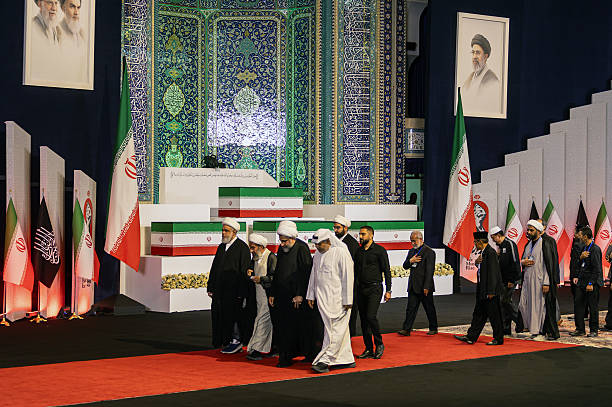
One important symbol of changing times was the funeral of Iran’s Supreme Leader. Many Gulf neighbours sent high-level representatives or attended the events. This attendance was a big deal. In the past, relations were cold or hostile. By showing respect at the funeral, Gulf countries signalled they want practical cooperation instead of endless conflict. It helped open doors for later talks on shipping, security, and trade.
For Iran, seeing neighbours attend reduced isolation and gave hope for better relations. For the Gulf, it was a low-risk way to build trust and prepare for a future where they must live and trade peacefully with Iran. This moment marked a shift from rivalry to cautious engagement.
What Happened in the 2026 Conflict and Why It Matters
In early 2026, fighting broke out. Iran hit targets in the Gulf, especially the UAE. Ships could not move easily through the important Strait of Hormuz, which carries a lot of the world’s oil. This hurt economies across the Gulf.
A U.S.-Iran agreement helped stop the worst fighting and reopen the strait, but it left many questions. Gulf leaders want to protect their countries, grow their economies, and avoid depending too much on any one big power.
Gulf States Post 2026 Iran Conflict: Gulf Countries Building New Options with Iran
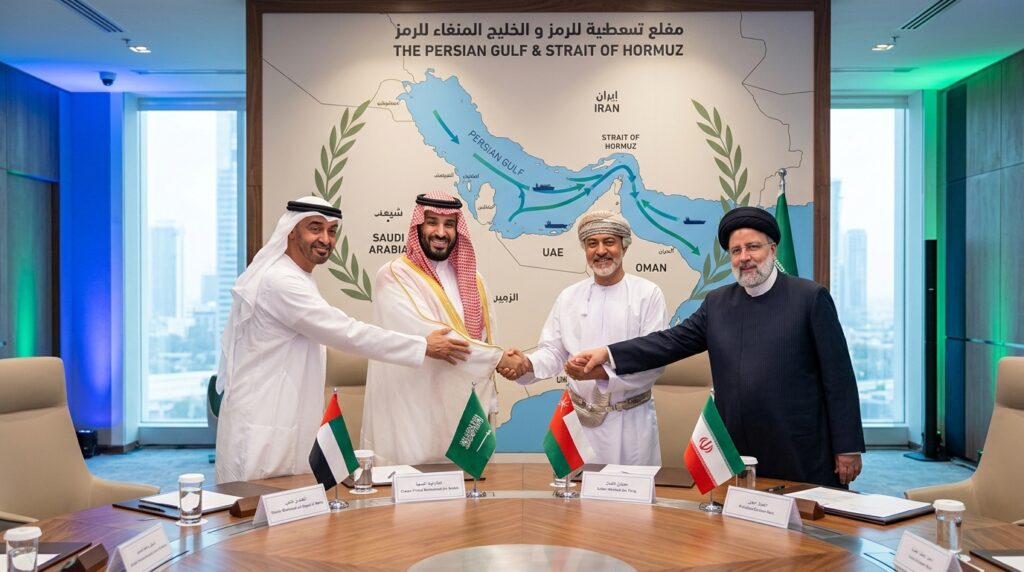
After the 2026 conflict, Gulf states did not wait for others to solve their problems. They began direct talks with Iran. This is a big change from years of tension and mistrust. Countries like Oman, Qatar, and Saudi Arabia held many meetings — often called shuttle diplomacy- to create a new way of living together.
Diplomatic Outreach and the “New Normal”
Leaders focused on building a post-conflict “new normal.” The main goals were practical:
- Better management of the Strait of Hormuz so oil and goods can flow safely.
- Security guarantees to stop future attacks on each other’s territory or ships.
- Possible financial help and reconstruction support from rich Gulf countries to help Iran recover.
These talks showed Gulf leaders want stability more than old rivalries. By talking directly, they reduce the chance of new wars and open doors for business.
Hormuz-Centric Arrangements
The Strait of Hormuz is the most important topic. It is the narrow waterway through which much of the world’s oil passes. Everyone wants it to stay open.
- U.S. and Gulf countries’ position: They insist on completely free and unimpeded passage with no tolls or extra charges.
- Iran and Oman’s proposals: They suggest “service fees,” insurance payments, or charges for safety and navigation help. These would be voluntary or clearly explained, not forced tolls.
- Joint solutions: Ideas include shared monitoring of the strait or new administration rules that involve several countries.
Beyond fees, all sides are discussing broader maritime security cooperation, sharing information, joint patrols, and rules to prevent accidents or attacks. This cooperation is important to avoid future disruptions that hurt everyone’s economies.
Economic Pathways
Economics is another big area of discussion. Gulf countries have money and experience. Iran needs help rebuilding after the conflict. Possible deals include:
- Gulf investment in Iranian infrastructure and oil facilities.
- Normal trade relations so goods and services flow more easily.
- Energy cooperation, such as joint projects or swapping resources.
- Reduced support for proxy groups (armed allies) in exchange for Iran showing restraint and stopping attacks.
In simple terms, the idea is “you help us feel safe, and we help your economy grow.” This win-win thinking is becoming more popular.
Security Scenarios
Different countries see the future differently, but most agree on pragmatic coexistence. Some call it a “zero problems” policy, trying to solve issues instead of creating new ones. Other possibilities include:
- Small, local agreements to reduce tensions in specific areas.
- Hybrid approach: Some containment (keeping Iran in check) mixed with cooperation where it makes sense.
Big challenges remain. Trust is low after years of conflict. Iran still has strong military tools and influence in the region (its “deterrence leverage”). Success will depend on real actions, not just words.
Variations Across Gulf Countries
Not every Gulf nation approaches Iran the same way:
- UAE: Takes a harder line. It was hit hardest in the war and keeps strong defence ties with Israel.
- Qatar and Oman: Act as mediators. They have good relations with Iran and often help with talks.
- Saudi Arabia: Balances carefully. It wants de-escalation but also protects its leadership role in the Gulf.
These differences show the Gulf is not one single voice; each country is protecting its own interests while working toward shared stability.
Overall, Gulf outreach to Iran is a sign of realism. Geography forces them to find ways to live together. If these efforts succeed, the region could become more peaceful and prosperous. If they fail, old tensions could return quickly.
Gulf Countries Building New Options with Iran
Gulf States Post 2026 Iran Conflict. Gulf states started direct talks with Iran after the fighting. Countries such as Oman, Qatar, and Saudi Arabia held meetings to establish a “new normal.” They discussed safe shipping, possible investments in Iran, and security promises.
This is pragmatic. Gulf nations know they must live next to Iran. They want less drama and more trade.
Israel and UAE: Growing Closer, Especially in Defence
The UAE and Israel signed the Abraham Accords in 2020 to advance peace and business relations. The 2026 war made their ties much stronger, especially in defence.
Israel sent advanced systems like Iron Dome to help the UAE during attacks. The two countries shared intelligence and coordinated closely. This partnership helps both against shared threats.
The United States: Still Important but Less Trusted
The United States played a major role in ending the worst fighting in 2026. It helped create a ceasefire agreement with Iran. However, many Gulf leaders now have mixed feelings about relying so heavily on America for their safety. The recent war exposed important vulnerabilities in the U.S. position in the region.
U.S.-Iran Framework Agreement
The main deal between the U.S. and Iran is called a Memorandum of Understanding (MoU). It includes limits on Iran’s nuclear program, some relief from economic sanctions, promises to keep the Strait of Hormuz open, and 60 days for more detailed negotiations.
Gulf countries worry they are being left out of these big decisions. They fear the U.S. might make deals that benefit America and Iran but leave the Gulf paying the highest costs.
Exposed Vulnerabilities: Bases as Potential Liabilities
For many years, the United States was seen as the main peace guarantor in the Gulf. Its strong military bases and presence were supposed to protect the region and maintain stability. However, the 2026 war showed a different picture.
When the U.S. and Israel took military action against Iran, Iranian forces retaliated by attacking U.S. bases located in Gulf countries. This led to loss of life, damage to infrastructure, and economic costs for the host nations. The very bases meant to provide security became targets, turning them into liabilities rather than assets.
Now, many Gulf leaders are reluctant or fearful. They worry that if the U.S. or Israel start new hostile actions against Iran, Iranian retaliation could again hit their territory and bases. This makes hosting U.S. forces a risky choice. Some countries are questioning whether the presence of American assets brings more protection or more danger.
Security Reassurances from the U.S.
To rebuild trust, the U.S. is offering stronger security promises. These include more troops and bases, keeping aircraft carriers nearby, selling advanced weapons, and creating joint defence networks that may link with Israel’s technology.
While these steps aim to restore confidence, the war showed that military presence alone is not enough if it provokes retaliation that harms the host countries.
Challenges to U.S. Credibility
The conflict damaged U.S. credibility as a reliable protector. Gulf states are now pushing for diversification, building ties with China, Europe, Turkey, and strengthening their own defences. Many question whether long-term U.S. commitments will hold if new crises arise.
U.S. Strategic Options for the Future
The United States still has strong tools. It can use economic incentives, act as a mediator, support expanded peace agreements like the Abraham Accords, and adapt to a world with multiple powers while keeping its core alliances strong. Success will depend on addressing Gulf concerns about bases and retaliation risks directly.
In short, the U.S. remains a key player, but it must prove it can protect its partners without exposing them to greater danger. The coming years will test whether America can restore its role as a trusted peace guarantor in the Gulf.
UAE’s Big Move: Leaving OPEC and Competing Harder
In April 2026, the UAE left OPEC after almost 60 years. They wanted freedom to produce more oil. Now they can make more money and invest in the future.
This move shows the UAE as independent and business-focused. It also highlights growing competition with Saudi Arabia in oil and regional influence.
https://mrpo.pk/uae-facing-the-limits-of-geography/
UAE Leading in Ports, Trade, and Food Security
The UAE built world-class ports like Jebel Ali and Fujairah that bypass risky areas. This makes them a top global shipping hub.
For food, they buy farmland abroad, store big reserves, and use smart farming. This helps them stay secure even when the region is unstable.
What This Means for the Future
The 2026 conflict was a turning point for the Gulf region. Old ways of doing things are changing. Gulf countries are showing more independence and confidence in their own decisions. They are no longer waiting for big powers to solve every problem. Instead, they are actively shaping their future.
Key Takeaways from 2026 Events
The fighting showed how connected everyone is in the Gulf. Attacks on one country affected all. The war pushed Gulf leaders to talk directly with Iran for practical solutions. At the same time, defence cooperation between the UAE and Israel grew stronger. These moves reflect two important realities:
- Geography matters: Gulf countries must find ways to live peacefully with Iran because they are neighbours.
- Economics drives decisions: Safe shipping, trade, and investment are more important than old rivalries for long-term growth.
Israel-UAE defence ties have become deeper, especially in areas like missile defence and intelligence sharing. While this partnership provides security benefits for both countries, it also creates concerns. Some worry that closer military links could draw the UAE into future conflicts if tensions between Israel and Iran rise again. Ongoing Israeli military actions in Lebanon and Gaza add to these worries, as any escalation involving UAE territory could widen the fighting and affect the entire Gulf. This highlights the difficult balancing act Gulf states face, seeking security partnerships while trying to avoid new wars.
Forward-Looking Recommendations
For GCC Countries (Gulf Cooperation Council)
Gulf nations should create formal, long-term systems for cooperation. This includes:
- Setting up joint committees or organisations to manage the Strait of Hormuz fairly and transparently.
- Regular high-level meetings focused on de-escalation and solving small problems before they become big crises.
- Working together on shared economic projects, such as new trade corridors and energy partnerships.
Stronger teamwork inside the GCC will make the region more stable and give each country a louder voice on the world stage.
For the United States
America remains an important partner, but it must adapt. Recommendations include:
- Showing consistent military presence, such as regular carrier groups and well-maintained bases, to rebuild trust.
- Including Gulf countries more in major decisions, especially talks with Iran.
- Supporting practical diplomacy that respects the interests of all sides instead of pushing one-sided deals.
By being a reliable and inclusive partner, the U.S. can maintain strong alliances while adjusting to a more multipolar world.
For All Countries Involved
Everyone- Gulf states, Iran, Israel, and the U.S.- should focus on small, verifiable steps that build trust over time. Examples include:
- Clear agreements with monitoring systems for shipping and military activities.
- Joint projects in areas like environmental protection or disaster response.
- Regular communication channels so misunderstandings do not turn into conflicts.
These confidence-building measures are low-risk but high-reward. They can slowly replace suspicion with cooperation.
Final Outlook
The Gulf is becoming more autonomous. Countries are making their own choices while staying connected through trade and security needs. If managed with care and pragmatism, this shift could lead to greater stability, economic growth, and peace in the region.
However, if countries return to zero-sum thinking, where one side’s gain is another’s loss, the risk of new tensions and volatility will remain high. The coming years will be a test of leadership and wisdom. Success depends on choosing long-term cooperation over short-term competition.
The 2026 conflict was painful, but it also created opportunities. How Gulf leaders, Iran, Israel, and the United States respond today will shape the Middle East for decades to come.
Frequently Asked Questions (FAQs)
1. Why did the UAE leave OPEC?
The UAE wanted freedom to produce more oil than quotas allowed. They invested billions and now prioritise their own goals.
2. How strong are Israel-UAE ties now?
Very strong in defence. Israel provided key systems and intelligence during the conflict. Cooperation continues in security and technology.
3. Are Gulf countries still friends with the U.S.?
Yes, but they are also building other partnerships for more independence.
4. What is happening with the Strait of Hormuz?
It is mostly open again. Iran and Gulf states are negotiating long-term fair rules.
5. How is the UAE handling food security?
They diversify imports, build reserves, buy foreign farms, and use high-tech local farming.
6. Will Saudi Arabia and UAE keep competing?
Yes, in oil, ports, and influence. Managed competition can drive growth.
References
Reports from Chatham House, Carnegie Endowment, Reuters, Al Jazeera, and U.S. Congressional sources (2026).
Official government statements on OPEC exit, funerals, and diplomatic meetings.
This article is for informational purposes. Geopolitics can change quickly.