Iran Living Under Sanctions: Economic Pressure Reshaped Iran

This article examines how decades of sanctions transformed Iran, not only economically, but also industrially, politically, and strategically. Rather than viewing sanctions as isolated policy decisions, it explores how they collectively altered the trajectory of an entire nation over more than four decades.
The Decline of Islamic Civilization in Subcontinent
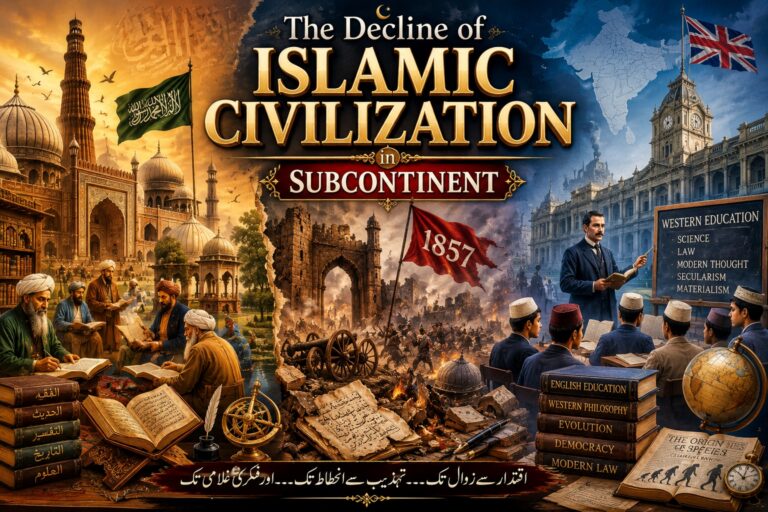
The decline of Islamic civilization in India was not merely the result of military defeats or political setbacks. It was a gradual process that unfolded over centuries through weak religious foundations, the erosion of Islamic institutions, colonial domination, and the rise of Western intellectual influence. While Muslim rulers governed large parts of the subcontinent for centuries, Islamic civilization never became deeply rooted among the majority of the population. The collapse of Muslim political authority, followed by British colonial policies, dismantled educational, legal, and cultural institutions that had sustained Muslim identity. The spread of Western education further transformed the outlook of a new Muslim elite that increasingly viewed its own religious and civilizational heritage through foreign intellectual frameworks. This article examines the historical, political, and intellectual factors behind the weakening of Islamic civilization in India and explores how intellectual subjugation often proves more enduring than military conquest.
آیت اللہ خمینی کا عروج: جلاوطنی، انقلاب اور اسلامی جمہوریہ کی پیدائش

اس مضمون میں اس بات کا جائزہ لیا گیا ہے کہ آیت اللہ خمینی کس طرح انقلاب کے غیر متنازعہ رہنما بن گئے، یکے بعد دیگرے آنے والی حکومتیں انہیں کیوں خاموش کرانے میں ناکام رہیں، کس طرح جلاوطنی ان کے اثر و رسوخ کو کم کرنے کے بجائے مزید بڑھا، اور کس طرح ان کی ایران واپسی نے مشرق وسطیٰ کی قدیم ترین تہذیبوں میں سے ایک کو بنیادی طور پر نئی شکل دی۔
The Iran–Iraq War :8 Years Changed the Middle East Forever
This article explores the Iran–Iraq War in depth, explaining.Rather than viewing the conflict simply as a border war, this article explains why it became a defining event in modern Middle Eastern history.
یورپ شدید گرمی کی لپیٹ میں

یہ مضمون سادہ الفاظ میں ہیٹ ویو کی وضاحت کرتا ہے، اس میں یہ بتایا گیا ہے کہ یورپ میں گرمی کیوں زیادہ خراب محسوس ہوتی ہے، کس کو سب سے زیادہ خطرہ ہے، اور پیسے خرچ کیے بغیر یا گھر منتقل کیے بغیر ٹھنڈے رہنے کے آسان طریقے۔ آپ قدیم ثقافتوں سے سمارٹ آئیڈیاز بھی سیکھیں گے جو ہر کسی کو گرم موسموں کی تیاری میں مدد کر سکتے ہیں۔
Europe’s 2026 Heatwave: Why So Bad, Simple Ways to Stay Safe
This article explains the heatwave in simple words , It covers why the heat feels worse in Europe, who is most at risk, and easy ways to stay cooler without spending money or moving house. You will also learn smart ideas from ancient cultures that can help everyone prepare for hotter summers.
Our Intellectual Slavery and Its Causes: How the Muslim World Lost Intellectual Leadership
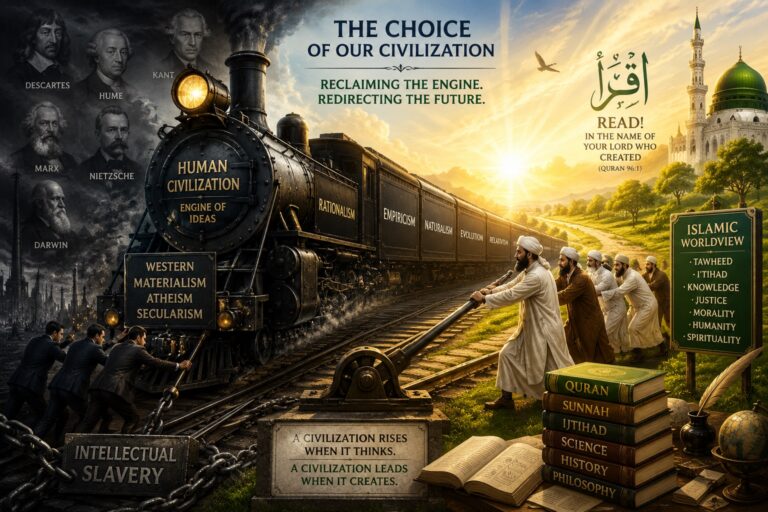
Why do politically independent Muslim nations continue to think through foreign intellectual frameworks? This research paper examines the phenomenon of intellectual slavery, tracing its origins to the Muslim world's abandonment of independent research and Ijtihad. It explores the historical rise of Western materialism, the philosophical journey from Descartes to Darwin, the conflict between Islamic and Western civilizational paradigms, and the urgent need for an Islamic intellectual renaissance capable of restoring independent thought and global leadership.
The Rise of Ayatollah Khomeini: Exile, Revolution
This article examines how Ayatollah Khomeini became the revolution's undisputed leader, why successive governments failed to silence him, how exile amplified rather than diminished his influence, and how his return to Iran fundamentally reshaped one of the Middle East's oldest civilisations.
Human Legislation versus Divine Revelation: A Historical Study
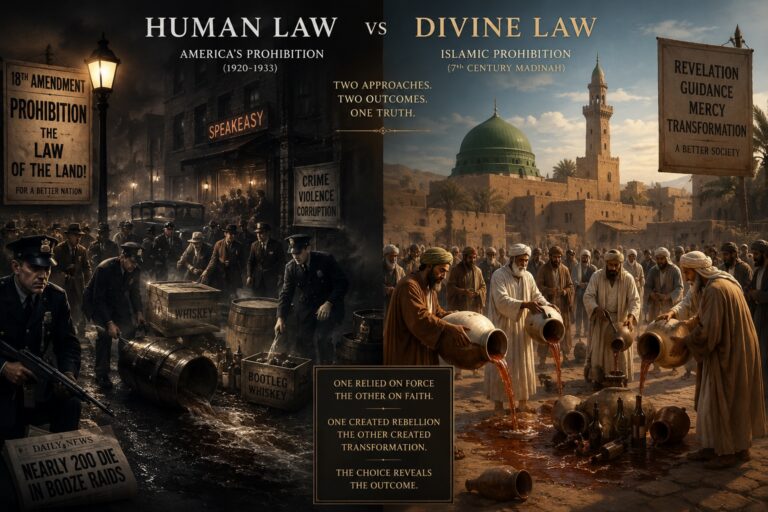
Can law alone transform human behaviour? The American Prohibition experiment sought to eradicate alcohol through legislation, education, enforcement, and public campaigns, yet it ultimately failed. More than a thousand years earlier, Islam achieved what modern governments could not: the near-complete elimination of alcohol from society through faith-driven moral transformation. By comparing these two historical experiences, this study explores fundamental questions about law, morality, human psychology, social reform, and the relationship between Divine Revelation and human legislation. The analysis uncovers three universal principles that illuminate not only temperance laws but the entire structure of jurisprudence and ethics.