محبت: معنی، اقسام، سائنس، کہانیاں


This comprehensive study examines the evolution of insurgency and terrorism in Balochistan, Pakistan, from 1948 to 2026. It analyzes historical grievances, foreign-enabled hybrid warfare, insurgent technological capabilities, and Pakistan’s strategic countermeasures, providing in-depth military assessment and actionable policy recommendations for sustainable peace.

This article synthesises peer-reviewed findings on how love is perceived, expressed, and experienced across Eastern (e.g., China, Japan, India, Pakistan) and European (e.g., UK, Germany, France, Italy) societies.


This guide is written in a clear question–and–answer learning style, designed especially for non-Muslims and beginners who may have little or no prior knowledge of Islamic beliefs or practices.


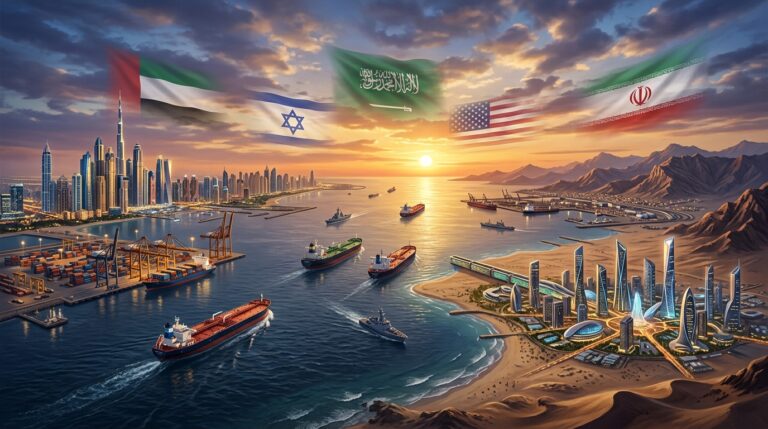
The formalization of the Iran-China-Russia strategic pact marks a decisive shift in global geopolitics, accelerating the transition toward a contested, multipolar world. For Pakistan, this creates both an existential challenge and a rare strategic opportunity. Historically reliant on external powers for security and development, Pakistan must now move from reactive hedging to proactive balancing. A sovereign strategic recalibration is needed, prioritizing economic security, principled multi-alignment, and the development of indigenous capacity. This paper outlines a phased roadmap for Pakistan to engage all major power centers, strengthen regional ties, and build a resilient, self-reliant economy. By reforming strategic institutions, leveraging its geographic advantage, and adopting a forward-looking foreign policy, Pakistan can evolve into a “reflective sovereign actor” capable of stabilizing its region while securing long-term prosperity.