
Science and Innovation in Iran: From Ancient Knowledge to Modern Technology Under Sanctions
Introduction
Science and Innovation in Iran: From Ancient Knowledge to Modern Technology Under Sanctions. For many people outside the Middle East, Iran is almost always associated with politics, sanctions, nuclear negotiations, and regional conflicts. Rarely do international headlines mention another side of the country, its scientists, engineers, doctors, and researchers who have quietly built one of the region’s largest scientific communities despite decades of economic restrictions.
https://mrpo.pk/?p=17240&preview=true
This contrast is striking.
How can a country facing some of the world’s toughest sanctions launch satellites into space, manufacture advanced medicines, perform cutting-edge stem cell research, produce military drones, and educate hundreds of thousands of engineers every year? The answer lies in a unique combination of history, necessity, national pride, and long-term investment in education.
Iran’s scientific story did not begin after the 1979 Islamic Revolution. Nor did it emerge solely because of sanctions. It is deeply rooted in a civilisation that once produced some of history’s greatest scholars while adapting to the realities of the modern world.
Today’s Iran presents a paradox. It possesses remarkable achievements in medicine, nanotechnology, aerospace, and artificial intelligence while simultaneously struggling with international isolation, economic hardship, brain drain, and limited access to global scientific collaboration. Understanding these contradictions helps explain not only Iran’s domestic development but also why science has become one of the country’s most important tools for economic survival, national security, and international influence.
This article explores Iran’s scientific journey, from its historical foundations to its modern achievements, ongoing challenges, and future ambitions.
From Algebra to Artificial Intelligence: Iran’s Legacy for Development of World Science and Technology
Iran has made considerable advances in science and technology through education and training, despite international restrictions in almost all aspects of research during the past 45 years too. Iranian scientists have contributed greatly to science and technology but unfortunately, the mainstream media usually depicts a negative image of science and development in Iran. Today, Iran is among the advanced countries in many science and technology fields. It takes only a quick review of the recent news for the past few months to see that Iranians are shining at international science and technology competitions.
With the 2024 scientific Olympiads over, Iran emerged third overall in five Olympiads with the highest number of participating countries.[5] For example, Iranian students ranked 1st in 17th International Olympiad on Astronomy, Astrophysics.[6] Iran has grabbed a gold medal, two silver medals, and a bronze medal at the 36th International Olympiad in Informatics (IOI), ranking 9th among 96 countries.[7] Iran’s student team, including 4 high school students, won one silver and three bronze medals in the International Nuclear Science Olympiad (INSO) contest held in the Philippines.[8]
In terms of science production, Iran is ranked 15th in 2021. In the field of aerospace, it ranks 13th in the world. Iran ranks 15th in medicine and 7th in pharmaceuticals. For example, it was among the 10 countries was able to produce its own national Covid-19 vaccines. According to statistics, more than 155 million doses of corona vaccine have been injected in Iran (Almost 70 percent of population).
A Civilisation Built on Knowledge
Long before Europe experienced the Renaissance, Persia stood among the world’s great centres of learning. During the Islamic Golden Age, Persian scholars played central roles in advancing medicine, astronomy, chemistry, mathematics, engineering, and philosophy. Their works influenced both the Islamic world and medieval Europe for centuries.
Among the most influential figures was Ibn Sina (Avicenna), whose medical encyclopedia The Canon of Medicine remained a standard textbook in European universities for nearly six hundred years. His writings transformed medical education and clinical practice across continents.
Another towering figure was Al-Biruni, whose work on astronomy, geography, geology, and mathematics demonstrated extraordinary scientific precision centuries before modern instruments existed.
The celebrated mathematician Omar Khayyam contributed not only to literature but also to algebra and calendar reform, producing one of the most accurate solar calendars of his era. This historical legacy continues to shape Iranian national identity. Scientific achievement is often presented not merely as economic progress but as a revival of a proud intellectual tradition stretching back more than a millennium. For many Iranians, investing in science is viewed as reclaiming a historical role rather than creating an entirely new one.
Education as the Foundation of Scientific Growth
Following the 1979 Revolution, Iran’s political system changed dramatically, but one national priority remained remarkably consistent: education. The government significantly expanded universities throughout the country. Institutions were established in provincial cities, allowing students from rural areas to pursue higher education without relocating to Tehran.
One of the most remarkable developments was the growth of engineering and medical education. Every year, hundreds of thousands of students compete in Iran’s highly demanding national university entrance examination, known as the Konkur. Success in this examination often determines a student’s future career and social mobility, making education one of the most competitive aspects of Iranian society.
Engineering, medicine, pharmacy, computer science, and applied sciences became especially prestigious fields. Women also emerged as one of the major success stories of Iran’s education system. Despite social restrictions in some areas of public life, female participation in higher education increased dramatically over the past four decades. In many universities, women now constitute more than half of all students, particularly in medicine, biology, chemistry, and engineering disciplines.
This large pool of educated graduates became the backbone of Iran’s scientific development. Even during periods of economic crisis, educational investment remained relatively protected because policymakers increasingly viewed scientific capability as a strategic national asset rather than a luxury.
Science Under Sanctions: Necessity as the Mother of Innovation
International sanctions created severe obstacles for Iran’s economy, but they also forced the country to become more self-reliant in several technological sectors. Restrictions on importing advanced equipment, pharmaceuticals, industrial machinery, and scientific instruments meant that Iranian researchers often had little choice but to develop domestic alternatives.
This process was neither quick nor easy.
Universities frequently struggled to obtain laboratory equipment.
Researchers faced difficulties purchasing specialised software.
Medical institutions experienced shortages of advanced pharmaceuticals.
International scientific cooperation became increasingly complicated.
Yet necessity encouraged local innovation.
Government funding increasingly focused on technologies considered strategically important, including pharmaceuticals, biotechnology, aerospace, agriculture, telecommunications, and defence industries. Rather than relying entirely on imported technologies, Iranian scientists began adapting existing knowledge to local conditions and manufacturing many products domestically.
This strategy became known as building a “knowledge-based economy”—an economy driven not only by natural resources but also by scientific expertise and technological innovation. Although sanctions undeniably slowed progress in many areas, they also encouraged domestic industries to invest heavily in research and development.
In many respects, Iran’s scientific ecosystem evolved under conditions very different from those experienced by most developing countries. Rather than integrating fully into global supply chains, many Iranian laboratories learned to innovate within constraints, often improvising solutions using locally available resources. This culture of scientific resilience remains one of Iran’s defining characteristics today.
Iran’s Space Programme
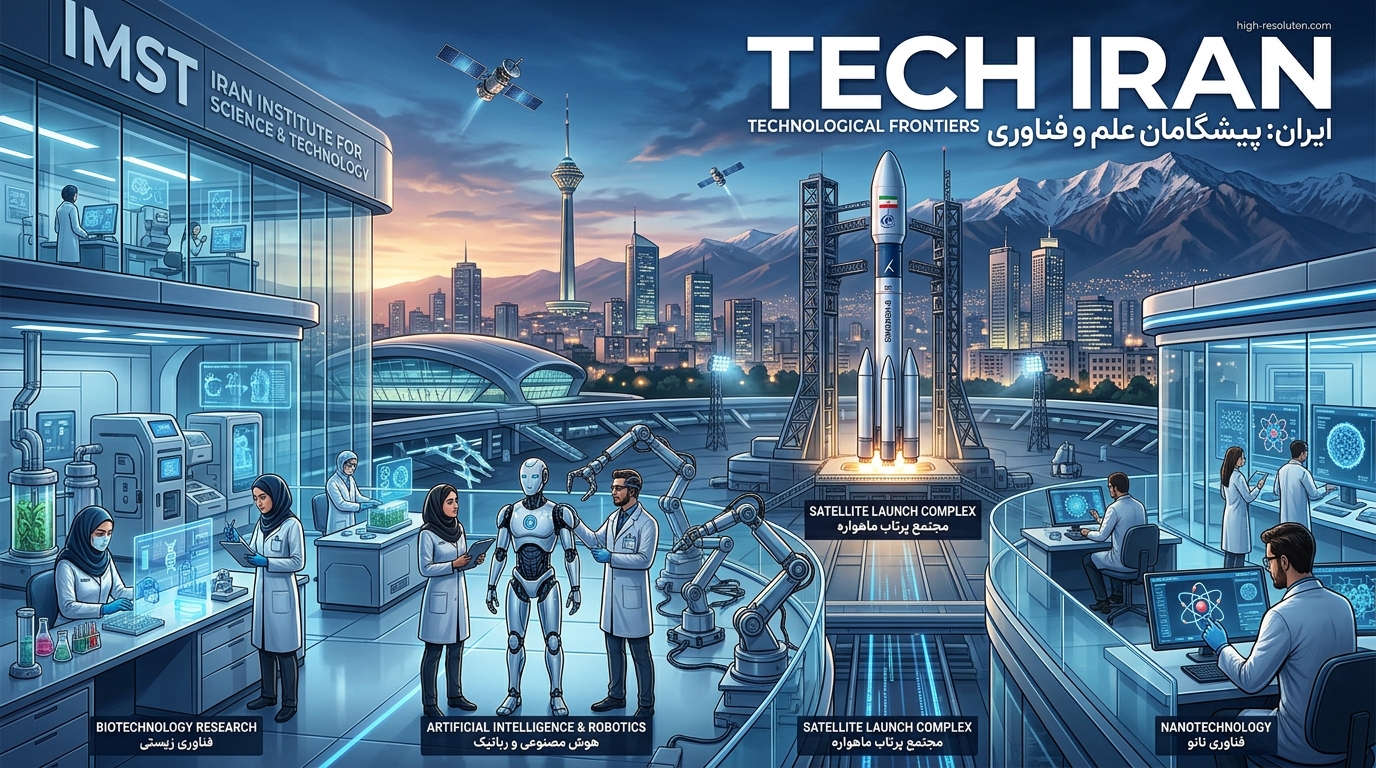
Few areas better illustrate Iran’s technological ambitions than its space programme. Beginning in the early 2000s, Iran invested heavily in developing indigenous satellite technology and launch capabilities. Government officials argued that access to space was essential for communications, weather forecasting, disaster management, environmental monitoring, and national security.
In 2009, Iran successfully launched Omid (“Hope”), its first domestically built satellite placed into orbit using an Iranian launch vehicle. The achievement attracted worldwide attention. Supporters viewed it as evidence of growing scientific capability.
Critics expressed concern that technologies used for satellite launches could also contribute to the development of long-range ballistic missiles, since many of the underlying engineering principles overlap. Over the following years, Iran continued developing launch vehicles, satellite manufacturing capabilities, and space research programmes despite repeated technical failures and international scrutiny.
Iran has also announced ambitious plans involving remote sensing satellites, telecommunications satellites, and eventual human spaceflight, although these remain long-term objectives. For Iranian policymakers, the space programme serves not only practical scientific purposes but also symbolic ones. Every successful launch reinforces a narrative of technological independence achieved despite international isolation.
Biotechnology and Medical Research
Perhaps no area demonstrates Iran’s scientific resilience more clearly than biotechnology and medical research. Healthcare has long been regarded as a matter of national security. During the Iran-Iraq War (1980–1988), the country experienced severe shortages of medicines and medical equipment due to conflict and international restrictions. Those years exposed how vulnerable Iran was when it depended heavily on foreign suppliers.
The lesson was not forgotten. After the war, successive governments invested heavily in pharmaceutical production, biomedical research, vaccine development, and biotechnology. Universities expanded medical faculties, research institutes multiplied, and close cooperation developed between hospitals and academic institutions.
Today, Iran produces the vast majority of the medicines consumed by its population. While many highly specialized drugs still require imported ingredients or advanced technology, domestic pharmaceutical companies manufacture thousands of essential medications, significantly reducing dependence on foreign suppliers.
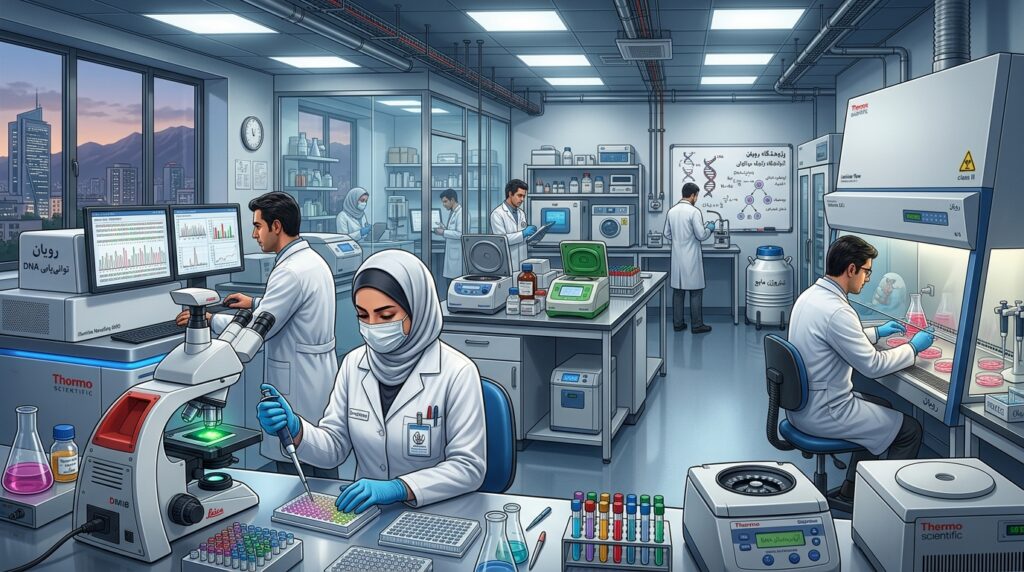
One of Iran’s most notable achievements has been the development of biosimilar medicines—complex biological drugs designed to treat diseases such as cancer, multiple sclerosis, rheumatoid arthritis, and various autoimmune disorders. Producing these medicines requires sophisticated biotechnology, and only a relatively small number of countries possess this capability. Iranian researchers have also gained international recognition in stem cell science.
The Royan Institute, established in Tehran in 1991, has become one of the Middle East’s leading centres for reproductive medicine, embryology, regenerative medicine, and stem cell research. Scientists at Royan have published internationally cited research on infertility treatments, tissue engineering, and regenerative therapies. The institute’s work has helped thousands of couples facing infertility while advancing scientific understanding of stem cells and cellular therapies.
Medical innovation extends beyond research laboratories. Iran has developed advanced capabilities in organ transplantation, particularly kidney, liver, and bone marrow transplants. Iranian surgeons perform thousands of complex procedures annually, and several hospitals have become regional centres attracting patients from neighbouring countries seeking specialised medical care at comparatively lower costs.
Cancer treatment has also improved substantially over recent decades. Domestic production of chemotherapy drugs and radiopharmaceuticals has helped reduce costs and improve accessibility despite sanctions that have often complicated imports of specialised medicines. The COVID-19 pandemic further highlighted both Iran’s strengths and vulnerabilities.
Initially, sanctions complicated access to medical supplies and vaccines. However, Iranian scientists rapidly developed domestic diagnostic kits, ventilators, protective equipment, and eventually indigenous COVID-19 vaccines. Although imported vaccines later played a significant role in the national vaccination campaign, the domestic effort demonstrated the country’s growing biomedical capacity.
Despite these successes, challenges remain. Many laboratories continue to struggle with outdated equipment, limited access to international scientific databases, difficulties purchasing specialised laboratory materials, and restrictions on international collaboration. Nevertheless, biotechnology remains one of Iran’s fastest-growing scientific sectors and an area in which the country continues to invest heavily.
Nanotechnology: Quiet Leadership in an Emerging Field
Nanotechnology rarely attracts newspaper headlines, yet it has become one of Iran’s greatest scientific success stories. It involves manipulating materials at the scale of atoms and molecules to create products with entirely new properties. Applications include medicine, electronics, construction, textiles, water purification, agriculture, and energy.
Recognising its future potential early, Iran established a national strategy for nanotechnology development in the early 2000s.
Research centres received dedicated funding.
Universities launched specialised graduate programmes.
Private companies were encouraged to commercialise laboratory discoveries.
The results have been remarkable.
Today, Iran consistently ranks among the world’s leading countries in scientific publications related to nanotechnology. Thousands of Iranian researchers contribute to international journals each year, while hundreds of domestic companies manufacture nanotechnology-based products. These products range from antimicrobial hospital equipment and advanced water filters to industrial coatings, agricultural materials, cosmetics, and medical devices.
Nanotechnology has also found practical applications in oil and gas production, environmental protection, and construction materials, sectors that are particularly important for Iran’s economy. Unlike industries requiring massive financial investment, nanotechnology often depends more heavily on skilled researchers and innovative ideas than on expensive infrastructure. This has allowed Iran to compete internationally despite financial constraints.
Government officials frequently highlight nanotechnology as evidence that scientific investment can produce economic returns even under sanctions.
Artificial Intelligence and Digital Innovation
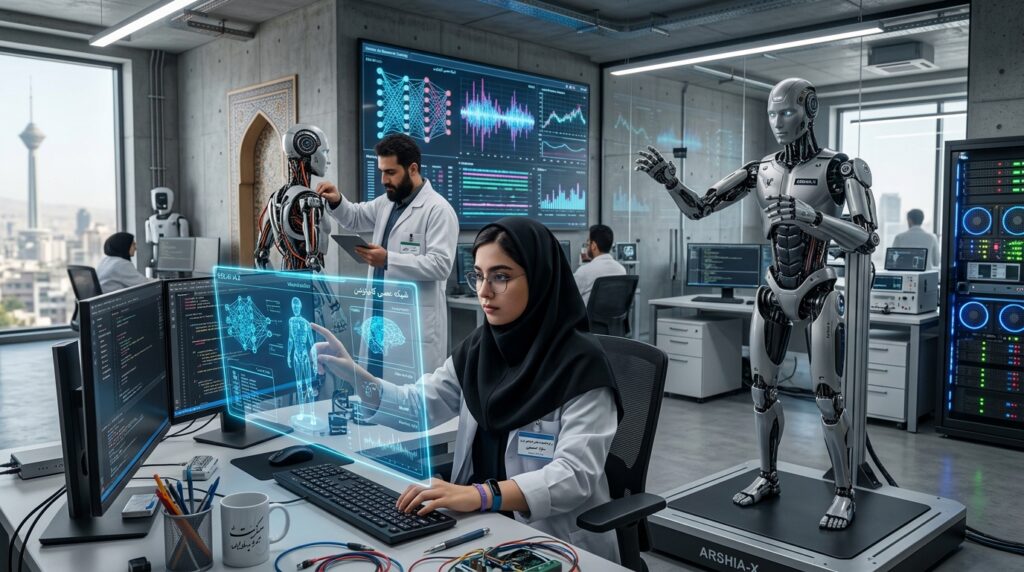
Artificial intelligence represents the newest frontier in Iran’s scientific ambitions. Over the past decade, Iranian universities have significantly expanded research in machine learning, robotics, computer vision, natural language processing, and data science.
Leading institutions, including Sharif University of Technology, Amirkabir University of Technology, and the University of Tehran, have established specialised AI research centres that collaborate with both government agencies and private technology companies.
Iranian engineers increasingly apply artificial intelligence in fields such as:
- Medical diagnostics
- Financial technology
- Smart agriculture
- Traffic management
- Industrial automation
- Cybersecurity
- Natural language processing for Persian-language applications
Start-up companies have also emerged despite economic challenges.
Young software developers have created platforms for e-commerce, digital payments, online education, healthcare services, and transportation. Domestic technology companies have often filled gaps left by international firms that withdrew from the Iranian market because of sanctions.
For example, local alternatives have developed to replace global services that became inaccessible or restricted. However, Iran’s digital economy faces significant obstacles. International sanctions complicate access to cloud computing services, software licences, advanced computer hardware, and foreign investment.
Internet restrictions and government regulation of online platforms also affect entrepreneurs, limiting access to global markets and reducing opportunities for international collaboration. Many highly skilled software engineers choose to emigrate, attracted by better salaries, greater professional freedom, and broader career opportunities abroad.
Despite these difficulties, artificial intelligence remains one of Iran’s fastest-growing research fields and is increasingly viewed as essential for future economic competitiveness.
Nuclear Science: Progress, Controversy, and International Tensions
No discussion of Iranian science can ignore the country’s nuclear programme, one of the most controversial scientific projects of the modern era.
Iran insists that its nuclear activities are intended primarily for peaceful purposes, including electricity generation, medical research, agricultural applications, and scientific advancement. Iranian leaders frequently argue that, as a signatory to the Nuclear Non-Proliferation Treaty (NPT), the country has the legal right to develop civilian nuclear technology under international safeguards.
However, many Western governments, along with Israel and several regional states, have long expressed concern that aspects of the programme could provide the capability to develop nuclear weapons should Iran choose to do so. These concerns have shaped international relations for more than two decades.
The resulting sanctions have affected not only the nuclear sector but also banking, trade, scientific collaboration, higher education, aviation, and healthcare. Iranian researchers in unrelated scientific fields have often found themselves indirectly impacted by restrictions imposed because of the nuclear dispute. From a purely scientific perspective, the programme has driven significant advances in several disciplines:
- Nuclear engineering
- Materials science
- Radiation medicine
- Medical isotope production
- Precision manufacturing
- Advanced mechanical engineering
- High-performance computing
Iran has also developed domestic expertise in operating nuclear power facilities, producing nuclear fuel under varying levels of enrichment, and manufacturing specialised equipment that many countries import. Supporters see these achievements as symbols of technological independence.
Critics argue that the economic costs of international sanctions have outweighed many of the scientific gains. Regardless of political opinion, the nuclear programme has profoundly influenced Iran’s scientific priorities, directing substantial financial resources toward strategic research while simultaneously limiting international cooperation in many academic fields.
Defence Technology: Innovation Born from Isolation
Perhaps no area illustrates Iran’s determination to achieve technological self-sufficiency more clearly than its defence industry.
When the Islamic Revolution took place in 1979, Iran inherited one of the best-equipped militaries in the Middle East. Under Shah Mohammad Reza Pahlavi, the armed forces relied almost entirely on American, British, and Western European equipment. Fighter aircraft, helicopters, tanks, missiles, radar systems, and spare parts were imported from abroad, while foreign technicians maintained much of the sophisticated hardware.
That dependence became a serious weakness almost overnight. Following the revolution, diplomatic relations with the United States collapsed. Arms embargoes were imposed, military contracts were cancelled, and the flow of spare parts stopped. The outbreak of the Iran-Iraq War only months later exposed the country’s vulnerability. Iranian forces found themselves fighting one of the twentieth century’s largest conventional wars with equipment they could no longer maintain or replace.
For Iran’s new leadership, the lesson was unmistakable: relying on foreign suppliers for national defence was no longer an option. The response was to build an indigenous defence industry from the ground up. Over the following decades, Iran invested heavily in research institutes, military universities, engineering programmes, and state-owned defence manufacturers. Scientists and engineers were tasked with reverse-engineering imported equipment, designing domestic alternatives, and gradually reducing dependence on foreign technology.
Initially, progress was slow. Much of the early work involved repairing existing American-made aircraft and manufacturing replacement components that could no longer be imported. As experience accumulated, the industry became more ambitious. Iran began producing its own armoured vehicles, naval vessels, missile systems, electronic warfare equipment, radar technology, air defence systems, and military communications networks.
Perhaps the most significant development has been the country’s missile programme. Because Iran’s air force has struggled to modernise under decades of sanctions, military planners increasingly viewed ballistic and cruise missiles as a cost-effective means of deterrence. Considerable resources were therefore devoted to improving missile range, accuracy, guidance systems, and survivability.
Today, Iran possesses one of the largest missile arsenals in the Middle East, and missile technology has become central to its national defence doctrine.
The Rise of Drone Technology
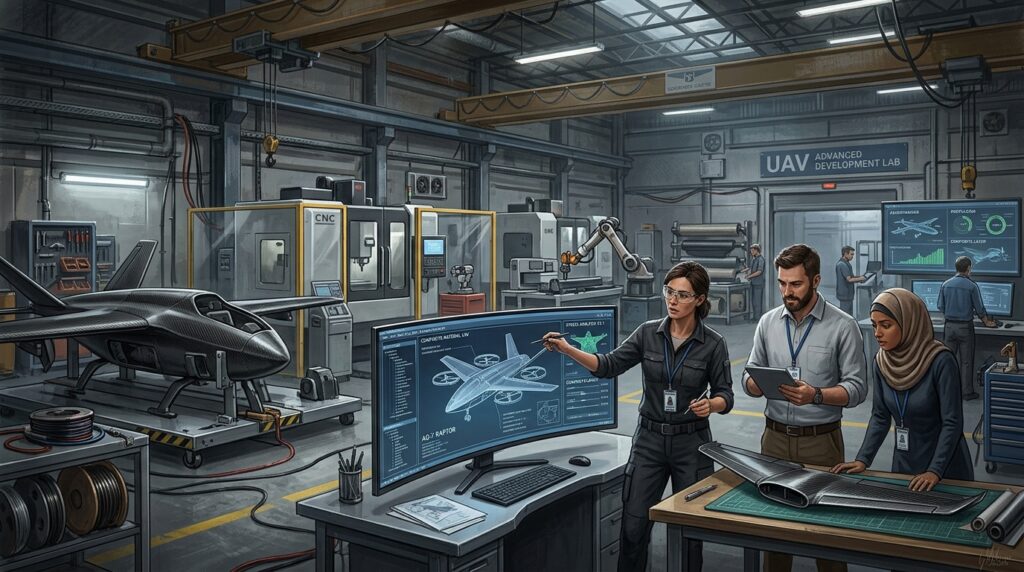
If missiles became Iran’s shield, drones became its eyes and extended reach. Unmanned aerial vehicles (UAVs) have transformed modern warfare, offering surveillance, reconnaissance, precision strikes, and electronic intelligence at a fraction of the cost of conventional aircraft. Recognising these advantages early, Iran invested extensively in drone development beginning in the 1990s.
Early models were relatively simple surveillance platforms used to monitor borders and gather battlefield intelligence. Over time, however, Iranian engineers developed increasingly sophisticated systems capable of long-range reconnaissance, maritime patrol, electronic warfare, and precision attacks. Several drone families, including the Shahed, Mohajer, and Ababil series, have attracted international attention.
These drones vary considerably in capability. Some are designed primarily for intelligence gathering. Others carry guided munitions capable of striking military targets. Loitering munitions, often referred to as “suicide drones,” combine surveillance with attack capabilities by remaining airborne until a suitable target is identified before diving onto it.
Iranian drone technology has become strategically significant not only because of domestic use but also because of its reported export to allied groups and partner governments across the Middle East. Western governments have additionally accused Iran of supplying drones used in conflicts beyond the region, including the war in Ukraine. Iranian officials have offered differing explanations regarding the timing and nature of such transfers, making the issue one of ongoing international dispute.
Regardless of political perspectives, there is broad agreement among military analysts that Iran has become one of the world’s most capable producers of relatively low-cost military drones. This success reflects an important feature of Iran’s broader scientific strategy: rather than competing directly with wealthier countries in every field, it has often concentrated resources on technologies where innovation, engineering skill, and adaptability can offset financial limitations.
Cybersecurity and Electronic Warfare
Modern conflicts increasingly extend beyond land, sea, and air into cyberspace. Iran has therefore invested substantially in cybersecurity, cyber defence, and electronic warfare. Universities now train specialists in computer engineering, cryptography, network security, and artificial intelligence. Government agencies and military organisations collaborate with academic institutions to strengthen digital infrastructure against increasingly sophisticated cyber threats.
Iran itself has been the target of several major cyberattacks. The most famous was the Stuxnet cyberattack, discovered in 2010, widely regarded as one of the world’s first cyberweapons to cause physical destruction. The malware specifically targeted centrifuges used in uranium enrichment, damaging equipment while remaining hidden from operators.
The attack fundamentally altered Iran’s perception of cybersecurity. Rather than viewing cyber defence as simply protecting computers, policymakers began treating it as an essential component of national security comparable to conventional military defence. Since then, Iran has expanded investment in cyber research, digital resilience, secure communications, and domestic software development.
The Challenge of Brain Drain
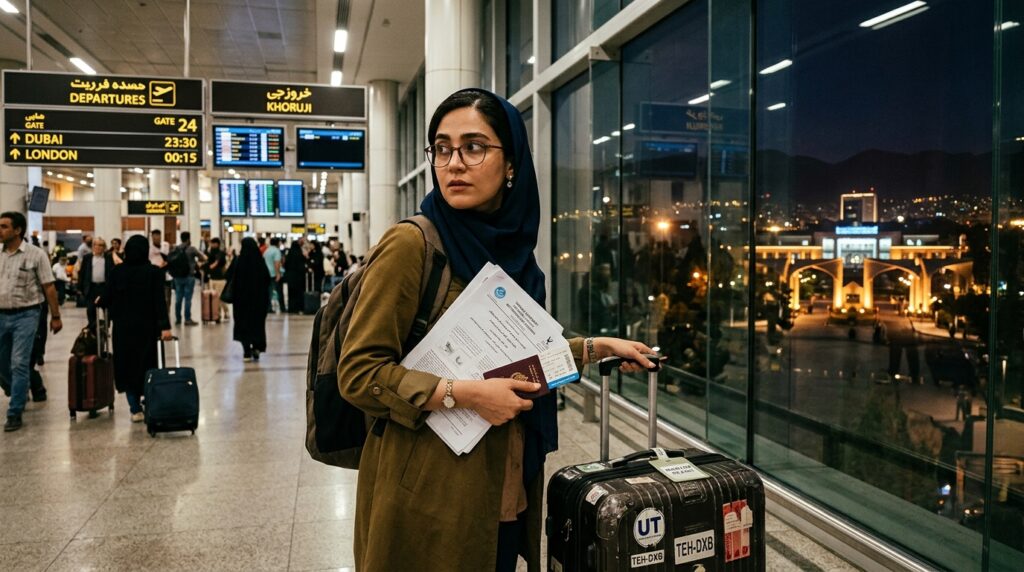
Despite impressive scientific achievements, Iran faces one of its most persistent and painful challenges: the emigration of highly educated professionals. Each year, thousands of engineers, physicians, scientists, entrepreneurs, and university graduates leave Iran seeking opportunities abroad. This phenomenon, commonly known as “brain drain,” has affected the country’s development for decades.
Several factors contribute to this migration. Economic uncertainty remains one of the strongest motivations. International sanctions have weakened the economy, reduced research funding, limited private investment, and constrained employment opportunities for highly skilled professionals. Academic researchers often struggle to obtain modern laboratory equipment or participate fully in international collaborations.
Many young scientists find themselves unable to attend overseas conferences because of visa restrictions or financial limitations. Others seek environments offering greater academic freedom, higher salaries, stronger research infrastructure, and better access to international scientific networks. For technology entrepreneurs, restrictions affecting international banking, software licensing, and foreign investment can make it difficult to transform innovative ideas into globally competitive businesses.
As a result, many establish successful careers in North America, Europe, Australia, or the Gulf states. Ironically, this migration has created a highly accomplished Iranian scientific diaspora. Scientists of Iranian origin now occupy senior positions at leading universities, research institutes, hospitals, and technology companies around the world. They have contributed to advances in medicine, engineering, computer science, physics, aerospace, and biotechnology while maintaining varying degrees of collaboration with colleagues inside Iran.
For Iran itself, however, retaining talented young researchers remains an ongoing challenge. Recognising the problem, government initiatives have sought to encourage expatriate scientists to return or collaborate remotely through joint research programmes, technology parks, and incentives for knowledge-based companies. Some have returned.Many have not. The competition for global scientific talent is intense, and reversing decades of outward migration remains difficult.
Scientific Challenges Beyond Sanctions
Although sanctions receive the greatest international attention, they are only one part of Iran’s scientific landscape. Researchers must also navigate bureaucratic procedures, fluctuating research budgets, inflation, currency instability, and periodic political uncertainty.
Access to cutting-edge laboratory instruments can be inconsistent, especially when specialised components require import licences or foreign suppliers hesitate to engage with Iranian institutions. Internet restrictions can also complicate scientific collaboration, particularly in fields that depend heavily on cloud computing, international software platforms, or real-time communication with overseas research partners.
Environmental challenges, including water scarcity, air pollution, desertification, and climate change, place additional demands on scientists and engineers, requiring innovative solutions while resources remain constrained. Nevertheless, many Iranian researchers continue producing internationally recognised work despite these obstacles.
Their persistence has become an integral part of the country’s scientific identity. In Iran, scientific success is often celebrated not simply because of the discoveries themselves, but because of the difficult conditions under which those achievements were made.
The Future of Science and Innovation in Iran
Predicting Iran’s scientific future is not straightforward because it depends as much on geopolitics as it does on laboratories and universities. If sanctions remain in place or intensify, Iranian researchers will likely continue following the model that has defined the past four decades: self-reliance, domestic production, and strategic investment in sectors considered vital to national security and economic resilience.
Artificial intelligence, robotics, quantum technologies, renewable energy, biotechnology, advanced materials, and semiconductor research are all expected to receive increasing attention. These are fields where scientific expertise rather than abundant natural resources determines success, making them attractive priorities for a country seeking to diversify its economy beyond oil.
Healthcare will almost certainly remain another major focus. An ageing population, the growing burden of chronic diseases, and rising healthcare costs will require continued innovation in pharmaceuticals, medical devices, telemedicine, and preventive care. Iran’s existing strengths in biotechnology and stem cell research provide a solid foundation for future advances.
Environmental science is also becoming increasingly urgent. Iran faces severe water shortages, prolonged droughts, declining groundwater reserves, desertification, air pollution, and the impacts of climate change. Solving these problems will require breakthroughs in water management, sustainable agriculture, renewable energy, desalination technologies, and environmental engineering.
At the same time, Iran’s young population offers considerable potential. Every year, universities produce thousands of graduates in engineering, medicine, computer science, chemistry, physics, and mathematics. If economic conditions improve and opportunities expand, this educated workforce could become one of the country’s greatest assets.
However, the opposite is equally possible. If economic uncertainty continues and talented graduates see limited prospects at home, the brain drain may accelerate, weakening the very scientific base that Iran has spent decades building. International cooperation will also play a decisive role.
Science has always flourished through collaboration. Access to international conferences, research partnerships, academic exchanges, and shared facilities accelerates discovery far more effectively than isolation. Whether Iran becomes more integrated into the global scientific community or remains largely isolated will significantly influence the pace of future innovation.
Ultimately, Iran’s scientific future will depend not only on laboratories and universities but also on political stability, economic reform, international relations, and the ability to retain its brightest minds.
Conclusion
Iran’s scientific journey is one of the most remarkable and least understood stories of the modern Middle East. It is a story filled with contradictions. A country subjected to decades of sanctions has nevertheless built internationally recognised capabilities in biotechnology, nanotechnology, medicine, aerospace, artificial intelligence, nuclear science, and defence technology.
Its universities continue to educate large numbers of engineers, physicians, and scientists despite persistent economic pressures. Its researchers have learned to innovate under constraints that would have crippled many other scientific communities. Yet these achievements exist alongside equally significant challenges.
International isolation has limited collaboration.
Economic hardship has reduced research funding.
Political tensions have complicated access to advanced technology.
Brain drain continues to deprive the country of many of its brightest young professionals.
Understanding Iran’s scientific development therefore requires moving beyond simplistic narratives.
It is neither a story of uninterrupted success nor one of constant failure.
Rather, it is the story of a nation that has repeatedly attempted to transform adversity into opportunity, using education, research, and technological innovation as instruments of resilience. Whether one admires or criticises the policies of the Islamic Republic, Iran’s scientific achievements deserve careful study because they demonstrate how knowledge can become a strategic national resource.
In an era increasingly shaped by artificial intelligence, biotechnology, cybersecurity, and advanced manufacturing, scientific capability is becoming as important as military strength or natural resources. Iran understands this reality.
Its future influence, both regionally and globally, will depend not only on its diplomacy or military power but also on its ability to continue producing ideas, discoveries, and innovations in an increasingly competitive world. For observers seeking to understand modern Iran, science is not a side story. It is one of the central chapters.
Frequently Asked Questions (FAQs)
1. Why has Iran invested so heavily in science despite economic sanctions?
Sanctions limited Iran’s ability to import advanced technology, medicines, and industrial equipment. As a result, the government prioritised scientific research and domestic innovation to reduce dependence on foreign suppliers. This policy helped expand biotechnology, pharmaceuticals, aerospace, defence technology, and engineering.
2. What scientific fields is Iran strongest in today?
Iran has developed internationally recognised expertise in biotechnology, stem cell research, nanotechnology, pharmaceuticals, medical sciences, missile engineering, drone technology, nuclear engineering, and increasingly artificial intelligence and robotics.
3. Does Iran have an active space programme?
Yes. Iran has successfully launched several domestically developed satellites and continues to invest in satellite technology, launch vehicles, remote sensing, and space research. The programme serves both civilian and strategic objectives.
4. Why do many Iranian scientists leave the country?
Many highly educated professionals emigrate because of economic uncertainty, limited research funding, sanctions, restricted international collaboration, and better career opportunities abroad. This “brain drain” remains one of Iran’s biggest scientific challenges.
5. Is Iran a leader in medical research?
Iran has become one of the Middle East’s leading countries in medical education, biotechnology, stem cell research, fertility treatment, and the production of biosimilar medicines. Institutions such as the Royan Institute have earned international recognition for their research.
6. What are the biggest obstacles facing Iranian science in the future?
The major challenges include international sanctions, restricted access to advanced technology, inflation, brain drain, environmental problems, limited foreign investment, and reduced opportunities for international scientific collaboration. Overcoming these issues will be essential if Iran wishes to maintain its scientific momentum.
References
- International Atomic Energy Agency (IAEA). Reports on Iran’s Nuclear Programme.
- UNESCO Institute for Statistics. Science, Technology and Innovation Indicators.
- World Bank. Iran: Education, Innovation and Economic Development.
- World Health Organization (WHO). Health System Profile of the Islamic Republic of Iran.
- Nature. Various articles on Iranian scientific research, biotechnology, and international collaboration.
- Science Journal. Articles covering Iranian research output and innovation trends.
- Royan Institute. Research publications on stem cells, reproductive medicine, and regenerative therapies.
- Stanford University World Top 2% Scientists Database.
- Scimago Institutions Rankings. Scientific publications and research performance.
- United Nations Development Programme (UNDP). Reports on sustainable development and scientific capacity in Iran.