
Cyberattacks, Market Crash and Microsoft Outage: How recent disruptions expose the vulnerabilities of our increasingly connected world.
Cyberattacks, Market Crash and Microsoft Outage. Imagine entering a supermarket where freezers have suddenly started heating instead of cooling. Frozen food is spoiling, alarms are malfunctioning, and nobody knows who changed the settings.
https://mrpo.pk/global-tech-stocks-crash/
What we know about the global Microsoft outage
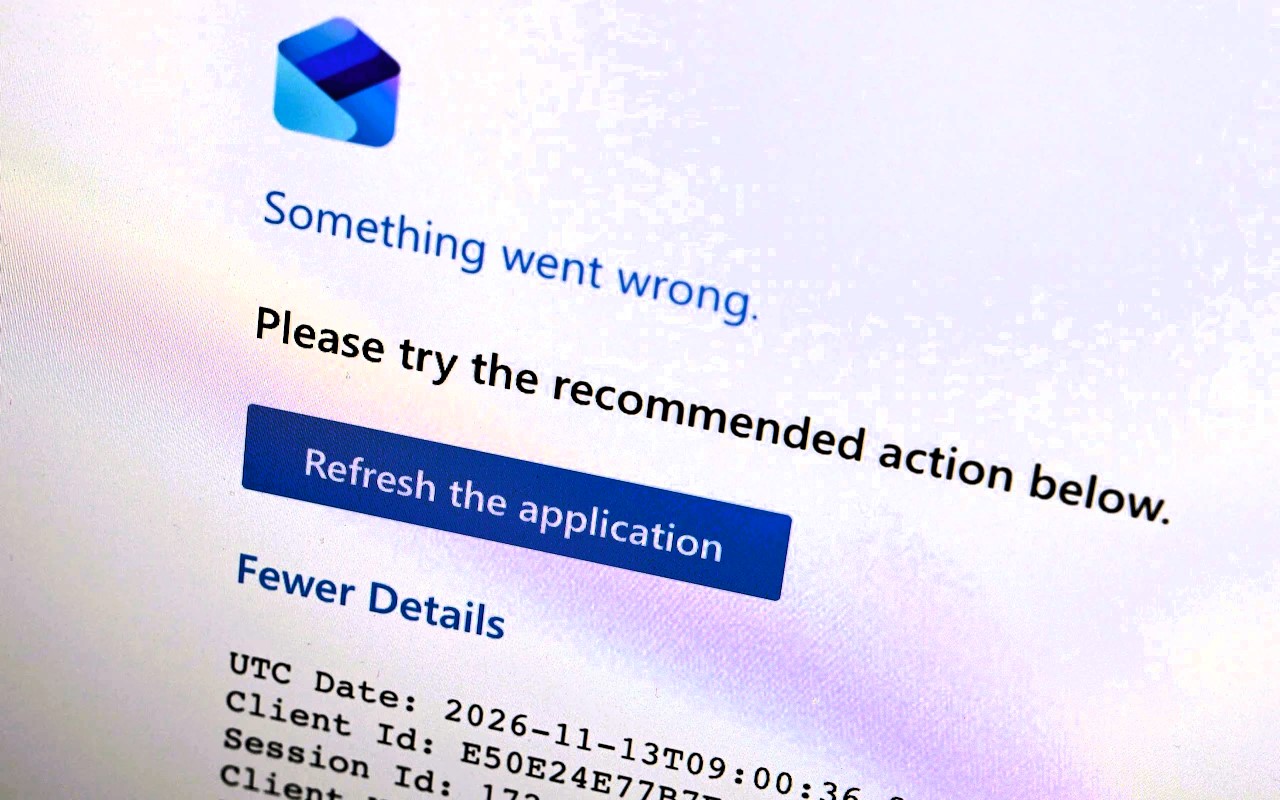
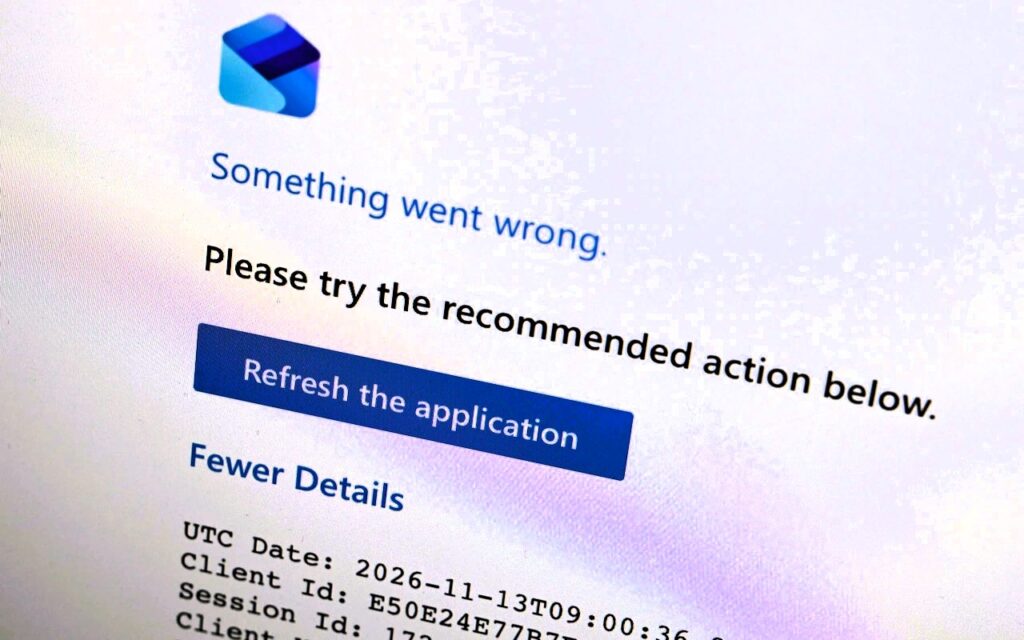
A major global Microsoft outage has caused problems and, in some cases, disabled entire services, including email and artificial intelligence products.
Microsoft has said the outage was not caused by a cyber-security incident, but efforts to fix the issues have so far been largely unsuccessful. Here’s what we know about the services affected and what went wrong.
Schools, GPs and businesses hit by global Microsoft outage as company scrambles to solve issue
What happened?
Microsoft 365 Services, including Teams, Outlook and Microsoft’s artificial intelligence software Copilot, have been affected by “connectivity problems”.
Customers are reporting varying levels of access – many have not been able to send or receive emails, view certain files or details on their calendar apps.
Some users have been able to use Teams and are using messaging and online meeting functions without issues.
https://www.bbc.com/news/articles/cwvg238zrnm5o
Elsewhere, passengers are facing flight disruptions because of false bomb threats. Ukrainian citizens are receiving fake emergency warnings on their phones. Technology stocks are suffering sharp losses, while millions of people are struggling to access their emails and online meetings because of a major Microsoft outage.
These are not fictional scenarios. They resemble a series of reported incidents across different countries in recent weeks.
Although the events have different causes and levels of confirmed attribution, they raise an important question: Are we building a world that is becoming more connected but less prepared for failure?
There is no confirmed evidence that all these incidents share one organiser or form part of a single coordinated campaign. Some involve suspected cyberattacks, others involve criminal hoaxes, while the financial market movements and Microsoft outage have separate explanations.
Nevertheless, they expose a common vulnerability: modern societies increasingly depend on digital systems that can be manipulated, disrupted or rendered unavailable.
1. When Hackers Turn Supermarket Freezers Into Heaters
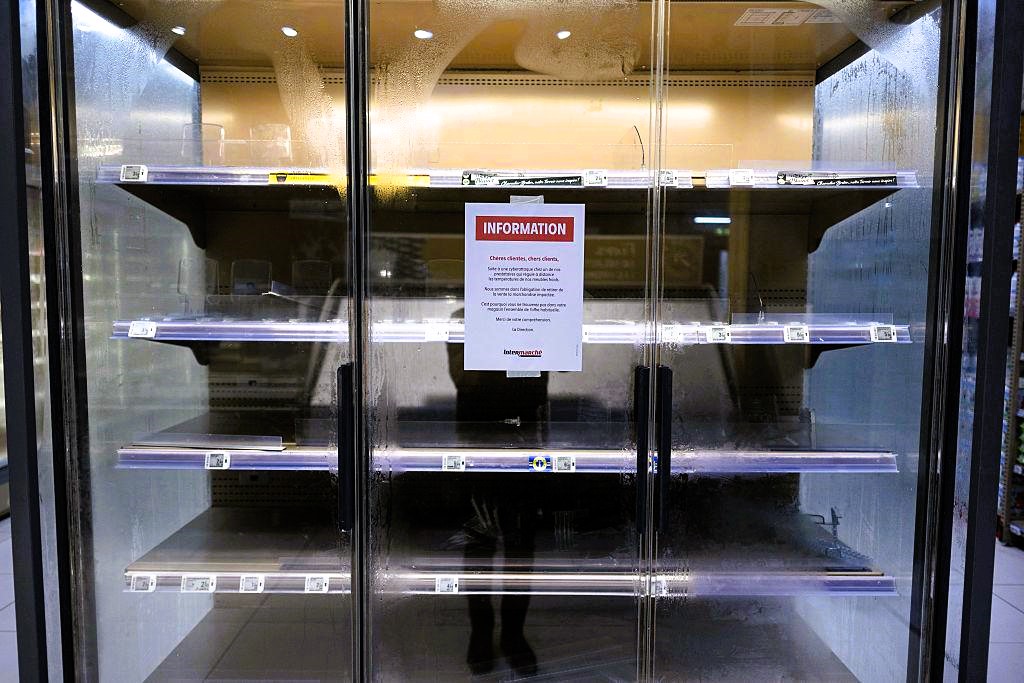
One of the most unusual cyber incidents reported in 2026 involved supermarket refrigeration systems in France.
In October, refrigeration equipment at hundreds of French retail locations was reportedly manipulated remotely, causing temperatures to rise and food to spoil.
This was not simply a case of malfunctioning refrigerators. The reported interference involved digital controllers responsible for managing cooling and defrost settings.
How Did the Attack Work?
Modern supermarkets use connected controllers to monitor temperatures and regulate refrigeration equipment. These systems allow technicians to inspect equipment remotely and adjust settings without visiting individual stores.
However, remote connectivity also creates security risks.
If a controller is exposed to the internet without adequate protection, an unauthorised person may gain access and alter its settings.
In the French incident, attackers reportedly manipulated refrigeration controls. Some equipment entered abnormal heating or defrost cycles, damaging food and reportedly causing fires at several locations.
A further wave of refrigeration incidents was reported in early November across Belgium, the Netherlands, Sweden, Luxembourg, Ireland and Estonia.
Reports described more than 115 affected stores in this second wave. However, the identity of those responsible and whether the incidents shared the same perpetrators remain uncertain.
Why Does This Matter Beyond Supermarkets?
Refrigeration is an important part of the food supply chain. Its disruption can create consequences extending well beyond individual retailers.
The potential consequences include:
- Food waste: Meat, dairy products and frozen food may become unsafe for consumption.
- Financial losses: Retailers face damaged stock, emergency repairs and lost sales.
- Supply chain disruption: Suppliers, warehouses and transport companies may experience additional costs.
- Fire and safety hazards: Malfunctioning equipment can endanger workers and customers.
- Consumer confidence: Repeated incidents can undermine confidence in food safety and retail operations.
The same vulnerability exists in pharmaceutical warehouses, hospitals, industrial cooling facilities and other environments where temperature control is essential.
A cyberattack does not always need to steal information or demand a ransom. Manipulating an industrial control setting can be sufficient to cause physical damage.
2. France Attributes the Attack to an Iranian Cyber Unit
The French investigation took an important turn in November.
On November 9, French officials publicly attributed the October refrigeration attack to a cyber unit identified as Shahid Kaveh, which they associated with Iran’s Islamic Revolutionary Guard Corps.
According to the reported official findings, investigators identified technical links, similarities in methods and other digital traces supporting their attribution.
French authorities also named individuals they considered connected to the operation. Prosecutors reportedly sought international arrest warrants.
Iran rejected the accusation.
It is important to distinguish between an official government attribution and a judicial finding. France has publicly identified the alleged perpetrators, but the accusation is not equivalent to a criminal conviction. The individuals named have not been convicted in court for these incidents.
There is also an important geographical and investigative distinction: France’s accusation concerns the October attack on French facilities. It does not establish responsibility for the separate November incidents reported in other European countries.
What Might Have Motivated the Attack?
The precise motive remains uncertain.
Possible explanations include:
- Economic sabotage: Inflicting financial losses on businesses and disrupting supply chains.
- Psychological pressure: Creating public anxiety about the reliability of essential services.
- Political signalling: Demonstrating the ability to reach systems beyond conventional military targets.
- Capability testing: Assessing weaknesses in remotely connected industrial equipment.
These are possible interpretations, not established findings about the attackers’ intentions.
The broader significance is that cyber operations can affect physical infrastructure and everyday economic activity, not merely computers and confidential information.
3. US Military Freezers Also Come Under Investigation

The refrigeration story became more concerning when reports emerged from the United States.
In August, freezers at several US military commissaries experienced unusual malfunctions. Commissaries are retail stores where military personnel and their families purchase groceries.
In at least one reported case, freezer equipment entered a heating or defrost mode, ruining stored food.
The Pentagon began treating the incidents as possible cyberattacks. Investigators from the Army Criminal Investigation Division and a unit of US Cyber Command became involved.
American investigators also contacted their French counterparts to understand whether the incidents might be related.
However, no confirmed evidence establishes that the US military freezer failures and the French supermarket attacks were carried out by the same individuals or organisation.
Similar equipment failures can result from technical faults, poor maintenance or malicious interference. Establishing the cause requires examination of system logs, access records and temperature data.
Why Are Military Food Supplies Strategically Important?
Military commissaries are part of the wider logistics system supporting service personnel and their families.
Disruption to food storage may appear relatively minor compared with attacks on weapons or communications. However, the same underlying vulnerabilities could affect military supply chains and other essential facilities.
Hospitals, pharmaceutical warehouses and food distribution centres face similar risks.
The US investigation therefore matters not simply because food was lost, but because it raises questions about the security of connected systems supporting essential operations.
4. False Bomb Threats Disrupt European Flights

Another disturbing development involved false bomb threats against passenger aircraft across Europe.
In early November, dozens of flights reportedly received hoax threats. The resulting incidents included aircraft diversions, emergency landings, security searches and military escorts.
By November 5, Reuters reported that nearly 30 flights had been affected in the latest wave, following an earlier series of threats.
No explosives were found in the reported incidents.
The threats also affected other public institutions and broadcasters in parts of Europe.
Who Was Behind the Threats?
The perpetrators have not been publicly identified.
Authorities have considered several possibilities, including individual troublemakers, copycat activity, organised groups and potential state-linked operations.
The possibility of a wider hybrid campaign has also been discussed. However, it should not be presented as an established explanation.
Why Can a False Threat Cause So Much Disruption?
A bomb threat does not need to be genuine to trigger an expensive security response.
Every credible threat must be treated as a potential emergency. Aircraft may need to divert, passengers may require screening, and airport operations can be interrupted.
The consequences include:
- Missed connections and cancelled travel plans.
- Additional expenses for airlines and airports.
- Increased pressure on police and emergency services.
- Delays affecting business and international travel.
- Anxiety among passengers and their families.
The disturbing feature of such incidents is that a message sent remotely can trigger a substantial operational response without the sender having physical access to an aircraft or airport.
5. A Fake Nuclear Alert Reaches Ukrainian Phones
Perhaps even more alarming was a reported incident involving Ukraine’s emergency alert system.
In early November, users of the widely used Air Alert application received false notifications concerning radiation danger, chemical threats and fighting in Kyiv.
Some messages referred to a possible missile strike involving Russia’s Oreshnik missile.
Ukraine’s Air Force warned that the application had likely been compromised and urged residents to ignore the false messages.
The incident was reported as a suspected breach of an application relied upon by millions of people for warnings about real missile and drone attacks.
Why Is This Particularly Dangerous?
Emergency alert systems exist to protect people during moments of genuine danger.
If attackers can distribute convincing false warnings, they can create panic, confuse the public and undermine confidence in future alerts.
The possible consequences include:
- Families leaving their homes unnecessarily.
- Avoidable calls to hospitals and emergency services.
- People are becoming less responsive to genuine warnings.
- Reduced public confidence in official emergency communications.
In a country already experiencing war, false warnings can be especially frightening.
The incident demonstrates that public information systems are potential targets in their own right. An attacker may not need to destroy physical infrastructure if manipulating information can produce widespread confusion.
6. Technology Stocks Suffer a Sharp Market Selloff
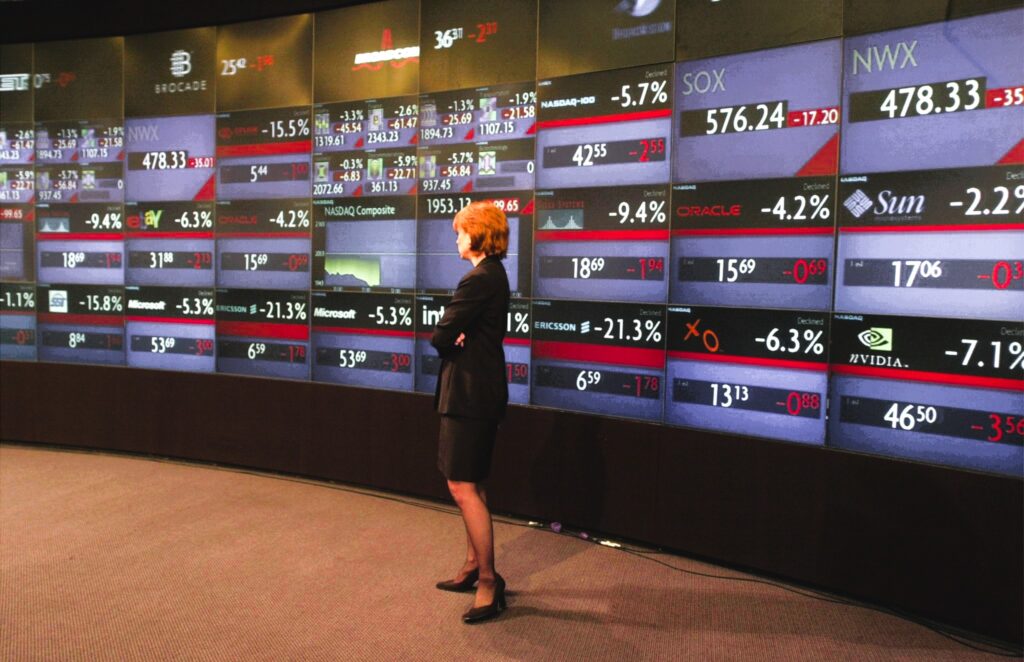
While the reported security incidents were raising concerns about physical and digital infrastructure, technology markets experienced a separate shock.
On November 5, major technology stocks suffered a sharp selloff. The Nasdaq fell significantly, while the semiconductor index briefly lost around 11%.
Reuters reported that the Nasdaq experienced its biggest daily decline in 19 months. The market turmoil wiped an estimated $2.5 trillion from the combined market value of Nasdaq-listed companies, according to the report.
The selloff reflected growing investor anxiety about the technology sector, particularly companies associated with artificial intelligence.
Why Were Investors Selling?
Several concerns were affecting investor confidence.
1. AI Valuations
Investors had placed enormous expectations on artificial intelligence companies. Some began questioning whether anticipated profits could justify the high prices of technology shares.
2. Massive Data Centre Spending
Artificial intelligence requires powerful chips, electricity, cooling systems and enormous data centres.
Investors are increasingly examining whether the money being spent on this infrastructure will generate sufficient returns.
3. Political and Regulatory Uncertainty
Debates in the United States concerning data centres, energy consumption, environmental effects and AI regulation have added uncertainty to the sector.
4. Semiconductor Market Pressure
Chipmakers benefited from strong demand during the AI boom. However, when investors begin questioning future growth, even successful companies can experience significant share-price declines.
On November 12, AI stocks faced another period of volatility following news concerning Nvidia’s leadership. This added to the market’s sensitivity towards developments involving major technology companies.
Does This Mean a Global Financial Crisis Is Emerging?
Not on the evidence of this selloff alone.
A sharp decline in technology shares does not automatically mean the entire global economy is collapsing. Markets fluctuate as investors reassess company valuations, expected profits and political or economic risks.
Nevertheless, the scale of the technology selloff matters.
Technology companies influence employment, investment, pension funds, business expenditure and economic growth. Sharp market movements can therefore affect people who do not directly own technology stocks.
The possible consequences include changes in retirement savings, investment accounts, employment opportunities and business confidence.
Crucially, there is no established evidence connecting this market selloff to the cyber incidents discussed in this article. It should be understood as a separate financial development.
7. Microsoft Outage: When the Digital Office Goes Silent
On November 12, 2026, Microsoft experienced a major service outage affecting Outlook, Teams, Microsoft 365, Copilot and services connected to Exchange Online.
The disruption reportedly continued for more than 12 hours and affected users across different regions.
For millions of people, the consequences were immediate.
Emails could not be sent reliably. Online meetings were interrupted. Calendars became difficult to access, while businesses and public institutions struggled to maintain routine communications.

Which Organisations Were Affected?
The reported disruption extended beyond ordinary office workers.
Reports described problems affecting:
- Government departments: Public institutions in several countries experienced email and communication difficulties.
- Healthcare services: The UK’s National Health Service was among the organisations affected.
- Police services: London’s Metropolitan Police also experienced disruption.
- Businesses: Companies struggled to manage email, meetings and other digital operations.
- Technology companies: Some services relying on Microsoft 365 connections experienced problems, including connectors used by OpenAI and Anthropic.
Some organisations reportedly turned to backup systems, paper records and even fax machines to continue essential work.
This illustrates an important weakness in modern digital operations: organisations may have advanced technology but still need alternative procedures when their primary systems become unavailable.
Was Microsoft Hacked?
According to the latest public reporting cited in the article, Microsoft said it had no indication that the outage was caused by malicious activity.
The company described server-related problems and worked to restore affected services.
The distinction is essential.
The Microsoft outage occurred close to several reported cyber incidents, but timing alone does not establish a connection. There is no confirmed evidence that hackers caused the Microsoft disruption or that it formed part of the refrigeration attacks, flight threats or Ukrainian alert incident.
Unless further evidence changes that assessment, the outage should be treated as a technical reliability problem rather than a confirmed cyberattack.
Why Can One Company’s Outage Affect So Many Organisations?
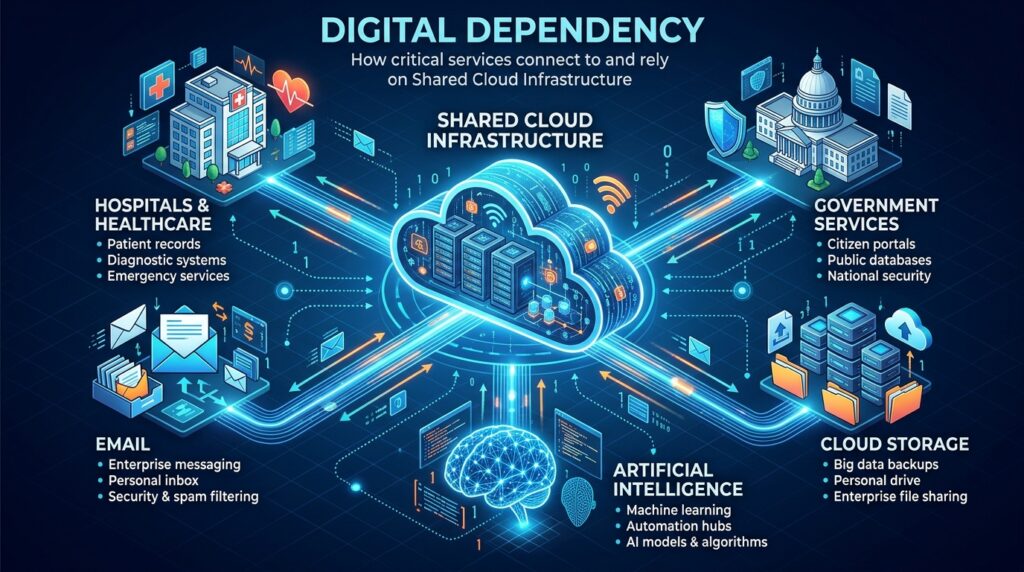
The underlying issue is digital concentration.
Many organisations depend on a relatively small number of technology providers for email, file storage, online meetings, cloud computing and business applications.
This arrangement can reduce costs and simplify operations. However, it also creates shared points of failure.
If a major provider experiences a serious disruption, thousands of organisations may face problems simultaneously.
A small business may lose access to its email. A government department may struggle to communicate. A hospital may need alternative procedures, while an international company may experience delays across several offices.
Cloud technology is not inherently unsafe. The greater concern is relying on essential services without sufficient independent backup arrangements.
8. Are These Incidents Part of One Coordinated Campaign?
This is the central investigative question.
The timing is striking. Supermarket refrigeration attacks, military freezer investigations, false aircraft bomb threats, fake emergency alerts, financial market turbulence and a major Microsoft outage have all appeared within a relatively short period.
However, a responsible investigation must distinguish between confirmed facts, official allegations, reasonable possibilities and unsupported conclusions.
What Is Known, Suspected and Still Unproven?
| Incident | What is currently known | What remains uncertain |
|---|---|---|
| French supermarket refrigeration attack | France officially attributed the October incident to an Iran-linked cyber unit. | The allegation has not been established through a criminal conviction. |
| European refrigeration incidents in November | More than 115 stores were reportedly affected. | Whether the same actors were responsible remains unclear. |
| US military freezer failures | Investigators are examining possible cyber interference. | No confirmed link to the European incidents. |
| European flight bomb threats | Dozens of flights faced hoax threats and disruptions. | The perpetrators and any common organiser remain unknown. |
| Ukrainian emergency alert incident | False notifications were distributed through a widely used application. | The full identity and responsibility of the attackers remain unresolved. |
| Technology stock selloff | Investors reacted to AI valuations and wider technology-sector concerns. | No evidence connects the market movements to the cyber incidents. |
| Microsoft outage | Major Microsoft services experienced a technical disruption. | Microsoft reported no indication of malicious activity. |
The available evidence, therefore, does not establish a single coordinated operation.
However, the incidents raise a wider question about the changing nature of national security.
What Does Hybrid Warfare Mean?
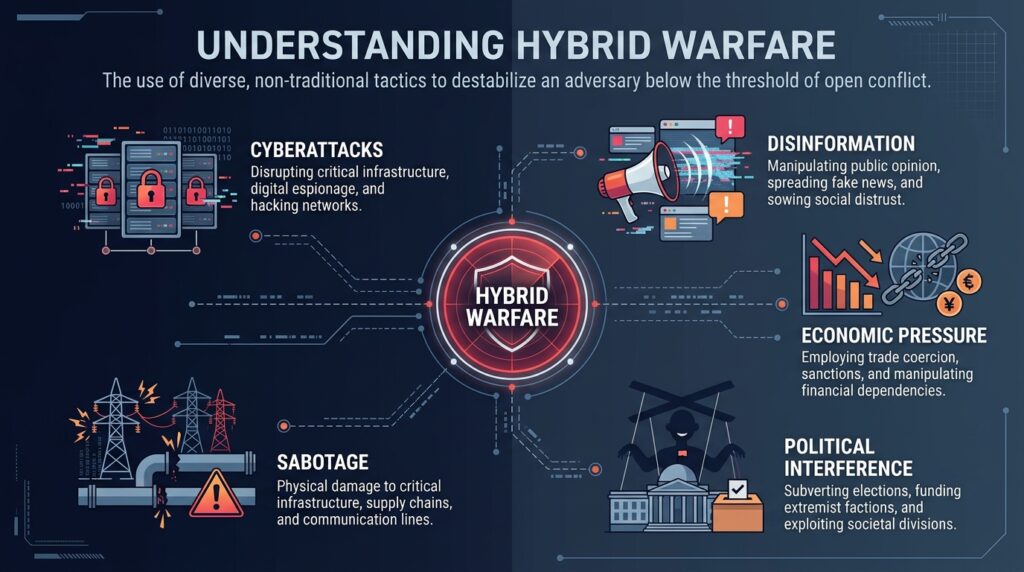
Hybrid warfare is a broad term describing the use of different methods to weaken, pressure or destabilise another country.
These methods can include cyberattacks, disinformation, economic pressure, political interference, sabotage and other forms of disruption.
The objective may not be to defeat an opponent through conventional military force. Instead, the intention may be to increase uncertainty, damage public confidence, raise economic costs or weaken institutional credibility.
For example, a hostile actor might seek to disrupt food distribution, manipulate emergency warnings or interfere with public services.
But the term must be used carefully.
A technical failure is not automatically sabotage. A market correction is not automatically economic warfare. A bomb hoax is not automatically the work of a foreign government.
Investigators need evidence before separate events can responsibly be attributed to a common strategy.
The French attribution is significant, but it does not establish that every other incident discussed here originated from the same source.
9. Who Is Investigating These Incidents?
Several national and international agencies are involved in the investigations reported so far.
France
French authorities have involved specialised intelligence, cybersecurity and law-enforcement organisations, including:
- DGSI: France’s domestic security and intelligence service.
- ANSSI: France’s national cybersecurity agency.
- DGSE: France’s external intelligence service.
- Cybercrime investigators: Police and prosecutors examining digital evidence and possible criminal responsibility.
France has publicly attributed the October refrigeration incident to an Iranian-linked unit and announced legal steps against individuals it considers responsible.
United States
The investigations into military commissary freezer failures involve military and law-enforcement bodies, including:
- US Cyber Command: The military organisation responsible for cyberspace operations.
- Army Criminal Investigation Division: Investigating possible criminal activity involving Army facilities.
- Other relevant federal agencies: Potentially assisting with investigations into threats to commercial and critical infrastructure.
American investigators have also contacted French counterparts to examine possible similarities between the incidents.
European Countries
Police, intelligence services, aviation authorities and cybersecurity agencies are examining the flight threats and reported refrigeration incidents.
International cooperation is particularly important because cyber operations can cross national borders within seconds.
A message may originate in one country, pass through servers in another and reach an organisation thousands of miles away.
Identifying the actual individuals or groups responsible can therefore require extensive technical investigation and cooperation between jurisdictions.
10. Why Ordinary People Around the World Should Care
The incidents discussed here may initially appear to be separate stories about European supermarkets, American military stores, Ukrainian mobile alerts, financial markets and a US technology company.
Their consequences, however, can extend far beyond the locations where they occur.
Food Prices and Household Budgets
Disruption to food storage and distribution can increase retailers’ operating costs, create stock losses and place additional pressure on suppliers.
Depending on the scale and duration of the disruption, some costs may eventually reach consumers.
Healthcare and Medicine
Hospitals and pharmaceutical companies depend on reliable refrigeration for certain medicines, vaccines, blood products and laboratory materials.
Failure of temperature-controlled storage can become a patient-safety issue rather than simply an operational inconvenience.
Travel and Family Life
False bomb threats can delay flights, disrupt holidays, separate families and increase airline operating expenses.
Employment and Business Continuity
Cloud service outages can prevent employees from accessing email, documents and business applications.
Small businesses may be particularly vulnerable because they often have fewer resources for maintaining alternative systems.
Savings and Retirement Funds
Sharp stock-market movements can affect investment accounts and pension funds, particularly where portfolios have significant exposure to technology shares.
Public Confidence and Social Stability
False emergency alerts and repeated disruptions can weaken public confidence in institutions.
When people cannot distinguish genuine warnings from fabricated messages, society becomes more vulnerable to confusion and panic.
The wider lesson is that digital resilience is no longer simply a technical concern. It is connected to economic security, public safety and the everyday well-being of ordinary citizens.
11. What Should Governments and Businesses Do?
The reported incidents demonstrate that cybersecurity cannot remain the responsibility of IT departments alone.
It must become an essential part of national security, business planning and public safety.
Protect Physical and Industrial Systems
Organisations should secure refrigeration, water, energy, transport and industrial control systems.
Equipment connected to the internet needs strong access controls, regular security assessments, software updates and continuous monitoring.
Reduce Dependence on a Single Provider
Businesses and public institutions should avoid relying entirely on one cloud provider or communication platform for essential operations.
Independent backup arrangements should be practical, tested and accessible during emergencies.
Prepare for Manual Operations
Hospitals, supermarkets, airports and government departments need clear procedures for continuing essential work during digital failures.
Backup plans must be operational, not merely documents stored on inaccessible computer systems.
Improve International Cooperation
Cyber threats cross national borders. Governments need to share technical evidence, investigate criminal networks and cooperate on appropriate legal action.
Protect Public Emergency Information Systems
Emergency alert applications and public communication platforms require strong security controls.
Authorities should also maintain trusted alternative channels for issuing genuine warnings if their primary communication systems are compromised.
Conclusion: Resilience in a Connected World
The recent incidents reveal a difficult reality about modern life.
A supermarket freezer can become a cyber target. A false message can disrupt passenger flights. A compromised emergency application can frighten an entire city. Financial market volatility can affect household savings, while a technical failure at a major technology provider can interrupt the daily operations of organisations across the world.
These events do not prove that one hidden force is directing a coordinated global campaign. The available evidence does not support that conclusion.
What they do demonstrate is a shared vulnerability: modern society has become increasingly dependent on interconnected digital systems, while its arrangements for dealing with their failure have not always kept pace.
Technology has made life faster, easier and more productive. But efficiency without resilience can create serious weaknesses.
The real test of a modern society is not simply whether it can develop advanced technology. It is whether it can maintain essential services when that technology fails.
The future will belong not merely to the most connected countries and companies, but to those capable of remaining resilient when the connection disappears.
Purpose of This Article
This article examines reported cyber incidents, security disruptions, financial market volatility and the Microsoft service outage to explain their wider significance. It distinguishes confirmed developments from official allegations and unproven connections, while exploring the importance of digital resilience for ordinary people and essential services.
Frequently Asked Questions
1. Were all the recent incidents part of one global attack?
There is no confirmed evidence that these incidents were coordinated by one organisation. Some involve suspected state-linked activity, while others remain unresolved. Microsoft has reported no indication that its outage resulted from malicious activity.
2. Who did France accuse of hacking supermarket refrigeration systems?
France attributed the October 2026 attack to Shahid Kaveh, a cyber unit associated with Iran’s Islamic Revolutionary Guard Corps. Iran rejected the accusation. An official attribution is not the same as a criminal conviction.
3. Were US military freezer failures connected to the French supermarket attacks?
US investigators are examining the military freezer failures as possible cyberattacks and have contacted French counterparts. However, no confirmed connection has been established.
4. Who was responsible for the false bomb threats against European flights?
The perpetrators have not been publicly identified. Authorities have considered possibilities including individual actors, copycat activity, organised groups and potential state-linked operations.
5. Was Microsoft’s November 2026 outage caused by hackers?
Microsoft said it had no indication of malicious activity. Public reporting described server-related problems affecting Microsoft 365, Outlook, Teams and connected services. It should not be described as a confirmed cyberattack.
6. How can ordinary people protect themselves from these disruptions?
Use strong, unique passwords and multi-factor authentication, keep devices updated, follow official emergency information and maintain alternative ways to contact family and colleagues. Organisations should also establish and regularly test backup arrangements.
References and Further Reading
- Reuters: Reporting on the November 2026 Microsoft 365 outage and its impact on businesses and public institutions.
- Associated Press: Coverage of European flight bomb hoaxes and uncertainty surrounding those responsible.
- Reuters: French officials’ attribution of the October supermarket refrigeration attacks.
- Le Monde: Investigation into France’s accusation against the Iranian-linked Shahid Kaveh unit.
- Reuters: Reporting on suspected cyberattacks involving US military commissary freezers.
- Al Jazeera: Analysis of cyberattack risks involving connected refrigeration systems.
- Reuters: Reporting on the November 2026 technology stock selloff and concerns surrounding AI valuations.
- The Record: Reporting on the compromise of Ukraine’s Air Alert emergency application.
- Cloud Security Alliance: Research note on correlated risks affecting supermarket refrigeration systems.