After the US Midterms: Trump, Netanyahu and Iran’s Uncertain Future
After the US Midterms, Democrats’ midterm victory has changed Washington’s political balance. Discover what it means for Trump’s Iran war, Netanyahu, nuclear negotiations and Middle East security.
https://mrpo.pk/trump-after-the-midterms/
Introduction: America’s Election Has Changed the Equation, But Has It Changed the War?
An election can change a government’s political strength overnight. Ending a war, however, is considerably more complicated.
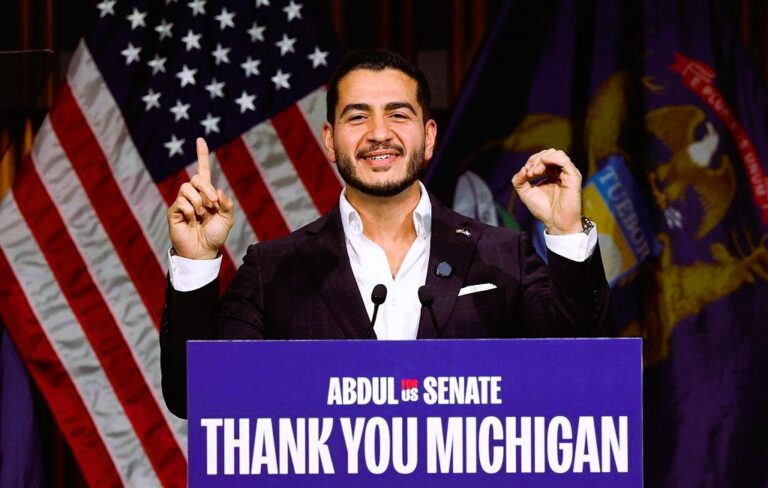
On November 3, 2026, American voters delivered a major political setback to President Donald Trump. Democrats won control of both chambers of Congress, ending Republican dominance of the legislature and creating a new political challenge for the White House.
The result has particular significance for the ongoing US-Israeli confrontation with Iran. Trump has acknowledged that the Iran war contributed to Republican losses. Vice President JD Vance has gone further, directly identifying the conflict as the reason for the defeat. Yet Trump continues to defend his decision to attack Iran and has not ruled out renewed military action.
Meanwhile, Israeli Prime Minister Benjamin Netanyahu had reportedly urged Trump to resume military strikes immediately after the American elections. Trump initially preferred to allow negotiations more time.
Now the political circumstances have changed.
On November 8, Trump said renewed attacks were highly unlikely if negotiations made progress towards a strong agreement. On November 9, he was preparing to meet Qatar’s prime minister to discuss efforts to secure a new ceasefire and restart nuclear negotiations.
But there is another development that could influence the entire equation: Netanyahu himself is facing political uncertainty after Israel’s October 27 election. His principal rival, former military chief Gadi Eisenkot, has received the mandate to attempt to form a new government.
The result is an unusually complicated political situation involving three governments, two elections, competing military priorities and a fragile diplomatic process.
Has the American electorate effectively put the brakes on another major military campaign? Could Netanyahu lose his ability to influence Washington? And does Iran now have a genuine opportunity to negotiate an end to the conflict?
The answers require examining what has actually happened, what remains uncertain and what the next few weeks could mean for the region and the global economy.
Purpose of This Article
This investigation examines the post-election political and military situation as of November 9, 2026. It assesses the implications of Democratic control of Congress, Trump’s changing public position, Netanyahu’s political difficulties, Iran’s negotiating demands and the emerging diplomatic role of Qatar and other regional countries.
It also examines the constitutional limitations on presidential military authority, the continuing risks around the Strait of Hormuz and the possible consequences for countries such as Pakistan.
1. The November 3 Election: A Major Defeat for Trump
According to the Associated Press, Democrats secured control of the Senate on election night and the House during the early hours of November 4.
The result represents a substantial reversal of the political balance that existed before the election.
What changed?
| Institution | Previous position | Post-election outcome |
|---|---|---|
| House of Representatives | Republican majority | Democratic majority |
| Senate | Republican majority | Democratic majority |
| Presidency | Donald Trump | Donald Trump remains president |
| Congressional oversight | Republican-controlled | Democratic-controlled from January 2027 |
The Senate result involved a net Democratic gain of at least seven seats, giving Democrats a projected majority of at least 54 seats, including their independent caucus partners, according to election reporting. Some individual races remained unresolved in the initial counts.
In the House, Democrats also achieved substantial gains, with final seat totals still being counted. This is more than an ordinary midterm setback.
It means Trump will face a legislature controlled by the opposition during the final two years of his presidency.
Why Did Republicans Lose?
The election cannot be explained by a single issue. Several factors contributed:
-
Rising living costs and dissatisfaction with household finances.
-
Concerns about inflation and fuel prices.
-
Public frustration with the Iran war.
-
Questions about the administration’s economic performance.
-
Opposition to the president’s handling of domestic and international affairs.
The cost of living was particularly important. CBS News reported that 89% of surveyed voters considered it a major or crucial factor in their voting decisions.
Trump’s approval rating was also reported at approximately 38% in the election coverage.
The political significance of the Iran conflict became even clearer when Trump acknowledged its contribution to the Republican defeat.
On November 4, he told interviewers that Iran was partly responsible for the election outcome. Nevertheless, he defended the military campaign, saying he had made the right decision and would do it again.
Vance subsequently attributed the defeat more directly to the war.
This disagreement within the administration is itself significant. It suggests that the political consequences of the war are no longer confined to opposition criticism.
2. The Iran War: How Did We Reach This Point?
To understand the present situation, we need to revisit the conflict that began on February 28, 2026. The United States and Israel launched military strikes against Iran, targeting nuclear and military infrastructure.
The attacks killed Iran’s then-Supreme Leader Ali Khamenei and triggered extensive Iranian retaliation against Israeli and American-linked targets across the region. Iran also sought to use its geographical position around the Strait of Hormuz as strategic leverage.
The conflict subsequently expanded beyond its initial military objectives, involving regional security, commercial shipping, energy supplies and diplomatic relations.
The Congressional Research Service has described the conflict as an extended confrontation involving military attrition, economic pressure and unresolved disputes over nuclear activities, sanctions and maritime security.
From ceasefire to renewed confrontation
The conflict has not followed a straightforward progression from war to peace.
-
February 28: US and Israeli military operations against Iran began.
-
April: A ceasefire temporarily reduced large-scale fighting, but negotiations failed to produce a durable settlement. The United States subsequently imposed a naval blockade on Iranian ports.
-
June: A memorandum of understanding offered a framework for ending hostilities and pursuing a broader agreement.
-
August: The agreement collapsed amid renewed fighting.
-
September–October: The conflict increasingly resembled a war of attrition, with military pressure, maritime restrictions and diplomatic activity continuing simultaneously.
-
November: Renewed strikes were being considered, but the US election results and intensified mediation have changed the immediate political calculations.
The earlier ceasefire and June agreement did not resolve the fundamental disagreements.
As of November 9, the conflict remains unresolved. There is no comprehensive peace agreement, and military confrontation has not entirely stopped.
3. Trump After the Election: From Threatening Strikes to Giving Diplomacy Another Chance
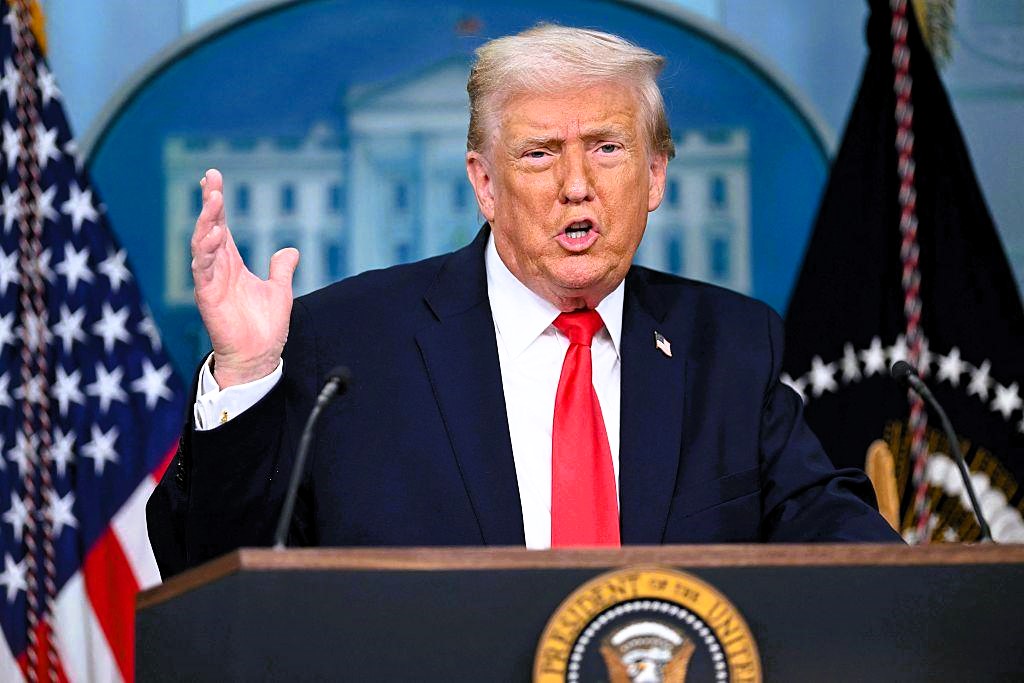
The election results have complicated that strategy.
On November 8, Trump told CNN that he was highly unlikely to order fresh attacks if negotiations continued to make progress towards a strong agreement.
However, he also warned that American forces had identified additional infrastructure targets, including 38 bridges, should military operations resume.
This is not an unconditional commitment to peace. It is better understood as a conditional preference for diplomacy backed by continued military readiness.
Three messages are emerging from Trump’s statements
First: The political cost of war is becoming difficult to ignore. Trump has acknowledged that the conflict contributed to the Republican defeat. Another escalation could further damage his domestic political standing.
Second: The administration still wants strategic concessions from Tehran. Trump is not offering to end the conflict without conditions. His administration continues to demand a strong agreement addressing its security concerns.
Third: Military pressure remains part of the negotiating strategy. The identification of additional targets and the continuation of military preparations demonstrate that Washington has not abandoned the possibility of further attacks.
There is also a new American initiative worth watching.
Task Force Iron Gate: Pressure Beyond the Battlefield
On November 8, Trump announced that Task Force Iron Gate was operational.
According to Reuters, the initiative is intended to restrict Iran’s movement of advanced weapons, sanctioned materials and other strategically important goods through land borders and the Caspian Sea. It expands American pressure beyond the naval blockade of Iranian ports. This matters because Washington may now be pursuing a strategy that combines:
-
Naval restrictions.
-
Financial and economic sanctions.
-
Interdiction of military-related supplies.
-
Diplomatic pressure.
-
The continuing threat of renewed airstrikes.
In other words, even if large-scale bombing is avoided, the confrontation could continue through economic and strategic restrictions.
4. Netanyahu’s Position: Is Israel Losing Its Political Leverage?
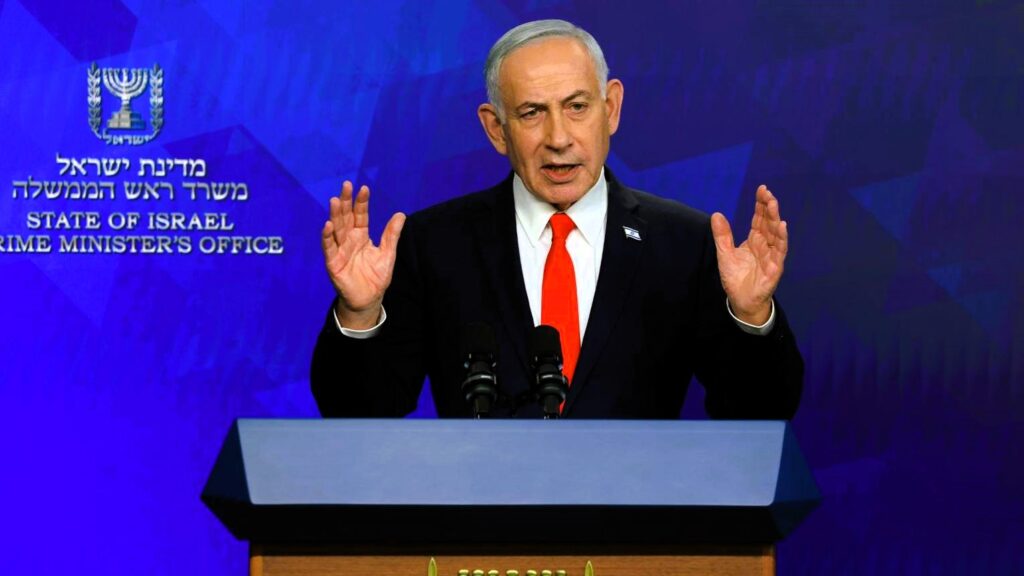
An Axios report published November 1, based on American and Israeli sources, said Netanyahu had urged Trump to resume strikes immediately after the US midterms.
The report described a difference between the two leaders: Netanyahu wanted military action, while Trump preferred to allow negotiations more time.
The Israeli government and White House did not publicly confirm the reported details.
Israel considers Iran’s nuclear capabilities, missile programme and regional military relationships serious threats. However, military action has its limitations.
Destroying infrastructure does not necessarily eliminate technical knowledge, scientific expertise, underground facilities or the political determination to rebuild military capabilities. Nor does it guarantee that Iran will abandon its nuclear ambitions or its regional relationships.
A further campaign could therefore weaken Iranian capabilities without producing a lasting political settlement.
Netanyahu’s own political difficulties have now intensified
The developments in Israel are particularly significant. In the October 27 election, Netanyahu’s Likud party emerged as the largest individual party with 27 seats, but his broader political bloc secured only 53 seats in the 120-member Knesset.
The opposition grouping secured 48 seats, while Arab-led parties won 19. A government requires parliamentary support from at least 61 members.
On November 8, Israeli President Isaac Herzog formally tasked former military chief Gadi Eisenkot with attempting to form a government. Eisenkot has 28 days, with a possible additional 14-day extension, to assemble a governing coalition.
His options remain complicated because potential coalition partners disagree over cooperation with Arab-led parties and the composition of a possible national unity government.
This is a major political setback for Netanyahu, although he remains prime minister while the government formation process continues. The important distinction is that Netanyahu’s political future is now uncertain, not that he has already lost office.
Could a new Israeli government change the Iran strategy?
Not necessarily. Iran is viewed as a major security concern across much of Israel’s political spectrum.
Reuters analysis before the Israeli election suggested that the country’s broader security doctrine could remain focused on confronting Iran regardless of which political bloc formed the next government. The main difference may be the degree of reliance on military force, the willingness to negotiate and the relationship with Washington.
A change of prime minister could alter the diplomatic style and political calculations without necessarily producing a complete reversal of Israeli policy towards Iran.
5. Iran’s Diplomatic Opportunity: What Is Tehran Offering?
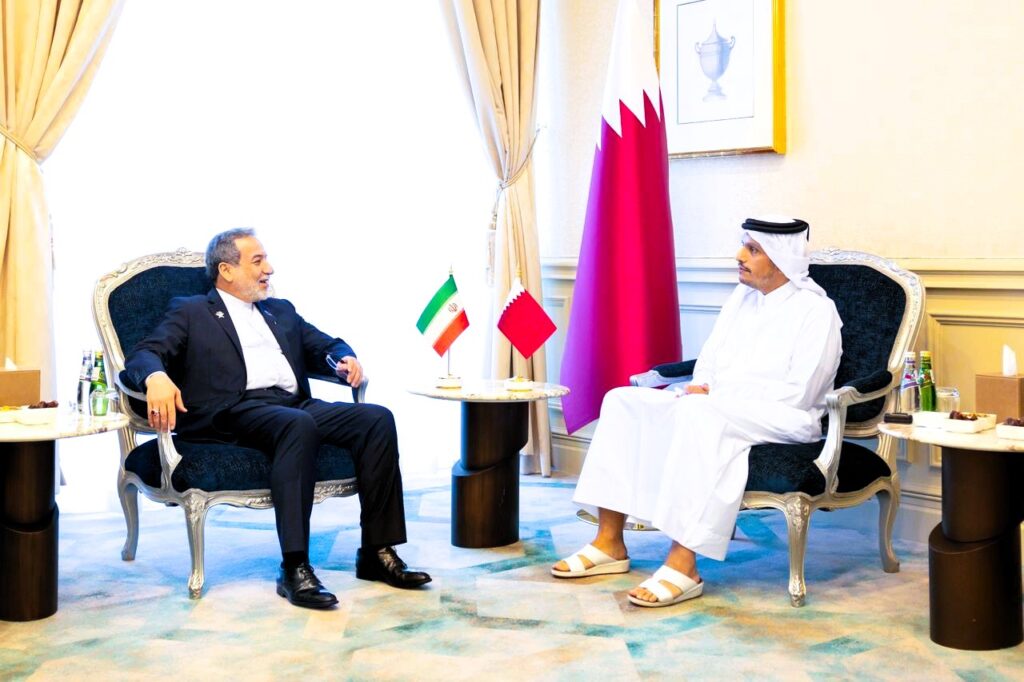
According to an Axios report updated November 9, mediators have been discussing a proposed two-day confidence-building arrangement.
The proposal is particularly important because it attempts to address the immediate maritime confrontation before tackling the more complicated nuclear disagreements.
What does the proposed arrangement involve?
Day One: Initial confidence-building measures
-
The United States would lift its naval blockade.
-
Washington would release some Iranian frozen funds.
-
Iran would formally invite the International Atomic Energy Agency to inspect bombed nuclear facilities.
Day Two: Maritime normalisation
-
The Strait of Hormuz would reopen.
-
Broader nuclear negotiations would resume.
-
Discussions would focus on Iran’s stockpile of highly enriched uranium.
This is a proposal under discussion, not an agreement that has already been accepted by both governments.
What does Iran want?
Iranian Foreign Minister Abbas Araghchi said Tehran was awaiting an American response to its latest proposal.
Reported Iranian demands include:
-
An end to hostilities across the conflict’s various fronts.
-
Relief from economic sanctions.
-
Access to frozen Iranian financial assets.
-
Compensation or reparations for wartime damage.
-
An end to the American naval blockade.
Iran also wants the nuclear question addressed within a broader settlement rather than treated as an isolated demand for unilateral concessions.
Washington, meanwhile, wants meaningful nuclear restrictions and access for international inspectors.
The nuclear stockpile remains a major obstacle
One of the most difficult questions concerns Iran’s highly enriched uranium.
The United States wants credible verification and restrictions that prevent Iran from moving towards nuclear weapons capability.
Iran rejects the idea that it should simply surrender its strategic nuclear leverage without reciprocal concessions.
The International Atomic Energy Agency’s role will therefore be crucial.
Any agreement would need to establish:
-
Access to relevant nuclear facilities.
-
Independent verification of nuclear material.
-
A clear understanding of enrichment restrictions.
-
Monitoring arrangements.
-
A mechanism for responding to violations.
Without verification, political promises alone are unlikely to produce a durable agreement.
It is also important to distinguish between possessing highly enriched uranium and possessing an assembled nuclear weapon. They are not the same thing.
6. Qatar and Pakistan: Can Regional Diplomacy Prevent Another War?
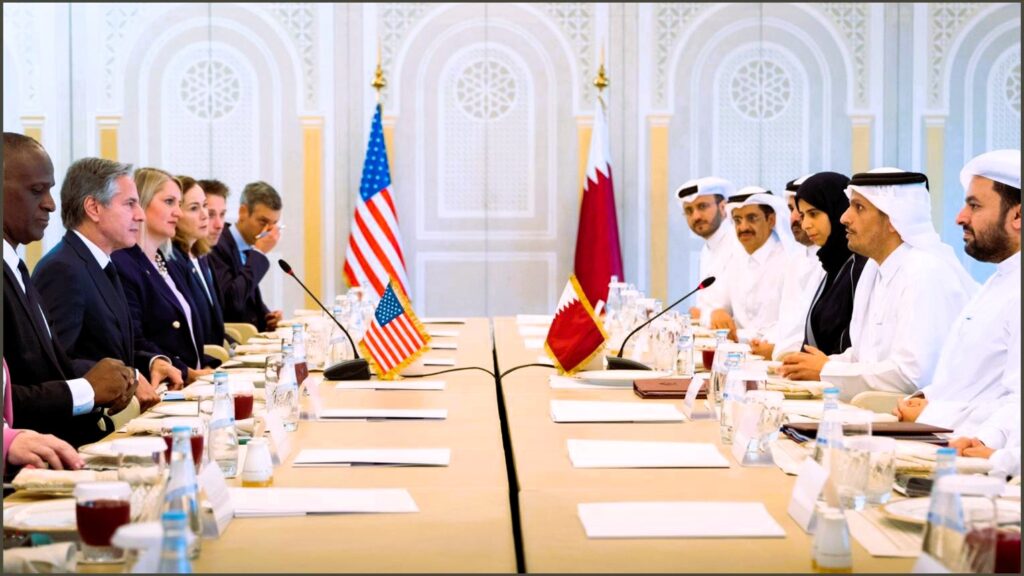
Qatar has maintained communication with Washington and Tehran, helping transmit proposals and explore possible compromises.
On November 9, Trump was scheduled to meet Qatari Prime Minister Sheikh Mohammed bin Abdulrahman Al Thani at the White House to discuss a possible new ceasefire and the resumption of nuclear negotiations.
Vice President JD Vance was also expected to meet the Qatari leader. Axios reported that Vance had personally participated in indirect discussions with Iran over the preceding two weeks.
Pakistan’s diplomatic importance
Pakistan’s involvement deserves particular attention.
Pakistan has already played a role in earlier mediation efforts during the conflict, including the process that produced the June memorandum of understanding.
Its geographical position, relations with Iran and established diplomatic contacts with Gulf countries provide it with a potentially useful role.
Pakistan also has strong reasons to prevent a wider confrontation:
-
Its economy is vulnerable to imported energy prices.
-
It shares a long border with Iran.
-
Regional instability could affect border security.
-
A prolonged conflict could disrupt trade and investment.
-
Further escalation could create pressure on Pakistan’s diplomatic relations with competing regional partners.
Pakistan should therefore support a negotiated settlement that respects Iranian sovereignty, protects regional security and addresses legitimate international concerns over nuclear proliferation.
Why Qatar’s role matters
Qatar has diplomatic relationships with both Western governments and regional actors. Its mediation could help establish a sequence in which both sides make limited concessions without appearing to surrender their principal positions. However, mediation cannot overcome fundamental disagreements by itself.
The United States and Iran must ultimately agree on the terms of a settlement.
7. The Strait of Hormuz: The World’s Economic Pressure Point
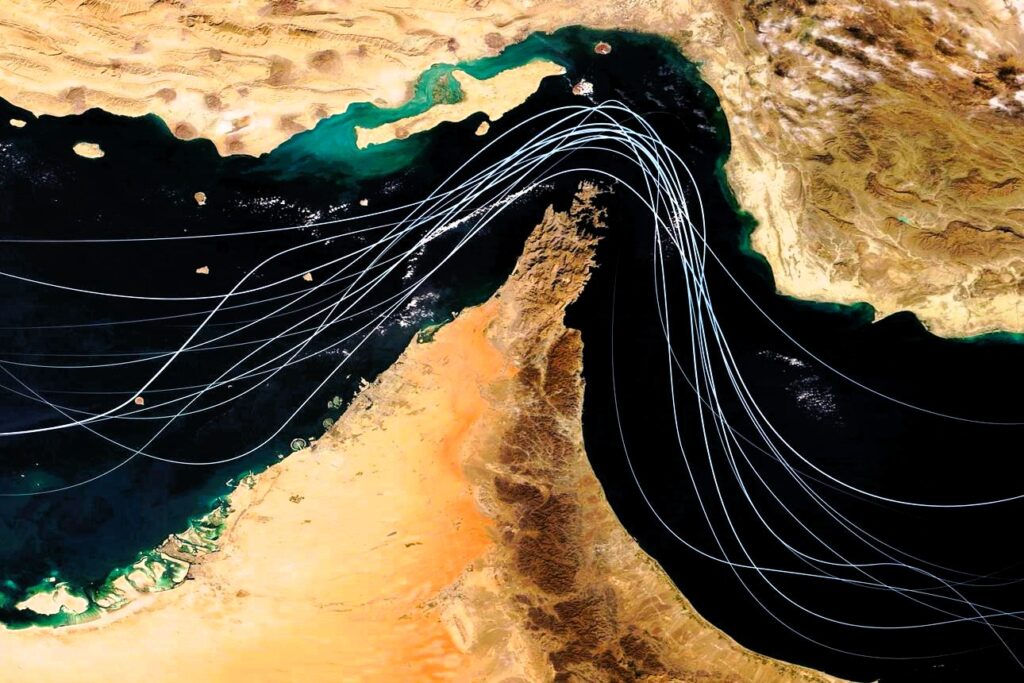
A substantial share of internationally traded oil and liquefied natural gas passes through this narrow waterway. The conflict has produced a dangerous combination of Iranian maritime threats and American restrictions on shipping connected with Iranian ports.
What happened in the latest maritime incidents?
On November 8, Reuters reported that Iran’s Revolutionary Guards said two oil tankers had hit mines while attempting to pass through the Strait of Hormuz. Another vessel was also reported to have caught fire.
The US military separately confirmed that it had disabled a commercial vessel in the Gulf of Oman that it said was attempting to breach the blockade.
Reuters said it could not independently confirm all the reported vessel strikes.
These incidents demonstrate that maritime insecurity remains a serious obstacle to normal international trade.
Why does this matter to the global economy?
A prolonged disruption could affect:
-
International oil supply.
-
Liquefied natural gas shipments.
-
Shipping insurance premiums.
-
Freight and transport costs.
-
Industrial production.
-
Food and agricultural supply chains.
-
Inflation in energy-importing countries.
The consequences would not be limited to countries directly involved in the conflict. Asian economies, particularly those dependent on imported energy, could face substantial pressure. Europe could also experience higher energy and transport costs.
8. What Can Democrats Actually Do to Restrict Trump’s Military Policy?
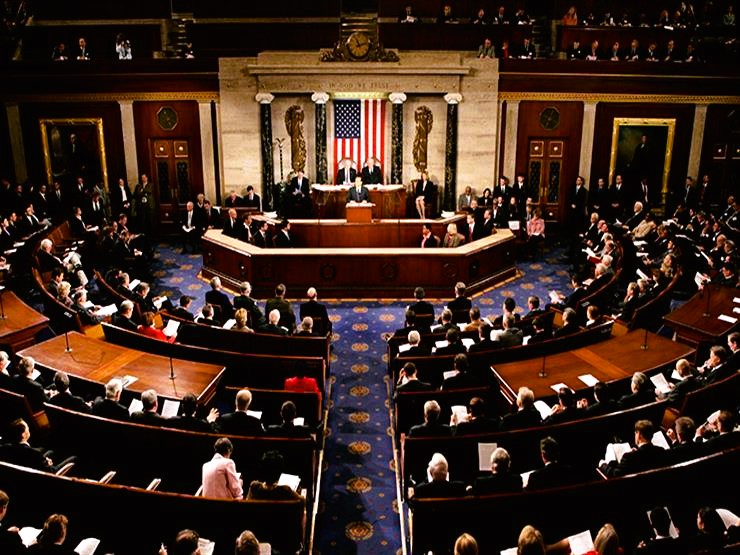
Democratic control of both chambers is politically significant, but it is important not to exaggerate what the election has achieved.
Trump remains president and commander-in-chief. The American constitutional system divides military authority between the executive and legislative branches. The president directs the armed forces, while Congress possesses important powers over declarations of war, legislation, appropriations and oversight.
A. The War Powers Resolution
The War Powers Resolution of 1973 was designed to establish greater congressional involvement in decisions involving American military forces. It requires the president, in relevant circumstances, to consult Congress and generally submit a report within 48 hours of introducing American forces into hostilities.
It also establishes a general 60-day period for military operations without congressional authorisation, with a possible additional 30 days for the specified withdrawal-related military necessity. The law’s interpretation and constitutional application have remained disputed between presidents and Congress. Democrats could use the new congressional majority to demand:
-
A clear explanation of the war’s objectives.
-
Legal justification for continued military operations.
-
Regular intelligence briefings.
-
A detailed account of military expenditure.
-
Congressional consideration of further authorisation.
B. Military Funding and Appropriations
Congress controls federal spending. A Democratic-controlled Congress could resist additional funding for offensive military operations against Iran or seek to impose conditions on future appropriations.
However, this would require legislation and negotiation through the normal constitutional process. It would not automatically stop operations already supported by available funding or other lawful authorities.
C. Investigations and Oversight
Democratic-controlled committees could investigate the administration’s decisions.
Possible subjects include:
-
The original decision to attack Iran.
-
The intelligence assessments used to justify military action.
-
The actual results of military operations.
-
The financial cost to American taxpayers.
-
The risks to American personnel.
-
The influence of Israeli military requests on American policy.
-
The administration’s diplomatic alternatives.
Such investigations could impose substantial political pressure on the White House.
D. Senate Confirmation Powers
A Democratic Senate could also scrutinise presidential appointments and delay or reject nominees requiring Senate confirmation. This would affect the administration’s ability to staff important government positions.
However, congressional control does not transfer operational command of the American military to Democrats.
An Important Constitutional Reality
A president can veto legislation restricting military operations. Overriding that veto normally requires a two-thirds majority in both chambers.
Democrats therefore have considerable tools to challenge Trump’s policy, but they do not have an automatic mechanism to prevent every presidential military decision. The distinction between political control and constitutional authority is essential to understanding what happens next.
9. Why January 3, 2027, Still Matters
One important detail remains relevant even after the election. The newly elected Congress does not take office immediately. The new congressional session begins on January 3, 2027.
This creates a transition period during which the outgoing Republican-controlled Congress remains in office.
| Date | Political development |
|---|---|
| November 3–4, 2026 | Democrats win control of both chambers |
| November 9 onward | Trump faces the political consequences and negotiations continue |
| November–December 2026 | The outgoing Congress remains in office |
| January 3, 2027 | The newly elected Congress takes office |
| January 2027 onward | Democrats exercise their new congressional majority |
This does not mean Trump is legally free to do anything he wants until January. His constitutional responsibilities, statutory obligations and existing legal constraints continue to apply.
However, the political and institutional balance will become more challenging for his administration once the new Congress begins. The transition period, therefore, remains important, particularly if negotiations fail and military escalation returns to the agenda.
10. Three Possible Outcomes: What Happens Next?
The situation is changing rapidly, but three broad scenarios deserve attention.
Scenario One: A Negotiated Ceasefire and Nuclear Agreement
Both sides subsequently negotiate a broader agreement covering enrichment, sanctions, verification and regional security.
Israel would need to decide whether it could accept an agreement that limits Iran’s capabilities without eliminating them completely.
Potential consequences:
-
Reduced risk of renewed US-Iran strikes.
-
Improved international shipping conditions.
-
Lower geopolitical pressure on energy markets.
-
Greater opportunity for diplomatic engagement.
-
Reduced immediate economic pressure on developing countries.
However, a ceasefire would not automatically resolve every regional dispute.
Scenario Two: Continued Economic Pressure Without Major Airstrikes
Potential consequences:
-
Continued instability in the Strait of Hormuz.
-
Uncertainty in international oil markets.
-
Further pressure on Iranian economic activity.
-
Continuing tensions between Washington and Tehran.
-
No comprehensive peace settlement.
This scenario could continue for months without producing a decisive military outcome.
Scenario Three: Renewed Military Escalation
Israel could participate directly, particularly if its government concludes that Iran is rebuilding strategically important capabilities. Iran has warned that renewed attacks would provoke retaliation. Potential targets and consequences could extend beyond the original battlefield.
Potential consequences:
-
Attacks against Israeli and American-linked military assets.
-
Further disruption of shipping.
-
Increased risks to Gulf infrastructure.
-
Higher international energy prices.
-
Greater danger of regional escalation.
A renewed campaign might damage additional Iranian military infrastructure, but there is no guarantee that it would produce a stable political outcome.
11. The Most Important New Question: Is Netanyahu’s Political Future Changing the War?
The American election is not the only political event that could reshape the region.
Israel’s own election has produced a parliamentary deadlock.
Gadi Eisenkot now has the first opportunity to form a government, but his path to a majority is difficult.
If he succeeds, Netanyahu could leave office.
If he fails, Netanyahu may get another opportunity to form a government. Another election could also become necessary.
This creates several possibilities.
If Netanyahu remains prime minister, he may continue advocating a tougher military position towards Iran, although his political dependence on coalition partners could influence his decisions.
If Eisenkot forms a government, Israel could experience a change in political leadership and diplomatic style. However, a new government would still face the same fundamental security concerns.
If Israel enters another election, political uncertainty could complicate long-term military and diplomatic planning.
There is another consideration.
A prolonged confrontation with Iran could strengthen the political argument for national unity in Israel. Conversely, another war could deepen public dissatisfaction if military operations fail to produce lasting security.
Therefore, Netanyahu’s political difficulties should not be confused with an automatic change in Israeli military strategy.
The future government, whoever leads it, will have to balance security concerns, military capabilities, international relations and domestic political pressures.
12. What Should the International Community Watch Now?
The next several weeks will be particularly important. The following developments deserve close attention:
-
Trump’s meeting with Qatar: Does Washington accept the proposed confidence-building framework?
-
Iran’s nuclear proposal: Is Tehran willing to permit meaningful IAEA inspections?
-
The naval blockade: Can the United States agree to lift or modify restrictions?
-
The Strait of Hormuz: Do commercial vessels begin moving more freely?
-
Task Force Iron Gate: Does the initiative remain an economic enforcement operation or become part of a wider military strategy?
-
Israel’s government formation: Can Gadi Eisenkot assemble a governing coalition?
-
Congressional preparations: What military oversight and funding measures will Democrats pursue before January?
-
Energy markets: Do oil and shipping prices begin responding to credible diplomatic progress?
These indicators are more useful than political speculation about whether another attack is imminent.
Editor’s Perspective (EP)
There is a fundamental difference between protecting national security and allowing military confrontation to become a permanent instrument of foreign policy.
Israel has legitimate security concerns. Iran’s nuclear programme, missile capabilities and regional activities raise serious international questions. The United States also has legitimate interests in protecting its personnel, allies and international shipping.
But these concerns do not remove the need for proportionality, accountability, international law and diplomacy.
The American election has delivered an important reminder: foreign policy is not insulated from the everyday lives of ordinary people.
When a war increases fuel prices, disrupts trade, consumes public resources and puts military personnel at risk, its consequences eventually reach the voters who pay for it.
For countries such as Pakistan, the consequences are even more immediate. People already struggling with inflation and economic uncertainty have little capacity to absorb another international energy shock.
The responsibility of leadership is not simply to demonstrate the ability to wage war. It is to recognise when continued confrontation produces diminishing returns and when diplomacy offers a more sustainable outcome.
An ally’s security concerns deserve consideration, but they should not automatically become another country’s open-ended military obligations.
Similarly, Iran’s legitimate national interests cannot exempt it from international responsibilities concerning nuclear transparency and regional stability.
Peace is not achieved when one side runs out of weapons or the other runs out of patience. It is achieved when all sides recognise that a negotiated settlement offers a better future than another round of destruction.
Author
Maj Hamid Mahmood (Retired) holds an MA in Political Science, an LLB, and a Postgraduate Diploma in Human Resource Management (PGD-HRM). His academic and professional background supports his research-based writing on politics, law, governance, public policy, and global affairs.
Frequently Asked Questions
1. Did Democrats win control of both chambers of Congress in the 2026 US midterm elections?
Yes. Democrats won control of the House of Representatives and the Senate in the November 3 elections. The new congressional majorities will take office on January 3, 2027, creating a significant political challenge for President Trump.
2. Will Democratic control of Congress prevent Trump from attacking Iran?
Not automatically. Trump remains commander-in-chief and retains significant authority over military operations. However, Democrats can use congressional investigations, appropriations, legislation and War Powers procedures to challenge an extended military campaign.
3. Why does Netanyahu want the United States to resume attacks against Iran?
Netanyahu considers Iran’s nuclear programme, missile capabilities and regional military influence major security threats. Reports published before the American election indicated that he wanted Trump to resume military strikes. However, the Israeli government’s future leadership is now uncertain following the October election.
4. Is Trump abandoning military action against Iran?
There is no evidence of a permanent change in policy. On November 8, Trump said renewed strikes were highly unlikely if negotiations progressed towards a strong agreement. Nevertheless, American military preparations and economic pressure against Iran continue.
5. Can Qatar and Pakistan help negotiate an end to the Iran war?
Both countries have diplomatic opportunities to support negotiations. Qatar is currently a central intermediary between Washington and Tehran, while Pakistan has participated in earlier mediation efforts. Their involvement could help establish a ceasefire and facilitate negotiations over nuclear restrictions, sanctions and maritime security.
6. How could the Iran war affect Pakistan and the global economy?
Continued disruption around the Strait of Hormuz could increase oil prices, shipping insurance and international transport costs. Pakistan is particularly vulnerable because of its dependence on imported energy. Higher fuel prices could increase inflation, transport expenses, electricity costs and the price of essential commodities.
Editorial Research and Source References
The following sources provide the principal evidence for this updated analysis. They include international news reporting, official election information, government documents and specialist research.