
Israel’s Political Turning Point: Is Netanyahu Finally Losing Power?
Israel’s Political Turning Point: Israel’s political crisis deepens as Matan Kahana becomes Knesset Speaker. Can Gadi Eisenkot replace Netanyahu, and what will it mean for Palestinians?
https://mrpo.pk/after-the-us-midterms/
Purpose of the article
To investigate the political developments following the 2026 Israeli elections, examine Benjamin Netanyahu’s weakening parliamentary position, assess Gadi Eisenkot’s efforts to form a new government, and explore the implications for Arab citizens of Israel, Palestinians and international relations.
Israel faces political chaos as Netanyahu’s grip on power weakens. What will it take to end the disarray?
The wheels of Israel’s political machine are turning. But that doesn’t mean they’re going anywhere soon.
On paper, Eisenkot has a clear majority, with 67 of 120 seats in Israel’s legislature, the Knesset. But those seats come from six ideologically diverse parties, from right-wing to Arab parties. That’s the challenge that Eisenkot, a neophyte politician, must address as he aims for the premiership: how to make these parties cooperate to both support him and help him govern.
For decades, Netanyahu commanded the loyalty of the political parties within his bloc. Even if they challenged him, he was adept at managing the disagreements and holding his coalition together.
A parliamentary vote that could change Israel’s political future
For years, Benjamin Netanyahu appeared almost impossible to remove from Israeli politics. He survived political crises, repeated elections, public protests and serious disagreements within his own political alliances.
But on November 17, 2026, a significant development took place inside Israel’s parliament.
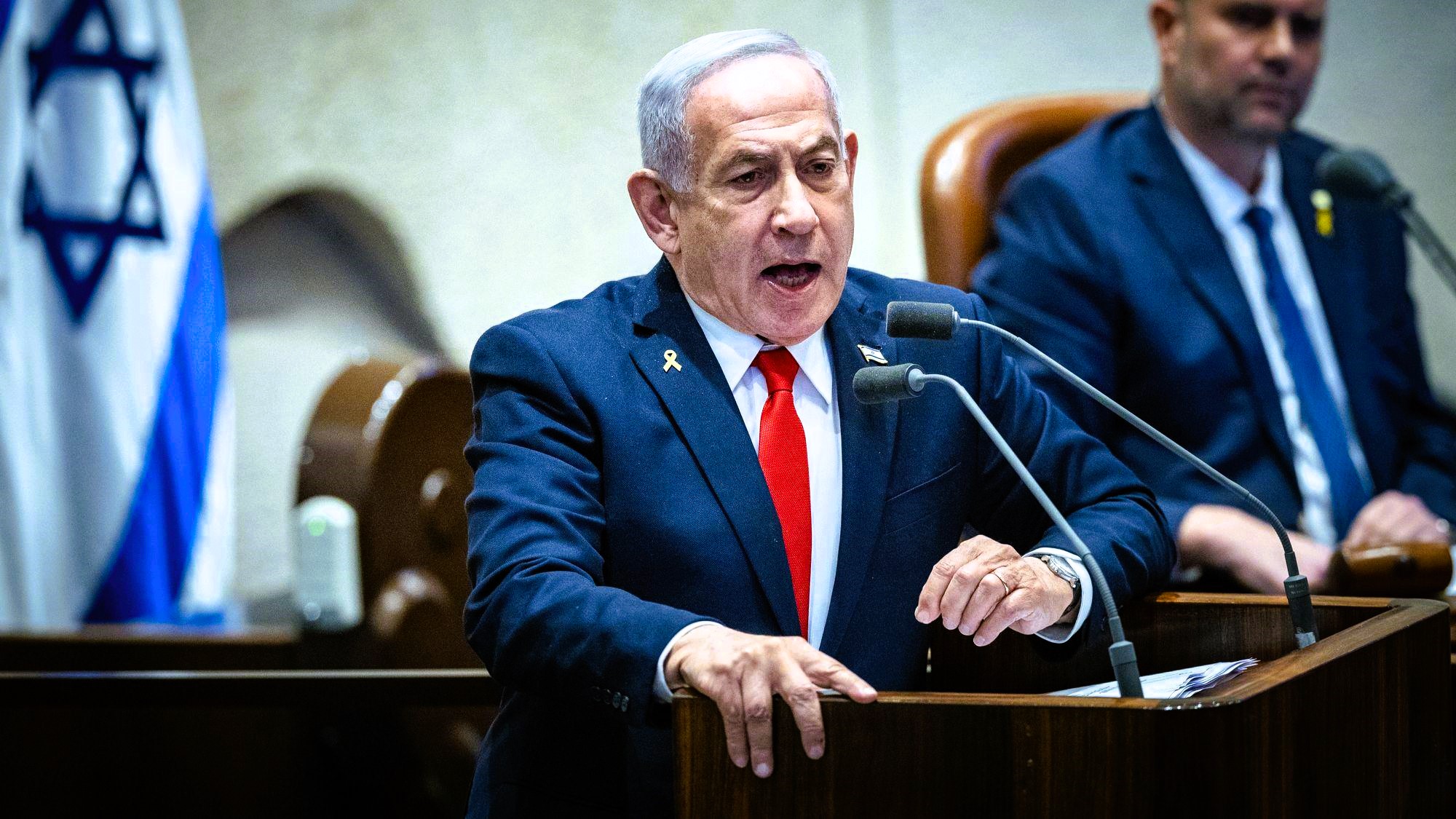
The Knesset elected Matan Kahana, a political ally of opposition leader Gadi Eisenkot, as its new Speaker. Kahana received 66 votes against 52 for Netanyahu’s candidate, Ofir Katz.
The result was more than a change of parliamentary leadership. It demonstrated that Netanyahu’s political opponents could work together with Arab lawmakers to defeat his preferred candidate.
For the first time since the October elections, Eisenkot’s opposition bloc gained control of one of the most influential positions in the Israeli political system.
However, there is a major difference between winning a parliamentary vote and forming a government.
Eisenkot still faces difficult negotiations, ideological divisions and the challenge of bringing together political groups that disagree on several important issues.
The central question is whether Israel is approaching the end of the Netanyahu era or simply entering another period of political uncertainty.
How Matan Kahana defeated Netanyahu’s candidate
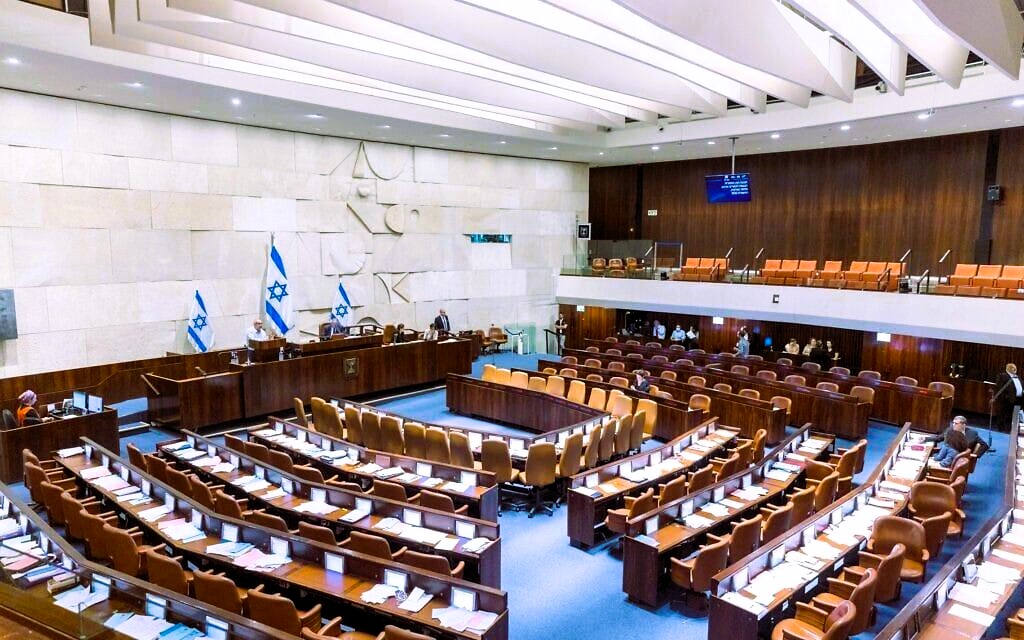
The election of Matan Kahana was an important parliamentary victory for the opposition.
Kahana belongs to the Yashar party, led by Gadi Eisenkot. He defeated Likud lawmaker Ofir Katz after more than six hours of parliamentary delays and political arguments.
The voting figures were:
| Candidate | Votes |
|---|---|
| Matan Kahana | 66 |
| Ofir Katz | 52 |
Two lawmakers were absent, leaving 118 votes cast. Kahana received support from four Jewish-led opposition parties and two Arab-led political groups: Ra’am and the Joint List. Together, these six political parties hold 67 seats in the 120-member Knesset. Their combined support was enough to secure the speakership.
The ultra-Orthodox United Torah Judaism party, which some observers expected might abstain, instead supported Netanyahu’s candidate. This detail is important because it demonstrates that Eisenkot cannot automatically count on religious parties changing sides.
Why does the Speaker matter?
The Knesset Speaker is not simply a ceremonial figure. The position carries considerable influence over parliamentary business, including the timing of debates, legislative proceedings and the movement of proposed laws through parliament. The Speaker also works with the parliamentary praesidium, which helps determine the legislative agenda.
Under the previous arrangement, Likud’s Amir Ohana occupied the position. Kahana’s election replaces a Netanyahu ally with someone aligned with the opposition. This gives Eisenkot’s bloc greater influence over parliamentary proceedings, even while Netanyahu remains prime minister.
Kahana has promised to serve all citizens regardless of religion, race or gender. He has also pledged that the parliament will respect court rulings. His appointment therefore carries both political and institutional significance.
Israel’s election results explain the political crisis
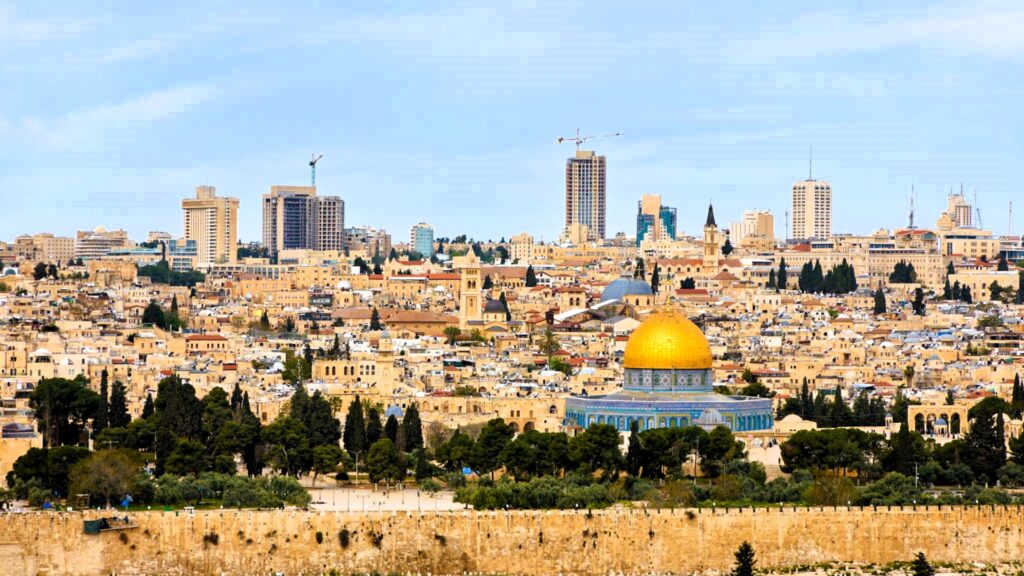
To understand why this parliamentary development matters, we must examine the October 27, 2026, general election. Israel uses a parliamentary electoral system. Citizens vote for political parties, and the parties receive seats according to their share of the vote. The Knesset has 120 members.
A political alliance normally needs at least 61 seats to form a government with a parliamentary majority. The October election produced the following political balance:
| Political grouping | Seats |
|---|---|
| Netanyahu-aligned parties | 53 |
| Eisenkot-led Jewish opposition | 48 |
| Arab-led parties | 19 |
| Total | 120 |
Netanyahu’s Likud remained the largest individual party, with 27 seats. Eisenkot’s Yashar party secured 21 seats.
However, neither political alliance achieved the 61 seats required for a majority. This created an unusual situation. Netanyahu had more seats than Eisenkot’s Jewish opposition alliance, but he no longer had enough support to govern independently with his existing partners.
Eisenkot’s bloc also needed additional support. The 19 seats held by Arab-led parties consequently became extremely important. Together, Eisenkot’s 48 seats and the Arab parties’ 19 seats produce a potential parliamentary grouping of 67. This explains why Arab lawmakers have become central to the struggle over Israel’s political future.
Who is Gadi Eisenkot?
Gadi Eisenkot is not an ordinary opposition politician. He is a former Chief of Staff of the Israel Defence Forces (IDF), a position he held from 2015 to 2019. His military career included senior command responsibilities and involvement in Israel’s security planning against Iran and its regional allies.
Eisenkot entered politics in 2022 through Benny Gantz’s National Unity party. Following the October 7, 2023, Hamas attack, he joined Netanyahu’s emergency government and served as an observer in the war cabinet.
However, he later left the government alongside Gantz in June 2024. In September 2025, Eisenkot established his own political party, Yashar, meaning straight or upright in Hebrew. His political appeal rests partly on his military background and his promise to restore public confidence in Israel’s institutions. He has presented himself as an alternative to Netanyahu’s increasingly controversial leadership.
His priorities include government accountability, national security, institutional reform and an independent investigation into the failures surrounding October 7. However, his political position should not be confused with a fundamental rejection of Israel’s existing security doctrine.
Eisenkot is a former military chief with a strong security-focused outlook. Replacing Netanyahu does not automatically mean abandoning Israel’s established military policies. That distinction will become particularly important when examining the Palestinian question.
Why does Eisenkot want Netanyahu removed?

The political struggle is not simply about replacing one prime minister with another. It involves several major disagreements about Israel’s political institutions and national direction.
Accountability for October 7
The October 7, 2023, Hamas attack exposed serious failures in Israel’s intelligence, military preparedness and national security arrangements. The attack killed around 1,200 people in Israel, according to Israeli figures, and led to the capture of hostages.
Netanyahu’s critics argue that his government must accept responsibility for the failures that allowed the attack to happen. Eisenkot has supported an independent commission of inquiry.
Such an investigation would examine:
- Intelligence failures before the attack.
- Military preparedness along the Gaza border.
- Government decision-making.
- Security assessments and warnings.
- The responsibilities of senior political and military officials.
Netanyahu has faced pressure to establish an independent investigation, but disagreements remain over its structure and authority. The issue is politically sensitive because an independent investigation could examine decisions made by the prime minister and his government.
The judicial overhaul controversy
Another major source of political conflict is Netanyahu’s judicial overhaul programme. His previous government attempted to change the balance of power between parliament, the government and the judiciary.
Supporters argued that elected politicians needed greater influence over judicial decisions and appointments.
Critics warned that these changes could weaken judicial independence and reduce the ability of courts to restrain government power.
The controversy triggered large public demonstrations and deep divisions across Israeli society. Eisenkot’s alliance wants to reverse important parts of the previous government’s judicial changes. Matan Kahana’s election provides an opportunity to begin that process.
The influence of far-right ministers
Netanyahu’s political survival has depended heavily on religious nationalist and far-right parties. Two particularly influential figures are:
Itamar Ben-Gvir: Leader of the Otzma Yehudit party and a prominent hardline nationalist politician.
Bezalel Smotrich: Leader of Religious Zionism and a strong supporter of the settlement movement.
Their political positions have influenced government policy towards Palestinians, settlements and national security.
Eisenkot’s opponents argue that Netanyahu has become too dependent on these factions.
His supporters believe a new government could restore a more moderate political direction.
However, whether Eisenkot can actually deliver that change remains uncertain.
Arab lawmakers become kingmakers in Israeli politics
Perhaps the most significant feature of the recent political developments is the growing influence of Arab lawmakers.
Israel has approximately two million Palestinian-Arab citizens, representing about one-fifth of its population. They participate in parliamentary elections and elect representatives to the Knesset.
The October 2026 election produced an important result: Arab-led political parties secured a combined 19 seats. These seats could determine who forms the next government. Two political groups are particularly important.
Ra’am: A pragmatic political approach
Ra’am, led by Mansour Abbas, has previously demonstrated a willingness to cooperate with Jewish-led political parties. In 2021, it became part of the coalition that removed Netanyahu from office and helped establish the Bennett-Lapid government. That government was historically significant because an Arab-led party participated directly in a governing coalition.
Ra’am has generally focused on practical issues affecting Arab citizens, including:
- Housing and planning.
- Public infrastructure.
- Education.
- Employment.
- Crime and public security.
- Municipal development.
Its political approach differs from that of some other Arab parties because it has shown greater willingness to negotiate with mainstream Israeli political groups.
The Joint List: Palestinian political representation
The Joint List represents a different political tradition. It includes parties with stronger Palestinian national and left-wing political positions. Its priorities include equal rights for Arab citizens, opposition to discrimination, Palestinian political rights and a different approach to Israel’s relationship with the occupied Palestinian territories. The Joint List and Ra’am do not share identical political positions.
Nevertheless, both supported Kahana’s election as Speaker. This cooperation demonstrates that political differences can sometimes become secondary when parties share an immediate objective.
Why is Arab political participation controversial?
The election exposed a serious contradiction within Israeli politics. Arab citizens have the right to vote, elect representatives and participate in parliamentary democracy. Yet when their votes become decisive in determining who controls parliament, some Jewish nationalist politicians describe that cooperation as a threat to the country.
Following Kahana’s election, Likud accused the opposition of relying on what it called supporters of terrorism. Ben-Gvir and Smotrich also strongly criticised the result.
However, political opposition to an Israeli government or support for Palestinian rights should not automatically be equated with support for terrorism.
The distinction matters. Democratic participation must be judged by political conduct and constitutional rules, not simply by the ethnic or religious identity of elected representatives.
The real test of Israeli democracy will be whether Arab lawmakers can participate as legitimate political partners rather than being accepted only when their votes are convenient.
The 2021 precedent: Israel has done this before
The current political situation has an important historical precedent. In 2021, Netanyahu lost power after years of political deadlock and repeated elections.
Naftali Bennett and Yair Lapid formed a coalition government with support from several parties, including Ra’am. It was an unusual political alliance.
Bennett represented the right wing, Lapid the centre, and Ra’am the Arab political community. Despite their ideological differences, they agreed to cooperate to remove Netanyahu from office. The government lasted from June 2021 until December 2022.
Its collapse demonstrated both the possibilities and limitations of ideologically diverse coalitions. The current political situation is similar in one important respect: Netanyahu’s opponents are again trying to unite parties that disagree on fundamental issues.
But there is a major difference.
Eisenkot must now manage a broader opposition alliance with its own internal divisions and competing political ambitions. The question is whether the lessons of 2021 have made Israel’s opposition more capable of cooperation or whether the same weaknesses will emerge again.
Can Eisenkot form a government?
Winning the speakership does not give Eisenkot the authority to become prime minister automatically. He must still secure enough parliamentary support to form a government. President Isaac Herzog has given him the mandate to form a coalition. He initially has 28 days, with a possible 14-day extension.
This gives him a limited period to negotiate with political parties. There are several possible routes.
Option one: Cooperation with Arab parties
The most direct mathematical route would be to combine Eisenkot’s 48 seats with the 19 Arab-led seats. That would produce a potential majority of 67.
However, political mathematics is not the same as political agreement. Some members of Eisenkot’s Jewish-led alliance are uncomfortable with forming a government dependent on Arab parties.
Avigdor Liberman, for example, has expressed opposition to relying on Arab parties for government formation. Others are more open to cooperation. The challenge is to agree on a political arrangement that satisfies the Arab parties without breaking Eisenkot’s own alliance.
One possibility is external support rather than direct coalition membership. Under such an arrangement, Arab parties could support the government on confidence votes and selected legislation without taking ministerial positions. But this would require trust and clear political commitments.
Option two: Negotiations with ultra-Orthodox parties
Eisenkot is also exploring another route involving ultra-Orthodox parties.
Two groups are particularly important:
- United Torah Judaism (UTJ).
- Shas.
These parties have traditionally been associated with Netanyahu’s political alliance. However, their relationship with Likud does not mean they cannot negotiate with other political leaders. They have their own priorities, particularly concerning religious education, public funding and military service exemptions.
The military conscription issue is especially sensitive. Many ultra-Orthodox Jewish men have historically received exemptions from compulsory military service while studying in religious institutions. Other Israeli political groups argue that this arrangement is unfair, particularly during a period of prolonged military conflict.
Eisenkot’s alliance includes politicians who want greater military participation from ultra-Orthodox communities. This creates a difficult negotiation. There is also an important parliamentary detail: UTJ supported Netanyahu’s candidate in the November 17 Speaker election.
Therefore, Eisenkot cannot assume that the party is ready to abandon Netanyahu. A future agreement would require substantial political compromises.
Option three: A national unity government
Netanyahu has also called for a national unity government. Such an arrangement could bring together Likud and some of the opposition parties.
However, the proposal faces serious resistance. Yair Golan and Avigdor Liberman have rejected the idea of joining a government led by Netanyahu. They argue that allowing him to remain prime minister would undermine the purpose of the political change they are seeking.
There is also a problem of trust. Previous unity arrangements involving Netanyahu and Benny Gantz experienced serious disagreements over power-sharing commitments.
Eisenkot must consider whether another arrangement would solve the political crisis or simply extend it.
Option four: Another general election
If negotiations fail, Israel could face another election. That would mean another period of political uncertainty. It would also increase public frustration after repeated political campaigns and years of instability.
However, another election does not guarantee a different result. Netanyahu could regain support, Eisenkot could strengthen his position, or the same parliamentary deadlock could return.
For ordinary Israelis, another election would mean more political uncertainty at a time when the country is already facing serious security, economic and social challenges.
Netanyahu’s fight for political survival
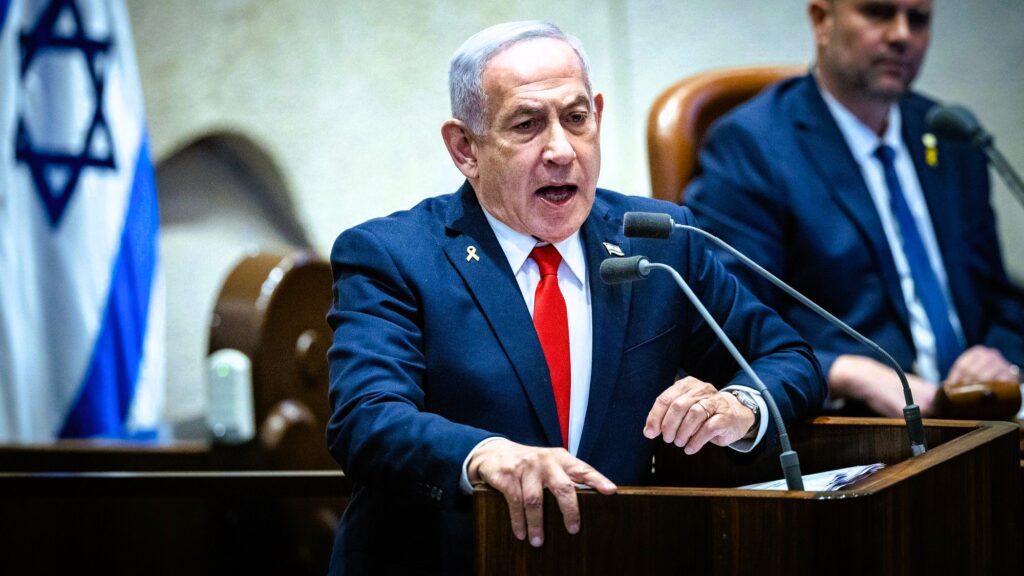
Despite losing his parliamentary majority, Netanyahu remains prime minister while government formation continues. His political position is weakened, but he is far from politically irrelevant. He still leads Likud, the largest individual party in the Knesset.
His allies hold 53 seats, and he continues to enjoy support from important religious and nationalist factions. Netanyahu has responded by calling for national unity and criticising the opposition’s cooperation with Arab parties. He has also raised allegations of election irregularities involving Arab voters.
However, allegations must be distinguished from proven evidence. Initial reporting from Reuters indicated that authorities had found no evidence that misconduct changed the election result.
This is an important issue because allegations of electoral fraud can weaken public confidence in democratic institutions if they are repeated without convincing evidence.
The far-right political dilemma
Netanyahu’s dependence on Ben-Gvir and Smotrich has created another difficulty. These politicians have strong ideological positions on security, settlements and Palestinian political rights. Their influence may make it harder for Netanyahu to attract moderate political partners. At the same time, losing their support could weaken his remaining parliamentary alliance.
This creates a political dilemma. Netanyahu needs his right-wing partners to remain politically relevant, but their positions may also limit his ability to build a broader coalition.
Eisenkot hopes to benefit from this situation. However, his own alliance includes politicians with different views on Arab political participation and religious parties. He is therefore attempting to solve a problem that has repeatedly defeated Israeli political leaders.
Netanyahu Is Not Out Yet
Netanyahu has lost his parliamentary advantage, but he has not lost the political game. His best chance may be to stop Gadi Eisenkot from forming a government rather than build one himself.
He still has a few cards to play:
- Divide the Opposition: Eisenkot’s supporters disagree on key issues, particularly whether Arab-led parties should support the government.
- Keep Ultra-Orthodox Allies Close: If Shas and United Torah Judaism refuse to join Eisenkot, his path becomes much harder.
- Offer a Unity Government: Netanyahu may use power-sharing or a rotating premiership to attract more moderate opposition leaders. But some, including Yair Golan and Avigdor Liberman, oppose serving with him.
- Wait for Eisenkot to Fail: If Eisenkot cannot secure a majority before his mandate expires, the political process could open another opportunity for Netanyahu—or lead to fresh elections.
There is also a legal dimension. Netanyahu’s ongoing corruption trial remains a major political issue, while reports of possible efforts by his allies to explore legislation affecting indicted politicians have added another layer of controversy.
The real test is not whether Netanyahu can win back the Speaker’s chair. It is whether he can prevent his opponents from building a government without him.
What could change under a new government?
A change of government could produce important domestic reforms. But the real test would be whether those reforms improve the functioning of Israeli democracy.
An independent investigation into October 7
An independent commission could investigate the intelligence, military and political failures surrounding the Hamas attack. Such an inquiry would help establish responsibility and provide lessons for future national security planning. It could also restore public confidence if the investigation is seen as independent and transparent.
Reversing controversial judicial changes
Eisenkot’s bloc wants to reverse important elements of the previous government’s judicial overhaul. This could strengthen the independence of the judiciary and restore some institutional checks on government power.
However, judicial reform remains a politically divisive subject. Any lasting solution would require broad public support rather than another narrow political victory.
Prime ministerial term limits
The opposition has also introduced proposals concerning term limits for prime ministers.
Supporters argue that such limits could prevent excessive concentration of political power.
Critics may argue that voters should retain the freedom to re-elect leaders.
The debate raises a wider question: how should democracies balance electoral choice with safeguards against prolonged political dominance?
Government accountability
A new government could also strengthen parliamentary oversight, improve transparency and review decisions made by previous administrations. But institutional reform takes time. Changing political leadership is much easier than changing the behaviour of an entire government system.
Will a new government change anything for Palestinians?
This is perhaps the most important question for international readers. Israel’s political transition may change the country’s leadership, but will it change the lives of Palestinians?
There is no guarantee.
Eisenkot is a former military chief who has supported a strong Israeli security policy. His political disagreements with Netanyahu do not automatically mean that he supports a fundamentally different approach to Palestinian statehood or Israeli military operations. Several issues deserve close attention.
Gaza and the humanitarian crisis
The future of Gaza will remain a major test for any Israeli government.
Important questions include:
- Will Israeli military operations change?
- What will happen to Gaza’s reconstruction?
- Who will govern the territory?
- Will humanitarian access improve?
- What role will the Palestinian Authority play?
- Will international efforts produce a lasting political agreement?
A change in Israel’s political leadership could influence these decisions, but the direction will depend on the policies actually adopted.
West Bank settlements
The expansion of Israeli settlements in the occupied West Bank remains a major international concern. A new government could reconsider some existing policies.
However, Eisenkot’s position and the political composition of any coalition would determine how much change is possible. A government dependent on right-wing or religious nationalist parties may face considerable resistance to any major shift.
Palestinian statehood
The creation of an independent Palestinian state remains a central issue in international diplomacy. Eisenkot’s government, if formed, would face pressure from the United States, Europe and Arab countries to clarify its position.
But a more moderate Israeli leadership does not necessarily mean acceptance of Palestinian statehood.
The difference between changing the tone of diplomacy and changing actual policy must remain clear. For Palestinians, the important measure will not be who occupies the prime minister’s office. It will be whether their rights, freedom, security and political future improve.
International consequences of Israel’s political crisis
Israel’s political stability matters far beyond its borders. Its decisions influence regional security, international diplomacy and relations with major world powers.
United States
The United States is Israel’s most important international strategic partner. A new Israeli government could create opportunities to improve relations with Washington, particularly if disagreements over Gaza, judicial reform and regional policy become less intense.
However, US-Israeli relations are based on long-standing security and political interests. A change of prime minister would not automatically change those interests. Washington would continue to focus on regional security, Iran, military cooperation and the future of the Palestinian question.
Arab countries
Arab governments will watch the political transition carefully. Saudi Arabia, Egypt, Jordan, Qatar and other regional states have different interests in Israel’s future direction. Some may welcome a government that adopts a more practical diplomatic approach.
However, normalisation between Israel and Arab countries remains closely connected to the Palestinian question. If a new Israeli government makes no meaningful progress on Palestinian rights, the diplomatic benefits may remain limited.
Iran and regional security
Iran will also consider the consequences of political change in Israel. Eisenkot has a strong military background and has previously been involved in Israeli security planning against Iranian influence.
Therefore, replacing Netanyahu should not be interpreted as an automatic reduction in tensions with Tehran. Israel’s security doctrine may remain largely unchanged. The wider regional situation, including developments involving Hezbollah and other armed groups, will also influence future policy.
Europe and the international community
European governments and international institutions will examine whether a new Israeli government is prepared to improve relations with international partners. Issues such as humanitarian law, settlement policy, Gaza’s future and the protection of civilians will remain important.
A change of leadership could improve diplomatic opportunities. But international confidence will depend on actions rather than political promises.
Who wins and who loses from Netanyahu’s parliamentary defeat?
The political consequences are not limited to the two main leaders.
Different groups could benefit or lose depending on how the negotiations develop.
| Political actor | Potential impact |
|---|---|
| Gadi Eisenkot | Gains parliamentary influence and political momentum |
| Matan Kahana | Gains control of the speakership |
| Arab-led parties | Become more important in coalition negotiations |
| Benjamin Netanyahu | Loses parliamentary control and political momentum |
| Likud | Loses the speakership and influence over parliamentary proceedings |
| Ben-Gvir and Smotrich | Risk losing their influence in government |
| Naftali Bennett | Gains potential bargaining power within the opposition |
| Ultra-Orthodox parties | Gain opportunities to negotiate coalition terms |
| Israeli opposition voters | Gain a possible route to political change |
| Palestinians | Face uncertainty over future Israeli policies |
There is an important distinction between political winners and ordinary citizens. Eisenkot may gain power, but that does not automatically improve the economic conditions or security of Israeli families. Similarly, Arab lawmakers may gain political influence without immediately achieving equal treatment for their communities.
The final outcome will depend on the policies of the government that emerges.
Three possible futures for Israel
The coming weeks could determine the country’s political direction. Three broad scenarios are possible.
Scenario one: Eisenkot forms a new government
This would represent a major political victory for the opposition. A government could be formed through cooperation with Arab parties, ultra-Orthodox factions or a combination of political partners.
It could begin reversing controversial domestic policies and establish an independent investigation into October 7.
However, internal disagreements could threaten its stability.
Scenario two: A national unity arrangement
Netanyahu and Eisenkot could reach an agreement involving Likud and some opposition parties. Such an arrangement might reduce political deadlock.
But it would create serious problems for politicians who have made Netanyahu’s removal a central election promise. It could also weaken public confidence if voters believe the political establishment is simply protecting its own interests.
Scenario three: Political deadlock and another election
If negotiations fail, Israel could head towards another election. This would extend political uncertainty and leave Netanyahu in a caretaker position until a new government is formed. It could also give Netanyahu another opportunity to rebuild his political support. The result would be difficult to predict.
Conclusion: A new Speaker does not guarantee a new Israel
The election of Matan Kahana is a significant political development. It shows that Netanyahu’s opponents can cooperate across ideological and ethnic divisions when they share a common objective. It also demonstrates the growing importance of Arab lawmakers in Israel’s parliamentary system.
But the road from parliamentary victory to government formation remains difficult. Eisenkot must bring together political groups that disagree on Arab participation, religious policy, military conscription and the future direction of Israel.
Netanyahu, meanwhile, still leads the largest individual party and retains considerable political influence.
Even if Eisenkot succeeds in replacing him, another question will remain. Will the new government change Israel’s policies towards Palestinians, restore confidence in democratic institutions and reduce regional tensions?
Or will it simply replace one political leadership with another while preserving most of the existing system?
For Palestinians, the answer will be measured in rights, freedom, security and political independence.
For Israelis, it will be measured in accountability, democratic institutions and national stability.
And for the wider world, it will be measured by whether Israel’s political transition creates a genuine opportunity for peace or simply opens another chapter in its long-running political conflict.
A new Speaker has taken control of the Knesset. Whether a new political era has begun remains to be seen.
Frequently asked questions
1. Who is Matan Kahana?
Matan Kahana is an Israeli politician from Gadi Eisenkot’s Yashar party. He was elected Speaker of the Knesset on November 17, 2026, receiving 66 votes against 52 for Likud candidate Ofir Katz.
2. Why is Matan Kahana’s election important?
The Speaker has considerable influence over parliamentary proceedings and the legislative agenda. His election gives Eisenkot’s opposition bloc greater control over the Knesset while negotiations to form a new government continue.
3. Can Gadi Eisenkot replace Benjamin Netanyahu?
Yes, but he must secure sufficient parliamentary support to form a government. His alliance has 48 seats and needs additional support from other parties to reach the 61-seat majority.
4. Why are Arab lawmakers important in Israel’s political crisis?
Arab-led parties secured 19 seats in the October 2026 elections. Their support helped Kahana win the speakership and could become decisive in determining the next government.
5. Will Netanyahu’s removal change Israeli policies towards Palestinians?
Not necessarily. Eisenkot has a strong military background and supports a security-focused approach. Any major change would depend on his government’s coalition partners and its actual policies towards Gaza, the West Bank and Palestinian statehood.
6. What happens if Eisenkot cannot form a government?
If coalition negotiations fail, President Isaac Herzog may consider the next constitutional steps. Netanyahu could receive another opportunity to form a government, or Israel could eventually face another general election.
References and further reading
- Reuters – Eisenkot-led bloc replaces Netanyahu ally as Knesset Speaker, November 17, 2026.
- Associated Press – Israeli parliament elects new Speaker backed by Netanyahu’s opponents, November 17, 2026.
- The Times of Israel – Knesset votes 66–52 to elect Yashar’s Matan Kahana as Speaker, November 17, 2026.
- Al Jazeera – Israel parliament elects Gadi Eisenkot ally Matan Kahana as new Speaker, November 17, 2026.
- Congressional Research Service – Israel: 2026 Elections and Government Formation, October 30, 2026.
- The Jerusalem Post – Gadi Eisenkot lays out his vision for change and political reform, September 2026.
- Associated Press – What to know about Israel’s Palestinian citizens and their growing political influence, November 2026.
- The Jerusalem Post – Eisenkot and Likud unity negotiations, November 2026.
Editorial note: This analysis distinguishes confirmed election results and parliamentary developments from political proposals, allegations and possible future scenarios. Coalition negotiations and government formation remain ongoing.