The Pedagogy of Estrangement
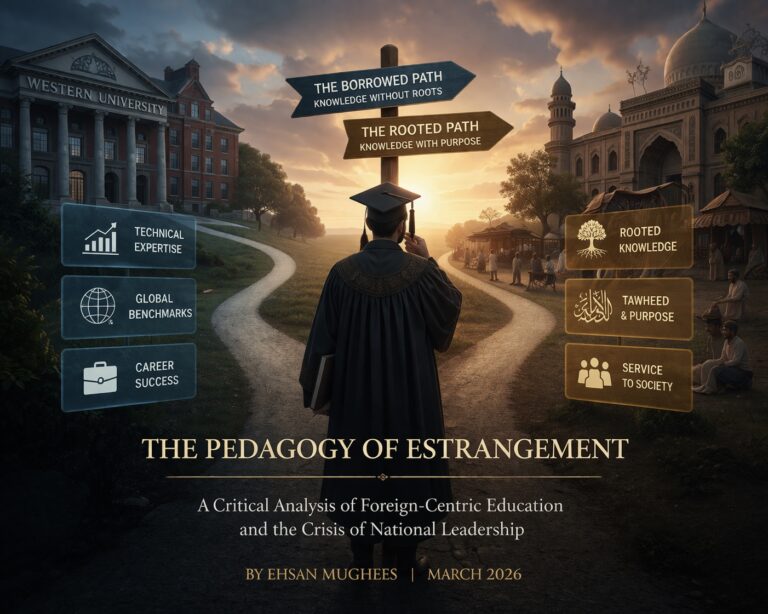
Why do foreign-educated elites often return disconnected from the people they are meant to lead? This study explores the “Paradox of the Repatriated Intellectual” and proposes Rooted Globalism as a solution.
Why do foreign-educated elites often return disconnected from the people they are meant to lead? This study explores the “Paradox of the Repatriated Intellectual” and proposes Rooted Globalism as a solution.
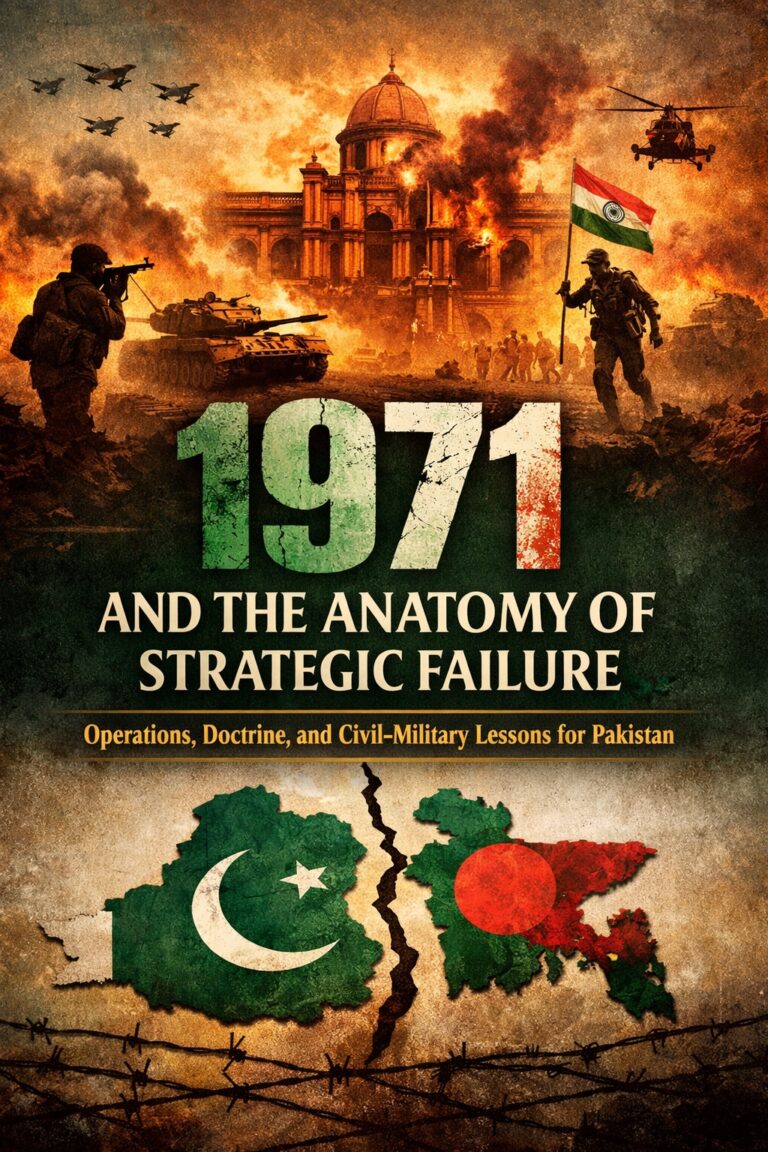
The 1971 Indo–Pakistan War was not merely a military defeat but a comprehensive strategic failure involving political legitimacy, flawed operational doctrine, alliance miscalculations, and civil–military dissonance. This paper offers a rigorous, analytical examination of the Eastern Theatre, the fall of Dhaka, and the decisions that narrowed Pakistan’s strategic options. By integrating operational analysis, doctrinal lessons, and civil–military dialogue, it presents 1971 as a strategic mirror—urging Pakistan to examine whether unresolved institutional patterns continue to shape national security thinking today.
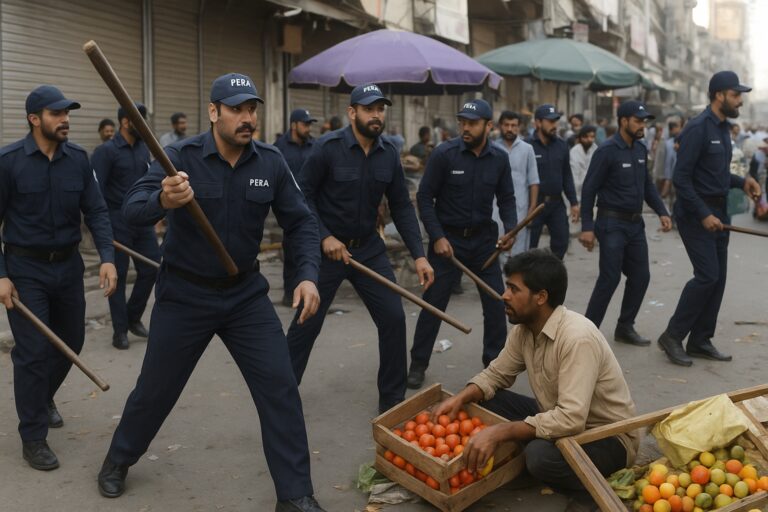
The Punjab Enforcement and Recovery Authority (PERA) was introduced to streamline land recovery, revenue regulation, and administrative enforcement. While its mandate appears reformist, its unchecked powers, political vulnerability, and potential for misuse risk turning it into an institutionalized tool of coercion—an official version of Gullu Butt—undermining justice and trust in governance.
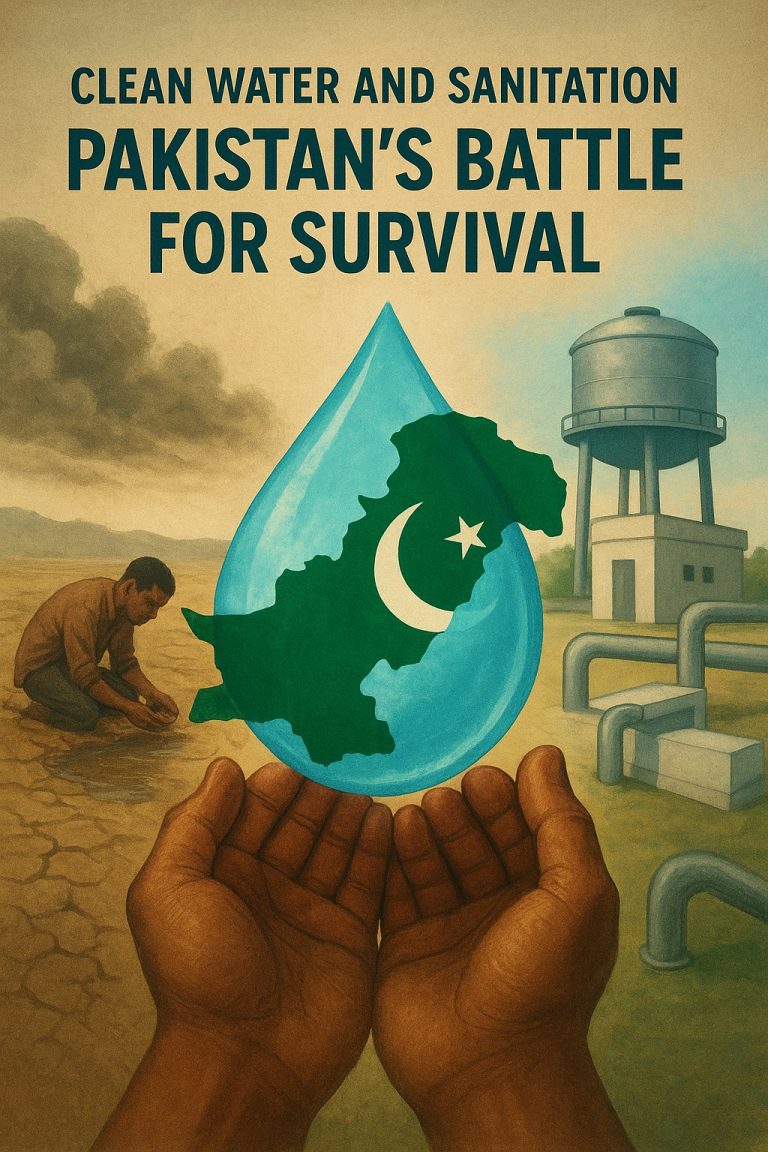
Water is life — yet in Pakistan, millions lack access to safe drinking water or basic sanitation. SDG 6 demands urgent reform, but weak infrastructure, corruption, and climate change are pushing the nation towards a severe water crisis. This analysis unpacks the challenges and solutions.
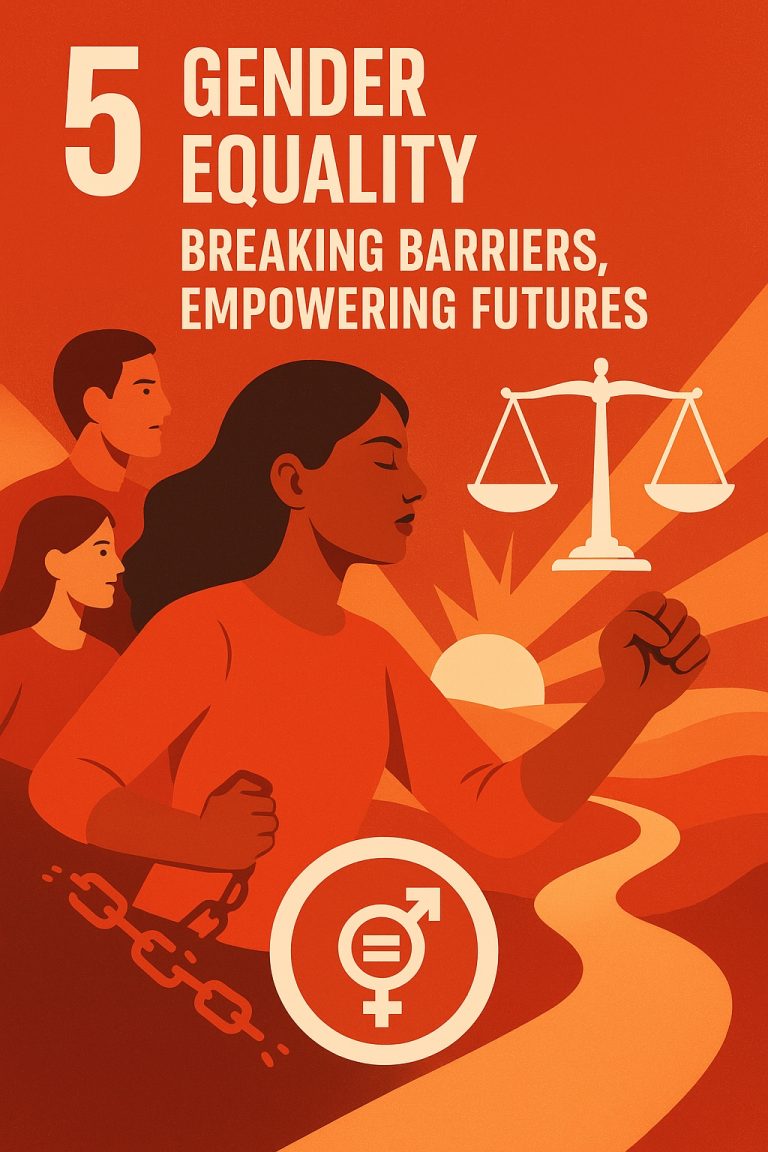
Women make up half of Pakistan’s population, yet face systemic barriers in education, employment, politics, and personal freedoms. SDG 5 calls for eliminating discrimination and ensuring equal opportunities for women and girls. This article examines the challenges, progress, and strategic reforms needed to unlock women’s potential for national prosperity.

1. “Television’s true legacy isn’t simply entertainment—it’s the gradual rewriting of how we think people should act, both in our relationships and in our own lives.”
2. “From the flawless TV mother to the effortlessly charming hero, fictional characters quietly set the benchmarks by which we judge—and sometimes imitate—those around us.”
3. “Excessive screen time can make everyday life seem lacking—not because reality has changed, but because our perception of it has been reshaped by fiction.”

Despite its promises, Pakistan's education system remains deeply unequal, underfunded, and detached from real-world needs. This article explores SDG 4 in detail, exposing the fault lines and proposing strategic reforms to reclaim the right to meaningful learning.

Health is not a luxury — it is a fundamental right. Yet in Pakistan, public healthcare is underfunded, understaffed, and structurally unjust. This analysis investigates how far we are from achieving SDG 3 and what must change to ensure health and dignity for all.