
Transatlantic Trust Collapse Deepens: Why Only 1 in 10 Europeans See the US as an Ally
A Quiet Crisis Growing Between Allies
Transatlantic Trust Collapse Deepens. What if the strongest alliance of the modern world is slowly losing its most important foundation, trust?
https://mrpo.pk/the-transatlantic-tug-of-war/

For decades, Europe and the United States stood as the backbone of the global order. NATO, shared democratic values, and coordinated security strategies defined a partnership that survived wars, terrorism, financial crises, and political transitions.
But today, that confidence is weakening.
A recent survey shows a striking shift: only 1 in 10 Europeans now considers the United States an ally. For most, America is no longer viewed as a dependable partner, but as a conditional or transactional actor in global affairs.
This raises a deeper question: Has the transatlantic relationship entered a new era of uncertainty?
Strains Deepen in Transatlantic Alliance as Trust and Strategy Diverge
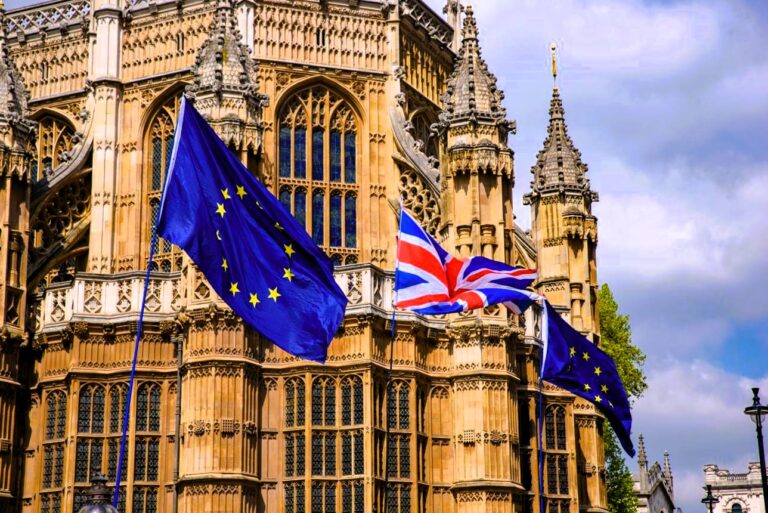
Tensions are growing within the transatlantic alliance as European leaders question the reliability of the United States under President Donald Trump. While military cooperation under NATO continues through large scale exercises such as Exercise Sword 26, political messaging from Washington has created uncertainty across Europe.
The divide has widened following disagreements over the Iran conflict, where many European nations distanced themselves from US actions, leading to criticism from Washington and a reassessment of alliances on both sides.
The Sharp Decline in European Trust: Transatlantic Trust Collapse Deepens
Transatlantic Trust Collapse Deepens. The data shows a clear and steady weakening of confidence in U.S. leadership across Europe. What was once a deeply trusted alliance is now increasingly viewed with caution and uncertainty. In earlier decades, the United States was widely seen as Europe’s most reliable strategic protector. Today, that perception has shifted toward a more practical and conditional relationship, where cooperation still exists, but trust is no longer automatic.
Europe is no longer describing the United States primarily as a “trusted ally.” Instead, many policymakers and citizens increasingly refer to it as a “necessary partner.” This subtle language change reflects a shift from emotional trust to strategic necessity.
NATO Commitment Uncertainty
Many Europeans now question how consistent the US commitment to NATO really is, especially during crises or political transitions.
Shifting US Foreign Policy Priorities
European observers worry that American global focus changes rapidly depending on administrations and global events.
Trade and Diplomatic Tensions
Economic disputes and diplomatic disagreements have added friction to an already complex partnership.
Global Conflict Response Differences
Europe and the US often disagree on how to respond to international crises, creating strategic gaps.
Perceived Unpredictability in Leadership
Frequent policy shifts in Washington create uncertainty for long-term European planning.
A Psychological Shift, Not Just Political
Europe is moving from assumed trust to cautious dependence on the United States.
Is Trump the Cause or the Catalyst?
Many people link the current decline in trust toward the United States with Donald Trump’s return to the White House. His leadership style, emphasis on “America First,” and criticism of alliances have intensified European concerns.
However, the trust issue did not begin with Trump; it already existed.
Long-Term Structural Strains (What Was Already Broken)
European doubts have been building for years due to Iraq, Afghanistan, NATO disputes, and trade conflicts.
Why Trump Still Matters
Trump matters because he amplified existing weaknesses and made uncertainty more visible globally.
The Israel Factor and Global Perception Gap
“Israel has become the most visible symbol of a broader credibility crisis in US foreign policy.”
Why Israel Has Become a Focal Point
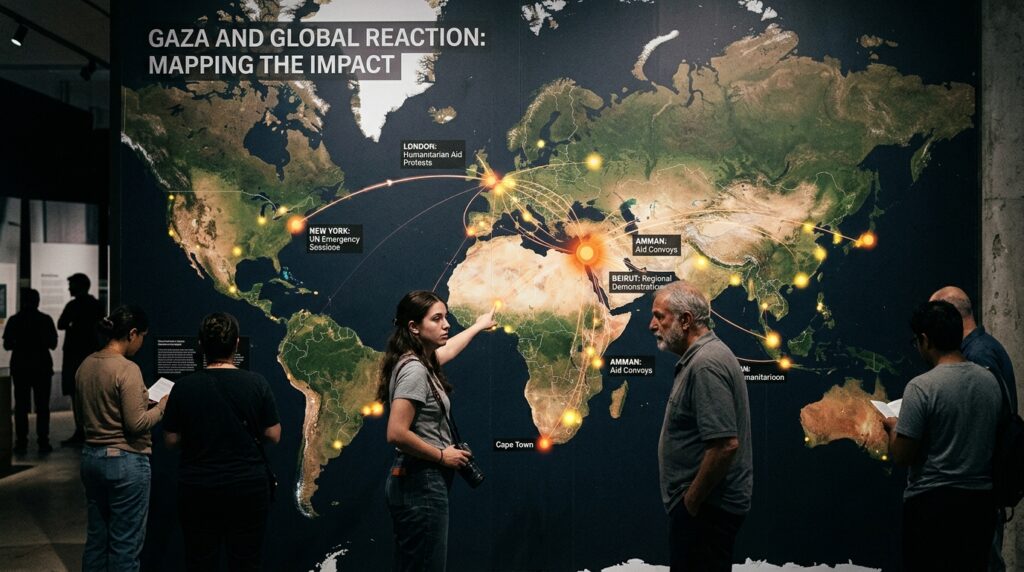
For many Europeans, Arabs, and even some Americans, the Gaza war and broader Israeli-Palestinian conflict have become a test case for whether the United States applies international law consistently.
Critics argue that Washington strongly defends international law when discussing conflicts such as Ukraine, but appears more reluctant to pressure Israel when allegations of civilian harm or violations of humanitarian law arise. This perceived double standard has become a major source of criticism in Europe, the Middle East, Latin America, Africa, and parts of Asia.
As a result, Israel is increasingly viewed not merely as a regional issue but as a measure of American credibility.
The GCC Perspective
Many Gulf states historically accepted close US-Israel ties as a political reality.
What has changed is the growing perception among some Gulf observers that:
- Israeli security concerns receive immediate Western attention.
- Arab civilians suffering receive less urgency.
- Regional stability concerns raised by Gulf countries are not always treated equally.
Whether policymakers in Washington would agree with that assessment is another matter, but the perception itself influences trust.
Europe’s Perspective
In Europe, the issue is often framed less as support for Palestinians versus support for Israel and more as a question of consistency.
Many Europeans ask:
- Should international law apply equally to allies and adversaries?
- Should human rights concerns be universal?
- Should military aid be conditioned on humanitarian obligations?
These questions have become increasingly mainstream in European political debate.
The Israel issue has become one of the most sensitive elements shaping global perception of US foreign policy. The Gaza war has intensified debates about fairness, consistency, and international law.
At the centre lies a critical question: Do global rules apply equally to all countries?
Why This Becomes a Trust Issue
Critics argue that the US applies different levels of diplomatic pressure depending on geopolitical alliances. Whether accurate or not, this perception strongly influences global trust.
Europe’s Rising Concerns Over Israel, Gaza, and Lebanon
“From Brussels to Riyadh to American college campuses, the Gaza war has become a catalyst for a wider crisis of confidence in US leadership. While NATO disputes, trade tensions, and shifting security priorities all contribute to declining trust, the perception of unequal standards toward Israel has emerged as the most emotionally charged and politically visible symbol of a broader credibility challenge facing Washington.”
European governments have become more vocal regarding humanitarian and legal concerns in the Middle East.
Civilian Protection Concerns: Rising civilian casualties have increased European political pressure for stronger humanitarian action.
Settlement Expansion Issues: European institutions view settlement expansion as an obstacle to long-term peace.
Lebanon and Regional Spillover Risks: Escalation risks involving Lebanon raise concerns about wider regional instability.
Why Europe Is Speaking More Openly
Public pressure and political debate are pushing governments to adopt stronger public positions.
Many Europeans increasingly view Washington’s unwavering support for Israel, despite mounting civilian casualties and international legal concerns, as evidence that US foreign policy applies different standards to different conflicts. This perception has contributed to wider European debates about strategic autonomy, international law, and whether Europe should pursue a more independent foreign policy from Washington.
GCC Complaints and Regional Security Imbalance
Gulf states rely heavily on US security partnerships but have growing concerns about regional perceptions of imbalance.
Unequal Security Attention: Some Gulf voices feel their security concerns are not accorded the same global urgency.
The Israel–Gulf Perception Gap: Despite normalisation efforts, perception gaps still exist regarding regional priorities.
Why Perception Matters More Than Policy: Even strong military alliances can be weakened by perceived inequality.

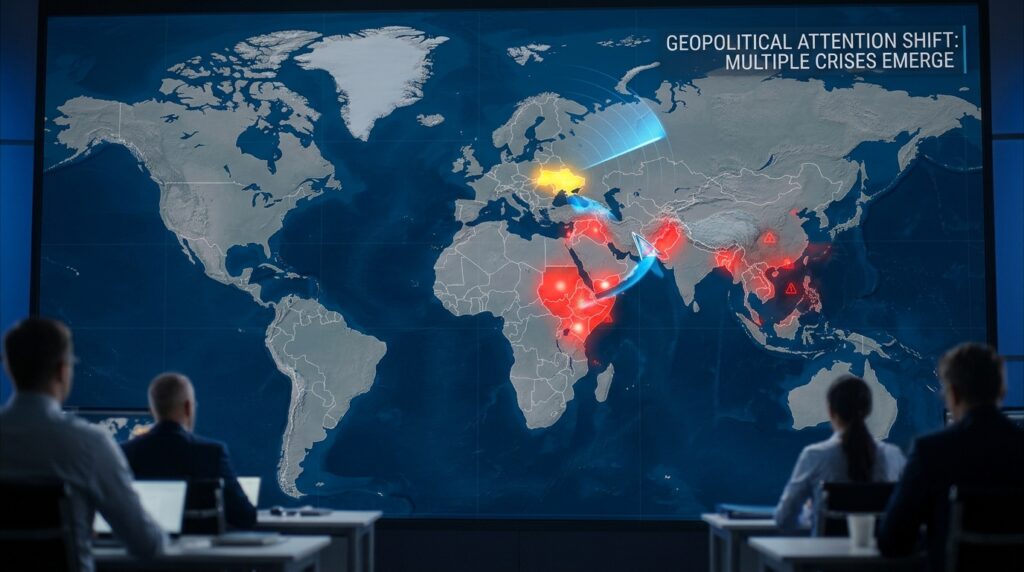
Ukraine, Iran, and the Problem of Shifting Attention
Ukraine once dominated global attention but is now sharing space with multiple crises.
The Ukraine Fatigue Concern: There is concern that global focus on Ukraine is weakening over time.
Iran and Middle East Escalation: New conflicts have shifted diplomatic and media attention.
Why This Creates Strategic Uncertainty: Rapid shifts in global priorities create doubts about long-term consistency.
The Most Important Shift Is Inside the United States
One of the biggest changes is happening inside America itself, where foreign policy debates have become more intense and public.
Growing Public Engagement: More Americans are actively participating in foreign policy discussions.
The Core Questions Being Asked: Citizens are questioning whether global commitments align with national interests.
Foreign Interventions Align with National Interest: Americans are questioning whether overseas military actions truly improve U.S. security or create long-term risks.
Military Alliances Are Balanced and Fair: There is increasing debate over whether the U.S. carries disproportionate global responsibilities.
International Commitments Reflect Domestic Priorities: Some question whether foreign spending reduces focus on domestic needs.
Long-Term Strategies Improve or Reduce Security: The key concern is whether long-term foreign policies increase or decrease national security.
The Most Controversial Question: US Policy Toward Israel: Among all debates, the most sensitive discussions in the US now centre on Israel and Gaza. Americans are increasingly asking whether:
U.S. support aligns with national interest
International law is applied consistently
Aid policies reflect humanitarian values
Middle East involvement increases or reduces long-term risk
Do Middle East Conflicts Affect US Inflation and Public Concern?
Yes, recent developments show a direct economic transmission link between the Middle East conflict and rising U.S. consumer prices, especially through energy markets.
When tensions involving the US, Iran, and Israel escalate, global oil supply becomes uncertain. This uncertainty pushes oil prices higher, which quickly impacts gasoline prices in the United States. Since fuel is a “foundation cost” in the economy, it influences transport, food prices, and overall inflation.
Recent data confirms this mechanism.
For example, U.S. inflation rose to around 4.2% in May 2026, with energy costs—especially gasoline—accounting for the majority of the increase. Analysts directly linked this spike to disruptions tied to US–Iran tensions and instability in global oil routes. (The Guardian)
Oil prices also surged above $90 per barrel following renewed conflict escalation, including concerns about the Strait of Hormuz, one of the world’s most critical oil transport chokepoints. (Reuters)
Are Americans Linking Inflation to Foreign Policy and War?
Increasingly, yes, at least in public debate and political discussion.
As fuel prices rise, many citizens naturally associate higher living costs with global events that affect oil supply. When gasoline becomes more expensive, it is visible immediately in daily life, unlike other economic indicators.
This creates a simple psychological chain:
Foreign conflict → oil disruption → higher gas prices → inflation pressure → public frustration
However, economists generally caution that while conflicts can trigger inflation spikes, they are usually one of several contributing factors, not the only cause. Monetary policy, supply chains, and domestic demand also play major roles.
Still, perception matters: when people feel economic pressure, they often look for visible global triggers.
What is Actually Driving Inflation Pressure Right Now?
Current research suggests that:
Energy Shocks Are the Fastest Transmission Channel
Oil and gas prices respond almost instantly to geopolitical risk, especially in the Middle East. This makes energy the first and most visible inflation driver.
Supply Uncertainty Matters More Than Actual Supply Loss
Even before physical disruption occurs, markets react to the fear of disruption, pushing prices upward.
Inflation Impact Is Real but Partially Temporary
Studies show oil shocks often raise headline inflation quickly, but the long-term effect depends on whether prices stabilise or remain elevated. (Federal Reserve Bank of Dallas)
Is Public Opinion Being Influenced by These Economic Pressures?
Yes, indirectly but significantly.
When citizens experience higher fuel and grocery costs, they tend to:
- Pay closer attention to foreign policy decisions
- Criticise military spending or overseas involvement
- Question the economic benefit of international interventions
- Link domestic hardship with global instability
This does not mean foreign policy is the only cause of inflation, but it becomes a visible narrative anchor for public frustration.
The Bigger Analytical Insight
It is not that “wars alone cause inflation,”
but rather that:
Geopolitical conflicts act as inflation accelerators through energy markets, which then shape public perception of government decisions.
So the chain works like this:
- Conflict increases oil volatility
- Oil volatility raises fuel prices
- Fuel prices feed inflation expectations
- Inflation affects household sentiment
- Sentiment influences political and foreign policy debates
Final Insight
The important takeaway is this:
The connection between foreign policy, energy prices, and public opinion is now tighter than ever.
Even a limited military escalation can ripple into:
- inflation data
- household costs
- political debates
- trust in leadership
And that is why these conflicts are no longer seen as “far away wars” they are increasingly experienced as domestic economic events with international origins.
Why This Debate Is So Sensitive
This issue combines politics, emotion, identity, and national security, making it highly polarised.
Why It Matters for Global Perception
The fact that these debates are happening inside the US adds weight to global perceptions of shifting American consensus.
Transatlantic Trust Collapse Deepens: The Real Story Behind the Trust Collapse
The decline in trust is not driven by one issue but multiple overlapping global tensions.
Multiple Pressure Points at Once
NATO, Ukraine, Gaza, Iran, and trade disputes all contribute simultaneously.
Why Gaza Becomes the Symbol
The Gaza war has become the most visible symbol of broader credibility debates.
The Bigger Pattern
Trust is shifting from automatic acceptance to conditional evaluation.
Frequently Asked Questions (FAQs)
1. Transatlantic Trust Collapse Deepens. Why is European trust in the US declining?
European trust is declining due to NATO tensions, shifting U.S. foreign policy priorities, and growing concerns about consistency in global crisis responses. Many Europeans now see the relationship as more conditional than before.
2. Is Israel the main reason for declining trust?
Partially yes, Israel is an important and highly visible factor, but not the only one. NATO burden-sharing, Ukraine policy shifts, and broader geopolitical uncertainty also play major roles in shaping perceptions.
3. How does the Gaza conflict influence global opinion of the US?
The Gaza conflict has intensified debates about international law, civilian protection, and perceived double standards in foreign policy, which affects how U.S. leadership is viewed globally.
4. Are GCC countries also questioning US policy?
Yes, some Gulf states express concerns about unequal attention to regional security threats and shifting priorities in U.S. foreign policy, even though strategic partnerships remain strong.
5. Is the US losing global leadership?
The United States is not losing its power, but questions are increasing about credibility, consistency, and trust in long-term leadership decisions.

6. Can trust be restored?
Yes. Trust can be rebuilt through consistent diplomacy, predictable policy decisions, and balanced engagement with allies across different regions.
Conclusion: Is the Global Order Entering a New Phase?
The United States remains the most powerful global actor, but power alone is no longer enough.
The Shift from Power to Trust
Global leadership now depends on credibility, consistency, and perceived fairness.
What This Means Going Forward
The world may move toward more regional autonomy and issue-based cooperation.
The Final Question
The real question is no longer about American power, but about American trustworthiness in a rapidly changing world.
About the Author
Maj Hamid Mahmood (Retired) holds an MA in Political Science, an LLB, and a Postgraduate Diploma in Human Resource Management (PGD-HRM). His academic and professional background supports his research-based writing on politics, law, governance, public policy, and global affairs.
Editorial Note
This article is based on publicly available geopolitical analysis, surveys, and international reporting. It is intended for informational and analytical purposes only and does not represent any political stance or agenda.