

Ancient Temperament Theory Explained: Understanding the Five Temperaments (Mizaj) Types Explained Through Modern Science
Ancient Temperament Theory Explained. Every human being has a unique physical structure, emotional response system, energy pattern, and personality style. In traditional Unani medicine, this natural temperament is called Mizaj.
https://mrpo.pk/understanding-humans/
The Unani system believes that four basic qualities influence the human body:

- Heat
- Coldness
- Dryness
- Moisture
Exploring Hippocrates’ Four Temperaments: Insights into Ancient Personality Typologies
More than 2,400 years ago, a Greek physician looked at human behavior and asked a question that still drives personality psychology today: why do people act so differently from one another? Hippocrates (c. 460-370 BC), widely regarded as the father of medicine, proposed a remarkably systematic answer. He argued that four bodily fluids – which he called humors – governed not only physical health but also an individual’s personality, emotions, and behavior. From this idea emerged one of history’s earliest personality typologies: the four temperaments. While the underlying biology has long been disproven, the framework itself proved extraordinarily durable, shaping how thinkers, physicians, and eventually psychologists understood what makes each person unique.
Why Some Systems Describe Four Temperaments While Others Mention Five
Classical Unani medicine traditionally describes four primary temperaments:
- Safrawi (Hot and Dry)
- Balghami (Cold and Moist)
- Damwi (Hot and Moist)
- Saudawi (Cold and Dry)
However, in practical observation, many people do not fit perfectly into a single temperament category. Modern explanatory approaches, including those discussed by practitioners such as Tabiba Masooma Zehra, often include a fifth practical category called Mixed or Combined Temperament (Murakkab Mizaj).

This mixed category is not considered a rejection of the classical four-temperament theory. Instead, it reflects the reality that many individuals show overlapping traits influenced by lifestyle, stress, diet, sleep patterns, emotional health, and environmental factors.
In other words:
- The classical foundation remains based on four primary temperaments.
- The fifth category is a practical observational extension used to describe mixed patterns commonly seen in real life.
The balance or imbalance of these qualities affects a person’s health, emotions, behaviour, sleep, digestion, stress response, and even personality traits.
Tabiba Masooma became known for explaining Mizaj in a practical and easy-to-understand way. Her approach focuses on observing body signs, emotional patterns, lifestyle habits, and behavioural tendencies to understand a person’s dominant temperament.
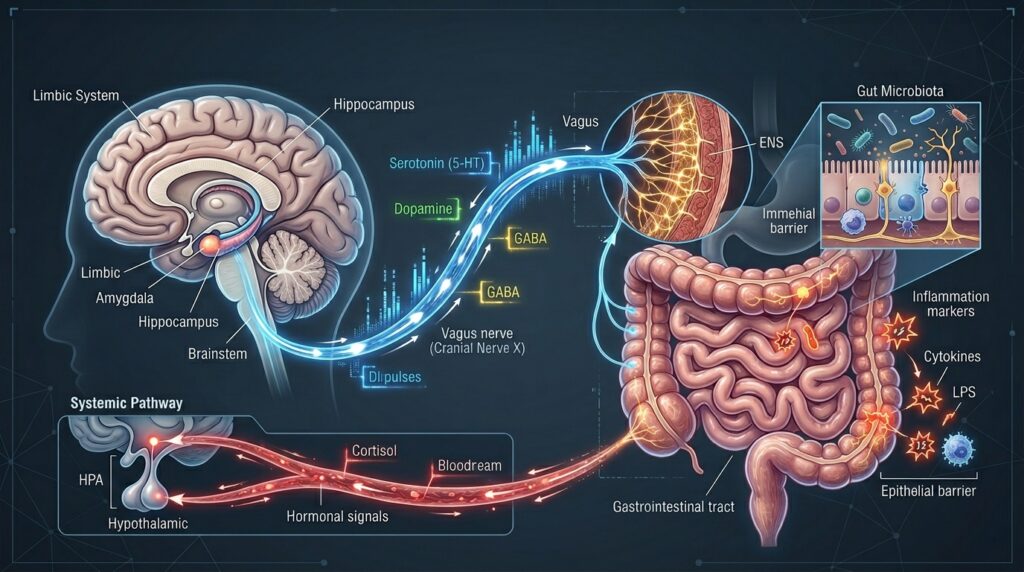
Interestingly, modern research is also exploring how emotions, stress hormones, inflammation, gut health, and the nervous system are deeply connected. Studies on the gut-brain axis and the microbiome are sparking new discussions about how physical health and emotional behaviour influence each other.
What Is Temperament (Mizaj)?
Temperament (Mizaj) refers to the body’s natural temperament or internal balance. According to Unani medicine, every person has a unique combination of:
- Heat
- Coldness
- Dryness
- Moisture
These combinations create different personality types, body structures, emotional reactions, and disease tendencies.
Traditional Unani medicine mainly describes four temperaments, but in practical observation, a fifth category called Mixed Temperament is also very important.
1. Safrawi Mizaj (Hot and Dry Temperament)
Safrawi personalities are usually energetic, intense, reactive, and fast-moving.
Common Physical Signs
- High body heat
- Excess sweating
- Acidity or heat-related digestive issues
- Fast metabolism
- Reduced sleep
Emotional and Behavioural Traits
- Quick anger
- Impatience
- Strong leadership qualities
- Competitive personality
- Fast decision-making
Ancient Understanding
Traditional Unani physicians believed excessive internal heat and dryness could create irritability, aggression, and inflammatory conditions in the body.
Ancient Temperament Theory Explained: Modern Scientific Perspective
Modern research connects chronic stress, inflammation, and stress hormones with emotional reactivity and nervous system overstimulation. Some studies suggest that inflammatory processes may influence mood and behaviour.
2. Balghami Mizaj (Cold and Moist Temperament)
Balghami temperament is generally calm, slow, comfort-seeking, and low-energy.
Common Physical Signs
- Fatigue and sluggishness
- Cold hands and feet
- Slow digestion
- Weight gain tendency
- Excess sleep
Emotional and Behavioural Traits
- Low motivation
- Slow reactions
- Avoidance behavior
- Emotional suppression
- Comfort addiction
Ancient Understanding
Traditional systems associated excess coldness and moisture with reduced body activity, slower digestion, and low physical energy.
Modern Scientific Perspective
Modern studies on metabolism, gut health, and the gut-brain axis show that digestive health and inflammation may influence energy levels, emotional stability, and mental clarity.
3. Damwi Mizaj (Hot and Moist Temperament)The The
Damwi temperament is often considered the most balanced and socially adaptive personality type.
Common Physical Signs
- Healthy circulation
- Balanced appetite
- Stable energy
- Healthy skin tone
Emotional and Behavioural Traits
- Optimistic personality
- Social confidence
- Balanced emotions
- Positive communication style
Ancient Understanding
Classical Unani scholars considered the Damwi temperament closer to physical and emotional balance.
Modern Scientific Perspective
Modern neuroscience also suggests that stable nervous system regulation and emotional resilience are associated with better physical and psychological health.
4. Saudawi Mizaj (Cold and Dry Temperament)
Saudawi’s temperament is deeply analytical, emotionally sensitive, and mentally active.
Common Physical Signs
- Dry skin
- Sleep disturbances
- Digestive sensitivity
- Low emotional expression
Emotional and Behavioural Traits
- Overthinking
- Anxiety tendency
- Perfectionism
- Isolation behavior
- Fear-based thinking
Ancient Understanding
Traditional physicians connected excessive dryness with nervous tension, fear, and emotional exhaustion.
Modern Scientific Perspective
Modern research on anxiety, stress biology, and the gut-brain axis suggests that chronic stress and inflammation may influence emotional disorders and mental fatigue.
5. Mixed or Combined Temperament
According to practical observation, many people do not fit perfectly into a single temperament category. Instead, they may show mixed traits.
Examples include:
- Safrawi + Saudawi
- Balghami + Saudawi
- Damwi + Safrawi
This mixed temperament pattern often makes diagnosis more complicated because symptoms overlap.
Why Ancient Mizaj Theory Still Matters Today
The strength of the Mizaj system is that it views the human body and mind as a connected system instead of separating emotions from physical health.
It studies:
- Personality
- Stress response
- Sleep patterns
- Digestion
- Energy levels
- Emotional behavior
Modern science is also increasingly recognising the connection between inflammation, gut health, emotional regulation, and the nervous system.
Modern Lifestyle and Temperament (Mizaj) Imbalance
Several modern habits may disturb natural body balance:
- Sleep deprivation
- Chronic stress
- Processed foods
- Late-night screen exposure
- Lack of physical activity
- Emotional suppression
These factors can affect both physical health and emotional stability.
Basic Lifestyle Correction According to Temperament
For Safrawi Temperament
- Cooling foods
- Stress reduction
- Better sleep routine
- Moderation in spicy foods
For the classical Unani concept of Safrawi temperament (hot and dry), cooling foods are traditionally recommended to help reduce excess internal heat, irritability, dryness, acidity, and overstimulation.
These foods are generally described as:
- cooling
- hydrating
- soothing
- less spicy
- less inflammatory
- moisture-supportive
Below are commonly recommended traditional examples.
Cooling Foods Traditionally Recommended for Safrawi Temperament
Cooling Vegetables
These are traditionally considered light, hydrating, and cooling:
- Cucumber
- Bottle gourd
- Pumpkin
- Zucchini
- Lettuce
- Spinach (moderate amounts)
- Ash gourd
- Ridge gourd
- Celery
- Mint
- Coriander leaves


Cooling Fruits
Traditionally used to reduce heat and support hydration:
- Watermelon
- Pomegranate (sweet varieties)
- Pears
- Apples
- Sweet melon
- Coconut water
- Grapes (moderate amounts)
- Figs
- Berries


Cooling Dairy & Hydrating Foods
Traditionally considered soothing for heat-dominant individuals:
- Yoghurt (moderate amounts)
- Lassi
- Buttermilk
- Fresh milk (if tolerated)
- Soaked chia or basil seeds
Important:
Very cold sugary drinks are generally different from traditionally “cooling” foods.


Traditionally Used Cooling Herbs
Often associated with calming and cooling effects:
- Mint
- Coriander
- Fennel
- Rose petals
- Cardamom
- Lemon balm


Foods Traditionally Limited for Safrawi Temperament
Classical systems often advise moderation with:
- Excessively spicy foods
- Deep-fried foods
- Heavy fast food
- Excess red chilli
- Overuse of caffeine
- Excess processed sugar
- Highly acidic foods
- Excessive grilled/smoky foods
These are traditionally associated with increasing “heat” and irritation.
Modern Scientific Perspective
Some traditionally “cooling” foods also happen to be:
- water-rich
- fiber-rich
- less processed
- lower in inflammatory load
- supportive for hydration and digestion
Modern nutrition science does not officially classify foods as “hot” or “cold” in the Unani sense, but many hydrating plant foods are associated with:
- better digestion
- reduced dehydration
- improved metabolic balance
- and healthier inflammatory responses.
Important Note
Traditional temperament-based diets are historical wellness frameworks and should not replace medical nutrition advice or treatment for health conditions.
Individual tolerance, allergies, digestion, climate, activity level, and medical conditions all matter.
For Balghami Temperament
- Warm foods
- Regular movement and exercise
- Avoid excessive sleeping
- Improve digestion
For the traditional Unani concept of Balghami temperament (cold and moist), warm and stimulating foods are commonly recommended to help support:
- digestion
- circulation
- energy
- metabolic activity
- and reduced sluggishness
These foods are traditionally described as:
- warming
- light to digest
- circulation-supportive
- moisture-reducing
- and energizing
Traditionally Recommended Warm Foods for Balghami Temperament
🫚 Warming Herbs & Spices
These are traditionally associated with improving digestion and internal warmth:
- Ginger
- Cinnamon
- Black pepper
- Cloves
- Cardamom
- Turmeric
- Cumin
- Fennel
- Ajwain (carom seeds)


Warm & Light Meals
Traditionally preferred over heavy, oily, or excessively cold meals:
- Warm soups
- Lentil soups
- Lightly cooked vegetables
- Bone broth
- Oats
- Barley soup
- Steamed foods
- Grilled lean proteins


Traditionally Energising Foods
Often associated with improving strength and warmth in moderation:
- Dates
- Honey
- Soaked almonds
- Walnuts
- Sesame seeds
- Raisins


Protein Sources Traditionally Considered Warming
Moderate amounts are often preferred for low-energy constitutions:
- Chicken soup
- Eggs
- Fish
- Lean meat in moderation
Traditionally, very heavy overeating is discouraged because it may worsen sluggishness.


Warm Drinks Traditionally Preferred
Traditionally used to support digestion and circulation:
- Ginger tea
- Cinnamon tea
- Warm water
- Herbal infusions
- Light green tea in moderation


Foods Traditionally Limited for Balghami Temperament
Traditional systems often recommend reducing:
- Ice-cold drinks
- Excess yogurt at night
- Heavy fried foods
- Excess sugary desserts
- Processed junk foods
- Excessive sleeping after meals
- Very heavy dairy intake
These are traditionally associated with increasing sluggishness, mucus, or digestive heaviness.
Modern Scientific Perspective
Many traditionally “warming” foods contain:
- digestive-supportive compounds
- antioxidants
- circulation-supportive spices
- and metabolism-related bioactive compounds
For example:
- Ginger and cinnamon have been studied for their digestive and metabolic effects
- Protein-rich meals may support satiety and energy balance
- Warm meals may feel easier to digest for some individuals
Modern science does not officially classify foods as “hot” or “cold” in the Unani sense, but some traditional observations overlap with nutrition and digestion research.
Important Note
Temperament-based food systems are traditional wellness frameworks and should not replace professional medical or nutritional advice.
Individual tolerance, medical conditions, allergies, climate, and lifestyle all influence dietary needs.
For Saudawi Temperament
- Relaxation techniques
- Stress management
- Stable routines
- Emotional expression
Important Scientific Note
Mizaj classification is a traditional observational system and should not replace modern medical diagnosis or treatment. However, it may offer useful insights into lifestyle patterns, emotional tendencies, and personalised health approaches.

Conclusion
Tabiba Masooma’s practical explanation style helped simplify the ancient Mizaj system for modern audiences. The theory of temperament continues to attract attention because it attempts to connect physical health, emotional behaviour, stress response, digestion, and personality into one unified framework.
Modern science and ancient systems may use different languages, but both increasingly recognise that the human body and mind are deeply interconnected.
Frequently Asked Questions (FAQs)
Can a person have more than one temperament?
Yes. Many people show mixed temperament patterns rather than fitting into a single category.
Can temperament change over time?
Yes. Age, lifestyle, stress, diet, sleep, and environment can influence temperament patterns.
Does temperament affect emotional health?
Traditional systems suggest a strong connection between temperament and emotional behaviour, while modern science is also studying links between stress, inflammation, and mental health.
Is there a connection between gut health and emotions?
Modern gut-brain axis research suggests that digestive health and emotional well-being may influence each other.
Purpose of This Article: This article aims to explain the ancient Unani concept of Mizaj (temperament) in a simple and modern way by connecting traditional temperament theory with emotional behaviour, lifestyle patterns, digestion, stress response, and emerging scientific research related to the gut-brain axis, inflammation, and mind-body health.
About Tabiba Masooma
Tabiba Masooma Zehra is known for her work in alternative and traditional healing approaches in Pakistan. Through patient observation, lifestyle-based guidance, and practical explanations of Unani temperament theory (Mizaj), she helped simplify complex traditional concepts for general audiences.
According to publicly available professional information, she has more than two decades of experience connected with alternative medicine and wellness-related practice. Her discussions often focus on digestion, temperament analysis, lifestyle correction, and natural healing approaches.
One of the reasons her explanations gained attention is her practical observational style, where body signs, emotional behaviour, sleep patterns, digestion, and lifestyle habits are analysed together instead of viewing symptoms in isolation.
References
- Research on the Gut-Brain Axis and Emotional Health
- Studies on Inflammation and Stress Biology
- Traditional Unani Medicine Literature
- Modern Research on Microbiome and Behaviour