
The Architecture of Recovery & Rest: Why Sleep and Stress Are the New Longevity Medicine (2026)
The Architecture of Recovery & Rest. In 2026, sleep, stress regulation, and nervous system recovery are no longer “wellness trends” but clinical longevity tools. Explore the new science of recovery, sleep optimisation, contrast therapy, and gender-specific solutions shaping the future of healthspan.
https://mrpo.pk/the-biological-age-revolution/
The Architecture of Recovery & Rest
Introduction: The Silent System Behind Longevity
For decades, health advice revolved around eating better, exercising more, and pushing harder.
But something quietly changed.
In 2026, the most advanced conversations in longevity science are no longer about performance alone—they are about recovery architecture. Because the body does not grow stronger during effort. It grows stronger during recovery.
And yet most people are not under-recovered because they are lazy. They are under-recovered because their nervous system never fully switches off.
This is the hidden crisis of modern life.
And it is now being treated as medicine.
Why Recovery Has Become the New Health Frontier
The cultural story of “sleep less, achieve more” is collapsing.
We are now witnessing a shift where:
- Recovery is a performance multiplier
- Sleep is a biological KPI
- Stress regulation is a longevity intervention
Burnout is no longer seen as a badge of honour; it is recognised as a biological cost.
Longevity science now asks a different question:
Not “How long can you live?” but “How well can your system recover while living?”
Why sleep matters more than most people realize
Sleep affects nearly every system that determines long-term health and performance. Poor sleep is not just about feeling tired. It can influence insulin resistance, appetite regulation, inflammation, hormone balance, cognitive function, cardiovascular risk, and recovery capacity.
- Metabolic health: insulin sensitivity, glucose control, and fat storage
- Hormone balance: cortisol rhythm, testosterone, estrogen, and growth hormone
- Brain health: memory consolidation, mood regulation, and cognitive clarity
- Recovery: muscle repair, inflammation control, and physical resilience
Sleep is one of several core systems that drive long-term health. To understand how sleep fits into the larger physiology of longevity, see What Actually Moves Longevity Metrics.
Sleep as a Precision Discipline
Sleep is no longer passive rest. It is engineered biology.
Circadian Rhythm Alignment
Modern sleep science focuses heavily on timing:
- Morning sunlight exposure
- Consistent sleep/wake cycles
- Nighttime light reduction
Even small disruptions in circadian rhythm can affect hormones, metabolism, and cognitive function.
Environmental Sleep Engineering
The bedroom is becoming a recovery environment:
- Temperature control (cooler environments for deeper sleep)
- Light elimination (especially blue light)
- Sound regulation
- Air quality optimization
Affiliate Recommendation: Sleep Environment Upgrade
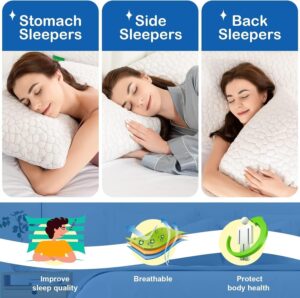
SUPA MODERN Cooling Pillow Queen Size Set of 2, CertiPUR-US Shredded Memory Foam Pillows for Sleeping
- Cooling pillow + breathable bedding systems
- Helps regulate night temperature for deeper sleep cycles
➡ Check on Amazon https://a.co/d/04pzC92I
Sleep Tracking Becomes Mainstream
Wearables have turned sleep into measurable data:
- Sleep stages
- HRV (Heart Rate Variability)
- Recovery scores
Affiliate Recommendation: Sleep & Recovery Tracker
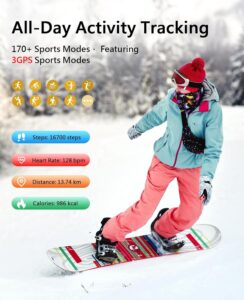
Smart Bracelet for Women, Men, Health Activity Fitness Trackers
Best for tracking sleep, HRV, and daily recovery readiness.
➡ Check on Amazon https://a.co/d/04SZiTae
But there is a growing tension emerging…
The Over-Optimisation Backlash
A new problem is emerging in 2026: wellness anxiety.
When every night’s sleep becomes a score, rest becomes performance pressure.
People are asking:
“Why do I feel stressed about trying to relax?”
This is the paradox of hyper-tracking.
The nervous system does not always respond well to being monitored; it responds to safety, not data.
Nervous System Safety: The New Wellness Frontier
Modern fatigue is not just physical; it is neurological.
Chronic Cortisol Overload
Symptoms include:
- Brain fog
- Emotional flattening
- Poor sleep despite exhaustion
- Constant low-level anxiety
The issue is not lack of sleep alone; it is a nervous system stuck in “on” mode.
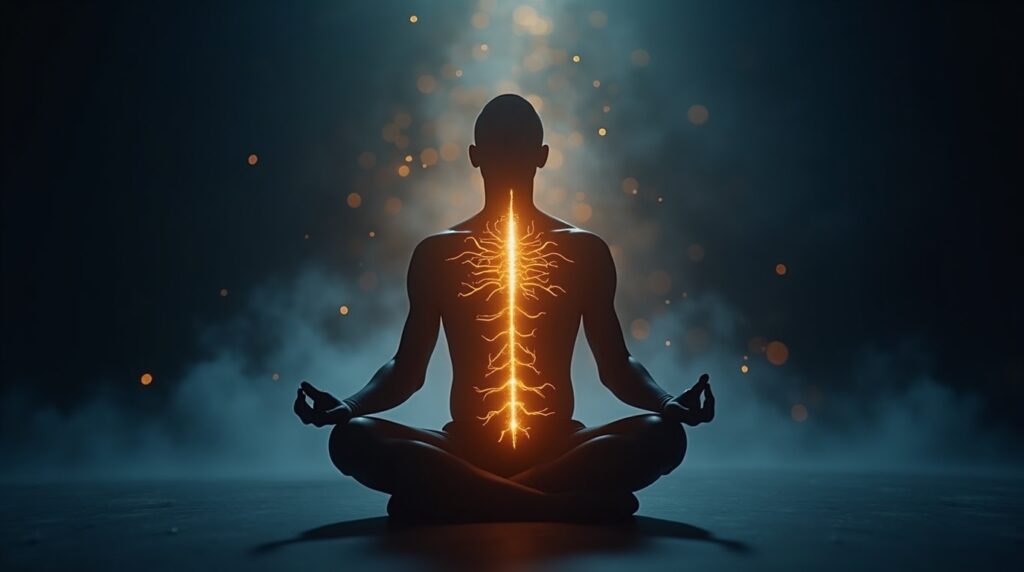
The Architecture of Recovery & Rest: Vagus Nerve Regulation
The vagus nerve is central to relaxation and recovery.
Emerging practices include:
- Slow breathing techniques
- Cold exposure
- Gentle humming and vocal toning
- Somatic awareness practices
Affiliate Recommendation: Breath & Recovery Tool
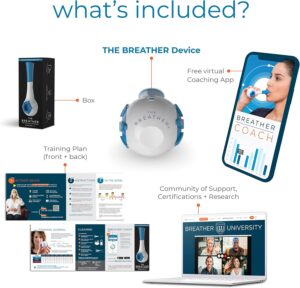
THE BREATHER │ Natural Breathing Exerciser Trainer For Drug-Free Respiratory Therapy │ Breathe Easier with Stronger Lungs │ Guided Mobile Training App Included
Helps guide slow breathing patterns to activate the parasympathetic recovery response.
➡ Check on Amazon https://a.co/d/044GWeHg
Somatic Release Practices
Recovery is no longer only mental.
It is bodily.
Movement-based stress release, shaking therapies, and guided somatic exercises are becoming mainstream tools for emotional reset.
Contrast Therapy Goes Mainstream
What was once elite athlete recovery is now residential wellness design.
Cold Exposure Benefits
Cold plunges are associated with:
- Increased alertness
- Improved resilience to stress
- Enhanced recovery response
Infrared Sauna Therapy
Heat exposure supports:
- Circulation
- Relaxation
- Recovery signalling pathways
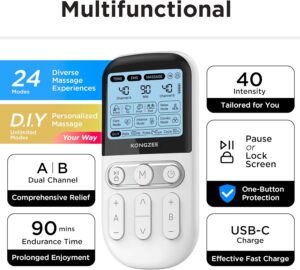
Affiliate Recommendation: Contrast Therapy Setup
4 in 1 – D.I.Y & Tens Unit & EMS & Massage Muscle Stimulator, Dual Channel TENS Units Therapy Machine for Pain Relief, FDA Cleared
Portable systems that bring ice-bath recovery into the daily routine.
➡ Check on Amazon https://a.co/d/03MYaMNu
Infrared Sauna Blanket
At-home heat therapy for relaxation and recovery support.
➡ Check on Amazon (affiliate link)
HRV: The New Longevity Metric
Heart Rate Variability reflects how adaptable your nervous system is.
Higher HRV often indicates:
- Better recovery
- Stronger stress resilience
- Improved sleep quality
Wearables are making HRV a mainstream wellness indicator.
Gender and Recovery: Why Biology Changes Everything
Recovery is not identical across all bodies.
It is shaped by hormones, stress response systems, and life stages.
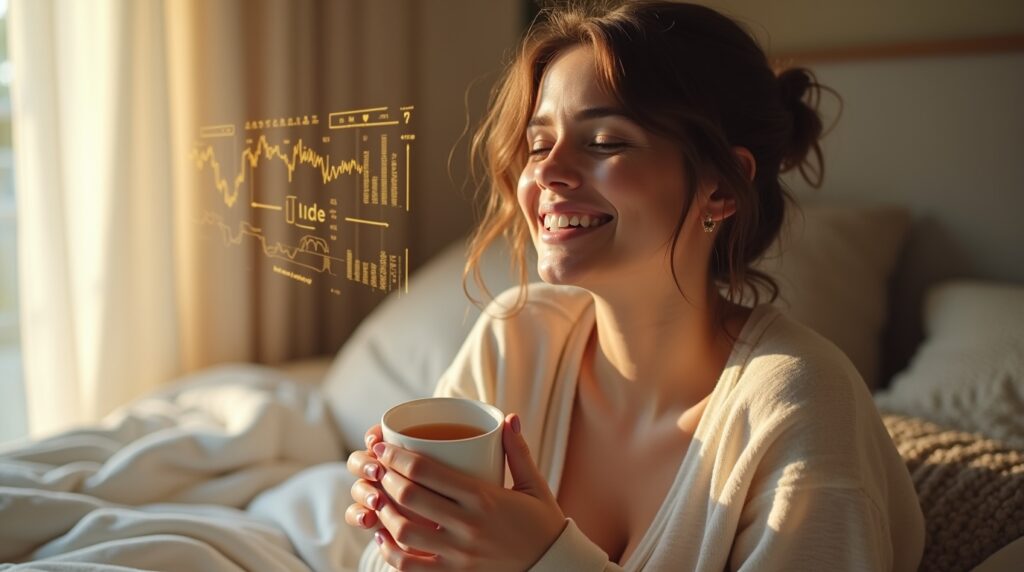
Women’s Recovery Patterns
Women often experience:
- Hormonal sleep fluctuations
- Higher sensitivity to stress cycles
- Perimenopause and menopause-related sleep disruption
- Greater emotional load and multitasking stress
Women’s Recovery Patterns
Common Recovery Challenges
- Night awakenings
- Temperature sensitivity
- Anxiety-linked insomnia
Practical Recovery Approaches
- Cooling sleep environments
- Cycle-aware training and rest schedules
- Magnesium and relaxation support
- Nervous system calming rituals
Affiliate Recommendation: Women’s Sleep Support
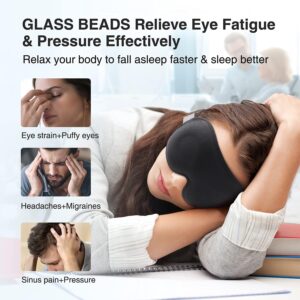
YFONG Weighted Sleep Mask, Women Men 3D Blocking Lights Sleeping Mask
Designed to support temperature regulation and deep pressure relaxation.
➡ Check on Amazon https://a.co/d/0gYnhJ8B
Men’s Recovery Patterns
Men often face:
- Underreported stress accumulation
- Overtraining without adequate rest
- Sleep apnea risk
- Emotional suppression of fatigue signals
Common Recovery Challenges
- “Pushing through” exhaustion
- Poor sleep quality despite fatigue
- Hidden burnout patterns
Practical Recovery Approaches
- Structured deload training
- Breathwork and down-regulation routines
- Sleep consistency prioritisation
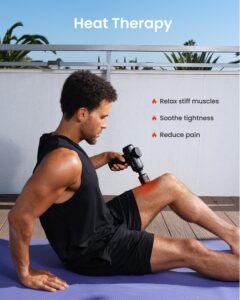
RENPHO Active Thermacool 2 Massage Gun with Heat and Cold
Affiliate Recommendation: Recovery Tools for Men
RENPHO Active Thermacool 2 Massage Gun with Heat and Cold, Father’s Day Dad Gifts
Supports muscle recovery and tension release after stress or training.
➡ Check on Amazon https://a.co/d/0cVCuNfr
The Midlife Recovery Shift
As people age, recovery requirements change dramatically:
- Hormonal changes
- Reduced sleep efficiency
- Slower stress recovery
This is where recovery becomes not optional, but essential.
Building Your Personal Recovery Architecture
True recovery is not one tool. It is a system.
-
Sleep First, Everything Else Second
No supplement replaces sleep structure.
-
Nervous System Daily Reset
- Breathwork
- Nature exposure
- Screen breaks
-
Technology With Boundaries
Use tracking tools for awareness, not identity.
-
Consistency Over Intensity
Recovery is built through repetition, not occasional optimisation.
The Future of Recovery (Beyond 2026)
We are moving toward:
- Recovery-focused home design
- AI-guided sleep coaching
- Personalised stress biology mapping
- Longevity-centred healthcare models
The home itself will become a recovery environment.
Conclusion: The Most Advanced Health Skill Is Rest
We often think of discipline as doing more.
But in the next era of health, discipline may look different.
It may look like:
- Sleeping on time
- Protecting the nervous system’s calm
- Recovering before exhaustion becomes collapse
Because the future of longevity may not belong to those who push the hardest—but to those who recover the smartest.
And in that sense, rest is no longer the opposite of productivity.
It is the foundation of it.
FAQs
Is sleep really the most important longevity factor?
Yes, sleep regulates nearly every system tied to ageing, from hormones to immune function.
What is HRV and why does it matter?
HRV measures nervous system flexibility and recovery capacity.
Are cold plunges actually effective?
They may improve resilience, alertness, and stress adaptation when used consistently.
Do men and women need different recovery strategies?
Yes, hormonal and physiological differences affect sleep, stress, and recovery needs.
What is the simplest recovery habit?
Consistent sleep timing and morning light exposure.
Final Thought
Recovery is no longer something you “fit in” after life.
It is the system that allows life to function properly.
Transparency Note:
Some links in this article are affiliate links. If you choose to purchase through them, we may earn a small commission, which helps support our work and comes at no additional cost to you.
References
Sleep, Circadian Rhythm & Longevity
- National Institutes of Health (NIH) – Sleep and Circadian Biology Research
- Harvard Medical School – Division of Sleep Medicine
- Matthew Walker, Why We Sleep (sleep science foundation reference)
HRV, Stress & Nervous System
- American Heart Association (AHA) – Heart Rate Variability studies
- Frontiers in Neuroscience – Vagus nerve and parasympathetic regulation research
- Polyvagal Theory (Dr. Stephen Porges)
Contrast Therapy (Cold + Heat Exposure)
- Journal of Physiology – Cold exposure and metabolic response studies
- Sports Medicine Journal – Cryotherapy and recovery research
- Sauna and cardiovascular health studies (University of Eastern Finland research)
Stress, Cortisol & Burnout
- World Health Organization (WHO) – Burnout classification
- Cleveland Clinic – Chronic stress and cortisol impact