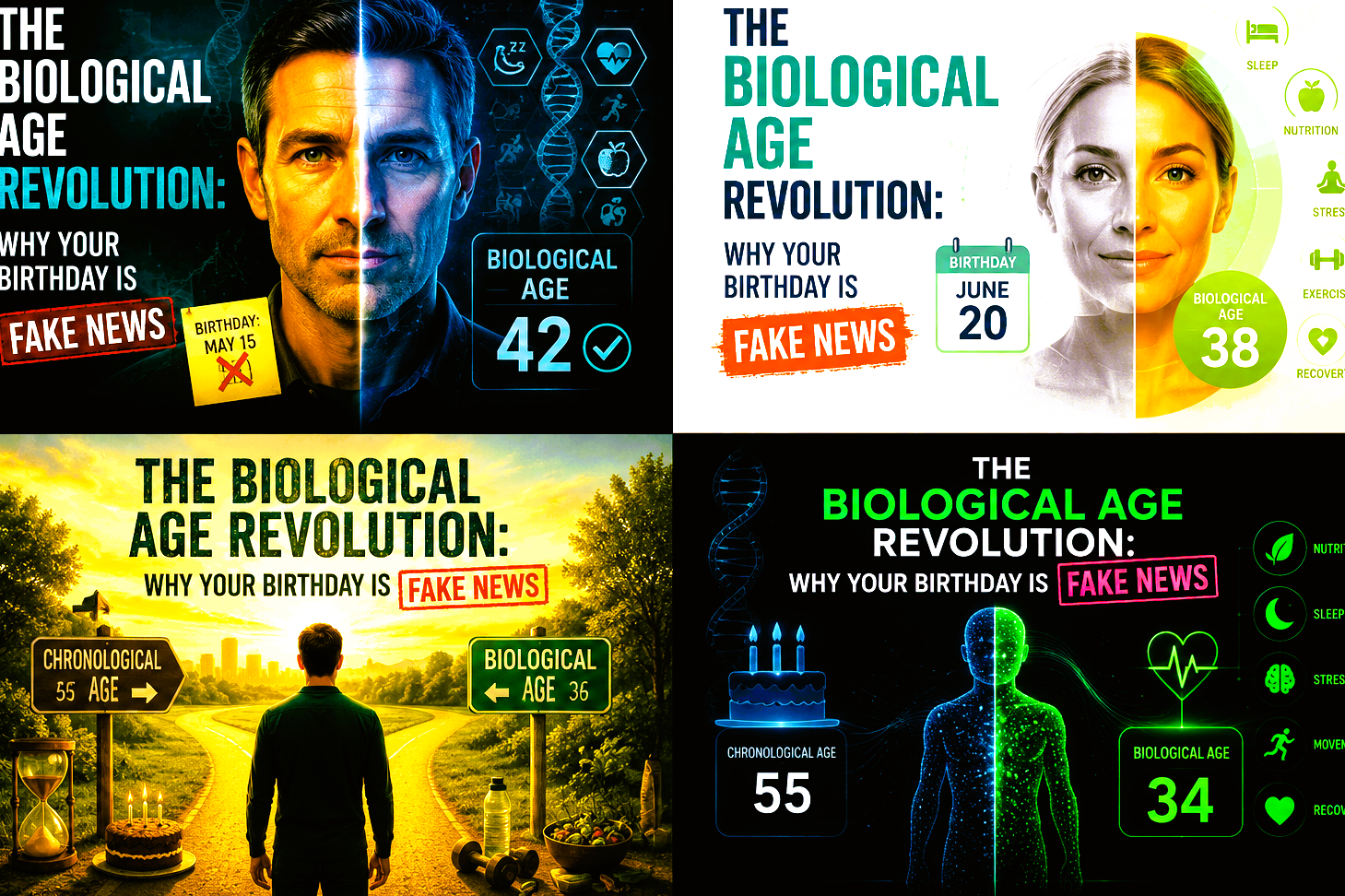

The Biological Age Revolution: Why Your Birthday Is Fake News
The Biological Age Revolution. Think about the last time you celebrated a birthday. You probably blew out candles, ate some cake, and added one more year to your count. But here is a wild, real-time update from the front lines of modern medicine: that number does not actually tell you how old you are.
https://mrpo.pk/healthy-ageing-after-65/
We have all seen this truth playing out right in front of us. Think of two sixty-year-olds in your own life or neighbourhood. One might be full of life, hiking trails, and laughing constantly. The other might feel tired all the time, struggle to get out of a chair, and feel entirely worn out. Even though the calendar says they are the same age, their bodies are living two completely different realities.
“Age is an issue of mind over matter. If you do not mind, it does not matter.” Mark Twain
Top global researchers are throwing away the calendar. Instead of looking at lifespan, which means how many total years you hang around on Earth, the focus has completely shifted to healthspan, the number of years you actually feel awesome, healthy, and full of vitality.
Right now, there is a frustrating nine-year gap for most people worldwide, regardless of gender. That means the average person spends their final decade on Earth feeling sick, tired, or in pain. The goal of this biological age revolution is not about living to a fragile old age in a hospital bed. It is about closing that gap so everyone, everywhere, can live vibrant, active lives right up until the very end.
Your Body’s Real Age: Why Biological Age Matters More Than Your Birthday
Most of us are pretty familiar with our age, which we celebrate every year on our special day. Here’s an interesting thought, though: this number does not necessarily indicate how well our bodies are ageing. Two people, both aged 50, can have vastly different health profiles.
What matters most to your health over time is not the number of candles on your cake, but rather how your body is ageing on the inside. That’s where your biological age comes in.
Chronological Age vs. Biological Age
- Chronological Age simply calculates the years you have lived since birth.
- Biological Age takes into consideration the state of your body, how your organs, cells, and systems are functioning in relation to your actual age.
Research shows that those with a lower biological age tend to have a lower risk of chronic disease, higher energy, and a better quality of life. Your biological age can be older or younger than your real age based on factors like lifestyle, environment, and genetics. You could be 55 years old chronologically but biologically closer to 45, or the other way around.
https://goqii.com/blog/biological-age-vs-chronological-age-guide/
Difference Between Lifespan and Healthspan?
To fix a problem, we have to understand it. Lifespan is simply a quantity metric. It tracks survival. Healthspan is a quality metric. It tracks functional youth. When we talk about the healthspan gap, we are talking about a period of human decline that modern lifestyle choices can actively shorten.
By establishing a clear biological baseline early in life, you stop guessing about your wellness. You begin to measure it with scientific accuracy. This is the foundation of proactive medicine, moving away from treating a disease after it makes you sick, and moving toward protecting your energy before it ever drops.

Meet Your Epigenetic Clock: The Speedometer Inside Your Cells
To understand how your true age is calculated, we have to look inside your body at a booming scientific field called epigenetics.
Think of your DNA like a massive instruction manual for building you. You are born with this book, and you cannot change the words inside it. But your daily environment and life choices act like a highlighter marker. They can highlight certain pages so your body reads them loudly, or they can cross pages out so your body ignores them completely. This biological process of highlighting and crossing out is called DNA methylation.
Scientists have finally figured out how to read these chemical marks using an epigenetic clock. Instead of counting calendar years, this clock measures the actual molecular wear and tear that has happened inside your cells.
Think of the DunedinPACE algorithm as a real-time speedometer for how fast your body is ageing.
Most age tests look backwards. They tell you how much grey hair or cellular “rust” you have already built up over the years. DunedinPACE is completely different because it looks at what your cells are doing right now, this second.
The Advanced DunedinPACE Algorithm Explained Simply
The absolute gold standard in this science is the DunedinPACE algorithm, developed by researchers at Duke University and the University of Otago. It does not just give you a flat, static age number. It acts like a real-time speedometer for your body, measuring your exact pace of cellular ageing.
To understand it easily, imagine two cars driving down a highway:
-
Car A is cruising at a safe, smooth 60 mph. It isn’t straining the engine, and it has plenty of fuel.
-
Car B is redlining the engine, weaving through traffic, and flying at 90 mph.
Even if both cars started their journey at the exact same time (meaning they are the same chronological age), Car B is burning out its parts drastically faster. It is going to break down much sooner.
DunedinPACE measures your personal biological speed limit by looking at several chemical tags on your DNA. When the test gives you your score, it uses 1.0 as the standard baseline:
-
A score of 1.0 means you are ageing at a perfectly normal speed. For every calendar year that passes, your body gets exactly one biological year older.
-
A score of 0.85 means your engine is running efficiently. You are ageing at a slower, healthier speed. You are only ticking off 0.85 years of biological wear-and-tear for every full year on the calendar.
-
A score of 1.15 means your cellular speedometer is pushing too hard. Your body is ageing at an accelerated pace, putting extra stress on your organs and systems.
The reason scientists love this tool is that it gives you immediate feedback. If you change your diet, fix your sleep, and manage your stress, you don’t have to wait years to see if it worked. You can run the test a few months later and watch your personal speedometer drop, proving that you have successfully slowed down your body’s internal clock.
The Science of DNA Methylation
DNA methylation occurs when small chemical structures called methyl groups are added to the DNA molecule. This process modifies the function of the gene, often turning it off or dampening its expression, without changing the underlying genetic sequence.
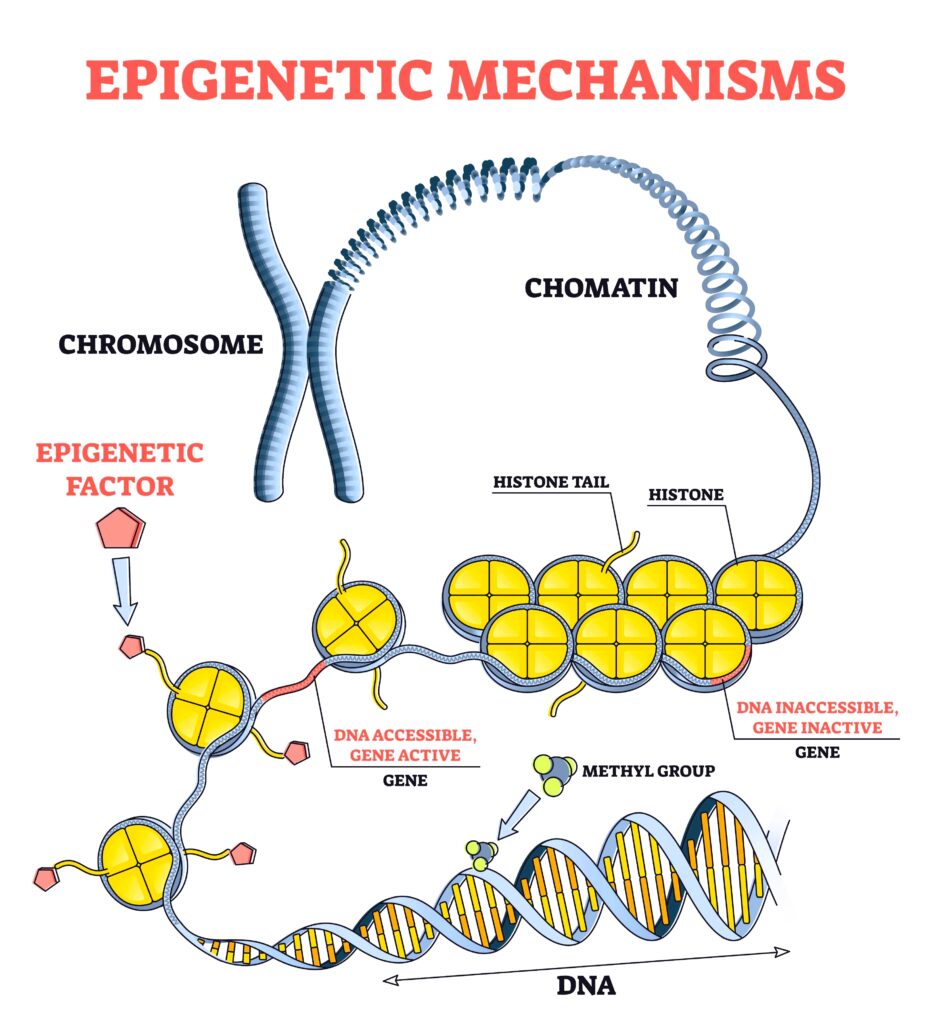
By analysing thousands of these methylation sites across the human genome, advanced algorithms can determine your true biological age with astonishing precision. These algorithms are known as epigenetic clocks.
How is DunedinPACE Measured?
This test is not measured by a machine you sit in or a medical scanner you walk through. Instead, it is analysed in a high-tech genomics laboratory using a tiny sample of your blood or saliva, often collected using a simple kit at home.
In the lab, automated systems isolate the DNA from your cells. Scientists then use a highly advanced tool called a DNA Microarray Scanner. This machine uses specialised lasers to read thousands of those chemical highlighter marks attached to your genes. Finally, that massive map of data is fed into a computer running the DunedinPACE software, which calculates your exact speed of ageing by comparing your cellular patterns to decades of clinical data.
How Different Genders and Age Factors Impact Ageing
Our bodies do not all age the same way. Hormonal shifts, metabolic differences, and lifestyle factors mean that biological ageing looks very different depending on who you are.
1. The Female Journey: Hormones and Balance
Women statistically outlive men across the globe, but they historically spend more of their later years dealing with chronic aches, pains, and mobility challenges. A major biological turning point is menopause. When a woman’s body stops making a protective hormone called estrogen, it is like losing a shield. Suddenly, cells experience more stress, muscles can weaken, and systemic inflammation goes up. The fresh approach today is proactive care, protecting cellular health and bone density before this transition occurs.
2. The Male Journey: Muscle and Heart Health
Men face different statistical risks, often dealing with sudden cardiovascular issues much earlier in life. For men, a prime secret weapon for a long healthspan is skeletal muscle mass. Muscle is not just for looking fit. It acts like a giant metabolic vacuum cleaner that sucks up extra sugar from your blood. When men let their muscle mass slip as they get older, their metabolism slows down, and their cellular speedometer flashes straight into the danger zone.
3. Your Body Through the Decades
Biological optimisation matters at every single stage of life, not just when we get older:
- The 20s and 30s: You feel invincible, but this is actually when the very first chemical marks of poor sleep and unmanaged stress start sticking to your DNA. It is the ultimate time to build a solid health foundation.
- The 40s and 50s: Fascinating new data show that human ageing does not happen in a smooth, straight line. Our bodies actually age in massive, sudden waves, with major cellular shifts spiking around age forty-four and age sixty. This is the critical window to look at your data and adjust.
- The 60s and Beyond: Here, the entire strategy is about keeping your mind sharp, your body moving, your immune system strong, and preserving your total independence.
Demystifying Biohacking: Health Upgrades That Cost Zero Dollars
With all this talk of algorithms and cellular clocks, it is easy to think this lifestyle is only for the ultra-wealthy. You might see stories online about billionaires spending fortunes trying to reverse their age. This is where a concept called biohacking comes in, and it is much simpler than it sounds.
In the simplest words possible, biohacking is the art and science of changing your environment and your lifestyle so that you can take full control of your own biology.
Think of your body like a highly advanced computer. Biohacking is just you figuring out the user shortcuts to make that computer run faster, smoother, and without crashing. Instead of just accepting a slow decline, you ask how you can tweak your food, your sleep, and your daily habits to upgrade your energy.
The best part is that the most powerful biohacks on Earth are accessible to everyone and completely free. They rely on a biological rule called hormesis, which just means that a tiny bit of a healthy challenge wakes your cells up to repair themselves better than before.
Think about lifting a weight. It temporarily tires your muscles out, but your body responds by building the muscle back stronger. You can do the same thing for your cells through simple daily habits:
- Zone 2 Cardio: Go for a walk, jog, or bike ride at a pace where you can comfortably breathe through your nose and talk to a friend, but you could not easily sing a song. This exact level of effort forces your cells to clear out old, broken parts and build fresh, youthful energy factories.
- Eat the Rainbow: Your DNA loves colour. When you eat deeply colored whole foods, like blueberries, spinach, dark chocolate, or a drizzle of high-quality olive oil, you are sending chemical messengers that help your body turn on its own internal survival and repair genes.
The Joy Factor: Protecting Your Nervous System from Over-Optimisation
Here is the biggest trap in the modern wellness world: getting so stressed out about being healthy that the anxiety itself makes you sick. If you are constantly panicking about your sleep scores, obsessing over every bite of food, and tracking your metrics with pure anxiety, your brain floods your body with a stress chemical called cortisol. Chronic cortisol acts like acid on your cellular machinery, speeding up your epigenetic clock.
“The cheerful mind perseveres, and the thoughts of cheerful diligence clear the path to a smooth life.” Thomas Jefferson
The golden rule of modern longevity is that happiness is a biological strategy. A relaxed nervous system is a young nervous system. You cannot optimise your health if your routine causes constant mental exhaustion.
Instead of isolating yourself to track data in a room, remember that human connection is a fundamental necessity for your cells. When we look at global communities where people regularly live vibrant lives past one hundred, they are not living in high-tech labs. They live in tight-knit communities. They laugh with friends, share wholesome meals, walk outside daily, and feel a deep sense of belonging.
Your Daily Blueprint: How to Read and Translate Your Body Signals
Data should never feel like a scary school report card. It should feel like a compass showing you which way to walk. Here is how to use everyday, real-time signals to adjust your lifestyle without stress:
- If you feel sluggish and slow for a few weeks, your cellular speedometer might be running a bit too fast due to low-grade inflammation. Do not panic. Just focus on getting to bed thirty minutes earlier, drinking more water, and adding a few more colourful vegetables to your plate.
- If your fitness tracker shows your body did not recover well overnight, do not force yourself through a brutal, exhausting workout the next day. Listen to your body. Swap the heavy gym session for a gentle stretch, a mobility flow, or a casual walk in nature. This protects your nervous system from systemic burnout.
- If you want to enjoy your favourite treats without a massive sugar crash, alter the order of your food. Eat your vegetables and protein first, and save the carbohydrates or sweet treats for the end of the meal. Then, take a simple ten-minute walk around the block. Your muscles will soak up the sugar for fuel before it can cause stress to your cells.
By shifting your focus from the calendar to your actual daily vitality, you take full control of your personal story. You cannot stop the earth from spinning around the sun, but you can absolutely choose how well, how vibrant, and how energised you travel along for the ride.
Frequently Asked Questions
Can I actually reverse my biological age?
Absolutely. That is the most empowering part of this science. Because your epigenome responds directly to your choices, adopting healthier habits can cause your cells to shed signs of wear and tear, effectively lowering your biological age below your calendar age over time.
How do I find out my real biological age?
You can use specialised at-home health test kits that analyse your DNA using a simple saliva or blood spot sample. For the most accurate, real-time results, look for tests that measure DNA methylation and utilise the third-generation DunedinPACE algorithm.
Is biological age testing the same as a normal doctor’s blood test?
No. A standard doctor test is reactive, meaning it looks for existing diseases, like checking if your blood sugar has already crossed into a dangerous range. A biological age test is proactive. It looks at your deep cellular coding to see how fast your body is travelling toward potential decay, giving you time to change direction.
Do I need to buy expensive supplements to improve my healthspan?
No. While some targeted supplements can offer support, clinical science proves that basic, free habits, like consistent deep sleep, regular brisk walking, managing your stress, and eating whole foods, have a far greater impact on your cellular clock than any pill.
Why does muscle mass matter so much for ageing?
Think of muscle like your body’s metabolic sponge. It stores energy and clears sugar out of your bloodstream. As we age, a loss of muscle mass makes it much easier for the body to develop insulin resistance and metabolic dysfunction, which rapidly accelerates cellular ageing.
Does being stressed out really make you age faster?
Yes, objectively. Chronic stress keeps your body in a constant state of emergency. This elevates systemic inflammation and prevents your cells from performing routine maintenance and self-repair, causing your biological clock to tick much faster.
Purpose of This Article
The purpose of this article is to inform global readers about the shift from lifespan to healthspan, introducing modern concepts like biological age testing, the DunedinPACE algorithm, and practical biohacking. It aims to empower individuals of all genders and age groups with actionable, scientifically backed insights to optimise their cellular health, manage stress, and improve daily vitality without tracking burnout.
Disclaimer Statement
The information provided in this article is for educational, informational, and entertainment purposes only and should not be understood as professional medical advice, diagnosis, or treatment. Always consult with a qualified physician or healthcare provider regarding any medical condition, dietary changes, or physical exercise routines. Never disregard professional medical advice or delay seeking it because of something you have read in this article.
References and Deep Reading
- The DunedinPACE Study: Belsky, D. W., et al. (2022). DunedinPACE, a DNA methylation biomarker of the pace of aging for geroscience applications. eLife.
- The Science of Epigenetic Clocks: Horvath, S., & Raj, K. (2018). DNA methylation-based biomarkers and the epigenetic clock theory of aging. Nature Reviews Genetics.
- Lifespan vs. Healthspan Data: World Health Organization (WHO). Global Health Estimates: Life expectancy and healthy life expectancy.
- The Power of Muscle for Longevity: Wolfe, R. R. (2006). The underappreciated role of muscle in health and disease. The American Journal of Clinical Nutrition.