
Congress Flipped Trump’s Iran Script: The War Powers Rebellion. The “Real Estate “Diplomats Exposed
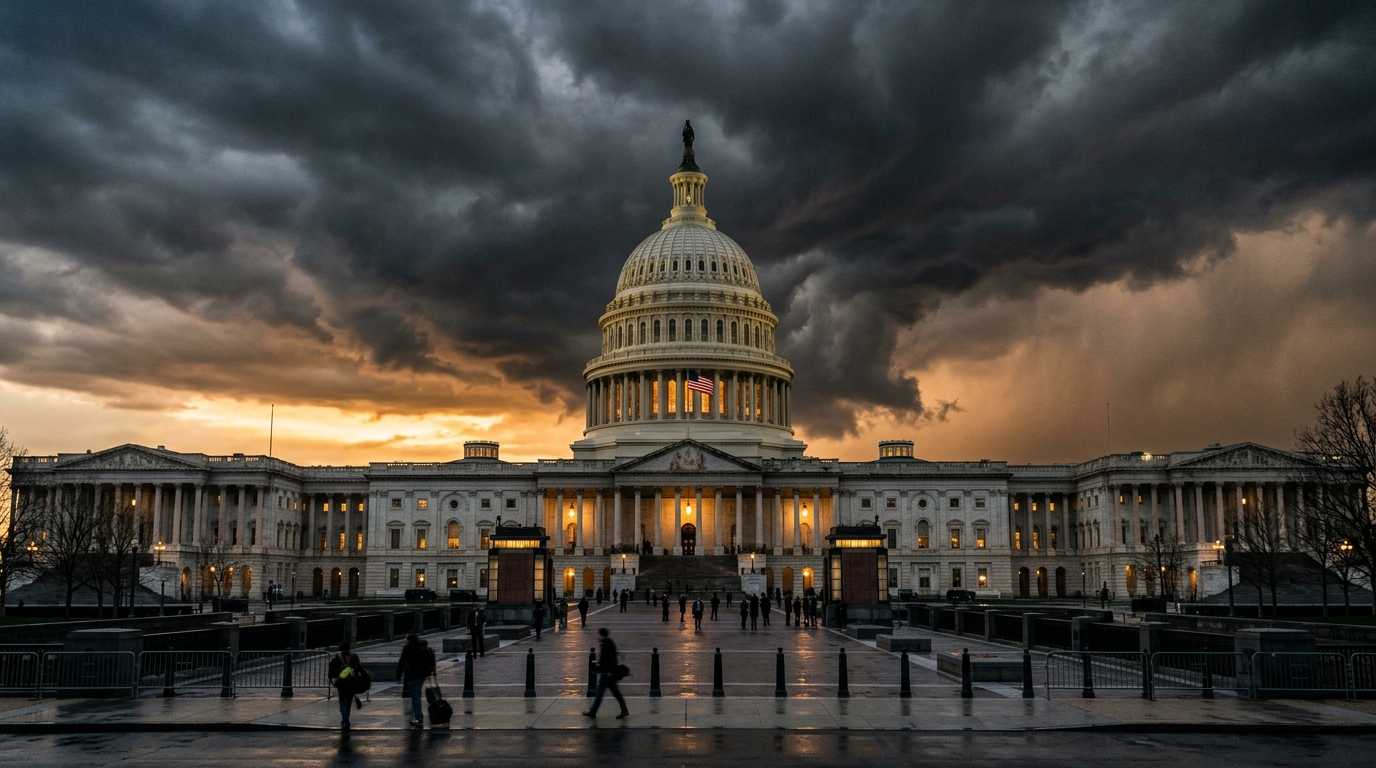
Congress flipped Trump’s Iran script. The floor of the United States House of Representatives recently broke into spontaneous cheers following a historic legislative rebuke. In a razor-thin 215–208 vote, a bipartisan coalition formally passed a War Powers Resolution, stripping President Donald Trump of his authority to wage unilateral, open-ended warfare against Iran.
https://mrpo.pk/why-iran-refuses-to-break/
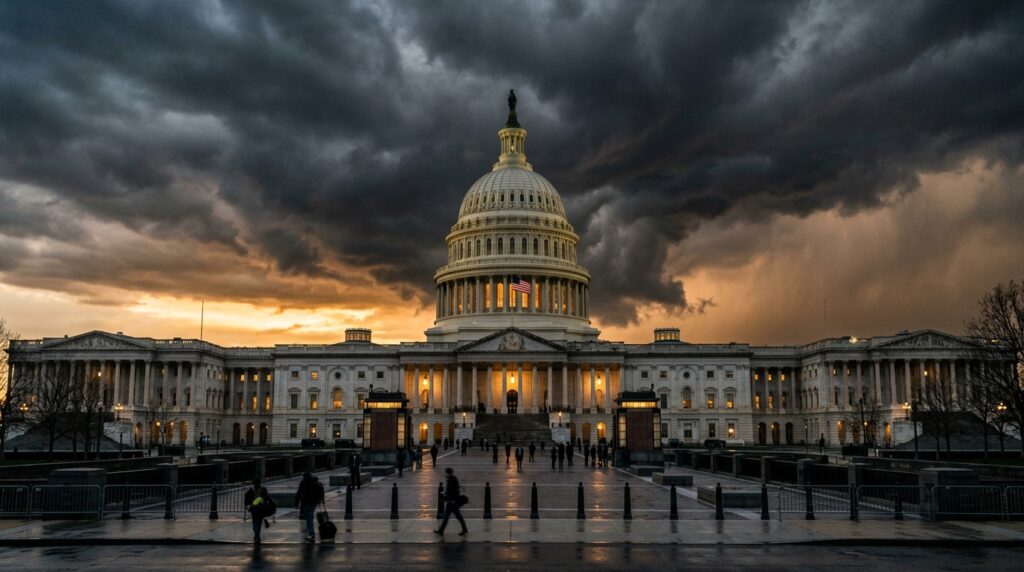
For global observers and intelligence analysts, this moment marks a massive turning point. The narrative of absolute military triumph broadcast from the White House has collided head-on with a complex geopolitical stalemate. Behind the closed doors of Capitol Hill, lawmakers looked past the administration’s media brags. They uncovered a reality marked by vulnerable regional defence systems, severe domestic economic fallout, and a non-professional negotiation team facing intense scrutiny for blending high-stakes statecraft with private business interests.
Iran vote caps Trump’s congressional losing streak
The House vote to halt the Iran war, while largely symbolic, further stymies the administration’s political priorities during a week when the GOP has already scuttled several of the president’s goals.
House Republicans for the first time failed to block an effort to halt the Iran war, the latest sign that members of the president’s own party are willing to buck him on key aspects of his agenda.
The vote further stymies the White House’s political priorities in recent weeks after the GOP scuttled several Trump goals. Senate Republicans, who already helped push back against Trump on the Iran war in an initial vote, have also rejected the president’s billion-dollar proposal to aid his ballroom project and a Justice Department fund to compensate presidential allies he claims have been unfairly prosecuted.
Republicans Tom Barrett of Michigan, Brian Fitzpatrick of Pennsylvania, Warren Davidson of Ohio and Massie supported the measure to stop U.S. involvement in Iran and ensured its adoption.
All Democrats supported the effort. Moderate Rep. Jared Golden of Maine, who had been the only Democrat to oppose the last measure, announced ahead of the vote that he would vote for it.
1. The Legislative Blueprint: Anatomy of a Bipartisan Rebuke
The passage of the War Powers Resolution signifies a rare institutional alignment against unchecked executive overreach. The math behind the vote reveals how deep the political fractures run:
-
The Razor-Thin Margin: The resolution cleared the House 215 to 208, demonstrating how tightly contested the debate over foreign overextension has become.
-
The Bipartisan Defection: In a direct blow to executive solidarity, four Republican lawmakers, Reps. Thomas Massie, Tom Barrett, Warren Davidson, and Brian Fitzpatrick broke party ranks to vote alongside a unified Democratic bloc.
House Vote Tally (June 2026)
─────────────────────────────────────────────
[███████████████████████] 215  (Passed)
[██████████████████████] 208  (Opposed)
─────────────────────────────────────────────
 Includes 4 Republican defections crossing party lines.
This successful vote directly targeted the administration’s attempts to bypass constitutional checks. Under the War Powers Act, the executive branch has a strict 60- to 90-day window to secure explicit congressional backing for military operations. The Trump administration aggressively argued that it did not need to abide by this legal requirement, claiming that because an initial, fragile ceasefire had been brokered in April via Pakistani mediation, active “hostilities” had ceased.
The White House attempted to reclassify ongoing drone exchanges and localised naval manoeuvres as minor, defensive “skirmishes” or “short-term excursions.” Congress completely rejected this semantic loophole. By passing the resolution, lawmakers codified a clear mandate: any subsequent offensive campaigns or prolonged engagements require explicit, pre-approved congressional authorisation.
2. The Great Narrative Gap: Media Brags vs. Strategic Stalemate
There is a glaring contradiction between what the Trump administration claims it achieved and the actual geopolitical data pouring into intelligence briefings.
The White House Narrative: “Total Capitulation”
From the Oval Office, the messaging remains unyielding. The administration points to the opening hours of the joint U.S.-Israeli strikes, which targeted conventional command structures and military infrastructure, as proof of a definitive victory. Secretary of State Marco Rubio publicly framed the theatre as functionally resolved, asserting that a massive show of force had permanently stripped Tehran of its strategic leverage. The president routinely took to media channels and podcasts to broadcast that a grand diplomatic breakthrough was “imminent” because the adversary had been thoroughly broken.
The Analytical Reality: Asymmetric Resilience
On Capitol Hill, the secret intelligence briefings told an opposite story. Far from achieving a total military capitulation, the theatre had devolved into a costly, unpredictable stalemate.
While Iran’s conventional military installations suffered heavy damage, its decentralised proxy networks and mobile missile units remained highly operational. Advanced multi-layered Western defence systems, including Patriot missile batteries deployed across allied Gulf states, proved imperfect. Precision drone swarms and low-altitude cruise missiles managed to bypass established radar webs, causing terminal and residential damage to regional infrastructure, including a highly disruptive strike near a Kuwaiti airport.
Furthermore, the administration’s “maximum pressure” economic strategy hit a hard ceiling. By utilising a highly sophisticated “dark fleet” of unmonitored oil tankers to execute ship-to-ship transfers in Asian waters, Tehran decoupled its core survival mechanisms from the Western banking system. When the U.S. imposed a naval blockade, Iran utilised its regional leverage to threaten global energy corridors, turning what the White House called a quick victory into a grinding war of attrition.
3. Real Estate Statecraft: Kushner, Witkoff, and the Backchannel Backlash
The primary catalyst for the congressional rebellion was not just the military stalemate, but deep institutional alarm over who was conducting America’s high-stakes diplomacy.
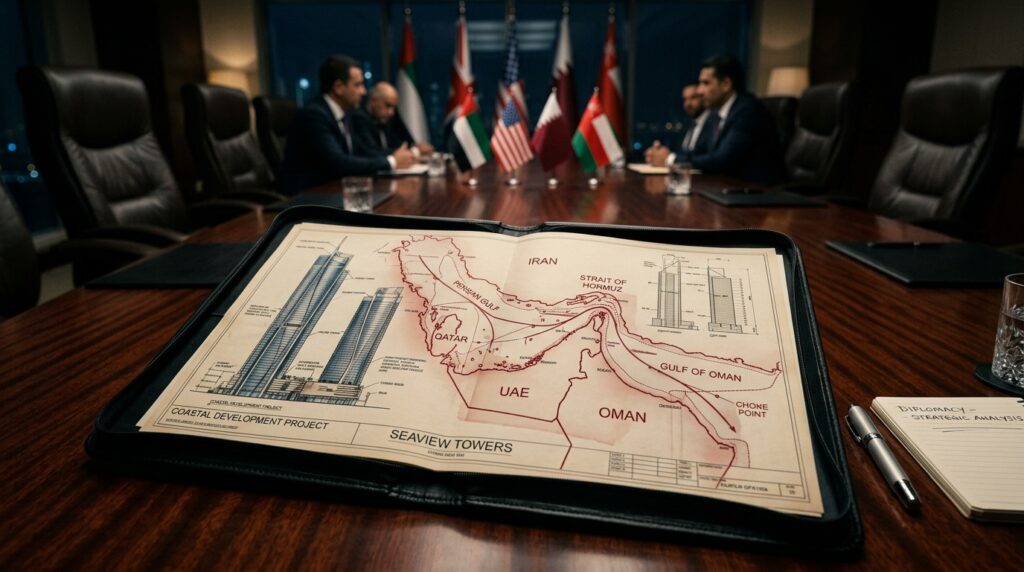
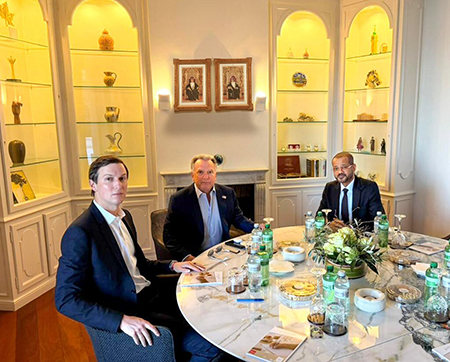
Instead of utilising seasoned, career Middle East diplomats and nuclear proliferation experts, the White House bypassed traditional State Department channels. The administration placed the entire diplomatic file into the hands of an insular, non-confirmed personal mediation team led by Jared Kushner (the President’s son-in-law) and Steve Witkoff (Special Envoy to the Middle East).
Traditional Statecraft                 Trump Administration Team
──────────────────────                 ─────────────────────────
• Career Diplomats                     • Jared Kushner (Private Equity)
• Nuclear Physicists                   • Steve Witkoff (Real Estate Mogul)
• Regional Historians                  • Backdoor Hotel Consultations
• Verifiable Treaties                  • $300B Infrastructure Proposals
This non-professional delegation has faced sharp criticism from lawmakers for treating a volatile geopolitical conflict like a private real estate transaction:
-
The Reconstruction “Fund” Controversy: Investigative leaks revealed that Kushner and Witkoff attempted to resolve the conflict by floating a massive $300 billion international investment and reconstruction fund to Tehran. Rather than prioritising complex nuclear verification or regional security treaties, the duo approached the crisis like a property development project. Critics on Capitol Hill blasted this approach, pointing out that treating a state-on-state war as a real estate opportunity creates massive conflicts of interest where private developers stand to profit from rebuilding what the war destroyed.
-
The Gulf Financial Entanglements: The optics surrounding the mediation team generated intense blowback. While actively serving as the White House’s chief envoys, Kushner continued to engage with his private equity firm, Affinity Partners, which draws billions in capital directly from Gulf monarchies. This financial crossover drew sharp criticism, with veteran diplomats noting that the envoys were acting more like real estate assets than disciplined public servants.
-
The Technical Expertise Deficit: Institutional planners were horrified by the team’s lack of regional and technical depth. During critical, indirect negotiations brokered by Pakistani Army Staff Chief Asim Munir and Omani backchannels, Witkoff and Kushner reportedly demonstrated a superficial understanding of uranium enrichment mechanics and regional red lines. In background briefings, Witkoff even mistakenly referred to the strategically vital body of water as the “Gulf of Hormuz” rather than the Strait of Hormuz.
This amateurish “freestyling”, combined with the President using public podcasts to broadcast sensitive negotiation positions and openly micromanage international leaders, convinced a critical mass of Congress that the administration lacked a coherent strategy and was walking blindly into a diplomatic trap.
4. Domestic Political & Economic Fallout: The Midterm Panic
The ultimate driver behind the Republican defections was not ideological; it was a pragmatic instinct for political survival. The public’s appetite for an open-ended conflict in the Middle East has collapsed under the weight of domestic economic pain.
Iran’s counter-strategy and its operational leverage over the Strait of Hormuz triggered a massive shockwave through global energy markets. In the United States, gasoline and consumer goods prices surged, feeding sticky domestic inflation.
As lawmakers returned to their home districts ahead of the critical November midterm elections, they faced intense constituent anger over rising costs at the gas pump and the supermarket. The four Republican defectors realised that the White House’s continuous media brags were entirely disconnected from the economic reality their voters were experiencing. By voting to curb the president’s war powers, these lawmakers erected a legal firewall to protect themselves from an inflation-driving foreign policy that threatened their party’s legislative majorities.
5. Forward-Looking Investigative Angles
For investigative journalists and global policy analysts tracking this conflict, the legislative vote is merely the opening salvo of a deeper constitutional and strategic battle. Three critical angles require rigorous ongoing investigation:
Can the Executive Branch Rebrand Future Strikes to Bypass Congress?
Watch for the White House to shift its legal vocabulary away from state-on-state conventional warfare toward “asymmetric counter-terrorism” or “imminent self-defence.” Under Article II of the U.S. Constitution, a president retains the inherent right to protect American personnel from an immediate threat. If U.S. signals intelligence claims an intercepted data packet shows an impending drone strike by Iranian proxies in Iraq, Syria, or Yemen, the administration can authorise a “preemptive defensive strike.” By labelling it a localised, time-sensitive counter-terrorism action rather than a continuation of the main conflict, the White House can effectively bypass the House restrictions.
How Will the Security Void Alter the New Delhi-Gulf Axis?
Because multi-layered Western defence systems failed to provide an absolute shield for allied infrastructure, Gulf capitals are rapidly diversifying their security portfolios. A critical trend to watch is the quiet diplomatic migration toward New Delhi. India maintains stable, functional relationships with both the Gulf Cooperation Council (GCC) states and Tehran. As a primary energy consumer and a growing maritime security power in the Arabian Sea, India is uniquely positioned to act as a stabilising mediator. Investigators should closely monitor backdoor defence contracts and maritime security pacts along the India-Middle East-Europe Corridor (IMEC) to track how regional players are hedging against fading U.S. military dominance.
What Form Will Sanctions Relief Take in a Hard-Targeted Negotiation?
Because the administration is desperate for an exit strategy to calm domestic inflation before the November elections, the traditional playbook of demanding total capitulation is dead. Tehran understands Washington’s domestic vulnerabilities. The real investigative story moving forward lies in the mechanics of the financial backchannels. Analysts should look for quiet, structural concessions, such as the creation of specialised banking channels through Qatar or third-party countries, allowing Iran to unfreeze its assets and legitimise a baseline of oil exports in exchange for a verified regional de-escalation.
Frequently Asked Questions (FAQs)
Q1: What does the War Powers Resolution, passed by the House, actually do?
The resolution legally restricts the executive branch from executing unilateral, prolonged offensive military operations against Iran without explicit, prior authorisation from the U.S. Congress. It closes loopholes that allow a conflict to be labelled a “temporary skirmish.”
Q2: Why did four Republicans choose to vote with the Democrats?
The Republican defectors were driven by a mix of constitutional principles regarding congressional war powers and an instinct for political survival. Their constituents are facing severe inflation and high gas prices caused by the conflict’s disruption of global energy corridors ahead of the November midterm elections.
Q3: Who are Jared Kushner and Steve Witkoff, and what is their role?
Jared Kushner is President Trump’s son-in-law, and Steve Witkoff is a prominent New York real estate mogul appointed as Special Envoy to the Middle East. Neither possesses formal diplomatic or nuclear non-proliferation training, yet they have been deployed as the lead negotiators in backdoor ceasefire talks.
Q4: What are the main criticisms of the Trump administration’s mediation team?
The team is heavily criticised for treating a complex geopolitical war like a transactional real estate deal, proposing an unorthodox $300 billion infrastructure and reconstruction fund. Furthermore, Kushner’s private equity firm, Affinity Partners, relies heavily on financial backing from the same Gulf monarchies involved in the regional security dynamic, creating severe conflicts of interest.
Q5: Did Western air defence systems fail during the conflict?
According to classified intelligence provided to lawmakers, multi-layered Western defence networks, including Patriot missile batteries, proved imperfect against low-altitude drone swarms and precision cruise missiles, resulting in notable terminal and infrastructure damage in allied Gulf states.
Q6: What role is Pakistan playing in resolving this crisis?
Pakistan has served as a primary international mediator, hosting high-stakes ceasefire discussions involving U.S. Vice President JD Vance, Iranian Foreign Minister Abbas Araghchi, and Pakistani military leadership to establish temporary operational ceasefires and manage maritime safety.
Editorial Perspective Dedicated to pulling back the curtain on global statecraft, this platform delivers rigorous, uncompromised investigative journalism. By analysing the critical intersection of military strategy, institutional accountability, and geopolitical dynamics, we expose the structural realities behind public rhetoric, ensuring that truth, constitutional integrity, and the public interest remain at the centre of the global conversation
References & Direct Source Material
-
U.S. House of Representatives Legislative Records (June 2026): Roll call vote data on House Resolution 215–208, citing the formal invocation of the 1973 War Powers Resolution regarding hostilities against the Islamic Republic of Iran.
-
Congressional Testimony (June 2026): Senate Foreign Relations Committee hearings containing the cross-examination of Secretary of State Marco Rubio regarding his absence from high-stakes diplomatic negotiations in Pakistan.
-
The Arms Control Association Briefing Reports (April–May 2026): Technical intelligence analysis revealing the lack of structural preparation and the misjudged nuclear enrichment thresholds utilised by non-professional envoys during the Geneva and Oman-mediated summits.
-
The Soufan Centre Strategic Intelligence Assessments (June 2026): Detailed investigative breakdowns regarding front-loaded sanctions relief models, the tracking of Iran’s maritime “dark fleet” oil transfers, and the integration of third-party financial channels via Doha.
To better understand the internal friction within the administration during these high-stakes negotiations, you can review the full congressional exchange on C-SPAN or view media briefs detailing the diplomatic absence of top officials during the Pakistan summits. For an immediate look at the legislative showdown on the House floor, watch this House war powers vote broadcast. This video offers a direct window into the exact moment the historic bipartisan vote concluded on Capitol Hill, capturing the immediate political fallout.