
India’s Cockroach Party Explained: The Viral Youth Movement Challenging India’s Education System
Learn how India’s Cockroach Janta Party became a viral youth movement demanding education reforms, fair exams, jobs, and government accountability.
https://mrpo.pk/gen-zs-struggle-and-strength/
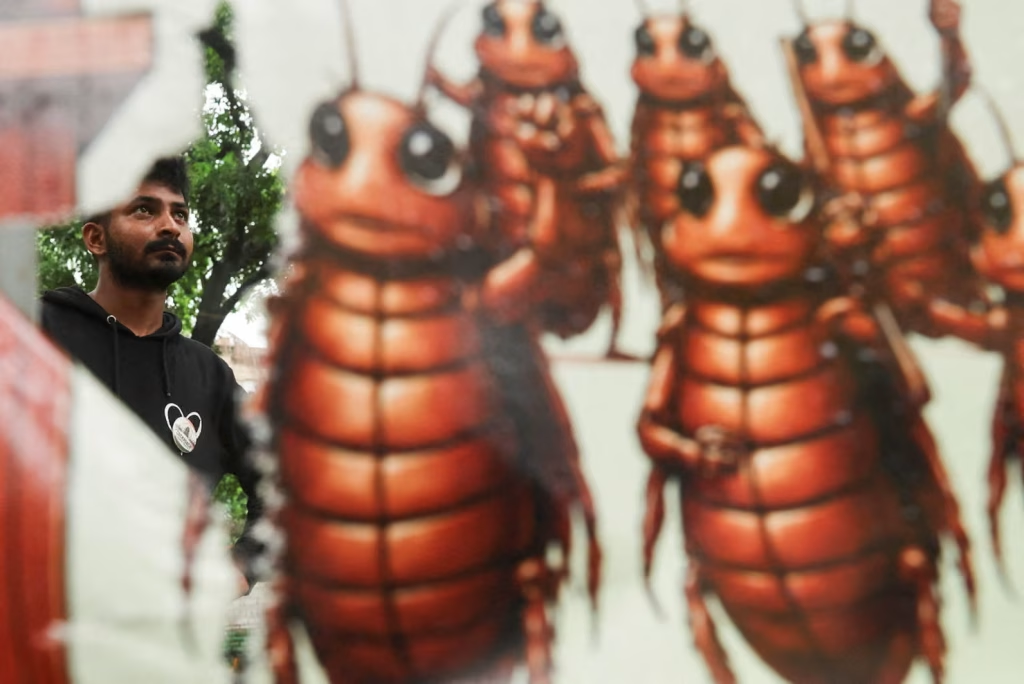
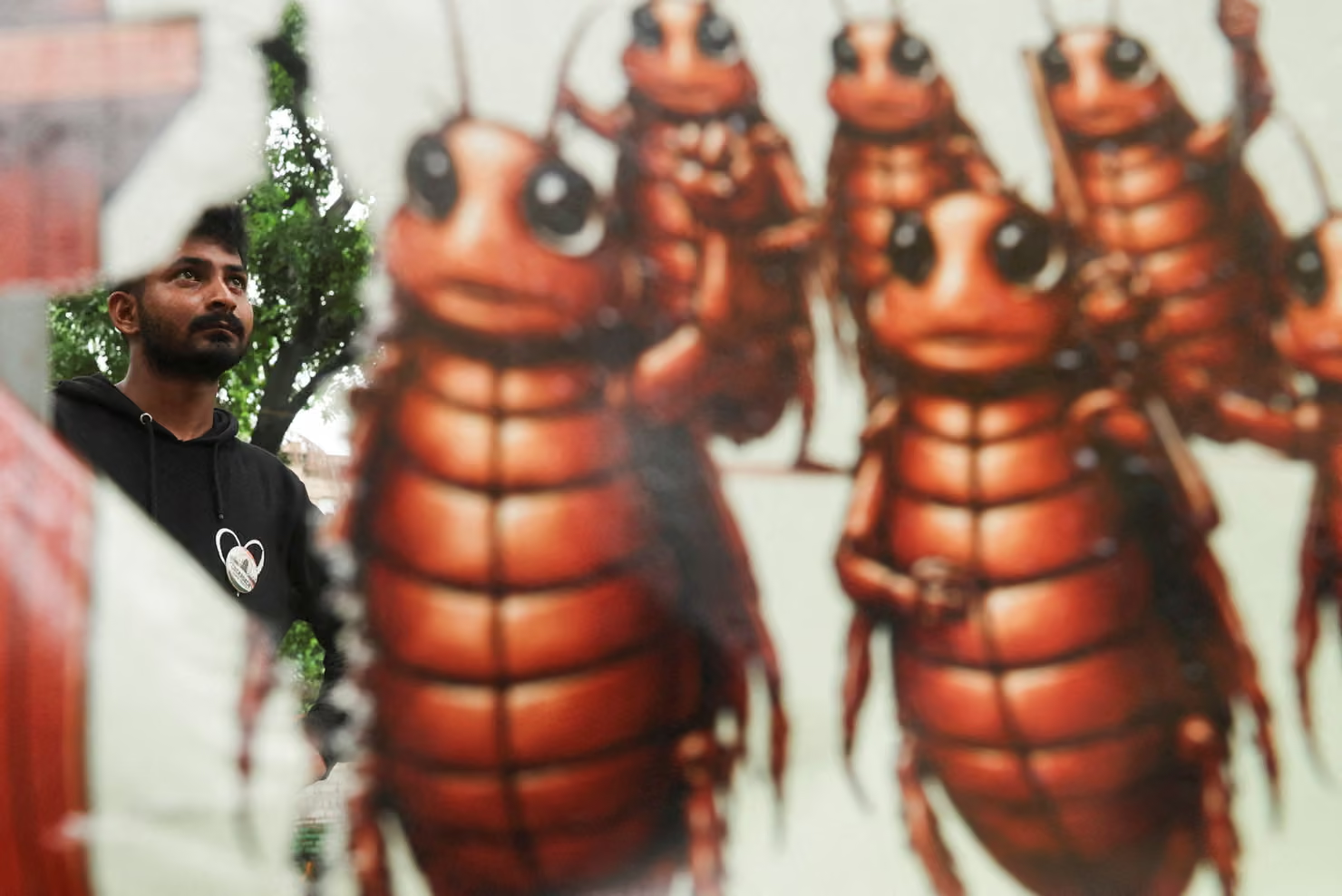
Photograph: Francis Mascarenhas/Reuters
Introduction
What happens when millions of young people are called “cockroaches”? In India, what began as a controversial remark quickly transformed into one of the country’s most talked-about youth movements. Instead of accepting the insult, thousands of students embraced it, turning the cockroach into a symbol of resilience, survival, and resistance.
The Cockroach Janta Party (CJP) started as satire on social media. Within days, it evolved into a nationwide movement demanding fair examinations, better employment opportunities, greater transparency, and accountability from those in power.
Whether the movement ultimately changes government policy or fades over time, it has already exposed the growing frustration of India’s younger generation.
This article, India’s Cockroach Party Explained, explains the movement, its origins, its demands, its impact, and why people around the world are paying attention.
What Is the Cockroach Janta Party?
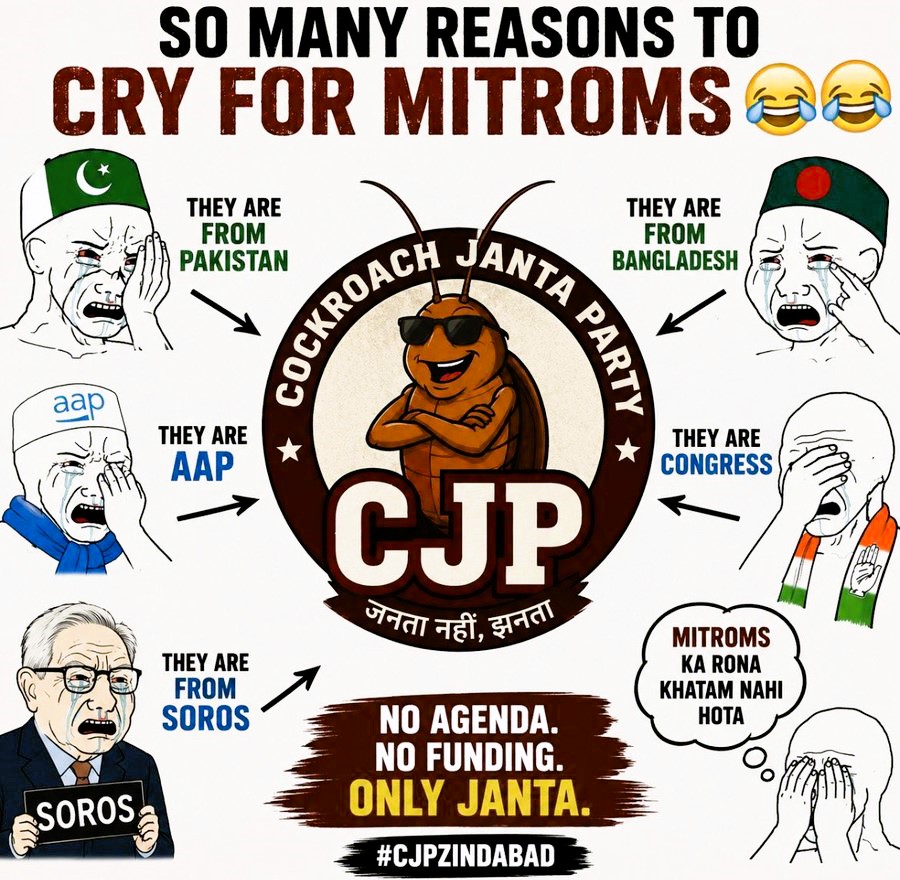
The Cockroach Janta Party (CJP) is a youth-led social and political movement that emerged in India during May 2026. Although its name resembles India’s ruling Bharatiya Janata Party (BJP), CJP began as a satirical campaign rather than a traditional political party.
Its founders used humour, memes, and social media to draw attention to serious issues affecting millions of Indian students and unemployed graduates.
Its slogan
“Voice of the Lazy & Unemployed”
was intentionally ironic. Supporters argued that India’s youth are not lazy. Instead, they believe the education and employment systems have failed to provide fair opportunities.
Based on available reporting as of July 2026, it is more accurate to describe CJP as a youth-led protest movement than as an established political party.
Why it can be called a political movement
The Cockroach Janta Party is political because it:
- Challenges government policies.
- Demands accountability from elected officials.
- Calls for reforms in education and employment.
- Organises protests and public demonstrations.
- Engages with political leaders and government institutions.
These are characteristics of a political movement.
Why calling it a political party may be misleading
A political party normally:
- Registers with the Election Commission of India.
- Fields candidates in elections.
- Seeks to form or participate in government.
- Has a formal constitution and organisational structure.
As of the latest available information, there is no credible evidence that the Cockroach Janta Party is a registered political party or intends to contest elections. It began as a satirical campaign and evolved into a protest movement.
“The Cockroach Janta Party (CJP) is a youth-led political protest movement that uses satire to campaign for education reforms, government accountability, and better employment opportunities. Despite its name, it is not a conventional political party.”
How Did the Cockroach Party Begin?
The movement traces its roots to a court hearing in May 2026. During proceedings related to unemployment and education, India’s Chief Justice reportedly compared some unemployed youth to “cockroaches” and “parasites.” Many students interpreted the remarks as deeply insulting.
Instead of responding with anger alone, Abhijeet Dipke, a 30-year-old political strategist and student, launched the Cockroach Janta Party online.
His message was simple:
“If the system calls us cockroaches, we’ll show how impossible cockroaches are to eliminate.”
The symbolism resonated immediately.
Within days:
- Millions engaged with CJP content.
- The movement spread across Instagram and other social media platforms.
- Memes evolved into organised campaigns.
- Students from different states joined the conversation.
The internet had transformed an insult into a national symbol of resistance.
India’s Cockroach Party Explained: Why Are Indian Students So Frustrated?
The Cockroach Party did not create India’s youth frustrations. It simply gave them a voice.
Several long-standing problems have fueled public anger.
1. Examination Paper Leaks
Competitive examinations determine the future of millions of students.
Repeated paper leaks have undermined confidence in the system.
The NEET-UG examination controversy became one of the biggest examples, with allegations that leaked papers gave unfair advantages to some candidates.
For students who spent years preparing, the scandal felt devastating.
2. Graduate Unemployment
India produces millions of graduates every year.
However, job creation has struggled to keep pace.
Many educated young people remain unemployed or underemployed despite years of education and expensive coaching.
This gap between education and employment has become one of the country’s biggest challenges.
3. Expensive Coaching Culture
Success in competitive exams often depends on private coaching institutes.
Many families spend large portions of their income preparing children for entrance examinations.
Students from lower-income families frequently struggle to compete on equal terms.
4. Mental Health Pressures
Constant competition, repeated examination failures, and uncertainty about employment have contributed to increasing stress among students.
Mental health experts have repeatedly warned about the emotional burden created by India’s highly competitive education system.
What Does the Cockroach Party Want?
Despite its humorous branding, the movement has several serious demands.
Fair and Transparent Examinations
Students want secure testing systems that prevent paper leaks and cheating.
Accountability
Many protesters have demanded political responsibility for repeated examination failures, including calls for the resignation of Education Minister Dharmendra Pradhan.
Employment Opportunities
Supporters argue that education should lead to meaningful careers.
They want stronger job creation, skill development, and policies that reduce graduate unemployment.
Education Reform
Protesters are calling for:
- Better examination security
- Greater transparency
- Merit-based recruitment
- Reduced corruption
- Improved public education
Protection of Democratic Rights
Many participants also emphasise the importance of peaceful protest, freedom of expression, and constructive dialogue between students and government institutions.
From Internet Memes to Nationwide Protests
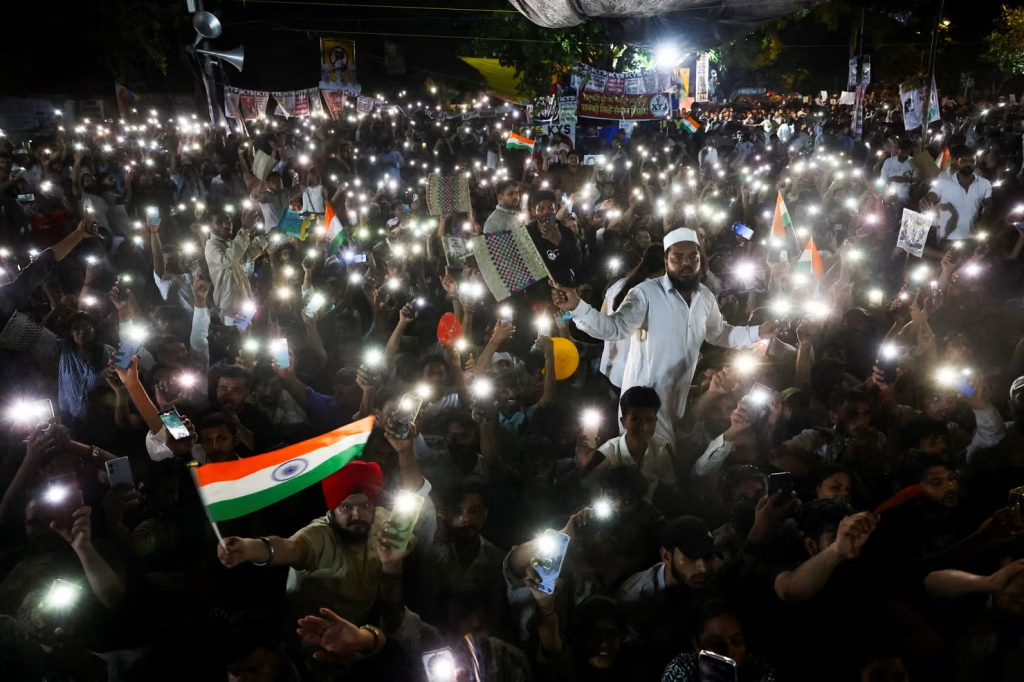
The Cockroach Party rapidly moved beyond social media. Students organised peaceful demonstrations in several cities.
One of the movement’s most visible gatherings took place at Jantar Mantar in New Delhi, a historic location for public protests.
Protesters carried:
- Cockroach masks
- Books
- Placards
- Satirical artwork
- Humorous slogans with serious political messages
Despite temperatures exceeding 40°C (104°F), thousands continued their demonstrations.
The movement later expanded through:
- Student marches
- Hunger strikes
- Sit-ins
- University demonstrations
- Peaceful rallies
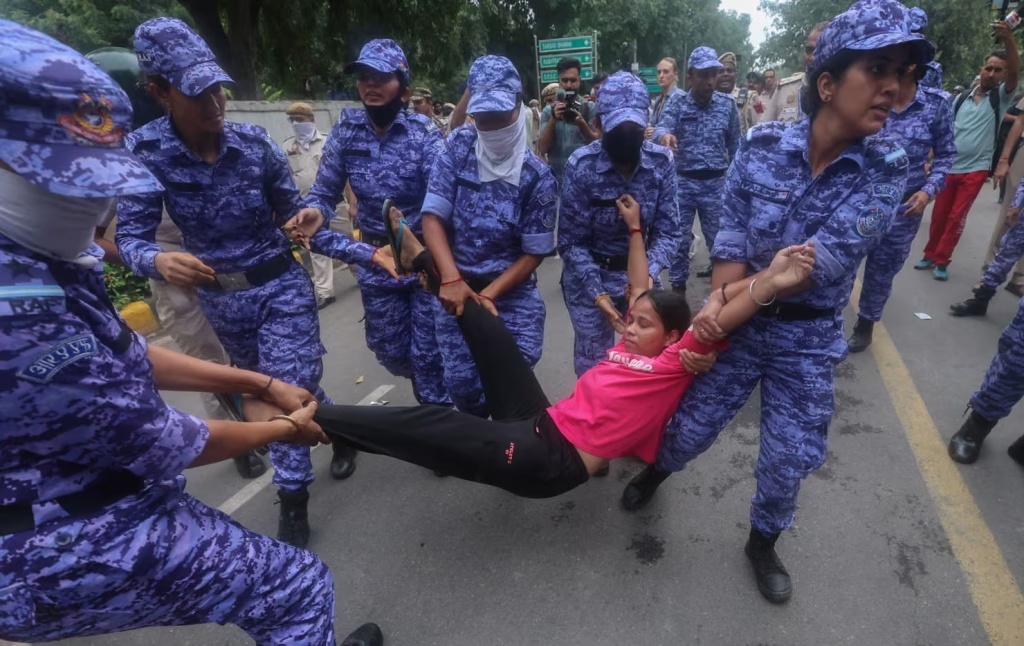
Some protests eventually led to confrontations with police, including reports of baton charges, barricades, and tear gas during attempts to march toward Parliament.
How Has the Indian Government Responded?
Government agencies introduced several measures following public pressure.
These included:
- Investigations into examination paper leaks.
- Arrests of individuals accused of involvement.
- Re-examinations for affected candidates.
- Plans to expand computer-based testing.
- Stronger security measures for future competitive exams.
Prime Minister Narendra Modi described examination fraud as a “grave sin” and promised strict action against those responsible.
Government representatives also held discussions with movement leaders, although many protesters believe deeper structural reforms are still necessary.
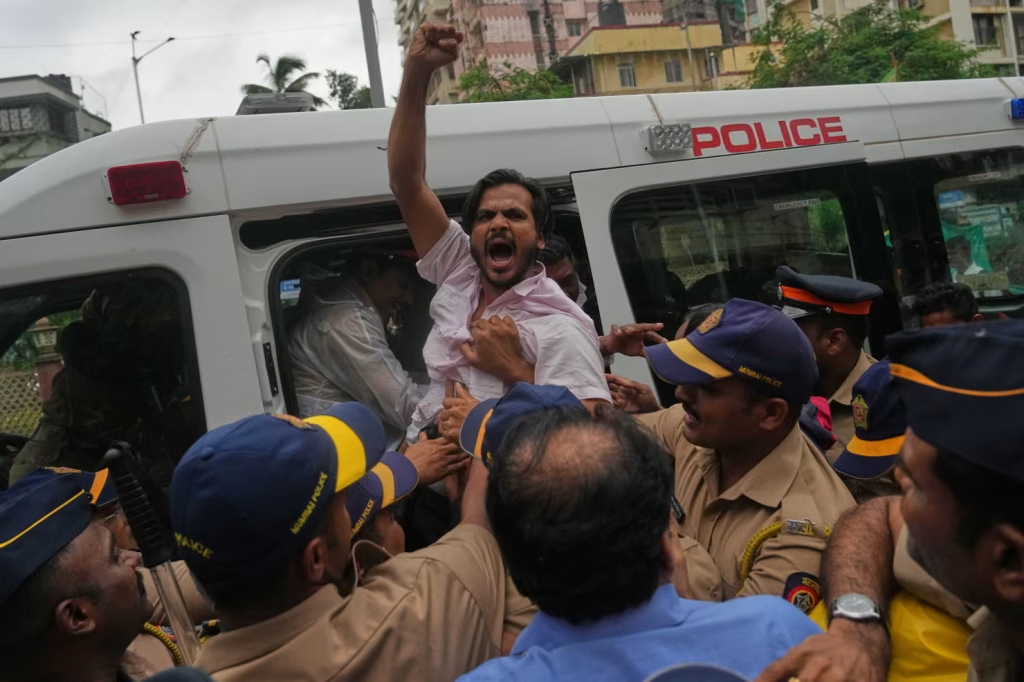
‘Cockroach’ protests: India’s Modi promises to punish corrupt officials in bid to quell anger
Narendra Modi has said he will set up “fast track courts” to expedite the punishment of corrupt officials who leaked examination papers,as India’s prime minister seeks to quell the youth-led “cockroach” protest movement that has rocked Delhi and challenged his government.
In his first public remarks on the movement, Modi said on X “Nothing is more important than the welfare and future of our youth … Those who try to harm the future of our youth will not be spared.”
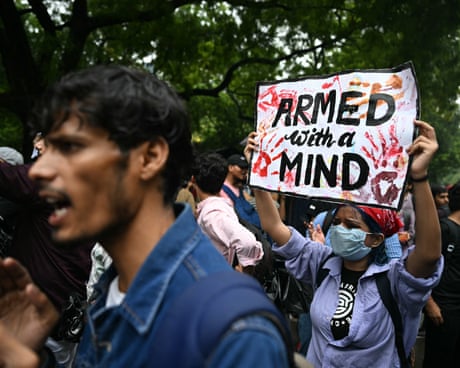
The offer of faster justice than usual from India’s clogged judicial system, which can take decades to deliver a verdict, was swiftly rejected by the Cockroach Janta party (CJP), the satirical name the youth protest movement coined after India’s top judge called unemployed youths “cockroaches”.
“Dharmendra Pradhan must resign,” the CJP said, referring to the education minister. His resignation is a core demand of the movement, along with reform of the education system.
An estimated 50,000 people protested in Delhi on Monday, even though police denied them permission to march on parliament and later mounted baton charges and fired teargas. On Wednesday, more than 1,000 people remained camped out at the CJP’s protest site in central Delhi despite the gruelling heat and humidity. Many protesters had travelled for miles to be there.
Why Did the Cockroach Become the Movement’s Symbol?
At first glance, choosing a cockroach may seem unusual.
However, supporters see it differently.
A cockroach is often viewed as:
- Difficult to eliminate.
- Highly adaptable.
- Able to survive harsh environments.
- Persistent despite repeated attempts to remove it.
For many students, these qualities mirror their own determination to continue demanding change despite setbacks.
What began as an insult has become a symbol of resilience.
How Does This Compare With Other Youth Movements?
The Cockroach Party reflects a broader global trend in which young people use digital platforms to organise around social and political issues.
Bangladesh Student Protests (2024)
Bangladesh’s student demonstrations over government job quotas grew into a nationwide movement that reshaped the country’s political landscape.
Arab Spring (2010–2012)
Young activists across the Middle East used social media to organise demonstrations demanding political reforms.
Hong Kong Protests
Hong Kong’s youth movement became known for its creative symbolism, decentralised organisation, and heavy reliance on digital communication.
What Makes the Cockroach Party Different?
Unlike many political movements, CJP combines:
- Satire
- Internet culture
- Humor
- Peaceful activism
- Policy-focused demands
Rather than seeking regime change, its primary focus has been improving education, examinations, and employment opportunities.
Why the Movement Matters Beyond India
India has one of the world’s youngest populations.
Its ability to provide quality education and meaningful employment will shape not only its own future but also global economic growth.
The issues raised by the Cockroach Party are not unique to India.
Young people in Pakistan, Bangladesh, Africa, Europe, and many other regions face similar concerns about:
- Rising education costs
- Graduate unemployment
- Fair recruitment
- Government accountability
- Mental health
- Equal opportunities
The movement highlights a broader global conversation about whether education systems are preparing young people for successful futures.
What Lessons Can Pakistan Learn from India’s Youth Movement?
Although India’s Cockroach Janta Party is unique to its own political and social context, many of the concerns it highlights also resonate with young people in Pakistan. Both countries have large youth populations, rising numbers of university graduates, and increasing expectations for quality education and meaningful employment. Pakistan can draw several constructive lessons from India’s experience.
Strengthen the Integrity of Public Examinations
Confidence in competitive examinations is essential for any education system. Transparent testing procedures, secure examination papers, digital monitoring, and swift action against misconduct can help ensure that students believe success is based on merit rather than influence or corruption.
Expand Employment Opportunities
A growing number of educated graduates without suitable jobs can lead to frustration and a loss of confidence in public institutions. Encouraging private investment, supporting entrepreneurship, promoting vocational training, and developing high-value industries can create more opportunities for young people.
Listen to Young People Before Frustration Grows
Young citizens are more likely to engage positively when governments provide meaningful channels for dialogue. Student councils, youth advisory forums, and regular consultation with educational institutions can help policymakers understand concerns before they become larger social issues.
Invest in Education Quality, Not Just Access
Expanding access to schools and universities is important, but quality matters just as much. Updating curricula, improving teacher training, supporting research, and aligning education with labour market needs can better prepare graduates for future careers.
Protect Peaceful Civic Participation
Peaceful public participation and respectful dialogue between students, educational institutions, and public authorities can help address grievances while maintaining social stability. Constructive engagement often produces more durable solutions than prolonged confrontation.
A Shared Challenge Across South Asia
India and Pakistan have different political systems, institutions, and policy priorities. However, both face the common challenge of providing millions of young people with quality education, fair opportunities, and productive employment.
The experience of the Cockroach Janta Party demonstrates that when young people feel unheard, frustration can quickly spread through social media and translate into organised civic action. For governments across South Asia, the broader lesson is clear: investing in education, creating jobs, and maintaining public trust are essential for long-term stability and national development.
India’s Cockroach Party Explained: Challenges Facing the Movement
Like many grassroots movements, the Cockroach Janta Party faces several challenges:
- Maintaining momentum after the initial surge.
- Turning online popularity into long-term organisation.
- Preventing misinformation and fake accounts.
- Keeping protests peaceful.
- Converting public support into measurable policy reforms.
Its long-term influence will depend on whether it can remain united while engaging constructively with policymakers.
Conclusion
The Cockroach Janta Party demonstrates how a single moment can spark a national conversation. An insult that might have silenced many instead united millions of students behind a shared demand for fairness, transparency, and opportunity.
Whether one agrees with every tactic or demand, the movement has highlighted genuine concerns about education, employment, and accountability that affect millions of young Indians. Its greatest achievement may not be its slogans or viral memes, but its ability to force difficult questions into the national spotlight.
As India’s youth continue to shape public debate, the story of the Cockroach Party serves as a reminder that symbols, satire, and social media can become powerful tools for democratic participation.
Photograph: Anushree Fadnavis/Reuters
Frequently Asked Questions (FAQs)
What is the Cockroach Janta Party?
The Cockroach Janta Party (CJP) is a youth-led movement that began in India in 2026 as a satirical response to remarks about unemployed young people. It has since become a broader campaign for education reform, fair examinations, and employment opportunities.
Why is it called the Cockroach Party?
The name reclaims an insult after unemployed youth were reportedly compared to “cockroaches.” Supporters adopted the symbol to represent resilience, persistence, and survival.
Who founded the Cockroach Janta Party?
The movement was launched by Abhijeet Dipke, a political communications strategist and student, who used satire and social media to mobilise public support.
What are the movement’s main demands?
The movement seeks secure examinations, an end to paper leaks, greater transparency, accountability for failures in the education system, improved employment opportunities, and broader education reforms.
Has the Indian government responded?
Yes. Authorities have launched investigations into examination irregularities, made arrests, conducted re-examinations, and announced plans to strengthen exam security. Protesters, however, argue that deeper structural reforms are still needed.
Why has this movement gained international attention?
The movement reflects global concerns about youth unemployment, education quality, government accountability, and the growing role of social media in civic activism.
Key Takeaways
- The Cockroach Janta Party began as satire but quickly became a major youth movement.
- It was triggered by controversy surrounding comments about unemployed youth and broader dissatisfaction with India’s education system.
- Examination integrity, unemployment, and transparency remain central issues.
- Social media transformed an online campaign into nationwide protests.
- The movement reflects wider global challenges facing young people in many countries.
References
- BBC Urdu – Jahan Numa (July 2026 coverage)
- BBC News reporting on India’s examination controversies
- The Indian Express reporting on student protests and NEET developments
- The Hindu coverage of education reforms and examination security
- Government of India statements regarding examination reforms and investigation updates