
The Deal That Nobody Believes: Trump, Iran & America’s Credibility Crisis
The Deal That Nobody Believes. This article explains the growing U.S.-Iran crisis, the reality behind the latest nuclear deal talks, and the strategic battle between pressure and endurance. It explores why Iran survived decades of sanctions, how Trump’s maximum pressure strategy reshaped the Middle East, and why questions about diplomatic credibility, leadership, and long-term strategy now matter more than ever in global politics.
https://mrpo.pk/why-iran-refuses-to-break/
Introduction
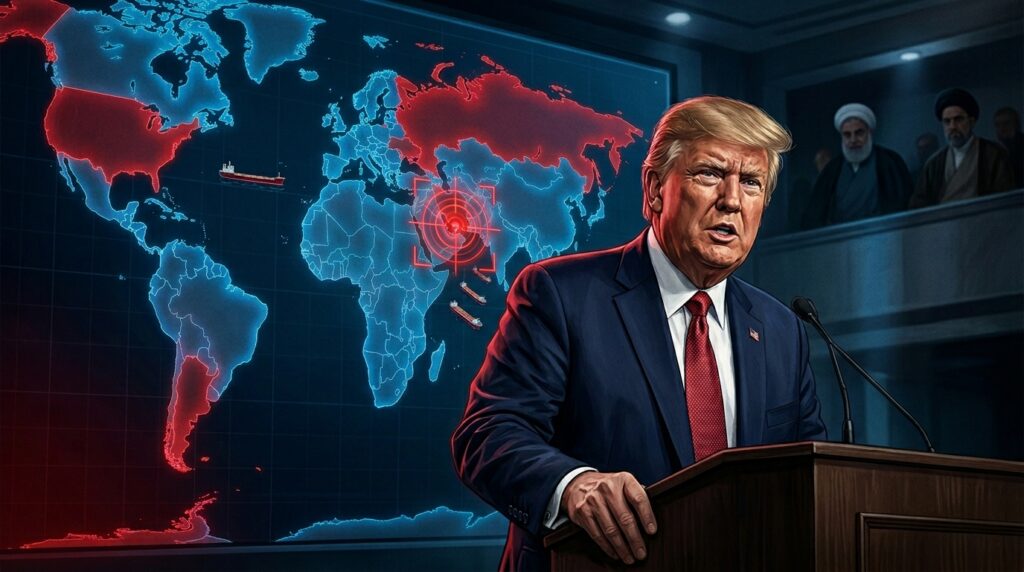
Every few weeks, headlines appear claiming that the United States and Iran are close to a historic agreement. U.S. President Donald Trump announces progress. Markets react. Oil prices move. Then, Iranian officials deny that any final agreement exists.
This cycle has repeated many times during the recent U.S.-Iran crisis.
What started as a dispute over Iran’s nuclear program has now become much bigger. Today, the conflict involves global oil markets, military power, political credibility, regional alliances, sanctions, cyber warfare, and the future balance of power in the Middle East.
At the centre of this crisis is a difficult question:
Can the world still trust political promises when diplomacy changes with every election cycle?
The article The Deal That Nobody Believes, investigates why Iran did not collapse under pressure, whether Trump’s maximum pressure strategy worked, and why many countries now question America’s diplomatic credibility.
Trump believes Iran’s supreme leader signed off on emerging deal
Donald Trump has said, “I understand the answer is yes,” when asked if Iranian Supreme Leader Ayatollah Mojtaba Khamenei had approved the deal, which the US president touted as being done, according to AFP.
The Collapse of Trust Between America and Iran
The 2015 Nuclear Deal
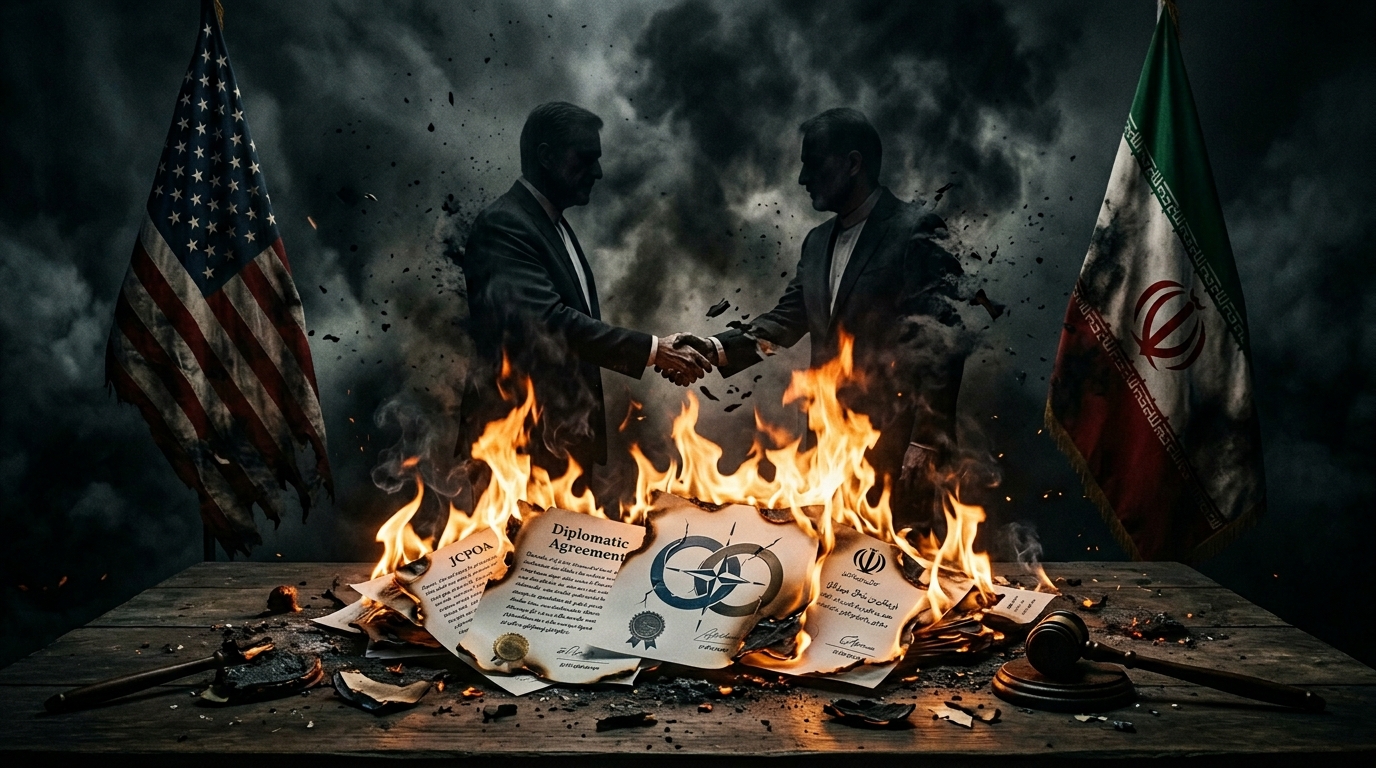
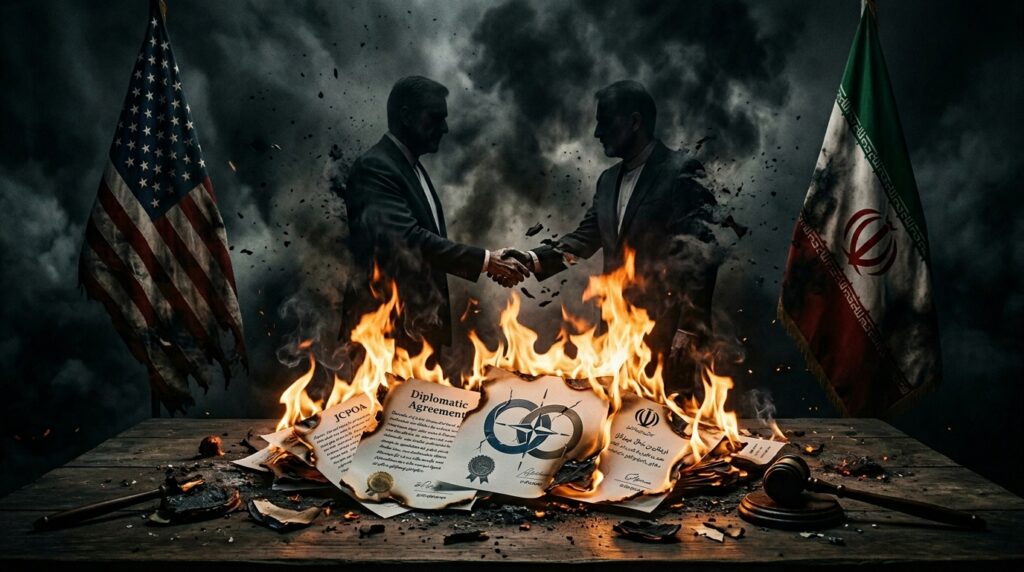
In 2015, Iran and world powers signed the Joint Comprehensive Plan of Action, commonly called the Iran nuclear deal. The agreement limited Iran’s nuclear activities in exchange for sanctions relief.
However, in 2018, President Trump withdrew the United States from the agreement, arguing that the deal was weak and failed to stop Iran’s missile program, regional influence, and long-term nuclear ambitions.
That decision changed the entire diplomatic environment.
Iranian leaders concluded that agreements with Washington could disappear after every U.S. election.
Why Credibility Became a Global Issue
Today, one of the biggest problems in negotiations is not only the nuclear issue itself. The larger problem is trust. Trump repeatedly claimed that Iran was close to accepting a deal, peace was near, or American pressure was working.
But Iranian officials frequently contradicted those statements.
This created confusion among allies, financial markets, Gulf countries, and even American partners in Europe. Many governments now wait for written agreements, verified actions, and third-party guarantees instead of relying on public statements alone.
Trump’s Maximum Pressure Strategy
What Was the Goal?
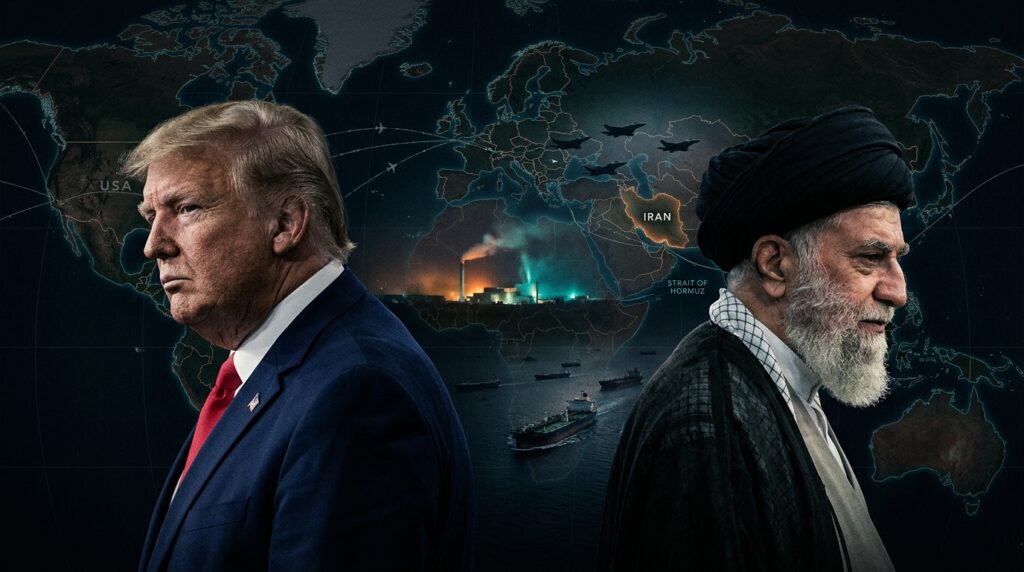
Trump’s Iran strategy was based on maximum pressure.
The idea was simple. Severe sanctions, military threats, diplomatic isolation, and economic pressure would force Iran into accepting a better deal.
Trump supporters believed unpredictability creates leverage, pressure forces concessions, and aggressive rhetoric prevents larger wars.
Did the Strategy Work?
Economically, the sanctions severely damaged Iran.
Iran faced inflation, currency collapse, oil export restrictions, and economic hardship.
But strategically, the outcome became far more complicated.
Despite years of pressure, Iran’s leadership survived, the government remained intact, uranium enrichment expanded, and Tehran continued negotiating without surrendering.
Many analysts now argue that Iran became technically more advanced in nuclear capability after the collapse of the original deal.
Did maximum pressure weaken Iran economically but strengthen its strategic determination?
Why Iran Did Not Collapse: The Deal That Nobody Believes
Iran’s Strategy of PatienceThe
The Iranian leadership followed a very different strategy from that of Washington. Instead of seeking quick victories, Tehran focused on endurance, patience, long-term survival, and gradual adaptation. Analysts describe this approach as strategic patience.
Iran’s leadership believed that American government change, public attention shifts, and political pressure would eventually weaken. This explains why Tehran often avoided direct large-scale war while still refusing complete surrender.
What if Iran’s greatest strategic weapon was never missiles or uranium…
…but patience?
Turning Weakness Into Leverage
Iran understood it could not defeat the United States militarily in a conventional war. So it developed different forms of leverage, including missiles, drones, proxy groups, cyber capabilities, and maritime pressure in the Strait of Hormuz.
The Strait of Hormuz became especially important because nearly one-fifth of the world’s oil passes through it.Even limited disruption can affect global energy markets. This allowed Iran to pressure stronger countries indirectly.
“Iran’s leadership may not have created prosperity or stability , but it demonstrated unusual institutional resilience under extreme pressure.”
The Leadership Contrast Nobody Talks About
Survival Politics vs Media Politics
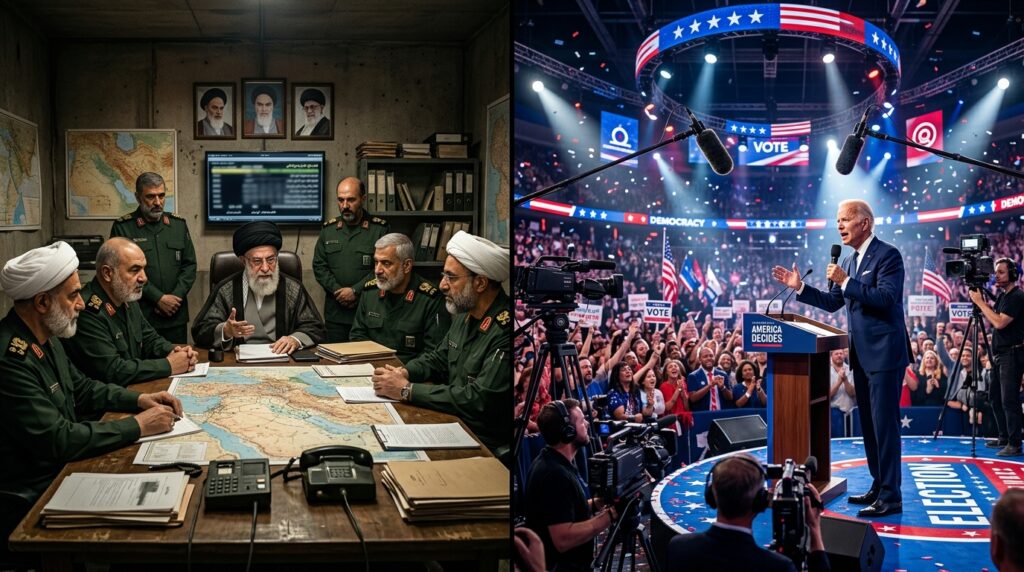
One of the most overlooked parts of the U.S.-Iran conflict is the difference between the two leadership systems.
Iran’s modern leadership emerged from revolution, war, sanctions, assassinations, and decades of geopolitical pressure.
Many Iranian institutions were built under survival conditions where long-term thinking became essential.
By contrast, Trump came from the worlds of business, branding, media, and electoral politics.
He studied economics at the Wharton School of the University of Pennsylvania before becoming a businessman and television personality, and before entering politics.
Supporters see Trump as bold and unpredictable.
Critics argue that his style often prioritises media impact over institutional consistency.
Political Experience and Strategic Culture
Iranian negotiators are usually long-term state actors with decades of diplomatic and security experience.
Iranian strategy often focuses on patience, controlled escalation, and survival over decades.
American politics, however, often operates within election cycles, media cycles, and immediate political pressure.
This difference may explain why negotiations between Washington and Tehran repeatedly become unstable.
Instead, frame it as:
“The two systems produce fundamentally different types of leadership, strategic behavior, and political endurance.”
America’s Power vs Iran’s Endurance
Military Strength Is Not Always Enough
There is no question that the United States remains far stronger than Iran militarily. America has superior technology, global alliances, naval dominance, and financial power.
But Iran demonstrated something different. The ability to absorb pressure for long periods without collapsing. Despite sanctions, covert attacks, economic isolation, and repeated predictions of regime collapse, Iran’s governing system survived.
In long-term conflicts, does endurance sometimes matter more than raw power?
The Strait of Hormuz and Global Fear
Why the World Watches Iran Closely
The Strait of Hormuz is one of the most important waterways on Earth.A large portion of global oil exports passes through this narrow route. During the crisis, Iran threatened maritime pressure, shipping routes became unstable, and global energy markets reacted sharply.
This showed that even a weaker country can create global economic disruption if it controls strategically important geography.
Israel, China and the New Middle East
Israel’s Security Concerns
Israel strongly opposes any agreement that allows Iran to maintain significant nuclear capability. Israeli leaders fear missile expansion, proxy networks, and long-term Iranian regional influence. This pressure heavily shapes American policy toward Tehran.
China and Russia’s Growing Role
At the same time, China and Russia increased cooperation with Iran. This has broader global implications, including weakening sanctions, encouraging alternative financial systems, and reducing Western influence in some regions.
Some analysts believe prolonged sanctions accelerated global efforts to reduce dependence on the U.S. dollar.
Is This Really a Peace Deal?
Temporary Pause or Lasting Solution?
The current negotiations may not create permanent peace. Instead, they may simply reduce tensions temporarily, delay escalation, and prevent a larger regional war. The deeper rivalry between Washington and Tehran still exists.
That is why many observers believe the current diplomacy is less about friendship and more about crisis management.
The Deal That Nobody Believes: The Most Important Question
Perhaps the biggest lesson from the U.S.-Iran crisis is not about missiles or uranium.
It is about credibility.
Can countries trust agreements that may disappear after elections?
Can military power alone force long-term political surrender?
Can endurance defeat pressure?
Iran may not have won economically. The country suffered heavily under sanctions and isolation.But Iran also demonstrated that survival itself can become a strategic victory.
Meanwhile, the United States remains militarily dominant, but questions about consistency, trust, and long-term strategy continue to grow.
In the end, the U.S.-Iran conflict may be remembered not only as a battle over nuclear policy but as a global test of political patience, diplomatic credibility, and strategic endurance.
Conclusion
The modern U.S.-Iran crisis is no longer just about a nuclear deal. It is now about global power, economic warfare, political trust, leadership culture, and the future of international diplomacy.
Trump’s maximum pressure strategy changed the Middle East dramatically, but it did not produce a complete Iranian surrender. Instead, Iran adapted, endured, and continued negotiating from a position of survival.
That may be the most important reality shaping today’s geopolitical landscape.
Perhaps the real question is no longer “Who is stronger?”
But rather “Who can endure longer?”
Frequently Asked Questions (FAQs)
1. Why did Donald Trump withdraw from the Iran nuclear deal?
Trump argued that the 2015 Iran nuclear deal was too weak and failed to stop Iran’s missile program, regional influence, and long term nuclear ambitions. His administration believed stronger sanctions and pressure could force Iran into accepting a better agreement.
2. Did Trump’s maximum pressure strategy succeed?
The strategy damaged Iran’s economy through sanctions and oil restrictions, but Iran’s leadership survived and continued expanding its nuclear activities. Supporters say the pressure forced Iran back to negotiations, while critics argue it increased instability without achieving full strategic success.
3. Why is Iran still considered powerful despite sanctions?
Iran developed alternative strategies including regional alliances, missile programs, proxy networks, cyber capabilities, and maritime influence in the Strait of Hormuz. Iran also focused heavily on long term endurance and strategic patience.
4. Why is the Strait of Hormuz important in the U.S. Iran crisis?
The Strait of Hormuz is one of the world’s most important oil shipping routes. A large percentage of global oil exports pass through this narrow waterway. Any conflict in the area can affect energy prices and the global economy.
5. Why do many countries question America’s diplomatic credibility?
Many governments believe U.S. foreign policy changes quickly after elections. America’s withdrawal from the original Iran nuclear deal created concerns that future agreements may also be reversed by changing administrations.
6. Is a long-term peace deal between the United States and Iran possible?
A permanent peace deal remains difficult because major disagreements still exist over sanctions, uranium enrichment, missile programs, regional influence, and security concerns involving Israel and Gulf countries.
References
- Council on Foreign Relations — What Is the Iran Nuclear Deal?
https://www.cfr.org/backgrounder/what-iran-nuclear-deal - Reuters — What issues do the U.S. and Iran need to resolve for any peace deal?
https://www.reuters.com/world/middle-east/what-issues-do-us-iran-need-resolve-any-peace-deal-2026-06-05/ - Reuters — No deal, no exit: How U.S. Iran tensions risk wider conflict
https://www.reuters.com/world/middle-east/no-deal-no-exit-how-us-iran-standoff-risks-fresh-conflict-2026-05-18/ - The Washington Institute — Strategic Patience and Iran’s Long Term Survival Strategy
https://www.washingtoninstitute.org/policy-analysis/shifting-diplomatic-urgency-strategic-patience-iran - Brookings Institution — Six Myths About Iran Sanctions
https://www.brookings.edu/articles/six-myths-about-iran-sanctions/ - Atlantic Council — Questions and Expert Answers About the Iran Crisis
https://www.atlanticcouncil.org/dispatches/twenty-questions-and-expert-answers-about-the-iran-war/ - Britannica — Iran Nuclear Deal Explained
https://www.britannica.com/topic/Joint-Comprehensive-Plan-of-Action - Reuters — Trump and Iran crisis latest developments
https://www.reuters.com/world/middle-east/ - United States Institute of Peace — Nuclear Diplomacy With Iran
https://www.usip.org/publications/2015/04/03/qa-in-principle-nuclear-agreement-iran - ArXiv Research Paper — Long Run Economic and Institutional Outcomes in Iran Under Sanctions
https://arxiv.org/abs/2602.03231