Matcha vs Peshawari Qahva, Lemongrass and Moringa Tea: Which Is Healthier?
The global matcha craze has transformed Japan’s traditional powdered green tea into a fashionable international beverage. But does Matchat offer exceptional nutritional benefits, or are traditional beverages such as Pakistani Peshawari qahva, lemongrass tea and moringa tea equally worthy of attention?
The answer requires a scientific comparison rather than marketing claims. Matcha has distinctive nutritional characteristics because consumers ingest the powdered tea leaves instead of discarding them after brewing. Peshawari qahva provides many of the beneficial compounds found in conventional green tea, while lemongrass offers a caffeine-free herbal infusion. Moringa leaves, meanwhile, contain a variety of nutrients that are more readily obtained when the leaves themselves are consumed rather than merely steeped in hot water.
Each beverage has its own characteristics, advantages and limitations. Understanding these differences can help consumers make informed decisions without spending unnecessarily on fashionable products or dismissing the value of traditional alternatives.
Matcha is everywhere, but what does Japan think?
Matcha’s rise from ceremonial tea to a global café staple has generated plenty of debate in Western markets, yet far less attention has been paid to how Japan itself views the shift. The outside narrative tends to frame the boom as a contest between dilution and authenticity.
But the view from inside Japan is more complicated, shaped by economics, generational succession, and cultural pride. Farmers, tea masters, and sourcing specialists have watched commercialisation transform an industry once defined by scarcity and slowness.
The numbers explain the urgency. Japan exported 5,092 tonnes of matcha in 2024, an 18.7% increase on the previous year, with export value reaching roughly US$185m, up 25.9%. Additionally, the US, Germany, Malaysia, Thailand, and Taiwan together account for about 65.7% of total exports.
Global demand for matcha is no longer a niche phenomenon; it has become the Japanese tea industry’s centre of gravity. But rather than being a simple success story, it represents a major structural transition, one that brings significant opportunity as well as uncertainty.
What Is Matcha and Why Has It Become So Popular?
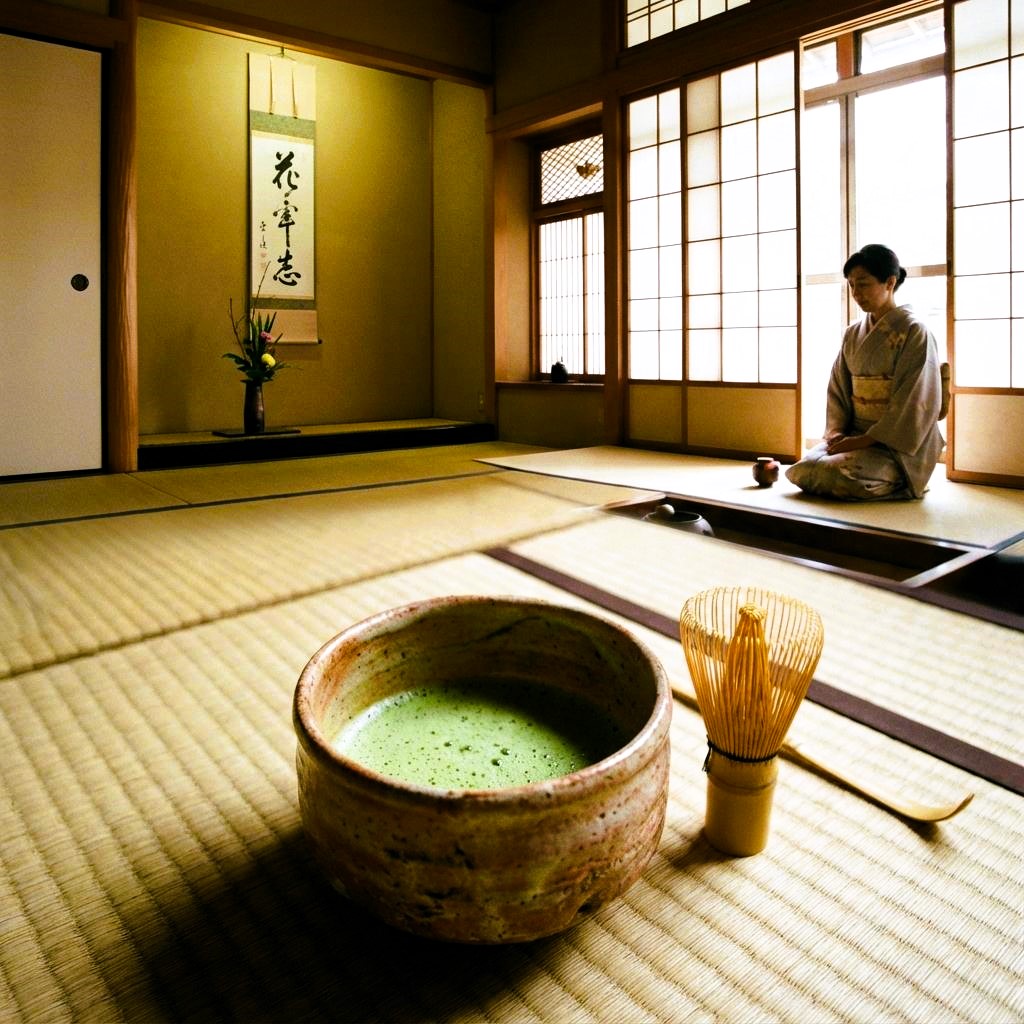
Matcha is a finely ground powder made from specially cultivated green tea leaves. It has been an important part of Japanese tea culture for centuries, particularly in traditional tea ceremonies.
Unlike ordinary green tea, in which the leaves are steeped in hot water and subsequently removed, matcha is whisked directly into water. The powdered leaves remain in the drink and are consumed.
This difference affects the beverage’s nutritional composition.
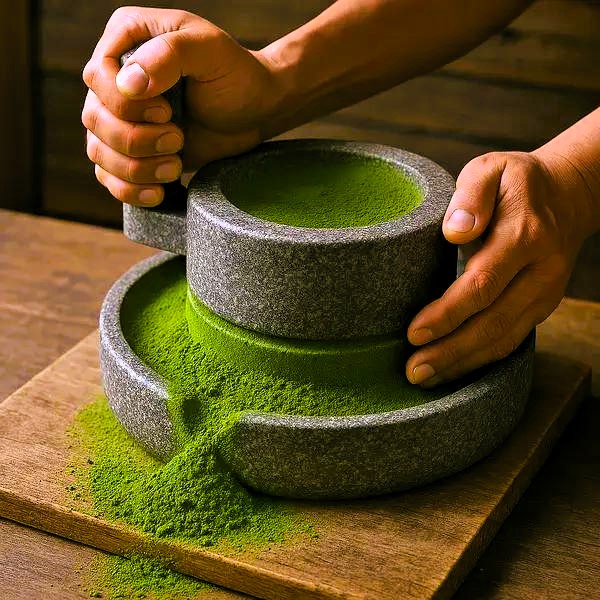
Matcha production involves shading tea plants before harvesting, steaming the leaves to prevent oxidation, drying them to produce a material called tencha, and grinding that material into a fine powder. Japanese tea-producing regions, including Uji in Kyoto, are particularly associated with matcha production.
Why Is the World Obsessed with Matcha?
Several factors have contributed to matcha’s international popularity.
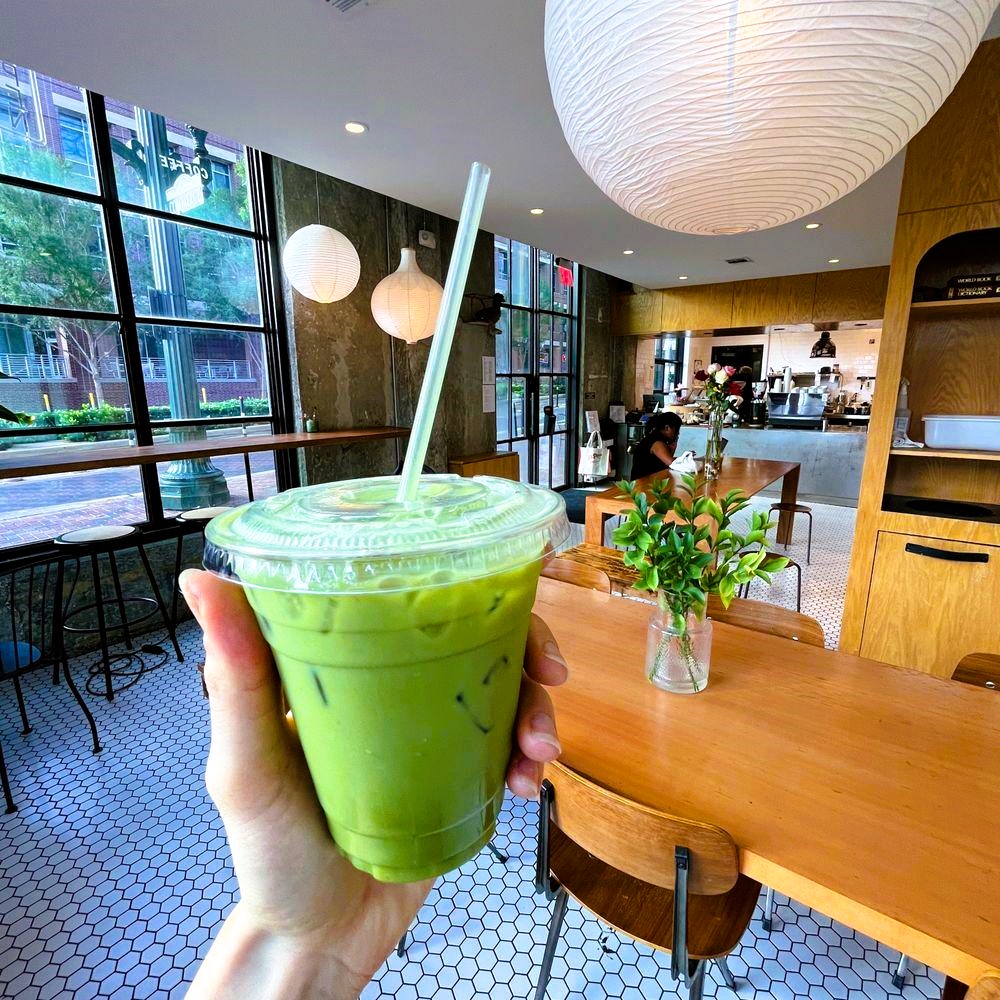
Social media has played a significant role. Its vivid green colour, smooth texture and distinctive preparation make matcha visually attractive. Photographs and videos of iced matcha lattes, elaborate desserts and Japanese tea ceremonies have introduced the beverage to millions of potential consumers.
The global interest in wellness has also contributed to its popularity. Many consumers are seeking alternatives to sugary beverages and are interested in foods and drinks that contain naturally occurring plant compounds. Matcha has benefited from this interest because it contains caffeine, catechins and L-theanine.
Its versatility has further expanded its market. Matcha is now used in iced drinks, smoothies, cakes, ice cream, chocolates and numerous speciality desserts.
However, popularity should not be confused with nutritional superiority. A matcha latte containing large amounts of sugar and sweetened milk can have a very different nutritional profile from traditional matcha prepared with water.
The growing international market also places pressure on Japanese tea producers, as expanding demand for premium matcha cannot always be met immediately. Agricultural production requires suitable land, skilled labour, processing facilities and time.
The matcha phenomenon, therefore, represents more than a beverage trend. It illustrates how traditional products can become global commercial successes when cultural appeal, social media and consumer demand converge.
Matcha Nutritional Value: What Does It Actually Contain?
Matcha contains several naturally occurring plant compounds, but its nutritional value should be understood in the context of a typical serving.
A typical serving of approximately two grams of pure matcha powder provides the following approximate quantities.
| Nutrient or component | Approximate amount per 2 g |
|---|---|
| Energy | 6–10 calories |
| Protein | 0.3–0.5 g |
| Fat | 0.1–0.2 g |
| Carbohydrates | 0.5–0.8 g |
| Dietary fibre | Variable; approximately 0.5–1 g may be possible |
| Caffeine | Approximately 40–90 mg |
| Sugar | Negligible |
These figures are estimates rather than universal values. Actual composition varies according to the tea variety, cultivation, processing and serving size. The main nutritional interest in matcha lies not in its calories or protein content but in its distinctive combination of tea polyphenols, caffeine and L-theanine.
Catechins and EGCG
Catechins are naturally occurring plant compounds belonging to the polyphenol family. One extensively studied catechin is epigallocatechin gallate, commonly known as EGCG. These compounds have antioxidant activity in laboratory studies. Researchers have also investigated their potential effects on cardiovascular and metabolic health.
However, laboratory findings do not automatically establish that drinking matcha prevents or treats particular diseases. Evidence from human studies varies according to the health outcome being examined.
L-Theanine and Caffeine
L-theanine is an amino acid naturally present in tea leaves. Scientific studies have examined its possible relationship with relaxation, attention and the effects of caffeine. Matcha also contains caffeine, which can temporarily increase alertness and reduce feelings of fatigue.
Some research suggests that the combination of caffeine and L-theanine may influence attention. Nevertheless, the strength and consistency of these effects remain uncertain. Matcha is not necessarily stronger than coffee in every preparation, but its caffeine content can be substantial relative to the small quantity of powder used.
People who are sensitive to caffeine may experience anxiety, palpitations, or disturbed sleep, particularly when consumption is excessive or occurs late in the day.
Is Matcha a Superfood?
Matcha can be a useful addition to a balanced diet, but describing it as a miracle drink would be misleading. It provides beneficial plant compounds and contains very few calories when prepared with water. Nevertheless, an ordinary serving contributes only modest amounts of protein, fibre and minerals.
It cannot replace vegetables, fruit, legumes, or other nutrient-rich foods. Nor is there sufficient evidence to claim that matcha automatically causes weight loss, detoxifies the body, or prevents chronic disease.
Its real nutritional value lies in its tea compounds and its suitability as a low-calorie beverage, not in exaggerated promises.
Lemongrass Tea: A Natural Caffeine-Free Alternative
Lemongrass tea is prepared from the leaves or stalks of lemongrass, a fragrant tropical grass commonly used in Asian cooking.
Unlike matcha and conventional green tea, lemongrass does not come from the tea plant, Camellia sinensis.
Consequently, it does not naturally provide the same characteristic combination of caffeine, tea catechins and L-theanine.
Nutritional Value of Lemongrass Tea
An ordinary cup of approximately 240 millilitres, prepared by steeping lemongrass in water without sugar, generally contains very few calories.
| Nutrient or component | Approximate value per cup |
|---|---|
| Calories | 0–5 |
| Protein | Negligible |
| Fat | Negligible |
| Carbohydrates | Negligible |
| Dietary fibre | Negligible in strained tea |
| Caffeine | 0 mg |
| Vitamins and minerals | Generally, small and variable amounts |
| Aromatic plant compounds | Includes citral and related compounds |
These are indicative estimates rather than standardised laboratory measurements. The actual composition depends on the quantity and form of lemongrass used and the brewing method. Lemongrass contains aromatic compounds, including citral, which gives it its characteristic lemon-like fragrance.
Researchers have investigated the antioxidant, antimicrobial and anti-inflammatory properties of lemongrass compounds. However, much of the evidence comes from laboratory and animal research rather than large, high-quality human clinical trials.
Claims that lemongrass tea reliably treats hypertension, diabetes, or infections therefore require considerably stronger evidence.
Its principal practical advantage is straightforward: it provides a refreshing, naturally caffeine-free drink that can be consumed without adding significant calories. However, a strained cup of lemongrass tea should not be regarded as a major source of vitamins or minerals.

Peshawari Qahva: How Does Our Traditional Green Tea Compare?
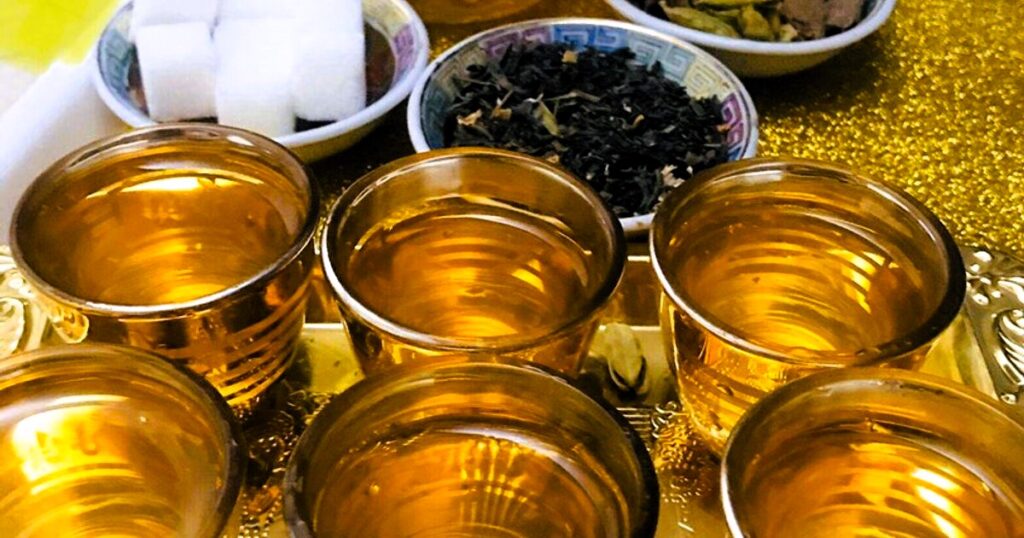
Peshawari qahva is deeply associated with hospitality and everyday life in Khyber Pakhtunkhwa and other parts of Pakistan.
Traditional preparations generally use green tea leaves and cardamom. Some recipes also include cinnamon, cloves, or other spices. Sugar or gur may be added according to personal preference.
The nutritional composition depends on the ingredients and preparation method, but the fundamental distinction between Peshawari qahva and matcha is simple.
Both can originate from the same tea plant, but matcha is consumed as a powdered leaf, whereas qahva is prepared by steeping tea leaves in hot water and then removing them.
Nutritional Value of Peshawari Qahva
An unsweetened cup of approximately 240 millilitres typically provides the following approximate nutritional profile.
| Nutrient or component | Approximate value per cup |
|---|---|
| Calories | 0–5 |
| Protein | Negligible |
| Fat | Negligible |
| Carbohydrates | Negligible |
| Dietary fibre | Essentially none in strained tea |
| Caffeine | Often approximately 15–40 mg |
| Tea catechins | Variable |
| Aromatic compounds from cardamom | Small and variable quantities |
These values are illustrative. Tea variety, brewing time, water temperature, quantity of leaves and serving size all influence the final composition. The principal nutritional interest in Peshawari qahva lies in the polyphenols extracted from green tea leaves.
Does Matcha Contain More Antioxidants Than Peshawari Qahva?
Matcha can provide more of certain tea compounds because the whole powdered leaf is consumed.
However, it would be scientifically inaccurate to claim that every serving of matcha contains more of every beneficial compound than every cup of conventionally brewed green tea.
The comparison depends on the quality and variety of the tea, the quantity used, cultivation conditions, processing and preparation. A strong cup of traditionally brewed green tea can provide substantial quantities of tea polyphenols, even though the leaves themselves are discarded.
What Does Cardamom Add?
Cardamom contributes flavour and aromatic plant compounds. It gives Peshawari qahva its distinctive character and may make unsweetened tea more appealing. Cinnamon and cloves can provide additional flavour when included in the recipe.
Nevertheless, the small quantities of spices used in an ordinary cup should not be mistaken for substantial sources of vitamins and minerals. Their contribution to a balanced diet is different from eating a full serving of vegetables, fruit, or other nutrient-rich foods.
The Effect of Sugar and Gur
The nutritional profile of qahva changes when sugar or gur is added. For example, approximately 12 grams of sugar contribute around 48 calories. This is considerably more energy than the unsweetened tea itself provides. Therefore, people trying to reduce their added sugar intake can benefit from drinking qahva without sugar or gur.
Peshawari qahva remains a reasonable everyday beverage, offering many of the broad nutritional characteristics associated with conventional green tea. There is no compelling nutritional reason to abandon it simply because matcha has become fashionable.
Moringa Tea: Is It More Nutritious Than Matcha?
Moringa, scientifically known as Moringa oleifera, is a tree widely cultivated in South Asia and other tropical regions. Its leaves are used in cooking and are also dried to make powders, herbal infusions and dietary supplements.
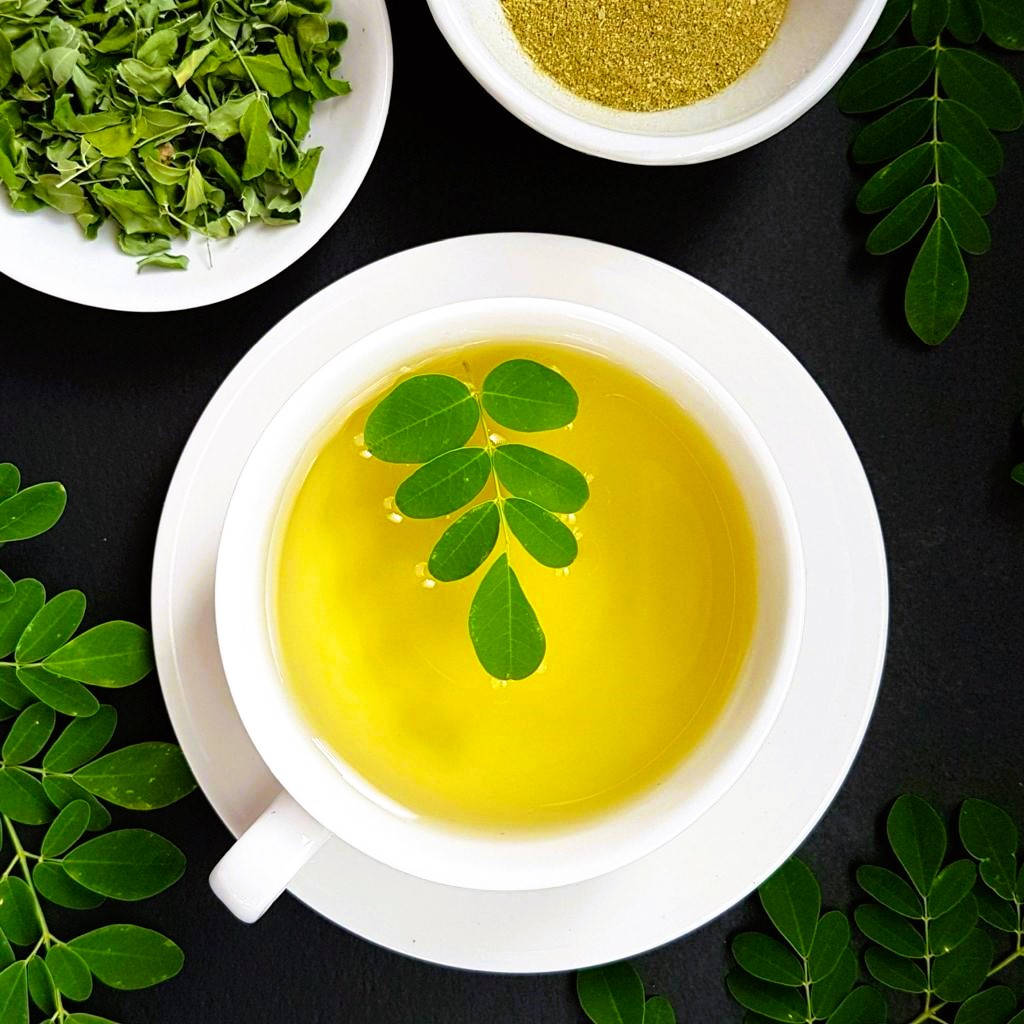
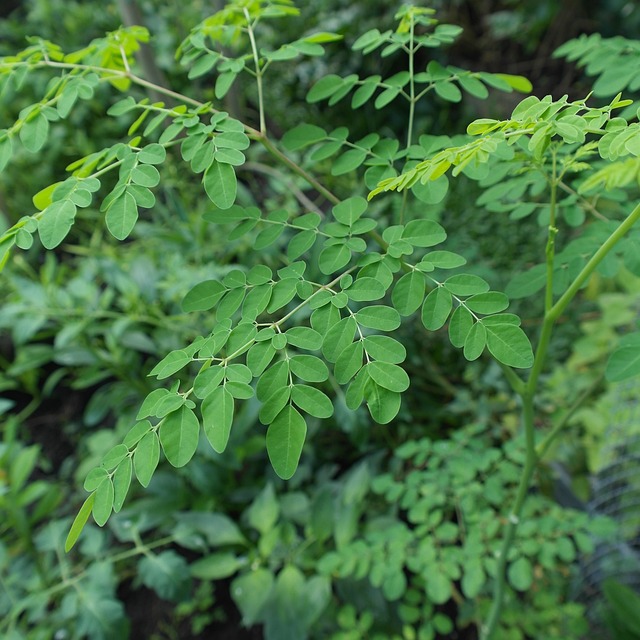
Moringa has attracted attention because its leaves contain protein, fibre, vitamins, minerals and various plant compounds. However, an important distinction must be made between whole moringa leaves, dried leaf powder and strained moringa tea. These products do not have identical nutritional profiles.
Nutritional Value of Moringa Tea
A cup of approximately 240 millilitres prepared by steeping dried moringa leaves in water and then straining them generally contains very few calories.
| Nutrient or component | Approximate value per cup |
|---|---|
| Calories | Usually very low |
| Protein | Very low |
| Fat | Very low |
| Carbohydrates | Low |
| Dietary fibre | Very little in strained tea |
| Caffeine | 0 mg naturally |
| Polyphenols and other plant compounds | Variable |
| Vitamins and minerals | Variable, depending on extraction |
Reliable standardised nutritional figures for brewed moringa tea are limited. Assigning precise quantities of vitamins and minerals to every cup would therefore be misleading. The amount extracted depends on the quantity of leaves, water temperature, steeping time and preparation method.
What Makes Moringa Leaves Nutritionally Valuable?
Protein: Dried moringa leaves can contain substantial protein by weight. However, a strained cup of moringa tea does not provide the same protein content as eating the leaves or consuming their powder.
Iron: Moringa leaves contain iron, but the amount varies with growing conditions and processing. The quantity present in the leaves is not the same as the amount extracted into a cup of tea. Iron absorption also depends on its chemical form and the composition of the overall diet.
Calcium and magnesium: Whole moringa leaves can contain appreciable quantities of these minerals. Their contribution from a strained infusion is less predictable.
Carotenoids and other plant compounds: Moringa leaves contain carotenoids and phenolic compounds that have attracted scientific interest. However, their presence does not establish that moringa tea can prevent or treat chronic disease.
Research reviews have documented the nutritional composition of moringa leaves while highlighting the need to consider nutrient availability, preparation methods and the quality of clinical evidence.
Is Moringa Better Than Matcha?
The answer depends on which products are being compared. Whole moringa leaf powder and matcha powder have different nutritional profiles. Moringa may contribute more protein and certain minerals, depending on the product and serving size.
However, when comparing strained moringa tea with matcha prepared in water, the difference becomes less straightforward. Much of the protein, fibre and mineral content of moringa leaves remains in the discarded material rather than entering the infusion.
Matcha has an advantage in this respect because the powdered leaves are consumed.
If the objective is to obtain nutrients from moringa, incorporating its food-grade leaves into meals or using an appropriate amount of leaf powder may provide more nutritional value than drinking strained moringa tea alone.
Moringa should nevertheless complement a balanced diet rather than replace established sources of nutrition.
Matcha vs Lemongrass vs Peshawari Qahva vs Moringa Tea
The following table summarises the main differences between the four beverages.
The figures refer to typical unsweetened preparations using water. They do not apply to sweetened lattes, concentrated extracts, or large servings of powdered leaves.
| Feature | Matcha | Lemongrass tea | Peshawari qahva | Moringa tea |
|---|---|---|---|---|
| Main ingredient | Powdered green tea leaves | Lemongrass leaves or stalks | Brewed green tea, usually with cardamom | Moringa leaves |
| Calories | About 6–10 per 2 g powder | About 0–5 per cup | About 0–5 per cup | Usually very low |
| Caffeine | Roughly 40–90 mg per 2 g powder | None | Often around 15–40 mg per cup | None naturally |
| Tea catechins | Present | Not characteristic of the infusion | Present | Different plant polyphenols |
| L-theanine | Present | Not a characteristic component | Present through green tea | Not a characteristic component |
| Fibre in the prepared drink | Some, because the powder is consumed | Negligible when strained | Essentially none | Very little when strained |
| Protein | Small amount | Negligible | Negligible | Usually, very little is in strained tea |
| Vitamin and mineral contribution | Modest per serving | Generally small | Generally small | Variable and usually modest when strained |
| Naturally caffeine-free | No | Yes | No | Yes |
| Main nutritional attraction | Tea polyphenols, caffeine and L-theanine | Caffeine-free herbal infusion | Green tea polyphenols and aromatic spices | Plant compounds from moringa leaves |
The estimates are approximate and should not be treated as guaranteed product specifications.
Matcha caffeine levels vary substantially, while the nutritional composition of herbal infusions depends heavily on how they are prepared.
For comparison, an average 237-millilitre cup of brewed green tea contains approximately 29 milligrams of caffeine, although individual preparations can differ considerably.
The broader lesson is that nutritional value is not determined by a single factor. A beverage can contain beneficial plant compounds without being a significant source of protein, fibre, vitamins, or minerals.
Which Tea Is Better for Different Health Goals?
Rather than declaring one beverage universally superior, it is more useful to compare them according to individual needs.
For Alertness and Concentration
Matcha and Peshawari qahva both contain caffeine and can temporarily improve alertness.
Matcha also contains L-theanine, which has been investigated for its possible role in attention and relaxation.
The effect depends on serving size, caffeine content and individual sensitivity. Matcha may provide more caffeine than a mild cup of qahva, but this is not guaranteed.
For Avoiding Caffeine
Lemongrass and moringa tea are naturally caffeine-free when prepared from the plant alone.
They may suit people who experience restlessness, anxiety, or sleep disturbance after consuming caffeinated beverages.
Nevertheless, caffeine-free does not automatically mean medically beneficial. Herbal products can also cause side effects or interact with medicines.
For Tea Polyphenols
Matcha and Peshawari qahva both provide polyphenols associated with green tea.
Matcha delivers the powdered leaf, whereas qahva provides compounds extracted during brewing.
The exact difference depends on the tea and preparation method. Current evidence does not justify declaring every matcha preparation nutritionally superior to every traditionally brewed green tea.
For Vitamins and Minerals
Moringa leaves used as food are more relevant when the goal is to obtain protein, fibre and minerals from a plant.
A strained cup of moringa tea cannot be assumed to provide the same quantities of these nutrients as the leaves themselves.
A varied diet remains the most reliable way to obtain the nutrients required for good health.
For Weight Management
All four beverages can fit into a weight-management plan when prepared without substantial amounts of added sugar or other calorie-dense ingredients.
However, drinking matcha does not automatically produce weight loss. Any meaningful effect on body weight depends on the overall balance between energy intake and expenditure, along with other dietary and lifestyle factors. A heavily sweetened matcha latte may contain considerably more calories than a plain cup of Peshawari qahva.
In practice, the additions to the drink may matter more than the choice of tea itself.
Important Health Precautions
Although these beverages can be part of a healthy diet, several precautions deserve attention.
Matcha and Peshawari Qahva
Both contain caffeine. Excessive intake can cause anxiety, palpitations, restlessness and disturbed sleep in susceptible people.
Green tea also contains compounds that can reduce the absorption of non-haem iron when consumed with meals. People with iron deficiency may wish to avoid drinking tea alongside iron-rich meals.
Lemongrass Tea
Ordinary beverage quantities are different from concentrated extracts or medicinal preparations. Evidence about the safety of high-dose preparations is more limited.
People who are pregnant, take regular medicines, or have relevant medical conditions should seek professional advice before using medicinal quantities.
Moringa Tea
Food-grade moringa leaves used in ordinary dietary amounts are different from concentrated supplements and extracts.
People taking medication for blood sugar or blood pressure should consult a healthcare professional before using moringa regularly in medicinal quantities, because additive effects or interactions may occur.
Product Quality Matters
Buy tea and herbal products from reliable suppliers. Proper storage and credible quality control help reduce the risk of contamination or adulteration.
None of these beverages should be used as a substitute for prescribed treatment.
Do You Need to Follow the Matcha Craze?
The answer is no. There is no nutritional requirement to buy expensive imported matcha simply because it has become fashionable.
A sensible approach is to select beverages according to personal preference, caffeine tolerance, dietary goals and affordability.
Peshawari qahva can be enjoyed as a familiar, unsweetened green tea. Matcha is an option for those who appreciate its flavour and the experience of consuming powdered tea leaves. Lemongrass provides a caffeine-free herbal infusion, while moringa leaves can contribute nutrients when incorporated into meals.
The important consideration is what each preparation actually provides.
Traditional beverages should not automatically be assumed to be superior because they are familiar, just as fashionable products should not automatically be considered better because they command higher prices.
Scientific evidence, preparation methods and overall dietary patterns matter more than marketing.
Conclusion: Matcha Is Valuable, but Traditional Alternatives Still Matter
Matcha has genuine nutritional merits, particularly its combination of tea polyphenols, caffeine and L-theanine. Its growing international popularity has also introduced more people to Japanese tea culture.
However, its benefits should not be exaggerated, and there is no compelling reason to abandon traditional alternatives.
Peshawari qahva provides many of the broad benefits associated with conventionally brewed green tea. Lemongrass offers a naturally caffeine-free herbal drink, while moringa leaves can contribute a wider range of nutrients when consumed as food rather than merely steeped in water.
The most important distinction is between consuming an infusion and consuming the plant itself. An infusion primarily provides water and extracted compounds, whereas eating the leaves can also provide fibre, protein and nutrients that remain in the plant material.
For overall health, a balanced diet, adequate sleep, regular physical activity and limited added sugar matter far more than choosing a fashionable tea over a traditional one.
Enjoy matcha if you like it, but do not underestimate the value of a good cup of Peshawari qahva. The healthiest choice is not necessarily the trendiest or most expensive one; it is the choice that fits sensibly into a balanced lifestyle.
This article is intended for general educational purposes and does not replace individual medical advice.
Publication note
The nutritional figures are approximate, particularly for herbal infusions, whose composition varies considerably with preparation.