
Lemongrass Garden’s Fragrant Superstar for Health, Flavour, and Wellness
Lemongrass Garden’s Fragrant Superstar for Health, Flavour, and Wellness. Imagine stepping into your small backyard and instantly catching a bright, uplifting lemony scent that lingers in the air.
“Nature has a way of offering us beautiful, useful plants like lemongrass that turn everyday moments into something special.” If you’ve been sipping lemongrass qahva (herbal tea) for years and cherish its strong, enduring fragrance, you already know why this plant feels like a true garden treasure.
Lemongrass, also called citronella, is a tall, stalky plant with a fresh, lemony aroma and citrus flavour. It’s a common ingredient in Thai cooking. It’s also commonly used as a bug repellent.
One of the most popular ways to consume lemongrass is in tea. This article examines the potential health benefits and side effects of lemongrass tea.
According to a 2021 review of studies, lemongrass contains several antioxidants, which can help scavenge free radicals in your body that may cause disease.
What Is Lemongrass?
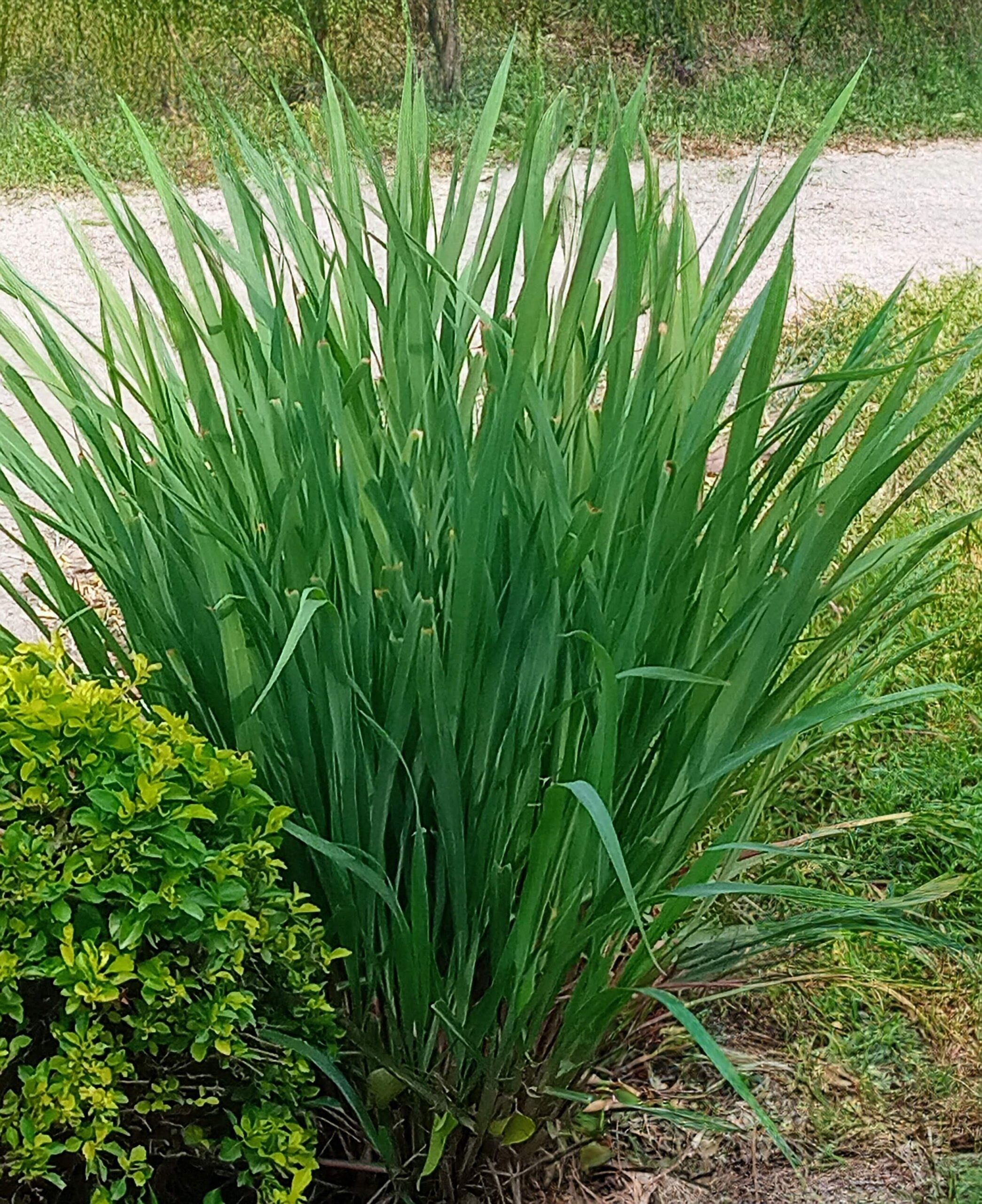
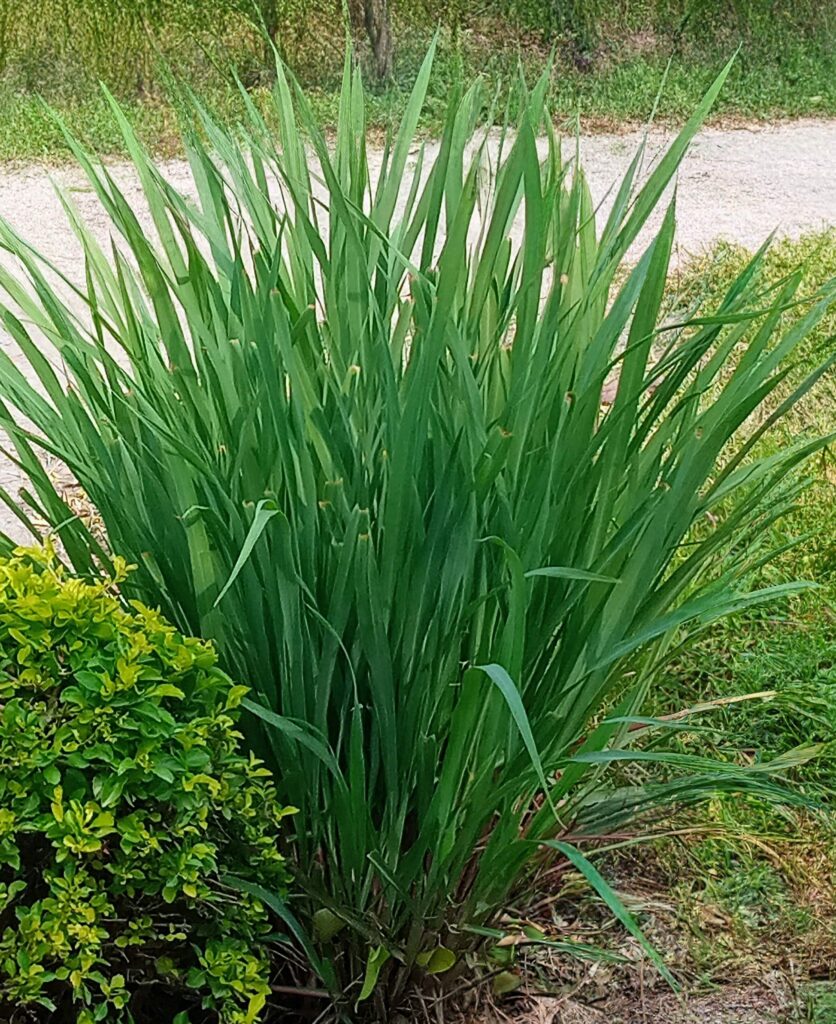
Lemongrass (Cymbopogon citratus) is a tall, clumping grass with long, slender green leaves and thick, pale stalks at the base. When you crush or bruise the leaves or stalks, they release a fresh citrus aroma thanks to natural essential oils, especially citral. Unlike actual lemons, it offers a bright, clean flavour without sourness, making it popular in teas, cooking, and wellness practices across cultures.
Health Benefits of Lemongrass
Lemongrass is rich in antioxidants, flavonoids, phenolic compounds, and other bioactive elements that support well-being. People have used it for generations, and modern studies highlight several promising effects:
- Supports Digestion: It helps ease bloating, gas, stomach discomfort, and nausea, one reason your daily qahva feels so soothing.
- Antibacterial and Antimicrobial: Lemongrass essential oil and its main component, citral, show strong activity against various bacteria, fungi, and other pathogens, making it useful for natural cleaning and for supporting immune health.
- Pain Relief and Anti-Inflammation: The citral in lemongrass has demonstrated anti-inflammatory properties that may help reduce swelling, ease muscle and joint pain, and provide relief for conditions like rheumatoid arthritis when used topically or as tea.
- Antioxidant Effects: Lemongrass is rich in antioxidants. These compounds fight free radicals (harmful molecules that damage cells and speed up ageing and disease). By neutralising them, lemongrass helps protect your body from oxidative stress, supports immunity, and may lower the risk of chronic diseases.
- Antimicrobial (Antibacterial, Antifungal): Lemongrass has strong natural germ-fighting power, especially from citral. It can inhibit the growth of many bacteria, fungi, and some viruses. This is why it’s used in natural cleaners, oral care, and to help fight infections. Studies show it works against common pathogens like Staphylococcus and E. coli.
- Anti-inflammatory & Pain Relief: It helps reduce swelling and inflammation in the body. Many people use lemongrass tea or oil for muscle pain, joint discomfort, arthritis, or menstrual cramps. The anti-inflammatory compounds calm irritated tissues and provide mild pain relief.
- Anticancer Potential: Lab and animal studies suggest lemongrass (especially its citral) may slow the growth of certain cancer cells (breast, prostate, lung, colon, etc.) and even trigger cancer cell death. It appears to target bad cells while sparing healthy ones in some tests. However, this is early research; it is not a cancer treatment. More human studies are needed.
- Digestion: This is one of its most popular traditional uses. Lemongrass tea soothes the stomach, reduces bloating, gas, nausea, and indigestion. It acts as a mild antispasmodic (relaxes stomach muscles) and may protect the stomach lining. Great for everyday gut comfort.
- Diuretic (Helps Remove Excess Fluid): Lemongrass has mild diuretic effects, it helps your body get rid of extra water and salt through urine. This can reduce puffiness and support kidney function.
- Blood Pressure: Several studies (animal and some human) show lemongrass may help lower high blood pressure. It relaxes blood vessels, reduces fluid retention (due to diuretic effect), and fights inflammation. Drinking the tea regularly may give gentle support.
- Cholesterol: Some research indicates lemongrass can help improve cholesterol levels, lowering “bad” LDL cholesterol and triglycerides while possibly raising “good” HDL. This supports heart health.
- Weight Loss: It may help indirectly with weight management. Its diuretic effect reduces water weight, it supports digestion, and some people feel less bloated. It is low in calories and can replace sugary drinks. However, it is not a magic weight-loss herb best used as part of a healthy diet and exercise.
- PMS (Premenstrual Syndrome): Lemongrass’s anti-inflammatory and pain-relieving properties may ease menstrual cramps, mood swings, and bloating. Its calming aroma can also reduce anxiety related to PMS. It helps the body combat oxidative stress, supporting overall immunity and vitality.
While traditional use and lab studies are encouraging, results can vary. Lemongrass tea is generally safe when enjoyed in normal amounts (1–2 cups daily). Still, it’s wise to consult a healthcare professional if you are pregnant, have low blood pressure, kidney concerns, or take medications.
Spiritual and Magickal Uses of Lemongrass
Beyond its physical benefits, lemongrass holds a special place in spiritual and magickal traditions. It is widely regarded as a powerful herb for cleansing negativity, providing protection, and promoting mental clarity. In Hoodoo and folk magic, it is a key ingredient in Van Van oil and Chinese Wash for spiritual purification and removing obstacles. Many practitioners use it to ward off evil, attract good luck, and open pathways for positive energy.
Lemongrass is believed to cut through emotional clutter, release toxic attachments, and foster open communication. It is associated with deities like Hermes, Diana, and Artemis, and linked to zodiac signs Gemini and Virgo. Burning dried lemongrass as incense or adding it to baths and floor washes is said to refresh the aura, dispel stagnant energy, and invite harmony and psychic awareness.
Folklore and Mythology
In various folklore traditions across Asia, Africa, and the Americas, lemongrass is revered for its protective and purifying qualities. It is often used in rituals to chase away negative spirits or snakes and to enhance spiritual connection. Some traditions consider it helpful for deepening psychic abilities and bringing success in love and personal endeavours. Its bright, uplifting energy is seen as a bridge between the physical and spiritual worlds, symbolising clarity, willpower, and transformation of negative energy into positive vibrations.
Divination and Clarity
Lemongrass is highly valued in divination and spiritual work for enhancing mental clarity and focus. It is used to clear mental fog, improve concentration during meditation or tarot readings, and strengthen psychic communication. Anointing candles with lemongrass oil or drinking the tea before divinatory practices is believed to open the mind, remove energetic blockages, and promote honest, clear insight. Many spiritual seekers use it to support self-discipline, determination, and balanced decision-making.
Lemongrass Garden’s Fragrant Superstar: How to Grow Lemongrass Successfully
The warm climate makes lemongrass an ideal plant for home gardens. It thrives in full sun and can produce harvests for 4–5 years or longer with basic care.
Key Growing Conditions:
- Sunlight: 6–8 hours of direct sun daily for lush growth and maximum fragrance.
- Soil: Well-draining, fertile loamy soil enriched with compost. Avoid spots that stay constantly wet.
- Watering: Keep the soil evenly moist, especially during hot summers. Water when the top inch feels dry.
-
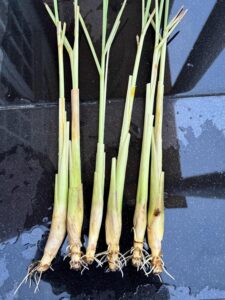
Lemongrass 4 Live Plants Eachhttps://a.co/d/0dOYO1ip Spacing: Plant clumps 2–3 feet apart, as mature plants can reach 3–6 feet tall and wide.
Easy Propagation: Root fresh stalks in a jar of water for 1–2 weeks until roots appear, then transplant. Or divide established clumps in spring for quick new plants.
Top-dress with compost every few weeks during the growing season (March to October). Mulch around the base to retain moisture. Harvest outer stalks regularly to encourage bushier growth.
Harvesting and Shade-Drying for Maximum Fragrance
How to Grow Lemongrass Successfully
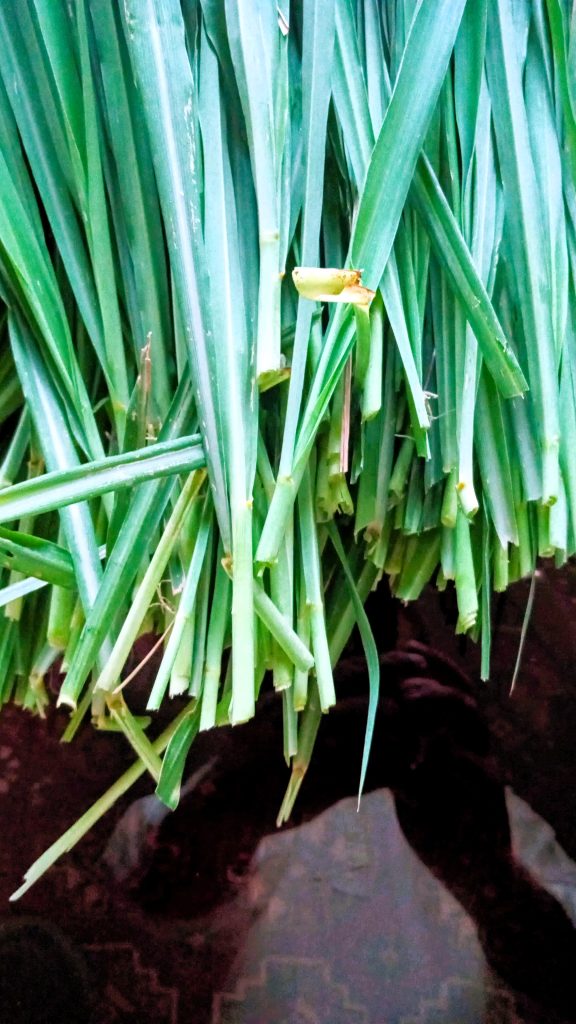
Harvest in the morning when oils are most concentrated. Cut outer stalks near the base, leaving inner shoots to continue growing.
For storage and year-round use, shade-drying is essential. Direct sunlight causes the delicate volatile oils (like citral) to evaporate quickly, robbing the plant of its signature strong lemony scent and taste.
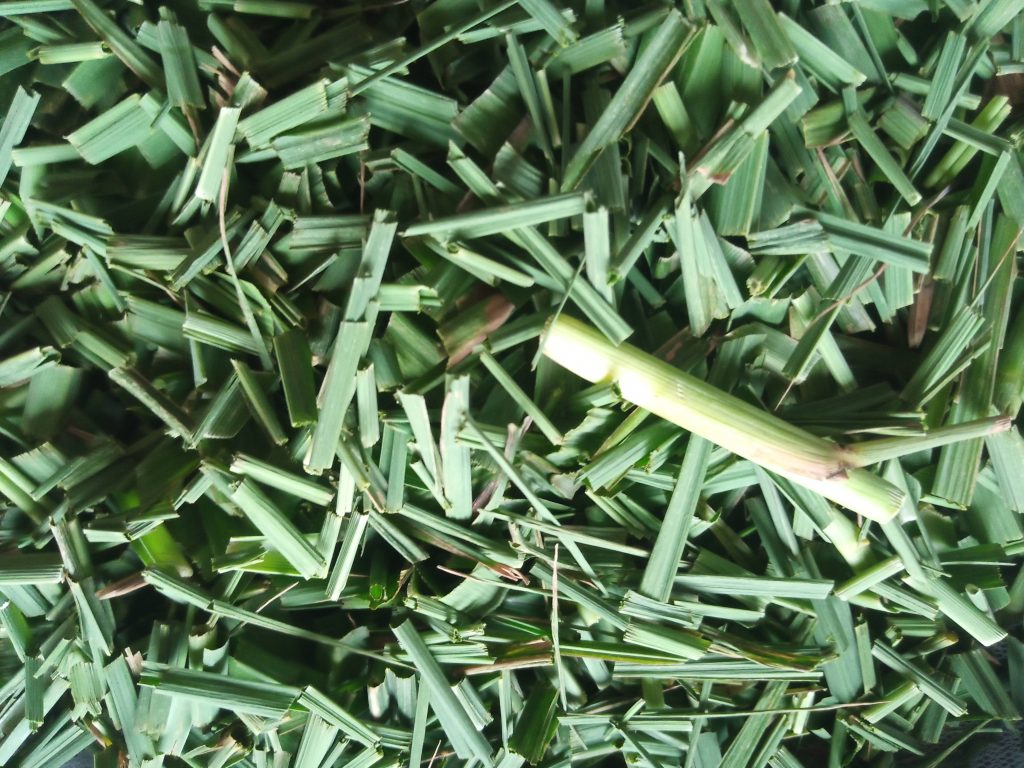
How to Shade-Dry Properly: Rinse gently and pat dry. Tie small bundles or spread leaves in a single layer on trays. Hang or place in a well-ventilated shady spot indoors or on a covered veranda. Dry for 3–7 days until leaves are crisp and snap easily. Store completely cooled leaves in airtight glass jars away from light and heat. Properly dried lemongrass can retain good aroma for 6–12 months.
Everyday Uses From Pakistani Qahva to Global Favourites: Lemongrass Garden’s Fragrant Superstar
In Pakistan, the most beloved way is brewing fresh or dried leaves into lemongrass qahva. Use 4–6 fresh leaves or 1–2 teaspoons of dried per cup. Simmer 5–10 minutes, then add ginger, honey, or mint for extra comfort and flavour.
In the USA and Europe, lemongrass shines in modern wellness and cooking, from aromatherapy diffusers and natural cleaners to beauty products and fusion recipes.
European & Western Culinary Recipes
Refreshing Lemongrass Iced Tea (Serves 4)
Ingredients: 3–4 chopped lemongrass stalks or a handful of leaves, 4 cups water, optional green tea, honey to taste, lemon slices, mint, and ice.
Method: Lightly crush the lemongrass and simmer in water for 5–10 minutes. Add tea if desired, strain, sweeten while warm, then chill. Serve over ice with lemon and mint, a light, fragrant summer favourite.
Simple Lemongrass Chicken Stir-Fry (Serves 2–3)
Ingredients: 300g chicken, 2–3 finely chopped lemongrass stalks (white part), garlic, ginger, chilli, vegetables (bell peppers or broccoli), and soy or fish sauce.
Method: Marinate chicken with lemongrass and seasonings. Stir-fry quickly in oil until cooked, add vegetables, and serve with rice. The lemongrass adds a bright, restaurant-style citrus note.
Lemongrass Essential Oil Extraction at Home
Lemongrass essential oil is extracted mainly through steam distillation. At home, you can use a simple setup or a small dedicated distiller. The oil is rich in citral and carries the plant’s signature powerful lemon fragrance.
Simple Home Steam Distillation Setup:
- Harvest and finely chop 500g–1kg of fresh or shade-dried lemongrass.
- Place chopped material in a large pot on a rack above water or directly in water.
-
Cover with an inverted lid and place ice or cold water on top.
- Simmer gently for 2–4 hours, replenishing ice as needed.
- Collect the condensed liquid. Separate the floating essential oil from the hydrosol (aromatic water).
- Store pure oil in a dark glass bottle.
Easiest Home Method Infused Oil: Chop lemongrass, cover with coconut or olive oil in a jar, and let it infuse in a shady spot for 1–2 weeks or gently warm in a double boiler. Strain and store.
Useful Blend Recipes
Natural Insect Repellent Spray:
10–15 drops lemongrass essential oil, 1 tsp witch hazel or vodka, optional 5 drops citronella oil, and 100 ml distilled water. Mix in a spray bottle, shake well, and apply to skin or surroundings. Reapply every 1–2 hours.
Soothing Lemongrass Massage Oil:
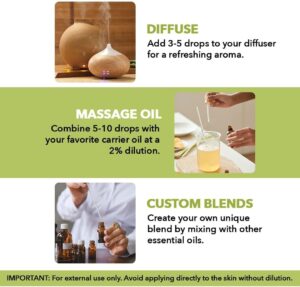
2 tablespoons carrier oil (coconut or jojoba) + 4–8 drops lemongrass essential oil. Mix well and use for muscle and joint massage. Always do a patch test first.
Lemongrass Garden’s Fragrant Superstar: Tips for Scaling Up from Your Garden
Propagate more plants by rooting stalks in water or dividing clumps in spring. Aim for 10–20 healthy clumps for meaningful production. Harvest regularly in the morning during the growing season (March–October). Combine fresh and shade-dried material for better results. Focus first on infused oils and hydrosol, as pure oil yield at home is modest but rewarding.
Frequently Asked Questions
Q1.Is lemongrass the same as lemon?
No. It provides a fresh lemon-like aroma and flavour, but grows as a grass plant and lacks the sourness of citrus fruit.
Q2. Can I grow lemongrass in small pots?
Yes, large pots with good drainage work wonderfully in Punjab’s climate.
Q3. Why is shade-drying so important?
Sunlight causes the fragrant essential oils to evaporate, permanently reducing aroma and taste. Shade drying preserves them best.
Q4. How much lemongrass tea is safe daily?
1–2 cups is generally fine for most healthy adults.
Q5. How do uses differ between Pakistan and Western countries?
In Pakistan, it shines in daily herbal qahva; in the USA and Europe, it’s also popular in cooking, beauty, and aromatherapy.
Q6. How long can one plant last?
With proper care, it can thrive for 4–5 years or more.
This post contains affiliate links, which means I earn a commission if you purchase through these links. This comes at no additional cost to you and helps support the content I create. I only promote products/services I believe in and use myself. Your support is greatly appreciated!
Disclaimer
This article is for informational and educational purposes only and is not a substitute for professional medical, spiritual, or magickal advice. While lemongrass offers potential wellness, spiritual, and practical benefits, individual results vary. Consult a qualified healthcare provider before using it therapeutically, especially if you are pregnant, breastfeeding, have existing health conditions, or take medications. Perform a patch test when using oils topically. Spiritual and magickal practices are highly personal.
https://mrpo.pk/fresh-cucumbers/
https://mrpo.pk/metabolic-longevity-with-moringa/
References
Scientific Reviews & Studies
- Silva H. (2022) — Exploring the Anti-Hypertensive Potential of Lemongrass. PMC / International Journal of Molecular Sciences. Strong evidence for blood pressure lowering, antioxidant, and diuretic effects.
- Tazi A. et al. (2024) — Review on the pharmacological properties of lemongrass (Cymbopogon citratus). Pharmacological Research – Natural Products. Comprehensive review covering antioxidant, antimicrobial, anti-inflammatory, and other properties.
- Kiełtyka-Dadasiewicz A. et al. (2024) — Antiviral, Antibacterial, Antifungal, and Anticancer Activity of Plant Materials Derived From Cymbopogon citratus. PMC.
- Healthline (2024) — 10 Potential Health Benefits of Lemongrass Tea (based on multiple studies). Good summary of antioxidant, antimicrobial, anti-inflammatory, and anticancer potential.
- Medical News Today (2024) — Lemongrass tea: Benefits, uses, and recipe. Covers anticancer properties of citral, blood pressure, and antimicrobial effects.
- Shah G. et al. (2011) — Scientific basis for the therapeutic use of Cymbopogon citratus. Journal of Advanced Pharmaceutical Technology & Research. (Highly cited classic review).
- Kiani H.S. et al. (2022) — Phytochemical Composition and Pharmacological Potential of Lemongrass. MDPI. Excellent overview of antioxidant, anti-inflammatory, cholesterol-lowering, and gut health effects.
- WebMD — Lemongrass: Uses, Side Effects, and More. Reliable information on safety, side effects, and general benefits.