

Raw Lassi: Ancient Summer Drink Modern Science Rediscovering
Raw Lassi: The Ancient Summer Drink Modern Science Is Rediscovering. Feeling tired in hot weather? Experiencing stomach burning, weakness, sweating, and low energy during summer? For generations, people across South Asia have relied on one traditional drink for relief: raw lassi.
https://mrpo.pk/healthy-habits/
Many elders still say:
“One glass of good lassi can cool half the summer heat.”
But is raw lassi really healthy? Does modern science support its benefits? Can it replace sugary soft drinks? And do people in Europe and America drink something similar?
This complete guide explains everything in simple and easy English.
History and Origins of Lassi
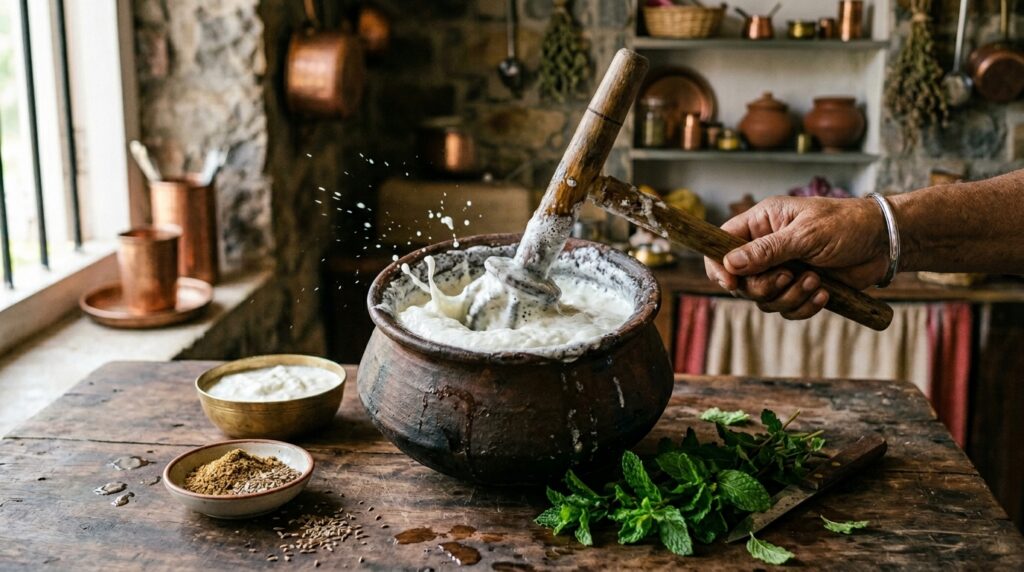
Lassi originated from my ancestral region of Punjab in India and Pakistan. Traditionally, people would use a wooden churner (madhani – pronounced mudh-ah-ni) to whisk Lassi in a clay pot (kujja). If you’re curious, here’s a video showing the traditional way of making lassi. Besides homemade yogurt (or curd), the only other ingredients in a classic Lassi were water, ice, and salt (or sugar).
Lassi served as a cooling respite against the intense summer heat of Punjab. Though Sweet Lassi was more of a breakfast beverage, Salted Lassi was thinner and served all day, even with meals.

“One glass of good lassi can cool half the summer heat.”
What Is Raw Lassi?
Raw lassi is a traditional yoghurt-based drink made by mixing yoghurt and water. Some people also add salt, cumin, mint, or sugar depending on taste and local traditions.
In villages, many families also use the thin liquid left after removing butter from yoghurt or cream.
Lassi can be:
- Sweet
- Salty
- Thick
- Thin
Different regions prepare it in different ways.
Why Did Our Grandparents Trust Lassi So Much?
Long before energy drinks, packaged juices, and protein shakes existed, village families depended on natural, homemade foods.
Farmers working under extreme heat often drank lassi during the hottest hours of the day. It was refreshing, filling, affordable, and easy to prepare.
For many families, lassi was not just a drink. It was part of daily life and culture.
- Children drank it after outdoor games
- Workers drank it after hard labour
- Guests were welcomed with lassi during the summer
Traditional communities believed natural foods helped the body stay balanced during harsh weather.

Why Is Lassi So Popular in Summer?
Hot weather causes sweating, dehydration, tiredness, and weakness. A cold glass of lassi may help the body feel refreshed very quickly.
That is why farmers, labourers, and hardworking people often drink lassi during hot afternoons.
Some people also believe it helps calm stomach heat and reduce discomfort after spicy meals.
Do People in Europe and America Drink Similar Beverages?
Yes. Although the word “lassi” is less common in Western countries, many fermented milk drinks similar to lassi are widely used.
These include:
- Buttermilk
- Yogurt drinks
- Kefir
- Fermented milk beverages
Today, gut-health drinks are becoming increasingly popular in the United States and Europe because many people are looking for natural alternatives to processed beverages.
Traditional Yoghurt Drinks Around the World
Many cultures have their own version of yoghurt-based drinks.
- Turkish Ayran
- Iranian Doogh
- Eastern European Kefir
- American Buttermilk
This shows that fermented milk drinks have been trusted around the world for centuries.

Raw Lassi Nutrition Facts
Raw lassi may provide many important nutrients, including:
- Protein
- Calcium
- Potassium
- Vitamin B12
- Healthy bacteria for digestion
Because of this, many people consider lassi a natural energy drink.
Why Do Many People Believe Lassi Helps Digestion?
The human digestive system contains helpful bacteria that support digestion and stomach health.
Yoghurt-based drinks may contain these “good bacteria,” which may help some people feel:
- Less bloating
- Better digestion
- Reduced stomach heaviness
- More comfort after meals
This is one reason fermented foods are becoming popular worldwide.

Science vs Tradition: Why Experts Are Rediscovering Fermented Foods
For many years, traditional foods were considered old-fashioned. However, modern nutrition experts are now studying fermented foods because they may support:
- Gut health
- Digestion
- Hydration
- Natural nutrition
What village elders understood through experience, modern science is now exploring through research.
Is Modern Fast Food Damaging Gut Health?
Modern diets often contain:
- Junk food
- Sugary soft drinks
- Artificial flavors
- Highly processed snacks
Many health experts believe these foods may negatively affect digestion and overall health.
Traditional drinks like homemade lassi are very different from heavily processed beverages because they usually contain simple, natural ingredients.

Homemade Lassi vs Market Lassi
This difference is extremely important.
Homemade Lassi
- Fresh yogurt
- Natural ingredients
- Lower sugar
- No preservatives
Packaged Market Lassi
- High sugar levels
- Artificial flavors
- Food colors
- Preservatives
- Thickening chemicals
Some packaged drinks may look healthy, but actually contain very high sugar levels.
Health Benefits of Raw Lassi
- Helps Cool the Body
During summer, the body loses water and minerals through sweating. Lassi may help replace some of them.
- May Reduce Weakness and Tiredness
A glass of lassi may provide quick freshness and energy, especially after physical work.
- May Support Digestion
Salty lassi with cumin and mint may help some people with:
- Indigestion
- Acidity
- Gas
- Heavy stomach feeling
Supports Bone Health
Lassi contains calcium, which is important for strong bones and teeth.
Helps Hydration
In hot weather, lassi may help the body stay refreshed and hydrated.
May Help During Heatwaves
People living in very hot regions often use lassi during heatwaves because it may help the body feel cooler.
Can Lassi Replace Soft Drinks?
This is one of the most important modern health questions.
Many soft drinks contain:
- Large amounts of sugar
- Artificial colors
- Chemicals
- Very little nutrition
Homemade lassi may provide:
- Protein
- Calcium
- Water
- Natural ingredients
However, sweet lassi with too much sugar may also become unhealthy. Fresh homemade salted lassi is usually considered the better option.

Best Ingredients to Add to Lassi
Mint
May provide a cooling feeling.
Roasted Cumin
Traditionally used to support digestion.
Pink Salt or Black Salt
Adds minerals and flavour.
Honey
Can be used in small amounts instead of refined sugar.
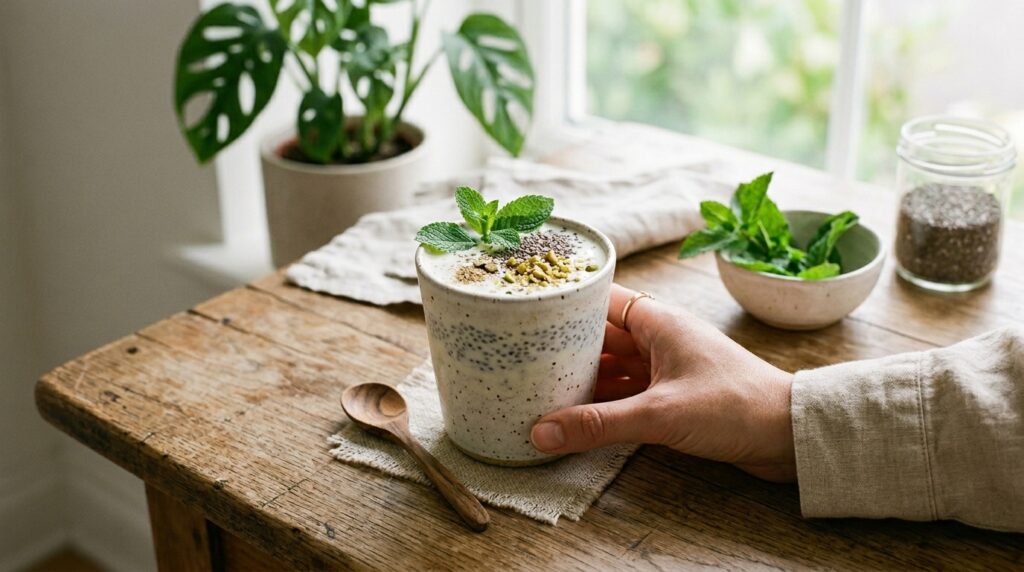
Chia Seeds
Some people use them for extra fibre.
Dry Fruits
Can make lassi richer and more filling.
Traditional Pakistani Lassi Recipes
1. Traditional Pakistani Salted Lassi

Ingredients
- 2 cups fresh yoghurt
- 1½ cups cold water
- ½ teaspoon pink salt or black salt
- ½ teaspoon roasted cumin powder
- Fresh mint leaves
- Ice cubes (optional)
Method
- Add yoghurt to a large bowl or blender.
- Pour in cold water.
- Blend or whisk until smooth and frothy.
- Add salt and roasted cumin powder.
- Mix well.
- Pour into glasses and garnish with mint leaves.
- Serve chilled.
Best For
- Hot summer afternoons
- Digestion support
- Reducing body heat
- Refreshment after outdoor work
2. Classic Pakistani Sweet Lassi
Ingredients

- 2 cups fresh yoghurt
- 1 cup cold milk
- ½ cup cold water
- 3–4 tablespoons sugar or honey
- Ice cubes
- Crushed almonds and pistachios
Method
- Add yoghurt, milk, sugar, and water into a blender.
- Blend until creamy and frothy.
- Add ice cubes and blend briefly again.
- Pour into tall glasses.
- Garnish with almonds and pistachios.
Best For
- Family gatherings
- Breakfast
- Eid and festive meals
- Energy and fullness
3. Pakistani Mango Lassi

Ingredients
- 1 ripe mango (peeled and chopped)
- 2 cups yoghurt
- ½ cup milk
- 2 tablespoons sugar or honey
- Ice cubes
- Pistachios for garnish
Method
- Add mango pieces, yoghurt, milk, and sugar into a blender.
- Blend until thick and smooth.
- Add ice cubes and blend lightly.
- Pour into chilled glasses.
- Garnish with pistachios.
Best For
- Summer refreshment
- Children’s favourite drink
- Cooling the body
- Dessert-style beverage
4. Village-Style Makhan Lassi
Ingredients

- 2 cups homemade yogurt
- 2 cups cold water
- Fresh homemade butter (makhan)
- A pinch of salt
- Ice cubes (optional)
Method
- Churn yoghurt and water using a traditional wooden churner or blender.
- Continue until frothy.
- Add salt lightly.
- Place a spoonful of fresh butter on top.
- Serve in traditional clay cups for authentic flavour.
Best For
- Traditional Punjabi meals
- Farmers and laborers
- Strong energy and fullness
5. Mint and Cumin Cooling Lassi
Ingredients
- 2 cups yoghurt
- 1½ cups cold water
- 1 tablespoon fresh mint leaves
- ½ teaspoon roasted cumin powder
- Black salt to taste
- Ice cubes
Method
- Blend yoghurt and water until smooth.
- Add mint leaves, cumin, and black salt.
- Blend again for a few seconds.
- Pour into glasses.
- Garnish with mint leaves.
Best For
- Extreme summer heat
- Heavy meals
- Digestion and freshness
6. Royal Dry Fruit Pakistani Lassi

Ingredients
- 2 cups thick yogurt
- 1 cup chilled milk
- 3 tablespoons sugar or honey
- Almonds
- Pistachios
- Cashews
- Raisins
- A few saffron strands
- Rose petals for garnish
Method
- Blend yoghurt, milk, and sugar until creamy.
- Chop dry fruits into small pieces.
- Add dry fruits and saffron to the lassi.
- Pour into serving glasses.
- Garnish with rose petals and pistachios.
Best For
- Weddings and celebrations
- Ramadan iftar
- Guests and special occasions
7. Traditional Ramadan Iftar Lassi
Ingredients
- 2 cups yoghurt
- 1 cup cold water
- 1 tablespoon honey
- A pinch of pink salt
- Soaked basil seeds (optional)
- Ice cubes
Method
- Blend yoghurt and water until smooth.
- Add honey and pink salt.
- Mix the soaked basil seeds gently.
- Serve chilled at iftar time.
Best For
- Rehydration after fasting
- Gentle energy boost
- Cooling the body during Ramadan
Important Tips for Healthy Lassi
- Always use fresh yoghurt.
- Avoid excessive sugar.
- Do not keep lassi outside for long in summer.
- Very cold lassi may not suit sensitive stomachs.
- Homemade lassi is usually healthier than packaged versions.
Pro Tip
“The secret of delicious Pakistani lassi is simple: fresh yogurt, balanced flavor, and natural ingredients.”
Seasonal and Body-Type Advice
Best Season for Lassi
Summer is generally considered the best season for lassi.
Best Time to Drink Lassi
- Late morning
- Afternoon
- After outdoor work
Why Some People Feel Sleepy After Drinking Lassi
Because it can feel calming and filling for the stomach.
Why Some People Feel Heavy After Drinking It
- Weak digestion
- Too much quantity
- Excess sugar
- Very cold temperature
Common Myths About Lassi
Myth 1: Lassi Always Causes Weight Gain
Not always. Excess sugar and large amounts may increase weight, but simple salted lassi may be lighter.
Myth 2: Only Villagers Drink Lassi
Today, even health-conscious people in cities and Western countries consume yoghurt-based drinks.
Myth 3: Cold Lassi Always Damages Health
Moderate temperature is usually better. Extremely cold drinks may cause discomfort in some people.
Myth 4: All Packaged Lassi Is Healthy
Some packaged products may contain large amounts of sugar and artificial ingredients.
Possible Side Effects of Raw Lassi
1. Unsafe Milk or Yogurt
If the yoghurt or milk is spoiled or contaminated, it may cause:
- Food poisoning
- Diarrhea
- Vomiting
- Stomach infections
2. Difficulty Digesting Milk Products
Some people cannot digest milk products properly and may experience:
- Gas
- Bloating
- Stomach pain
- Loose motions
3. Too Much Sugar
Sweet lassi with excessive sugar may increase body weight and blood sugar levels.
4. Very Cold Lassi
Very cold lassi may cause throat discomfort or digestive irritation in some individuals.
Who Should Be Careful?
- People with diabetes
- Kidney patients
- People with weak digestion
- Small children
- People sensitive to milk products
Simple Healthy Raw Lassi Recipe
Ingredients
- Fresh yogurt
- Clean water
- Roasted cumin
- Salt
- Mint leaves
Method
- Whisk the yoghurt well
- Add water
- Add cumin and salt
- Serve fresh
Frequently Asked Questions
Is It Safe to Drink Lassi Every Day?
For many healthy people, fresh lassi in moderate amounts may be safe.
Can Lassi Increase Weight?
Sweet lassi with too much sugar may increase weight.
Can People With Diabetes Drink Lassi?
Salted lassi in small amounts may be better than sweet lassi, but medical advice is recommended.
Is Lassi Good for Digestion?
For some people, it may support digestion and reduce stomach discomfort.
Is It Good to Drink Lassi at Night?
People with weak digestion may feel heaviness or discomfort if they drink it late at night.
Do Western Countries Use Similar Drinks?
Yes. Europe and America also use yoghurt-based and fermented milk drinks similar to lassi.
Final Thoughts
Raw lassi is more than just a traditional summer drink. It is part of a long cultural food tradition connected with hydration, digestion, and natural nutrition.
If prepared with:
- Fresh yogurt
- Clean ingredients
- Moderate sugar
- Proper hygiene
It may provide several health benefits.
But remember:
“Even natural foods are beneficial only when used wisely and in moderation.”
References
- Healthline – Buttermilk Nutrition and Benefits
- Britannica – Buttermilk Information
- Harvard Nutrition Source – Fermented Foods
- WebMD – Benefits of Good Bacteria in Gut Health