Oil Crisis Hits Everyone: Why Even the U.S. Feels It

Everyday Analogy
Even if your family grows wheat, if global wheat prices double, your bread still becomes expensive. Local abundance doesn’t insulate anyone from international market forces.

Everyday Analogy
Even if your family grows wheat, if global wheat prices double, your bread still becomes expensive. Local abundance doesn’t insulate anyone from international market forces.


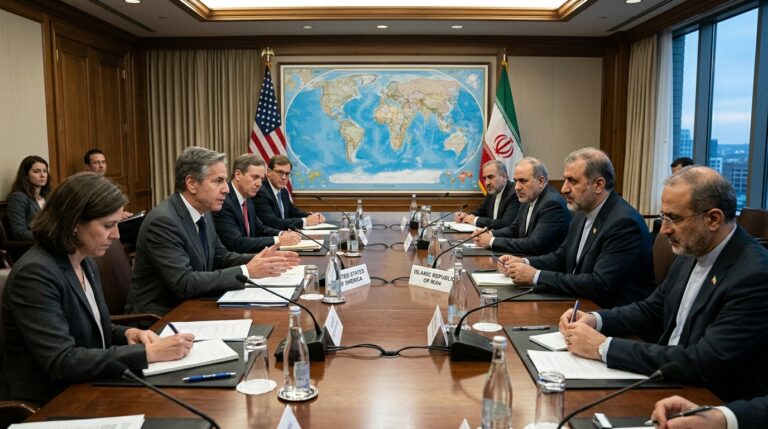
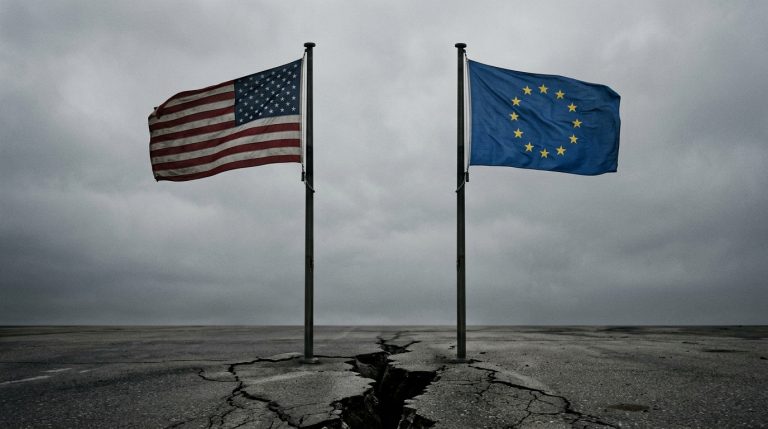
2026 کی ایران جنگ میں، ٹرمپ کے جرات مندانہ حملے نیتن یاہو کے اہداف کے ساتھ ملتے جلتے ہیں، پھر بھی یورپ کی فرم "ہماری جنگ نہیں" کے ردعمل سے گہرے اتحاد میں دراڑیں آشکار ہوتی ہیں۔ گیس کی قیمتوں میں اضافہ، اہل خانہ پریشان: یہ لڑائی کس کی ہے؟ یہ سب چلانے والے ذاتی تعلقات پر ایماندارانہ نظر۔

Thesis:
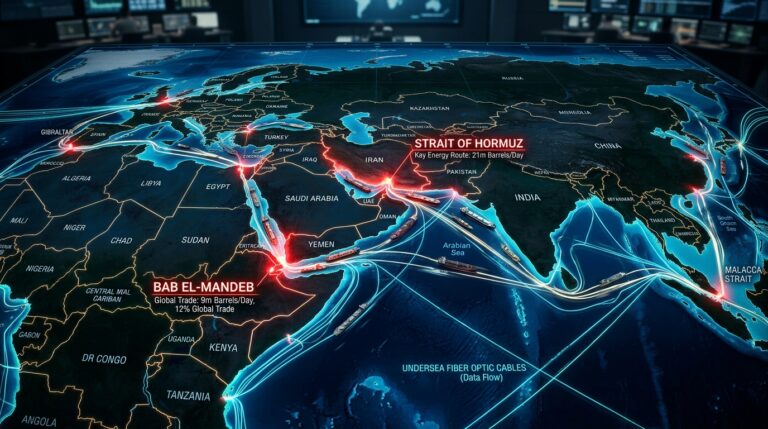
The March 2026 crisis is not just a political moment,it is the beginning of a deepening energy and cost-of-living crisis across the Western world.

A critical analysis of Pakistan’s pattern of debt-driven, optics-focused development, highlighting how cosmetic infrastructure projects have undermined long-term economic stability and structural reform.

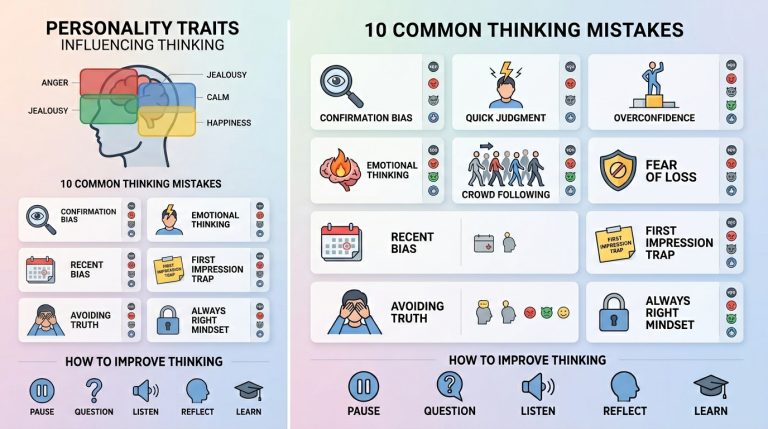
This article explores how ego, miscommunication, and emotional reactions fuel misunderstandings and how simple habits like pausing, listening, and reflecting can prevent regret and strengthen relationships.

پچھتاوا اکثر اس وقت ہوتا ہے جب اہم فیصلوں میں تاخیر ہوتی ہے، ذمہ داریوں کو نظر انداز کر دیا جاتا ہے، یا مواقع چھوٹ جاتے ہیں۔ پچھتاوے سے بچنے کا بہترین طریقہ یہ ہے کہ وقت پر عمل کریں، اپنی روزمرہ کی عادات کو منظم کریں، غلطیوں سے سیکھیں، اور اپنے انتخاب پر باقاعدگی سے غور کریں۔ آج کے چھوٹے ذمہ دارانہ اقدامات کل بڑے پچھتاوے کو روکتے ہیں۔

This article unpacks how global conflict translates into everyday hardship. It reveals how energy shocks trigger fertilizer shortages, reduce crop yields, and ultimately shrink what reaches your plate, making ordinary people worldwide pay the hidden cost of strategic miscalculations.


A nation’s true strength does not begin with military power or economic growth—it begins within. This article redefines national strength and prosperity through a civilizational lens, arguing that internal cohesion, moral order, and institutional trust form the foundation of sustainable power. Drawing upon historical patterns and Islamic principles, it presents an inside-out model of national development, where social unity leads to governance legitimacy, regional stability, and ultimately global respect. With a focused application to Pakistan, the study offers a framework for reversing decline through social reform, ethical economics, and just governance. A must-read for policymakers, scholars, and thinkers seeking long-term national stability.