
Trump-Xi Summit in Beijing 2026: What Happened, Global Reactions, and Real Impact on European Trade
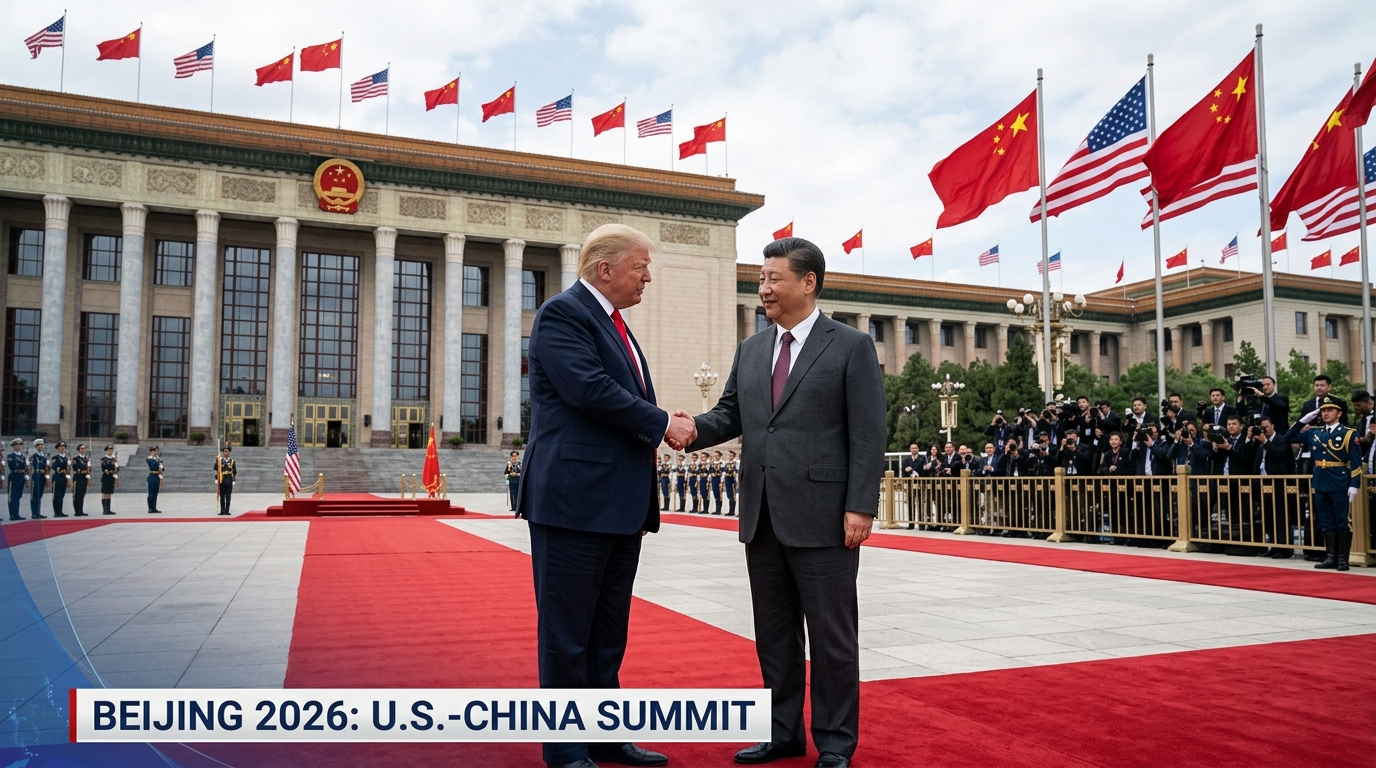
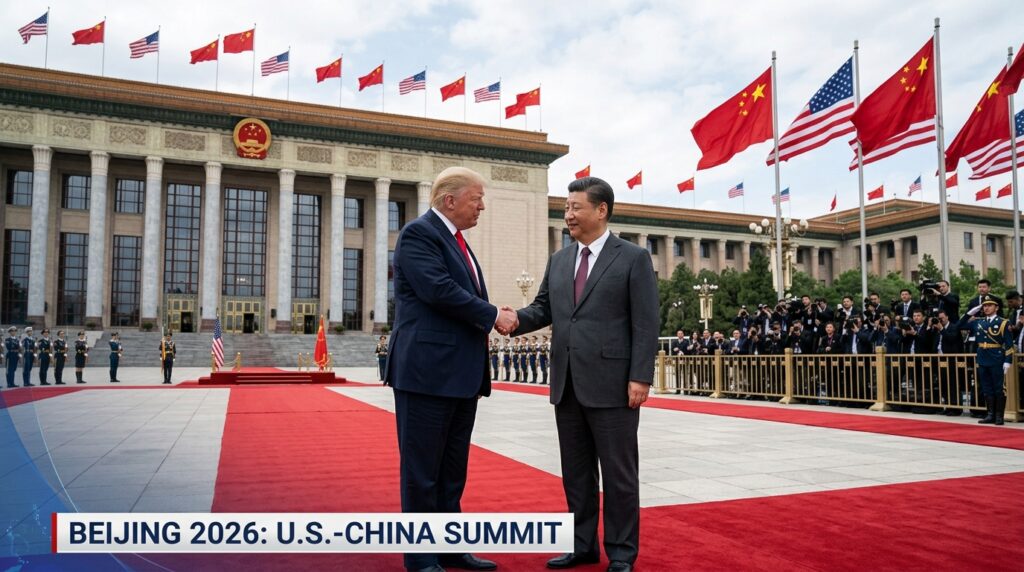
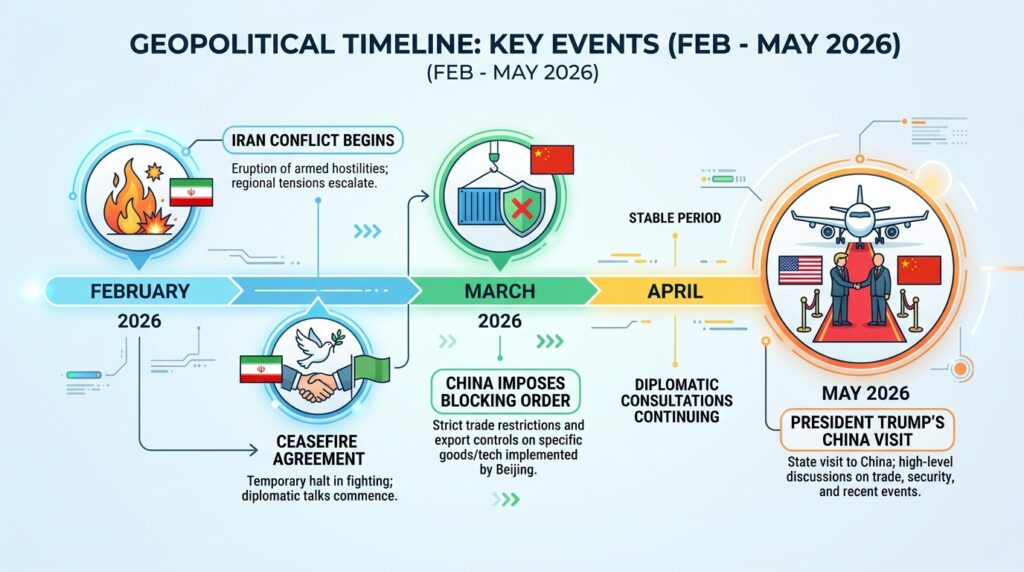
Two superpower leaders met in Beijing while global tensions ran high. U.S. President Donald Trump and Chinese President Xi Jinping held a high-stakes summit on May 14–15, 2026, the first U.S. presidential state visit to China in nearly a decade.
https://mrpo.pk/inside-trumps-2026-china-summit/
No sweeping new treaty was signed, but the meeting delivered practical deals, warm personal words, and firm warnings. Here is a clear, easy-to-read breakdown of what happened, how the world reacted, and what it means for European trade.
Why This Summit Mattered Right Now
The world is facing ongoing disruptions from the Iran conflict, especially in the Strait of Hormuz, plus worries over supply chains, energy prices, and technology competition. President Trump arrived with senior officials and top CEOs from companies like Tesla, Apple, and Nvidia. Both sides wanted stability and predictability more than dramatic breakthroughs.
Trump brought top CEOs to Beijing, but few big deals emerged
Trump sought real economic wins for American farmers and workers. Xi wanted calm to focus on China’s economy while protecting core interests.
US President Donald Trump says he has struck “fantastic trade deals, great for both countries” as he met his Chinese counterpart Xi Jinping for a final round of talks in Beijing.
The US president, who was accompanied to China by a high-profile business delegation spanning agriculture, aviation, electric vehicles and artificial intelligence (AI) chips, described ties between the two countries as “the world’s most consequential economic relationship”.
The summit has so far been defined more by warm rhetoric and symbolism than concrete economic outcomes, with day one featuring elaborate ceremonies and upbeat language but no sweeping trade breakthrough or significant business agreements.
Trump and Xi held more than two hours of closed-door talks on Thursday, which the White House called “highly productive”. Trump, speaking at the Great Hall of the People, called it potentially “the biggest summit ever”.
Xi said earlier trade talks in South Korea had delivered “progress”, but paired that with a stark warning on Taiwan, saying: “If mishandled, the two nations could collide or even come into conflict.”
https://www.bbc.com/news/articles/clypj01189lo
The 5 key stats/numbers
The 5 key stats/numbers highlighted by CNN’s David Goldman in the segment, along with their significance for the US-China summit and both countries.
1. 600 million (Chinese AI users, per Chinese data)
-Significance: Represents a massive potential market for US tech giants (e.g., those led by Jensen Huang/Nvidia, Tim Cook/Apple, Elon Musk). AI is viewed as critical for national security and future economic/military dominance by both nations.
– For US: Huge commercial opportunity and leverage for American firms to expand in China while advancing tech leadership.
– For China: Access to cutting-edge US AI/tech, but with controls to protect its own ecosystem and avoid over-dependence. Both sides see mutual interest in some cooperation amid competition.
2. 93% (China’s control/share of rare earth minerals/processing)
– Significance: Rare earths are essential for electronics, EVs, renewable energy, and especially advanced weaponry/military hardware. The US needs them to replenish stockpiles depleted by the conflict with Iran.
– For the US: Vulnerability in supply chains and defence production; China holds strong leverage here.
– For China: Major strategic advantage and bargaining chip. It dominates global processing, making it hard for the US to diversify quickly.
3. 80%+ (Share of Iranian oil that China buys/imports)
– Significance: Ties directly into the Iran war and the disrupted Strait of Hormuz (key oil route). Both countries want stability to resume flows, but China is far more dependent on this oil.
-For US: Leverage to pressure China to influence Iran toward peace/deals (e.g., nuclear limits).
– For China: Critical energy security concern; it has stockpiles but still needs reliable imports, giving the US some indirect influence.
4. $25 billion (Taiwan’s recent US weapons purchases)
– Significance: Highlights ongoing US arms support to Taiwan, a core “red line” issue for China. Xi emphasised Taiwan as the most important/sensitive topic.
-For US: Maintains strategic deterrence and alliances in the Indo-Pacific; provides leverage but risks escalation.
– For China: Seen as direct interference in its core interests; strong pushback expected, with warnings of dangerous outcomes if mishandled.
5.10% (Current US tariff rate on China, down from 145% previously)
-Significance: Reflects de-escalation in the trade war but also reduced US leverage after legal/political constraints (e.g., Supreme Court mention). Tariffs remain a key tool for reciprocity.
– For US: Easier trade environment but limits aggressive pressure; focus shifts to reciprocal deals.
– For China: Relief from high tariffs, but ongoing pressure for market access, purchases of US goods, and fairer terms.
Overall Context: These stats illustrate the **intertwined leverage, economic/tech opportunities vs. strategic dependencies (rare earths, energy, Taiwan) and lingering trade tensions. The summit mixes cooperation incentives (AI market, oil stability) with zero-sum issues (Taiwan, tech dominance, supply chains). Outcomes are likely incremental rather than transformative, balancing competition with the need to avoid outright conflict. Fareed Zakaria’s reactions in the segment typically frame this as high-stakes diplomacy requiring careful management of these interdependencies.
Key Outcomes from the Trump-Xi Summit
Trade and Economic Wins
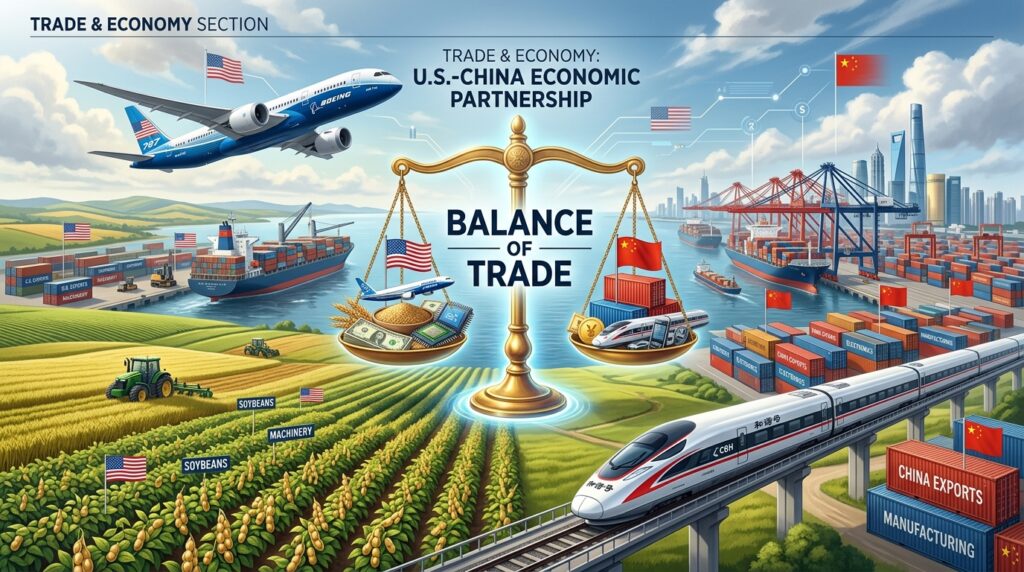
China agreed to purchase more U.S. goods, including around 200 Boeing aircraft, soybeans, beef, and energy products. The two sides also discussed creating a new “Board of Trade” to monitor commitments and improve follow-through on promises. Trump described the results as strong progress on trade.
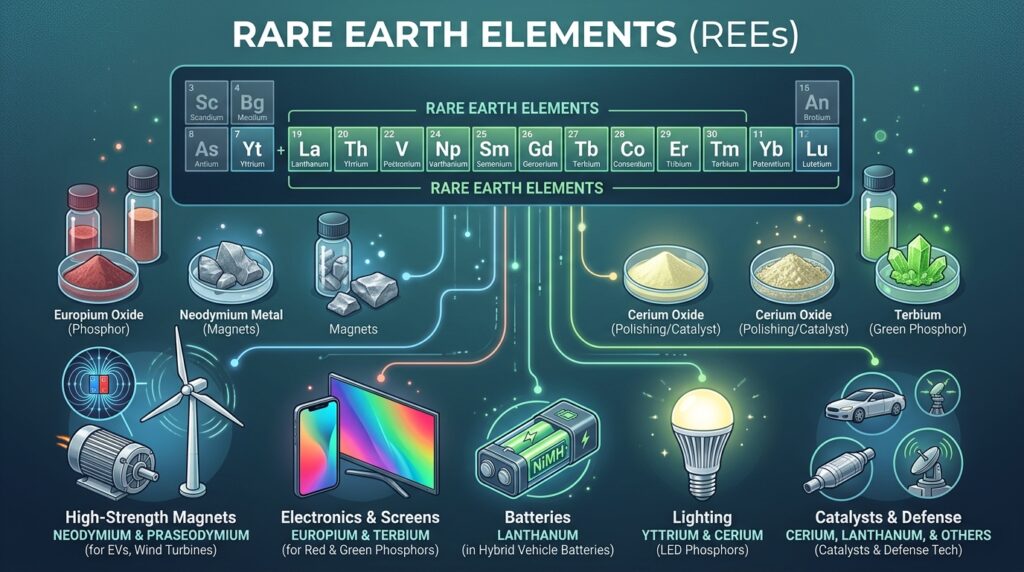
Rare earth elements (REEs)
Rare earth elements (REEs) are a group of 17 chemically similar metals (e.g., neodymium, dysprosium, terbium) critical for high-strength permanent magnets, electronics, EVs, wind turbines, defence systems (missiles, radar, jets), and emerging tech like AI/data centres.
93% (China’s control/share of rare earth minerals/processing)
- Significance: Rare earths are essential for electronics, EVs, renewable energy, and especially advanced weaponry/military hardware. The US needs them to replenish stockpiles depleted by the Iran conflict.
- For the US: Vulnerability in supply chains and defence production; China holds strong leverage here.
- For China: Major strategic advantage and bargaining chip. It dominates global processing, making it hard for the US to quickly diversify.
93% (China’s control/share of rare earth minerals/processing)
Current Supply Chain Structure (as of 2025–2026)
– Mining (upstream): China produces ~69–70% of global rare earth oxide (REO) equivalent (~270,000 tonnes out of ~390,000 tonnes total). The US is a distant second (~13%), followed by Australia (~7–8%), with smaller contributions from Myanmar (often tied to China), Thailand, and others.
– Processing/Refining (midstream): This is China’s strongest leverage point. China controls ~85–90%+ of global separation and refining capacity. Heavy rare earths (dysprosium, terbium — vital for high-temperature magnets in defence/EVs) see even higher dominance (~95–99%).
– Magnets & Downstream: China produces ~90–95% of rare earth magnets. This full vertical integration (mine-to-magnet) gives it control over the value chain.
Reserves are more distributed (China ~44–49%, Brazil ~23%, with notable deposits in India, Australia, US, Vietnam, etc.), but production and especially processing remain highly concentrated.
Geopolitical and Economic Dynamics
– China’s Advantages: Decades of investment, lower environmental/regulatory hurdles (historically), scale, and integrated supply chains. It has used export quotas, curbs, or threats as leverage (e.g., in response to tariffs or Taiwan tensions).
– Vulnerabilities: The chain is fragile. Export restrictions in 2025 disrupted auto and other sectors. Demand for magnet REEs is projected to rise sharply (>30% by 2030) due to clean energy and defence needs.
– For the US/West: Heavy reliance creates national security risks (defence stockpiles depleted, e.g., by conflicts) and economic exposure. The US has minimal domestic processing and relies on imports for most finished materials.
Diversification Efforts and Challenges
– US Initiatives: Support for MP Materials (Mountain Pass mine in California, expanding mining, separation, and magnet production with DoD funding/ownership stakes and offtake deals). Partnerships with allies (e.g., Australia’s Lynas for heavy rare earth processing in Malaysia/US). Multi-billion-dollar investments, floor prices for key materials, and alliances with 50+ nations for “friend-shoring.”
-Allied Moves: Australia (Lynas), and projects in Canada, Africa, and elsewhere. Focus on “China+1” strategies.
– Timeline Reality: Even with all planned projects, non-Chinese supply for key heavy REEs may cover <20% of demand by 2035. Processing capacity outside China remains limited and takes years to scale due to technical complexity, environmental regulations, and capital needs.
Key Challenges for Diversification:
– Environmental and permitting hurdles (especially in the US).
– Technical expertise concentrated in China.
– High costs and long lead times (mines + full separation-to-magnet chains).
– Predatory pricing or market flooding by China to deter competitors.
Significance in the US-China Context
In summits like Trump-Xi, rare earths represent a major US vulnerability (and Chinese bargaining chip) alongside tech tariffs and Taiwan. The US seeks stability and diversified access for defence/EVs/AI, while China leverages its dominance for concessions. Incremental progress on diversification is happening, but full decoupling is unrealistic in the near term; interdependence persists, with China holding stronger midstream control.
Overall, the dynamics highlight a classic “mine vs. refine” asymmetry: Mining is diversifying faster than processing, keeping Western supply chains partially dependent for years. This drives policy focus on alliances, stockpiling, recycling, and substitution R&D.
Iran Conflict and the Strait of Hormuz
Both leaders stressed the need to keep the Strait of Hormuz open for global shipping. China offered diplomatic help and showed interest in buying more U.S. energy. They also aligned on preventing Iran from developing nuclear weapons.
The Perception of American Power After the Iran War
Has the Iran War Weakened the Image of American Superpower Strength?
Many experts and world leaders now say the war with Iran has seriously damaged the old idea of America as the world’s only unbeatable superpower (called “unipolar” power). Even though the US and Israel hit Iran very hard with advanced weapons, Iran showed surprising strength and refused to collapse.
Why People See It This Way
Iran’s Resilience: Iran lost many soldiers, leaders (including the Supreme Leader), buildings, and weapons. But the government did not fall apart. Iran kept launching missiles and drones, used cheap weapons to cause expensive problems for the US, and disrupted oil shipping in the Strait of Hormuz for weeks. This showed that a smaller country can endure heavy attacks and still make a superpower pay a high price.
High Costs for the US: The US used up a lot of expensive missiles and bombs. Reports say the military has less than half of some key weapons left. It will take years to replace them. This makes some countries wonder if America could fight another big war at the same time, like over Taiwan.
Distraction and Global View: The war pulled America’s attention away from China and other problems. Some allies in Europe worry about US reliability. Countries in the Global South and rivals like China and Russia say this proves the world is becoming multipolar — meaning no single country dominates everything anymore.
The Other Side of the Story
The United States and Israel destroyed much of Iran’s air defences, navy, and missile factories in a short time. They showed they can strike with great precision. The US still has the strongest military overall, the world’s most powerful navy, and strong alliances. Many analysts say the war hurt Iran far more than it hurt America in pure military terms. However, the long, costly fight and Iran’s ability to keep going changed how the world sees American power.
This shift gives China more confidence in talks with Trump. Beijing sees the US as strong but not all-powerful — a “giant with a limp” in some ways. It affects negotiations on trade, fentanyl, Taiwan, and the Iran ceasefire.
Taiwan: The Big Red Line
President Xi was very direct, calling Taiwan the most important issue. He warned that mishandling it could lead to serious clashes or put the entire relationship at risk. This firm message stood out against the generally constructive tone.
Other Topics Covered
Discussions also touched on technology, rare earth minerals, artificial intelligence, and fentanyl precursors. Trump invited Xi for a return visit to the White House later in 2026. The overall atmosphere was described as constructive strategic stability.
How the World Reacted to the Summit
Global reactions were cautious but mostly positive on the stability front. Most countries and analysts saw the summit as a useful checkpoint rather than a game-changing reset.
In Asia, Taiwan remained highly alert and emphasised that China is the main source of regional tension. Japan and South Korea watched closely for any weakening of U.S. security commitments. Southeast Asian nations hoped the meeting would reduce pressure to choose sides between the two powers.
Markets showed calm relief with modest movements. Energy and commodity prices stayed in focus because of the Hormuz discussions. Experts called the outcome a pragmatic pause in great-power competition.
A body language analysis by Dr G (a clinical/forensic psychologist and body language expert) of the 2026 Trump-Xi Jinping meetings in Beijing, China, at Zhongnanhai.
Key Focus
Dr G examines power dynamics, handshake rituals, posture, pacing, eye contact, smiles, and psychological cues between President Trump and President Xi during their high-stakes summit. The analysis covers arrivals, walks through historic gardens (a rare symbolic gesture), formal greetings, and discussions on topics like trade, tariffs, Taiwan, Iran, AI, semiconductors, and U.S.-China relations.
Main Observations from the Analysis
- Trump’s behaviours: He shows tactile habits (touching the car for grounding/stress relief, patting backs/hands, spreading arms when emphasising points). Dr G interprets some as power plays or attempts to assert dominance/friendliness, but also notes signs of discomfort (suit adjustments, pacifying gestures like patting his leg). Trump is described as very expressive and connected through touch.
- Xi’s behaviours: More reserved and controlled with less emotional display. Xi often leads walks (positioning himself ahead or in front), maintains distance in handshakes (extending his arm to resist being pulled closer), and projects calm authority. His handshake initiation and stance are seen as subtle assertions of control on home turf.
- Power dynamics: Mixed signals with both leaders trying to project confidence and control. Xi frequently appears to lead symbolically (walking ahead, hosting gestures). Trump tries to neutralise or reciprocate (e.g., gesturing for Xi to proceed). There’s mutual respect/graciousness but clear separation and strategic positioning rather than overt warmth. The garden tour is highlighted as a significant diplomatic courtesy.
Overall Tone
The video frames the summit as a careful diplomatic choreography with underlying tensions (trade, geopolitics). Dr G emphasises these are observational opinions, not formal diagnoses, and encourages likes/subscribes. It includes context on attendees like Melania Trump, Eric Trump, Elon Musk, and Tim Cook.
The video is recent (posted around mid-May 2026) and runs through specific clips with slow-motion/pause breakdowns for viewers. It’s part of Dr G’s series on political body language.
https://youtu.be/An-dLWkDHlk?si=03wmOASw17onwRIP
Why the Media is Mentioning “Flattery” The Facts
Many news outlets have highlighted President Trump’s warm praise for President Xi during the summit. Trump repeatedly called Xi a “great leader,” said it was “an honour to be your friend,” and described the relationship as heading toward being “better than ever.”
These complimentary remarks were made during public statements, banquets, and meetings. Trump has used similar personal and flattering language toward Xi in the past.
Media outlets (especially in the West) label this as “flattery” because of the strong contrast: Trump was effusive and friendly while Xi delivered a firm, serious warning that any mishandling of Taiwan, which he called the most important issue, could lead to clashes or serious conflict.
The reality: This reflects Trump’s signature personal, transactional diplomacy style aimed at building rapport to secure deals on trade, energy, and the Iran situation. There is no evidence of major U.S. policy concessions on core issues like Taiwan or technology in exchange for the praise. The compliments helped achieve practical outcomes such as purchase commitments without compromising American red lines.
Specific Impact on European Trade
Trump-Xi Summit in Beijing 2026, Europe watched the summit from the sidelines with a mix of relief and concern. Here is what it means in practical terms.
Short-Term Stability Benefits
The extension of the existing trade truce helps avoid a full U.S.-China tariff war that would hurt global demand and European exporters. Supply chains for cars, electronics, and renewable energy received some breathing room.
Risks of Trade Diversion
If China gains easier access to the U.S. market, it may redirect extra goods — such as EVs, batteries, steel, and machinery- toward Europe. This could increase competitive pressure on European industries already facing Chinese overcapacity.
Energy, Commodities, and Aerospace
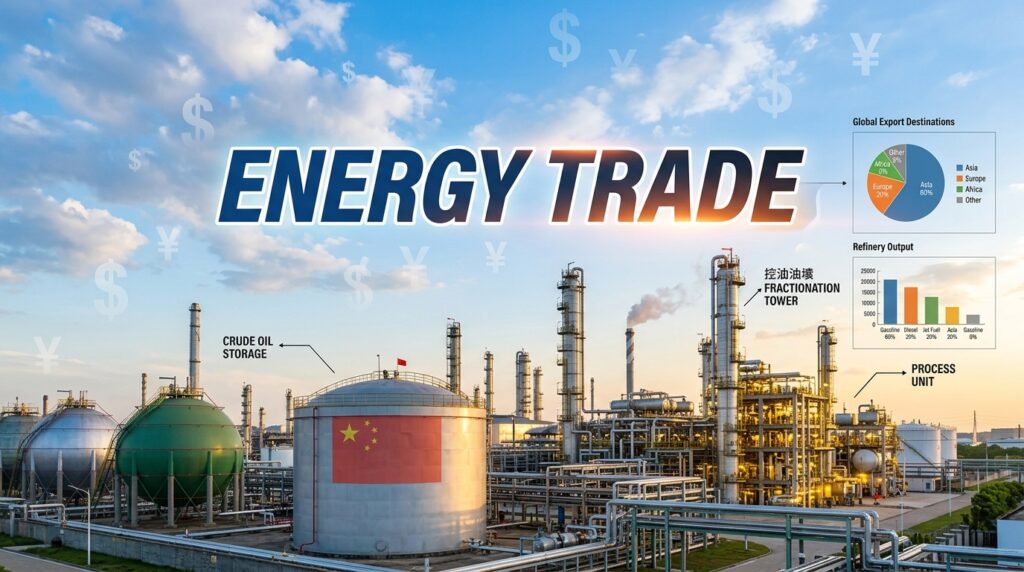
China’s bigger purchases of U.S. oil and agricultural products may push some global prices higher in the short term. On the positive side, progress on reopening the Strait of Hormuz improves Europe’s long-term energy security and shipping costs. Big Boeing orders represent a clear win for the U.S. and add pressure on Europe’s Airbus.
Critical Minerals and Tech Supply Chains
European companies worry about being deprioritised if the U.S. secures better access to Chinese rare earths and minerals. This affects green technology, manufacturing, and defence industries. Many analysts say Europe must accelerate diversification and invest more in its own industrial base.
6 FAQs About the Trump-Xi Summit in Beijing 2026
1. Was this a major new trade deal?
No. It focused on extending the current truce with practical purchase commitments and better monitoring mechanisms.
2. Did they solve the Iran conflict?
Not completely, but both sides agreed on keeping the Strait of Hormuz open, and China offered to help diplomatically.
3. How serious was the warning in Taiwan?
Very serious. Xi listed it as China’s top priority and warned of potential clashes if mishandled.
4. Will ordinary people feel the effects?
Yes, through fuel prices, costs of phones and cars, and jobs in farming, manufacturing, and technology sectors.
5. How did Europe view the summit?
Relieved about greater stability but concerned about being sidelined in big U.S.-China decisions and facing more Chinese exports.
6. What happens next?
Follow-up talks through the new trade board, possible Xi visit to Washington, and close monitoring of whether purchase promises are kept.
Final Thoughts: A Tactical Pause in a Tense World
The Trump-Xi Summit delivered modest deals, personal rapport, and a clear reminder of big differences, especially over Taiwan. For the world, it buys valuable time and prevents immediate shocks. For Europe, it highlights the urgent need to strengthen its own position rather than depend on outcomes decided in Washington and Beijing.
In our interconnected economy, these superpower meetings affect your fuel bills, job security, and everyday products. Diplomacy manages problems, but it rarely solves them overnight. The coming months will show how well the agreements are implemented.
References
CNBC, AP News, Reuters, CSIS, ECFR, and official readouts (as of May 15, 2026). Geopolitics moves quickly. Check trusted sources for the latest updates.