
War First Casualty Is Truth: Two Wars, One Pattern
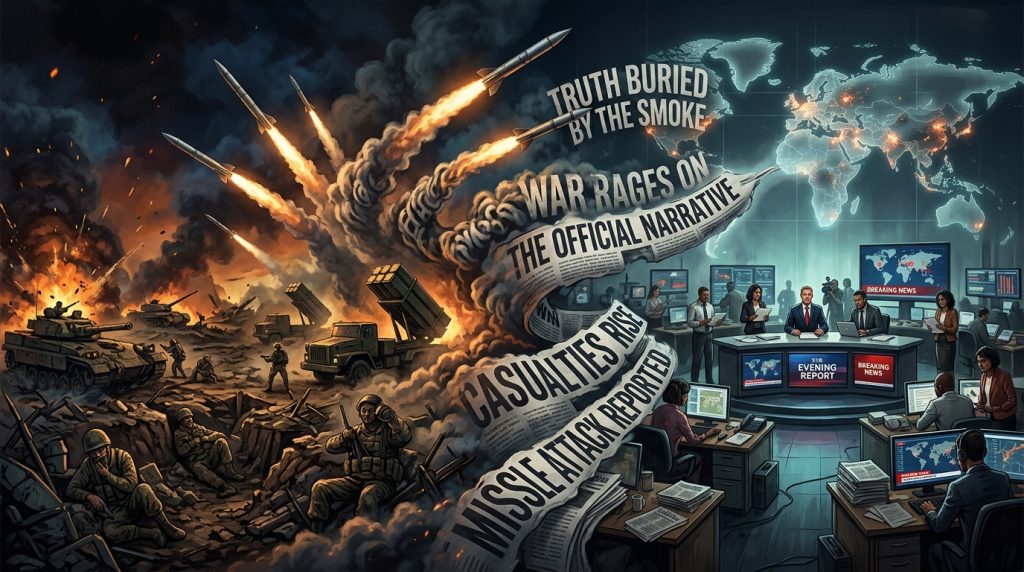
When War Comes, Truth is the First Casualty!
The War of Narratives
Truth reaches its breaking point in war. The ongoing Israel–U.S.–Iran conflict is a laboratory of filtered narratives, contradicting claims, and digital illusions. When the first U.S. airstrikes struck Iranian soil in early 2026, the official story was that Tehran posed an imminent nuclear threat. Yet diplomatic cables revealed that Iran had just agreed to downgrade uranium enrichment under a new inspection regime. Far from the brink of doom, negotiations were inching toward stability.
Still, the missiles flew. The justification appeared not in a press briefing but, fittingly, on Truth Social: declarations of “credible intelligence,” “imminent danger,” “decisive leadership.” Within hours, independent analysts were asking where this intelligence came from. None of it was ever fully shown. The machinery of justification moved on without evidence—it was truth by assertion, my assertion and not yours, the two shall never meet!
This article explores how modern conflicts are not only fought on battlefields, but also in the space of information, narrative, and perception. It compares two major conflict cycles and shows how early victory claims often arrive faster than the verified truth.
https://www.csconversations.in/when-war-comes-truth-is-the-first-casualty/
War Begins With Words, Not Weapons
In modern conflicts, language is one of the first tools used. Leaders speak to show strength, warn opponents, and reassure their own citizens.
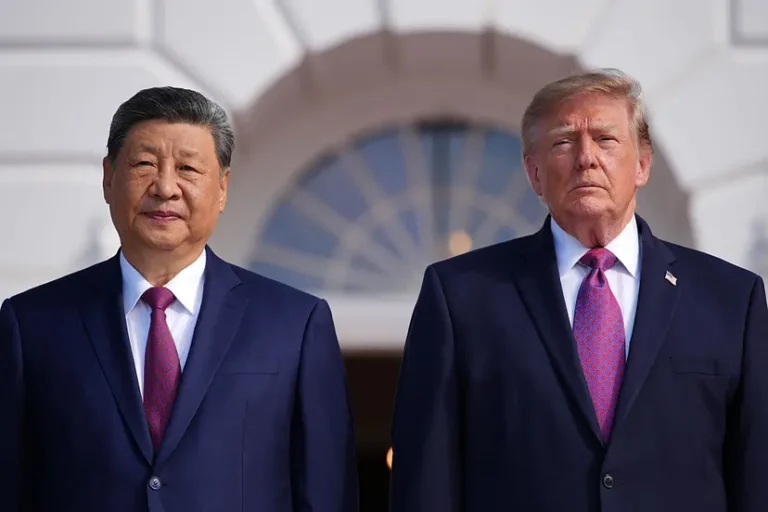
Statements made by global leaders such as Donald Trump and Benjamin Netanyahu during periods of conflict demonstrate how carefully chosen words can influence public emotion and international reaction.
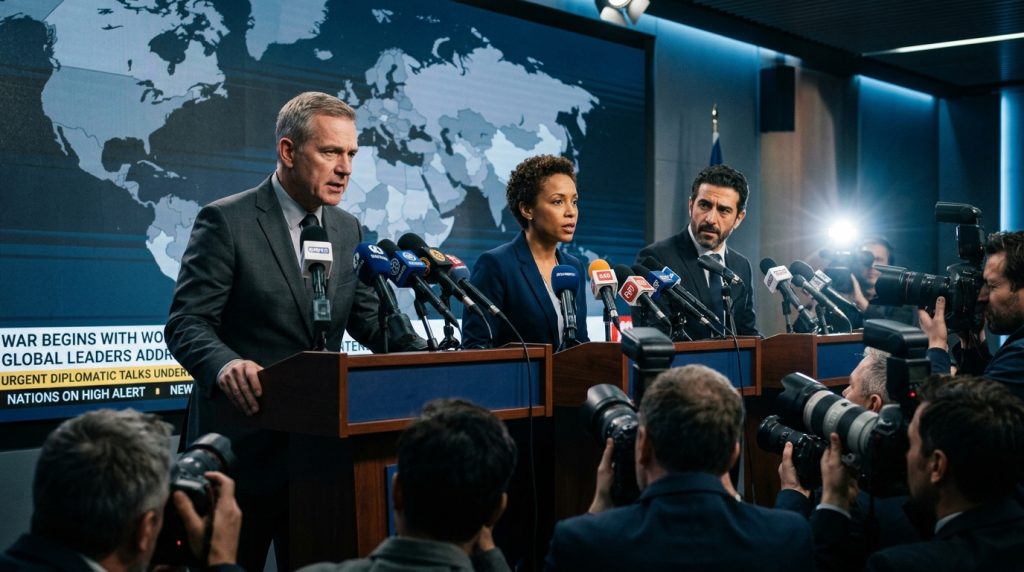
These words are not only descriptions of events. They are part of the strategy.
The June 2025 Twelve-Day War: When Narratives Moved Faster Than Facts
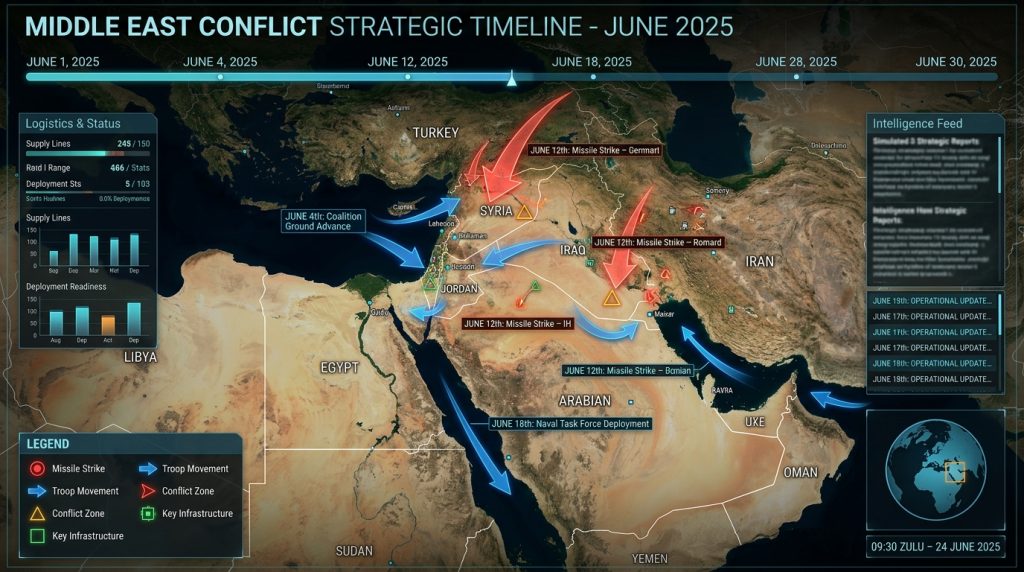
Day 1: The Shock of First Strikes
The conflict began with coordinated strikes on strategic targets inside Iran. Reports indicated damage to military infrastructure and nuclear-related facilities.
Early statements described the operation as highly successful. Terms such as “destroyed” and “crippled” were widely used in public messaging.
At this stage, however, full damage assessments had not yet been completed. The first version of the story was already spreading faster than verified information.
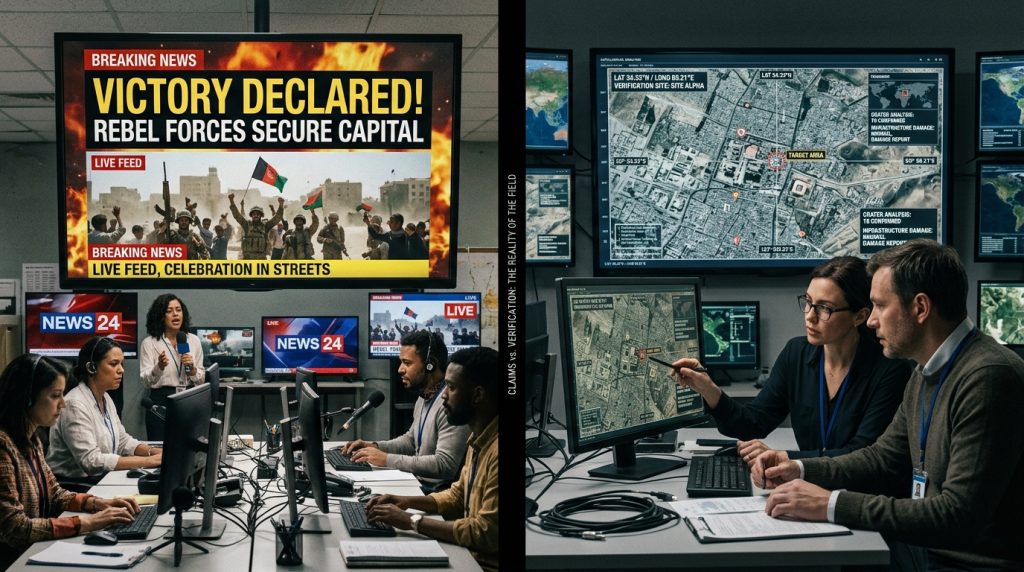
Days 2 to 5: Retaliation and Conflicting Claims
Iran responded with missile and drone attacks, escalating the situation further. Air defences were activated across multiple regions, and regional tensions increased quickly.
Both sides issued strong claims during this phase. Each side reported success while minimising its own losses.
This created a situation where two different narratives of the same conflict were being told at the same time.
- One narrative emphasised the successful destruction of targets
- The other emphasised survival and continued capability
- Independent verification remained limited
As a result, public understanding became fragmented and uncertain.
Days 6 to 11: Information Becomes Part of the Battlefield
As the conflict continued, communication itself became a strategic tool. Statements were no longer just updates; they became part of the conflict dynamics.
Military success claims, defensive achievements, and strategic messages were released in real time, often before independent confirmation was available.
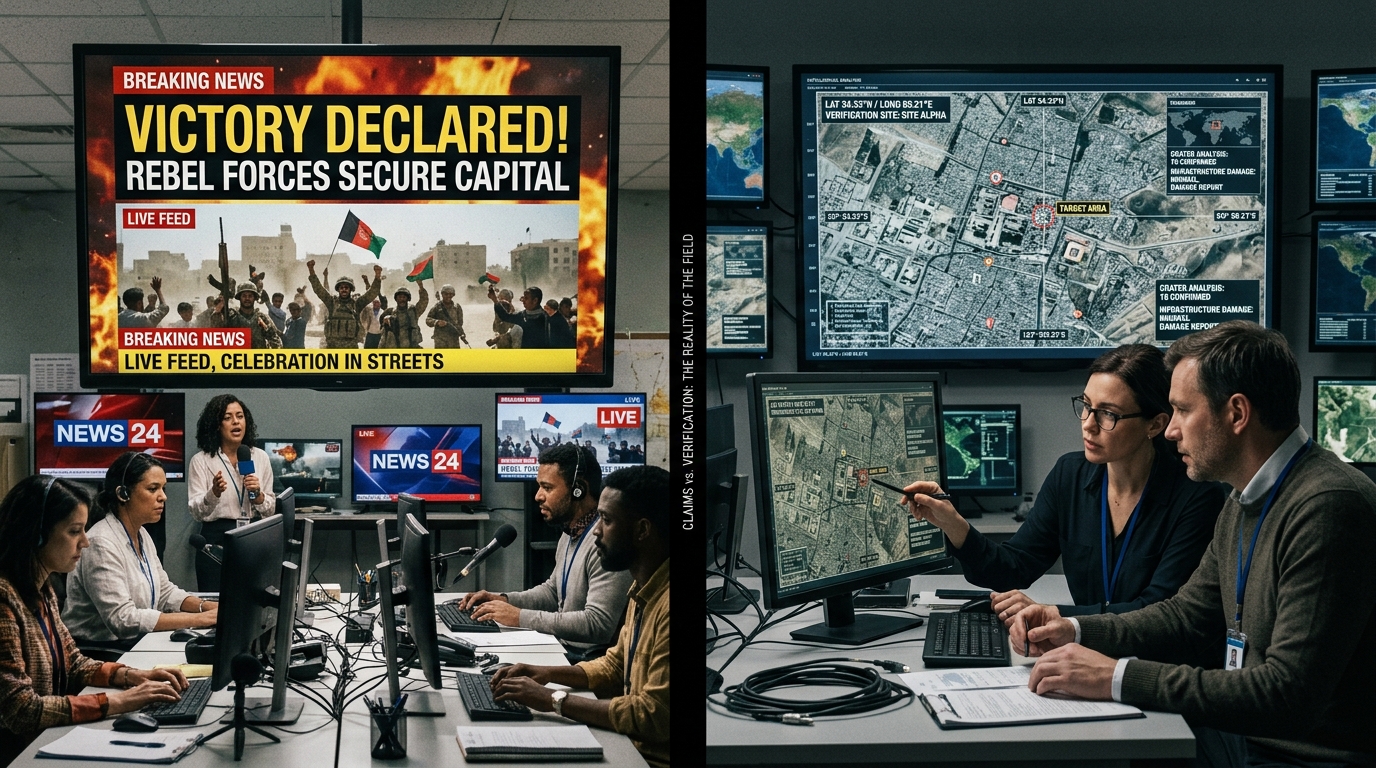
This phase highlighted a key reality of modern warfare: information moves faster than verification.
Day 12: Ceasefire and the Beginning of Interpretation
After approximately twelve days, a ceasefire was announced. Active fighting stopped, but the interpretation of the conflict began immediately.
Each side presented its own version of outcomes. Early victory narratives were reinforced, while opposing interpretations highlighted different results.
This transition marked an important shift from physical conflict to narrative conflict.
Press Room Pressure: When Questions Challenged Victory Claims
Following the strikes, strong public claims were made regarding the destruction of Iran’s nuclear capability. However, journalists and analysts began asking difficult questions about verification.
Reporters questioned whether the damage was permanent or partial. Intelligence assessments suggested that while significant disruption occurred, destruction had not been confirmed.
International monitoring bodies, including the International Atomic Energy Agency, indicated that nuclear-related materials and technical capacity were likely still present in some form.
This created tension between official messaging and emerging analysis.
The Gap Between Claims and Confirmation
One of the most important lessons from the June 2025 conflict is the gap between early claims and later verification.
Initial reports often emphasised total success. Later assessments introduced more nuanced conclusions, suggesting partial damage rather than complete elimination.
This gap is not unusual in modern warfare, but it becomes highly significant when public perception is shaped early.
War Two: The Repeated Pattern of Early Victory Claims
After the June 2025 conflict, tensions in the region did not fully disappear. Instead, they shifted into new cycles of confrontation and strategic messaging.
Once again, military actions were followed by strong public statements. And once again, claims of decisive victory appeared early.
This created an important opportunity for comparison: not just what happened in one war, but how similar patterns appeared across multiple conflicts.
Early Claims of Strategic Success
In later escalation phases, military operations were again described in highly confident terms. Statements suggested that key missile systems, defensive networks, and strategic facilities had been destroyed or neutralised.
These claims created a strong public impression of decisive advantage.
However, as with earlier conflicts, the timing of these claims came before full independent verification.
Operational Reality vs Public Messaging
As time progressed, evidence suggested a more complex reality.
While significant damage to military infrastructure did occur, operational capability was not fully eliminated. Some systems continued to function, and retaliatory capabilities remained active.
- Some missile systems were damaged but not fully destroyed
- Defensive structures were disrupted but partially operational
- Strategic capacity remained present in reduced form
This contrast between early messaging and later analysis reflects a recurring pattern in modern conflict communication.
How Public Perception Was Shaped Again
As in the previous war, initial victory narratives strongly influenced public perception. Many people formed conclusions based on early statements rather than later verified data.
Once a narrative becomes established in public understanding, it becomes difficult to reverse, even if new information appears later.
This highlights a key reality: in modern warfare, perception often stabilises before truth fully emerges.
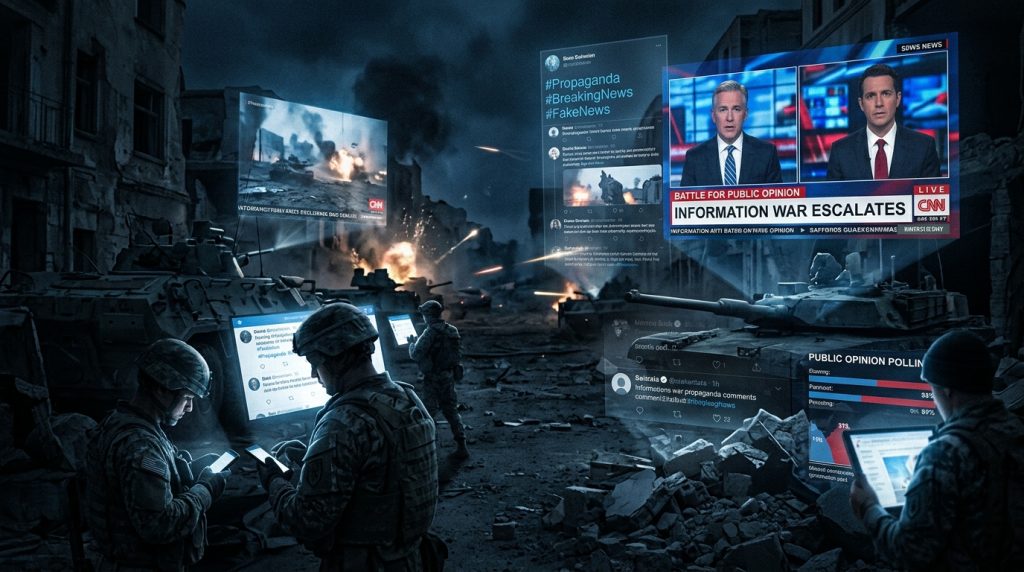
The Mirror Effect Between Two Conflicts
When comparing both conflicts, a clear structural similarity emerges.
Despite differences in geography, timing, and tactics, both wars followed a similar communication cycle:
- Early strong victory claims
- Rapid media amplification
- Delayed independent verification
- Gradual emergence of a more nuanced reality
This repetition suggests that the pattern is not accidental, but systemic in modern conflict communication.
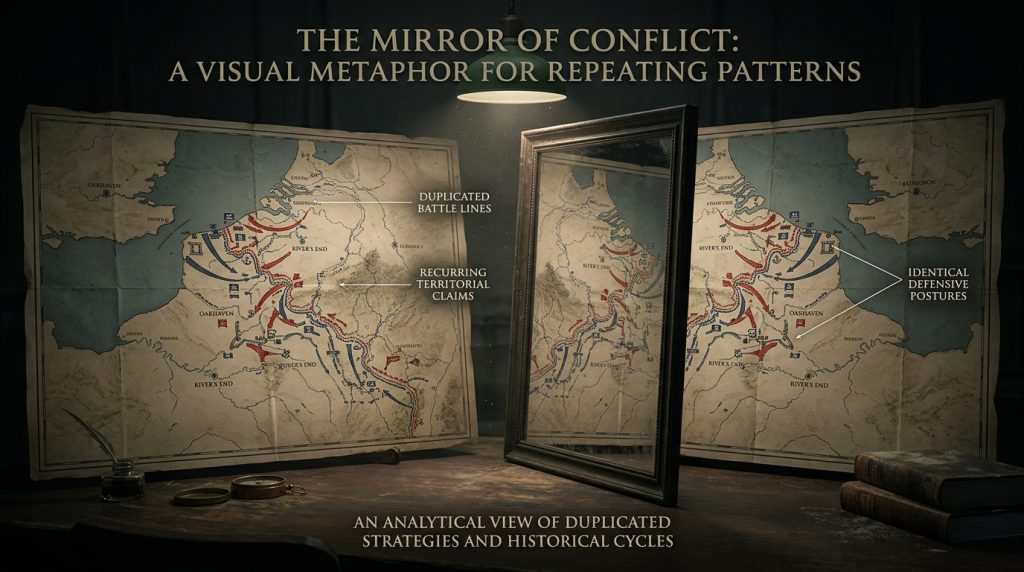
The Pattern Comparison: Two Wars, One Communication Cycle
When both conflicts are placed side by side, a clear pattern emerges. The geography changes, the actors change, and the weapons change, but the communication rhythm stays surprisingly similar.
This repetition is important because it shows how modern wars are not only fought with force, but also with narratives that follow predictable stages.
Stage 1: Early Victory Language
In both conflicts, strong victory claims appeared very early. Words such as “destroyed,” “eliminated,” and “obliterated” were used to describe outcomes before full verification was complete.
These statements created immediate emotional impact. They shaped public expectations within hours.
Stage 2: Questioning and Verification Pressure
After initial claims, journalists, analysts, and intelligence sources began asking questions.
They focused on key issues such as:
- What evidence supports the claims?
- Has independent verification been completed?
- Are damaged systems permanently destroyed or temporarily disabled?
This phase introduced uncertainty into what initially appeared to be clear victories.
Stage 3: Emergence of Partial Reality
As more information became available, a more balanced picture emerged in both wars.
Damage was real, but not always total. Success was real, but often incomplete.
This stage revealed an important truth: early descriptions of “total victory” often evolve into more careful and qualified explanations.
Stage 4: Narrative Stabilisation
Eventually, public understanding settles into a simplified version of events.
Even when updated information exists, the first narrative often remains the most remembered.
This creates a long-term gap between perception and verified reality.
Did Iran Become Weaker or More Resilient?
After both conflicts, Iran experienced clear military and infrastructural damage. Strategic sites were targeted, and operational systems were disrupted.
However, the country did not collapse. Instead, it adapted its approach.
Iran shifted toward more dispersed, defensive, and asymmetric strategies. This includes greater reliance on mobile systems, underground infrastructure, and indirect forms of engagement.
This does not mean strength in absolute terms. But it does indicate resilience under pressure.
In simple terms, Iran was weakened, but not removed from the strategic equation.
Did the United States and Israel Achieve Their Objectives?
The outcomes of both conflicts show a mix of success and limitations.
What Was Achieved
- Significant damage to the targeted military infrastructure
- Demonstration of long-range operational capability
- Short-term disruption of strategic systems
What Was Not Fully Achieved
- Permanent elimination of nuclear-related capability
- Total destruction of missile and defence systems
- Long-term strategic resolution of conflict
This creates a mixed outcome where tactical success is clearer than strategic resolution.
The Core Insight: Tactical Success vs Strategic Victory
One of the most important lessons from both wars is the difference between tactical success and strategic victory.
Tactical success happens quickly. It involves visible strikes, immediate damage, and clear operational achievements.
Strategic victory is different. It requires long-term outcomes such as lasting stability, removal of threats, or permanent change in balance.
In both conflicts, tactical success was more visible than strategic resolution.
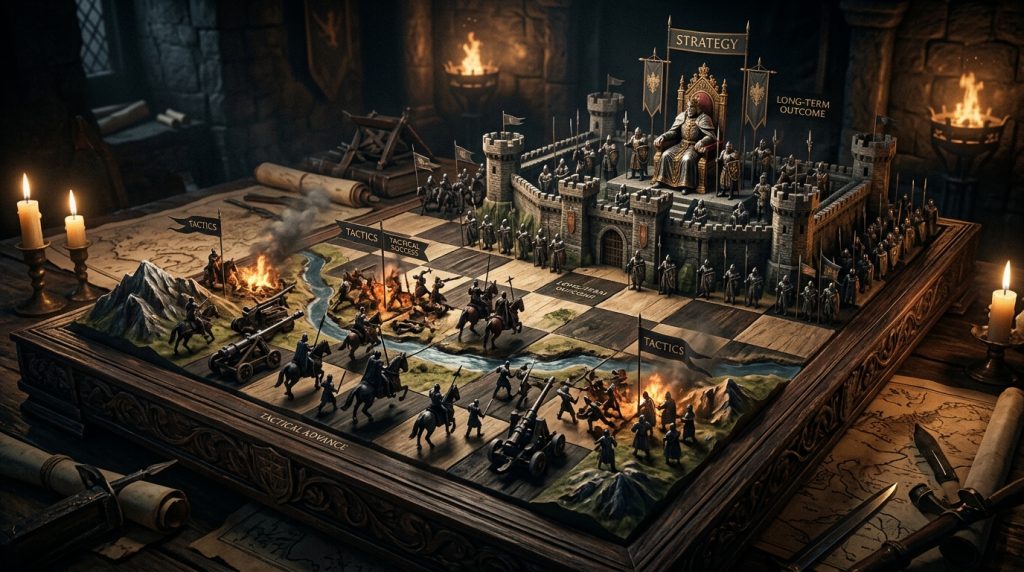
Why Early Victory Claims Matter
Early victory claims shape how people understand war before full facts are available.
They influence public emotion, political pressure, and international perception.
However, when these claims are later adjusted, it can create confusion and trust gaps.
This is why timing matters as much as accuracy in wartime communication.
War first casualty is truth. The Final Lesson
When two different wars follow the same communication pattern, it reveals something deeper than individual events.
It shows a system where:
- Words move faster than verification
- Perception forms before full evidence arrives
- Early narratives become long-lasting memories
In both conflicts, truth did not disappear. It simply arrived later than the headlines.
And in that delay, the gap between claim and reality becomes one of the most important spaces in modern warfare.
Because in the end, wars are not only fought on battlefields… they are also fought in the time between statement and truth.
Frequently Asked Questions (FAQs)
1. Why is truth often unclear during wars?
Truth becomes unclear during wars because information is released quickly, but full verification takes time. Early reports often focus on immediate events, while detailed analysis comes later. This creates a gap between what is said and what is confirmed.
2. Why do leaders announce victory so early?
Leaders often announce victory early to shape public confidence, influence enemy perception, and maintain political stability. Strong language also helps control panic and project strength during uncertain situations.
3. Were early claims in both wars fully accurate?
Not completely. In both conflicts, early claims emphasised total success, but later assessments showed more partial outcomes. Some targets were damaged, but not permanently eliminated.
4. Why do different sides give completely different versions of the same war?
Each side uses communication strategically. They highlight their own successes and minimise losses. This leads to conflicting narratives, especially in the early stages before independent verification is available.
5. Can damaged military systems still function after being attacked?
Yes. Many military systems are designed with redundancy. Even after damage, some capabilities can remain operational or be restored over time, depending on the extent of destruction.
6. What is the main lesson from comparing both wars?
The main lesson is that early victory claims often do not fully match later verified outcomes. Understanding war requires patience, verification, and attention to evolving evidence rather than early statements alone.
Purpose of This Article
The purpose of War first casualty is truth, is to help readers understand how modern wars are reported, explained, and perceived. It is not written to support any side or political position. Instead, it focuses on how information behaves during conflict and how early narratives can differ from later verified facts.
The goal is to encourage critical thinking, patience in understanding news, and awareness of how public perception is shaped.
Editorial Perspective
This article follows an investigative and neutral approach. It is based on publicly available reporting, strategic analysis, and comparative observation of communication patterns during conflict.
The focus is not on political judgment, but on understanding how information flows during crises and how narratives evolve. It emphasises careful reading of claims, comparison with verified data, and awareness that early reports may not represent the full reality.
References
- International Atomic Energy Agency (IAEA) – Nuclear monitoring and verification reports
- United Nations (UN) – International conflict and security documentation
- Center for Strategic and International Studies (CSIS) – Conflict and security analysis
- Institute for National Security Studies (INSS) – Regional security research
- Reuters – Global conflict reporting and timelines
- BBC News – International coverage of geopolitical developments
- The Guardian – Analysis of diplomatic and security events
- The Washington Post – Intelligence and political reporting
- ABC News – Leadership statements and press coverage
Author
Editorial Research Desk
This article was prepared by an independent research and analysis team focused on geopolitical communication, conflict reporting, and information literacy.
The goal of the authorship team is to present complex global events in a clear, structured, and understandable format for general readers.