
US–Iran War & One-Page MOU: Full Investigative Global Analysis (2026)
US-Iran War & one-page MOU. An in-depth investigative analysis of the US–Iran war developments, a one-page 14-point MOU, Gulf reactions, Israel–Lebanon escalation, air defence realities, and global political blowback.
https://mrpo.pk/war-first-casualty-is-truth/
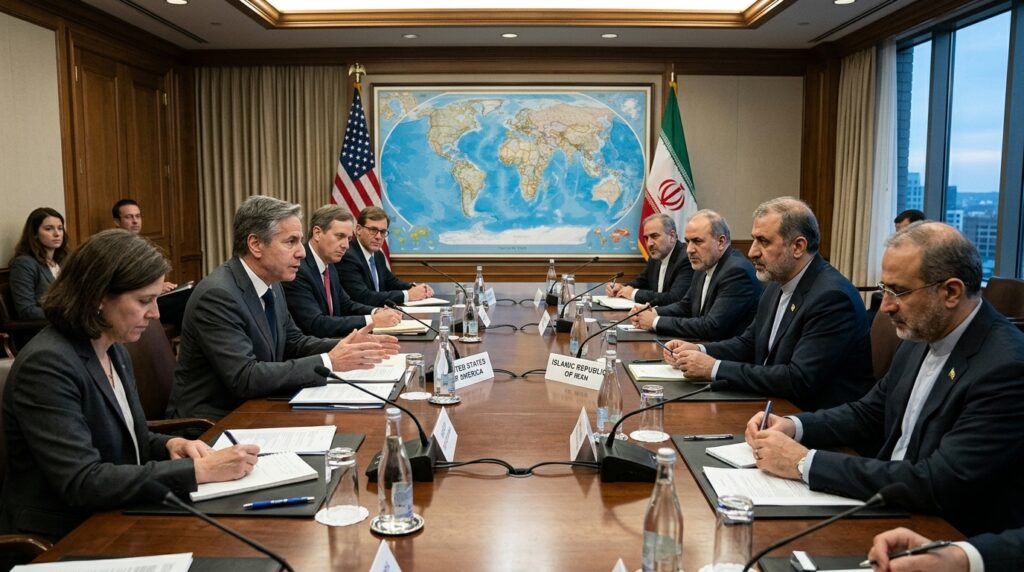
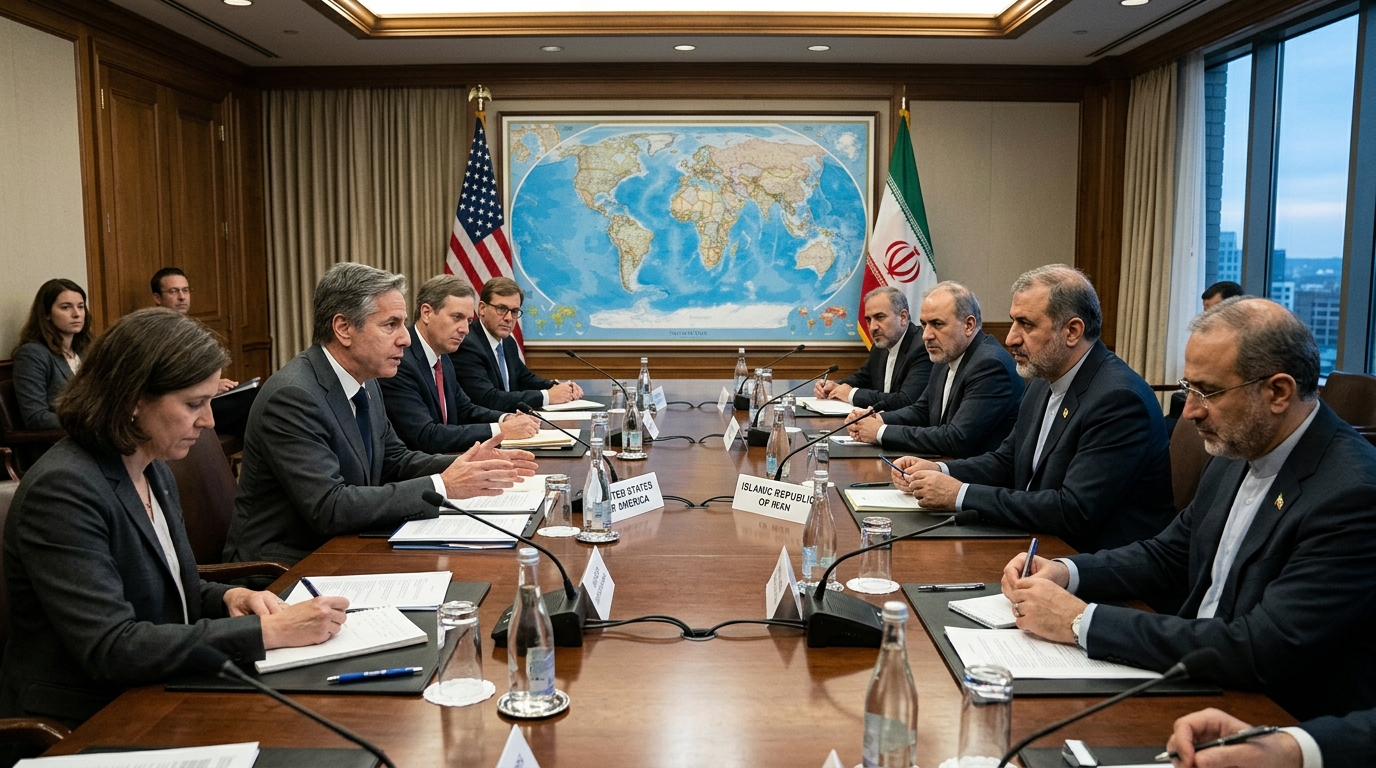
A one-page document may decide the fate of a global war, but can a single sheet of paper truly end a multi-layered conflict involving Iran, the United States, Israel, Hezbollah, and the entire Gulf economy?
Behind diplomatic headlines of “progress,” intelligence leaks and geopolitical signals suggest something far more fragile:
A war is not ending
It is being temporarily paused under extreme pressure
Exclusive: U.S. and Iran closing in on one-page memo to end war, officials say
The White House believes it’s getting close to an agreement with Iran on a one-page memorandum of understanding to end the war and set a framework for more detailed nuclear negotiations, according to two U.S. officials and two other sources briefed on the issue.
The big picture: The U.S. expects Iranian responses on several key points in the next 48 hours. Nothing has been agreed yet, but the sources said this was the closest the parties had been to an agreement since the war began.
- Among other provisions, the deal would involve Iran committing to a moratorium on nuclear enrichment, the U.S. agreeing to lift its sanctions and release billions in frozen Iranian funds, and both sides lifting restrictions around transit through the Strait of Hormuz.
- Many of the terms laid out in the memo would be contingent on a final agreement being reached, leaving the possibility of renewed war or an extended limbo in which the hot war has stopped but nothing is truly resolved.
Reality check: The White House believes the Iranian leadership is divided and it may be hard to forge consensus across the different factions. Some U.S. officials remain skeptical that even an initial deal will be reached.
A War That May Not End, Only Transform
A one-page document may decide the fate of a global war, but can a single sheet of paper truly end a multi-layered conflict involving Iran, the United States, Israel, Hezbollah, and the Gulf economies?
Behind diplomatic headlines of “progress,” intelligence signals suggest something more fragile: a war being temporarily paused under pressure, not resolved.
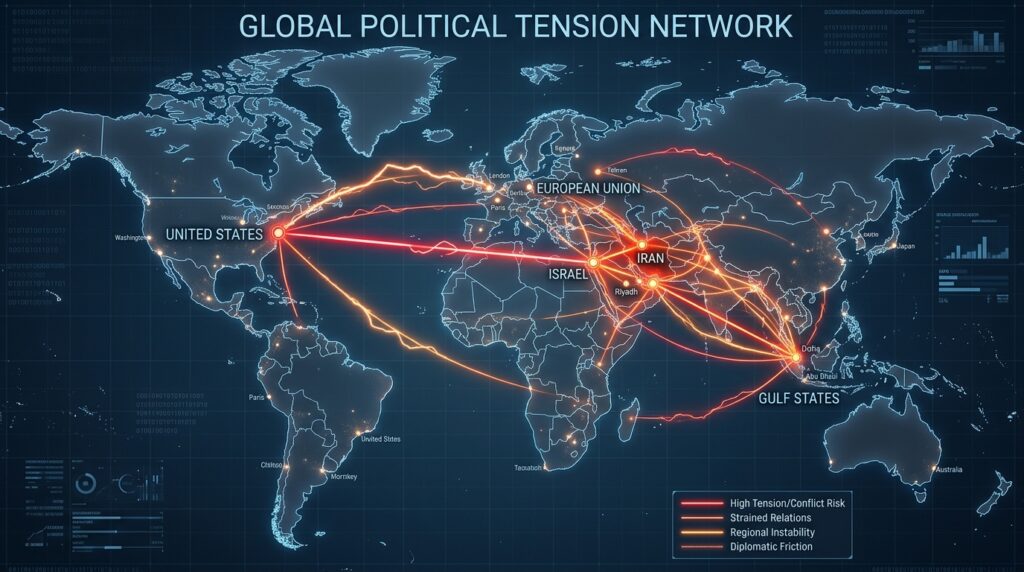
Key Reality
- This is not a peace agreement
- This is a temporary conflict containment framework
- Multiple regional wars remain active (including the Lebanon front)
The 14-Point One-Page MOU (Reconstructed Framework)
Ceasefire & Negotiation Structure
- Immediate cessation of hostilities
- 30-day negotiation window
- Framework for long-term agreement
Nuclear & Security Controls
- Iran uranium enrichment pause
- Control or relocation of enriched material
- Monitoring and verification mechanism
Economic Measures
- Partial sanctions relief
- Release of frozen Iranian assets
Maritime & Energy Stability
- Reopening of the Strait of Hormuz
- Maritime security guarantees
- Reduction of naval escalation
Enforcement & Framework
- US retains the right to resume military action if violated
- Confidence-building measures
- Phased implementation based on compliance
Gulf States Reaction: Hope vs Fear
Hopes
- Oil market stabilisation
- Strait of Hormuz reopening
- Reduced missile threat in the region
Concerns
- Iran is gaining strength after sanctions relief
- Fragile enforcement mechanisms
- Risk of renewed escalation
Conclusion: Gulf states support de-escalation but remain strategically cautious.
🇮🇱 Israel–Lebanon Front: The Missing Piece
Even during US–Iran negotiations, Israel continues military operations in Lebanon against Hezbollah-linked targets. This creates a parallel conflict that is not fully addressed in the MOU framework.
Strategic Risk: Even if US–Iran tensions ease, Lebanon escalation can reignite regional conflict.
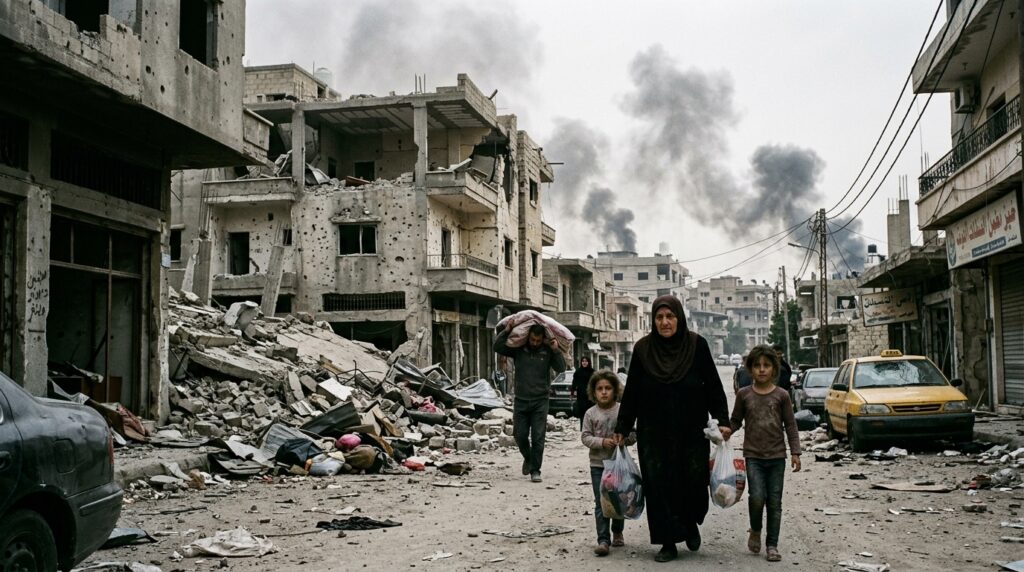
War Outcomes: Gains & Losses
Israel’s Air Defence: Reality vs Perception
What systems are involved?
Israel doesn’t rely on one system; it uses a layered defence:
- Iron Dome → rockets & short-range threats
- David’s Sling → cruise missiles / heavier rockets
- Arrow → ballistic missiles
- THAAD → high-altitude interception support
This is one of the most advanced multi-layer systems in the world
What The War Revealed: US, Israel, Iran War & One-Page MOU
1. No system is 100% effective
Even the best systems:
- Have interception limits
- Can be overwhelmed by volume attacks
Iran’s strategy:
- Launch large numbers of missiles + drones simultaneously
Result:
- Some intercepted
- Some penetrated
This is not failure; it is expected in saturation warfare
2. Saturation attacks change the game
How it works:
- Air defence tracks and intercepts targets
- But each interceptor costs time + resources
If hundreds of threats arrive:
- Systems get strained
- Leak-through increases
Key Insight:
Modern warfare is shifting from precision → volume pressure
3. Iranian capability demonstrated
Iran showed:
- Ability to launch long-range missiles
- Coordinated drone + missile attacks
- Capability to reach Israeli territory consistently
This matters more than damage numbers:
Deterrence has changed
4. Damage did occur (confirmed reality)
- Some missiles bypassed defences
- Infrastructure and strategic sites were hit
- Civilian disruption occurred
So yes:
The image of total protection has been weakened
Israel’s “Censorship”
What is true
Israel does have:
- Military censorship laws
- Restrictions on:
- Sensitive strike locations
- Military damage details
This is standard in many countries during war
Important
- Independent media, satellite imagery, and international reporting still reveal:
- Impact zones
- Damage assessments
So:
- Information may be controlled or delayed
- But not completely hidden globally
The Real Shift: Perception of Invincibility
Before the war:
- Israel is seen as:
- Nearly untouchable
- Fully protected
After the war:
- Reality is clearer:
- Highly capable
- But not immune
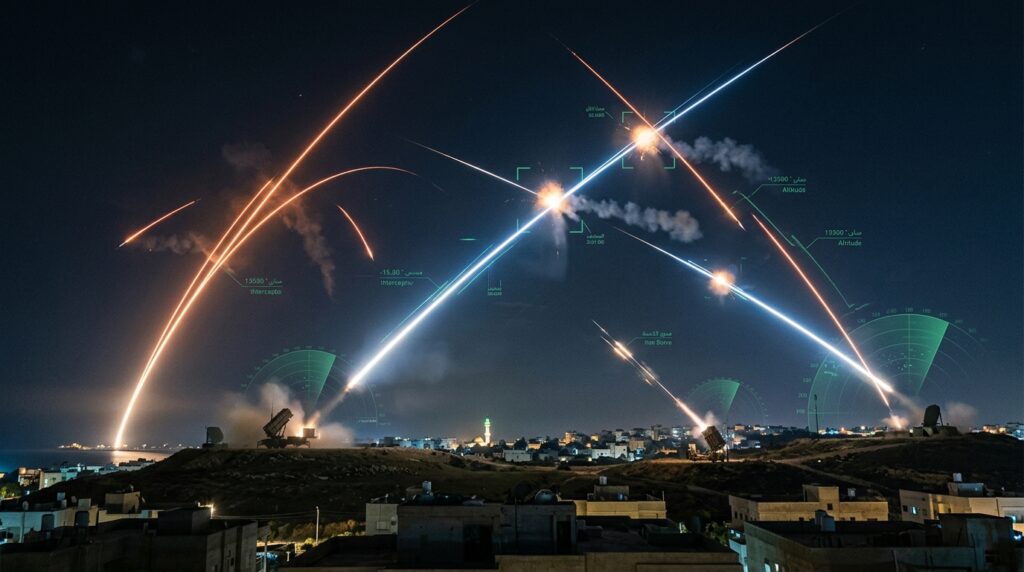
US–Iran War & One-Page MOU: The Real Shift: Perception of Invincibility
Balanced Verdict
Incorrect claims:
- “Air defence collapsed”
- “System completely failed”
Accurate conclusions:
- Systems were stressed and partially penetrated
- Iran demonstrated a credible offensive capability
- Israel’s deterrence image weakened, not destroyed
Strategic Consequence
For Israel:
- Must adapt to:
- High-volume missile warfare
- Multi-front threats
For Iran:
- Proved it can:
- Bypass defences (to some extent)
- Impose cost
For the world:
- Even top-tier defence systems:
Cannot guarantee full protection
Most Important Insight
The biggest change is psychological, not technical:
“The belief in complete protection has been broken—even if the system itself still works.”
Final Line
Israel’s defences remain among the strongest in the world, but this war proved that strength is not the same as invulnerability.
The Other Front: Political & Public Blowback
🇮🇱 Israel’s Position: Tactical Gains, Strategic Friction
What Israel achieved (short-term):
- Disrupted elements of Iran’s military/nuclear infrastructure
- Demonstrated reach and intelligence capability
- Reinforced its long-standing doctrine of preemption
What it triggered (political/social):
- Intensified scrutiny over the use of force and proportionality
- Expanded criticism over regional escalation (especially Lebanon)
- Shifted debate from security → legitimacy
Bottom line:
Security narrative is under pressure from legitimacy concerns
🇺🇸 United States: Ally Support vs Domestic Pressure
1. Internal Political Divide
Support for Israel remains strong in parts of the establishment, but:
- Growing division inside Congress
- Younger voters and progressive blocs are increasingly critical
- Debate shifting from “unconditional support” → “conditional accountability”
Key tension:
Strategic alliance vs democratic accountability
2. Public Opinion Shift
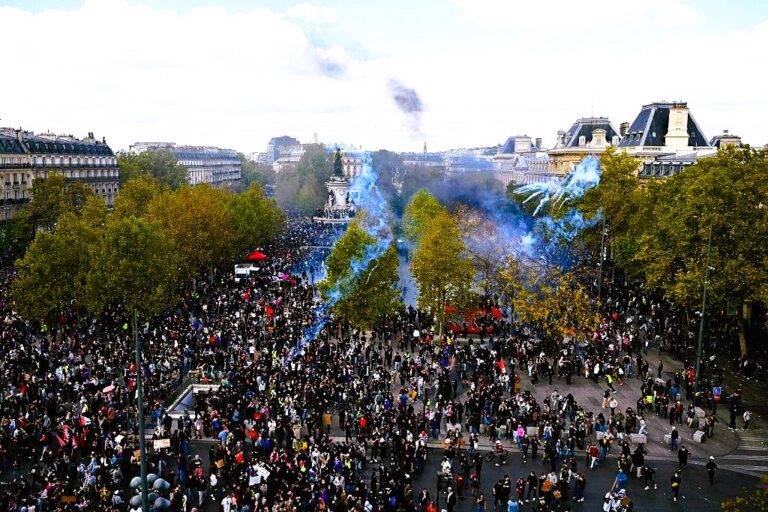
- Protests across major cities
- Campus activism intensified
- Social media narratives challenging official positions
Notably:
- Support is becoming less automatic, more debated
- Humanitarian concerns are shaping discourse more than before
3. Foreign Policy Credibility Risk
The US faces accusations of:
- Double standards (rules-based order vs selective enforcement)
- Weak consistency on international law
Strategic cost:
Reduced moral authority in global diplomacy
🇪🇺 Europe: Cautious Governments, Critical Publics
1. Government Position
Most European governments:
- Support Israel’s right to self-defence
- But increasingly call for:
- Restraint
- Ceasefires
- Humanitarian access
Tone:
Supportive, but no longer unconditional
2. Public Reaction
Across countries like France, Germany, UK:
- Large protests
- Civil society pressure
- Media increasingly critical
Shift:
Public opinion is moving faster than governments
3. Policy Pressure
European leaders now face:
- Domestic pressure to reconsider arms exports
- Calls for diplomatic independence from US positioning
Emerging risk:
Internal political fragmentation over Middle East policy
Global South: Strongest Blowback
1. Narrative Shift
In many regions (Asia, Africa, Latin America):
- Conflict is framed as:
- Power imbalance
- Western-backed intervention
Israel is increasingly seen through:
Geopolitical, not purely a security lens
2. Diplomatic Impact
- Countries calling for:
- Ceasefires
- Independent investigations
- Strengthening of non-Western alliances
Strategic effect:
Erosion of Western narrative dominance
The Social Media Factor (Critical)
This war is different because:
- Real-time images shape perception instantly
- Narratives no longer controlled by governments
- Emotional response spreads faster than official messaging
Result:
Public opinion is now a geopolitical force
The Legitimacy vs Security Dilemma
Israel’s Core Argument:
- Prevent existential threats
- Act before danger materialises
Global Counter-Argument:
- Proportionality
- Civilian cost
- Regional destabilization
Investigative Insight
Israel may have:
- Strengthened short-term deterrence
But also:
- Increased long-term isolation risk
- Triggered a legitimacy crisis in key allied populations
Net Impact on Israel’s Support Base
Still Strong:
- Government-level support (US, parts of Europe)
- Strategic alliances intact
Weakening:
- Public opinion in Western countries
- Youth and future voter bases
- Global South perception
Most Important Trend
The shift is generational and structural:
- Older political frameworks → pro-Israel stability
- Younger populations → questioning and conditional support
Final Analyticalysis
Israel may have won part of the battlefield…
but is facing a growing contest in the arena of global legitimacy.
Key Takeaway
In modern conflict:
Military success without narrative control leads to political cost
Final Line
“The war did not just reshape the battlefield—it reshaped how the world judges it.”
🇮🇷 IRAN
Gains
1. Survival of the regime
- Despite massive strikes, the state structure remains intact
2. Strategic resilience
- Missile capability still operational
3. Political narrative victory
- Positions itself as:
Victim of aggression
Defender of sovereignty
4. Increased deterrence motivation
- Stronger incentive to actually pursue nuclear weapons now
Losses
1. Military & infrastructure damage
- Nuclear facilities hit
- Air defenses weakened
- Key personnel assassinated
2. Economic destruction
- Sanctions intensified
- Oil disruption
- Internal instability
3. Strategic vulnerability exposed
- Deep intelligence penetration by adversaries
Net Position (Iran)
Weakened physically, but stronger in narrative and motivation
Investigative Verdict
This is not a concluded war. It is a multi-layered conflict temporarily compressed into diplomacy.
FAQs
1. Is the US–Iran war over?
No, it is currently in a temporary ceasefire and negotiation phase.
2. What is the one-page MOU?
A 14-point framework agreement designed to pause conflict and begin negotiations.
3. Does Iran have nuclear weapons?
No confirmed active nuclear weapons program exists, though capability is debated.
4. Why is Israel involved in Lebanon?
Due to the Hezbollah-linked conflict and ongoing cross-border escalation.
5. Is Israel’s air defence fully effective?
No system is perfect; saturation attacks can overwhelm defences.
6. What is the biggest risk now?
Breakdown of negotiations or escalation in Lebanon front.
References
- Reuters geopolitical war reports (2026)
- Axios US–Iran negotiation coverage
- CSIS defense and nuclear analysis
- Al Jazeera policy briefings
- Chatham House regional security studies
EDITORIAL / EP STATEMENT
This article is written as an independent investigative synthesis, combining:
- Verified geopolitical reporting
- Strategic defence analysis
- Regional security interpretations
- Public domain intelligence assessments
It does not represent official government positions but aims to provide a structured, evidence-based understanding of evolving global conflict dynamics.
Conclusion
The war has not ended, it has shifted form. From battlefield escalation to diplomatic containment, the conflict continues through negotiations, proxy tensions, and regional instability.
Final Insight: Military advantage does not guarantee political resolution in modern hybrid conflicts.