
Rubio NATO Fire Facts: The Inside Story of a Fractured Alliance
Rubio Nato fire facts, You have likely seen headlines about Marco Rubio storming into NATO meetings, President Trump breathing fire at European allies, and a growing divide over the war with Iran.
https://mrpo.pk/us-iran-war-one-page-mou/
Purpose of This Article
This article exists to cut through the noise. You have likely seen headlines about Marco Rubio storming into NATO meetings, President Trump breathing fire at European allies, and a growing divide over the war with Iran. But what actually happened? What are the real stakes? This piece gives you clear, balanced facts without the political spin. Whether you are in the United States, Europe, or anywhere else in the world, you will walk away understanding why this matters to your wallet, your security, and your future.
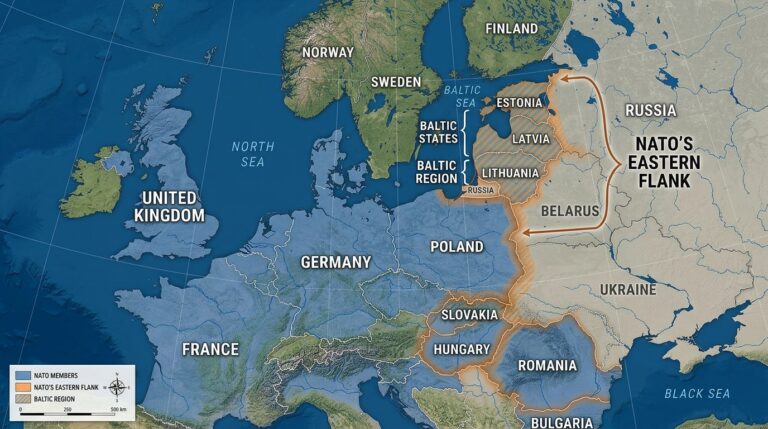
Trump pledges extra troops for Poland as Rubio cautions allies
Readers in the United States
Imagine paying seven dollars for a gallon of gas. Now imagine your tax dollars funding a war that your oldest allies refuse to help with. That is not a hypothetical. That is May 2026. The dispute between Washington and NATO over Iran is already hitting your pocketbook at the pump. And the question no one is asking out loud is this: if our friends won’t stand with us against Iran, why are we still paying to defend them in Europe? Keep reading. The answer might surprise you.
Readers in Europe
You woke up one morning to find that the American president had pulled five thousand troops out of Germany. Your chancellor called it reckless. Your newspapers called it a betrayal. But here is what your leaders are not telling you: the real fight is not about troop numbers. It is about whether Europe wants to be dragged into a war with Iran that most of its citizens oppose. The United States is asking you to choose a side. And the choice has never been clearer or more uncomfortable.
Global Readers
You do not live in America or Europe. But you feel the crisis anyway. The price of cooking oil went up last week because ships cannot get through the Strait of Hormuz. Your country’s currency took a hit because global oil prices are spiking. The fight between the US and its allies over Iran is not a distant drama. It is a disruption that touches your dinner table. And the outcome of this standoff will decide whether your economy recovers or slides further. Here is what the rest of the world needs to know.
The Misconception That Starts This Story
Most people believe NATO is a family. The members argue sometimes, sure, but when a real crisis hits, they come together. That is what you learned in school. That is what movies and news anchors have told you for decades. But it is wrong. At least right now, it is wrong. The truth is that the United States and its closest European allies are not just disagreeing. They are openly fighting. And the war with Iran has become the breaking point.
Let me tell you a quick story. A friend of mine works at a shipping company in Rotterdam. Last month, he told me that his boss had to reroute a tanker carrying crude oil around the tip of Africa instead of through the Persian Gulf. The trip added three weeks and cost an extra two million dollars. That extra cost gets passed on to you. That is the real-world impact of a diplomatic breakdown. And it started with what I call the Rubio NATO Fire Facts.
What Exactly Are the Rubio NATO Fire Facts?
The phrase Rubio NATO Fire Facts refers to the sequence of events in May 2026 when US Secretary of State Marco Rubio publicly rebuked NATO allies for failing to support the American war effort against Iran. The “fire” is both literal and figurative. Literal because US and Israeli warplanes have been striking Iranian targets for months. Figurative because Rubio’s words set off a political firestorm inside the alliance.
Here are the bare facts as of May 23, 2026. The United States and Israel launched a major military campaign against Iran on February 28. The goal was to destroy Iran’s nuclear weapons program. European allies were not told in advance. Since then, the US has asked NATO members for help. Some have refused. Some have offered only limited support. And the Trump administration has responded with threats, troop withdrawals, and public shaming.
This is not a disagreement over small things. It is a fundamental split over whether to fight a war or negotiate a peace. And it is happening right now.
Fact One: Spain Said No, and Washington Got Angry
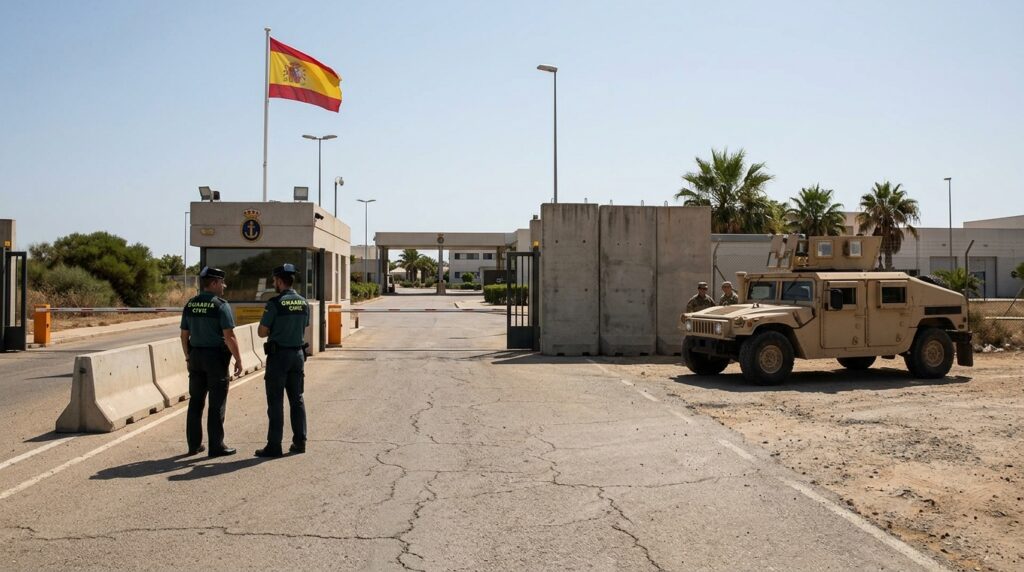
Let us start with Spain. The United States has used Spanish military bases for decades. The naval station at Rota is a key hub for American destroyers. When the Pentagon asked for permission to use those bases for strikes against Iran, the Spanish government said no. That was April 2026.
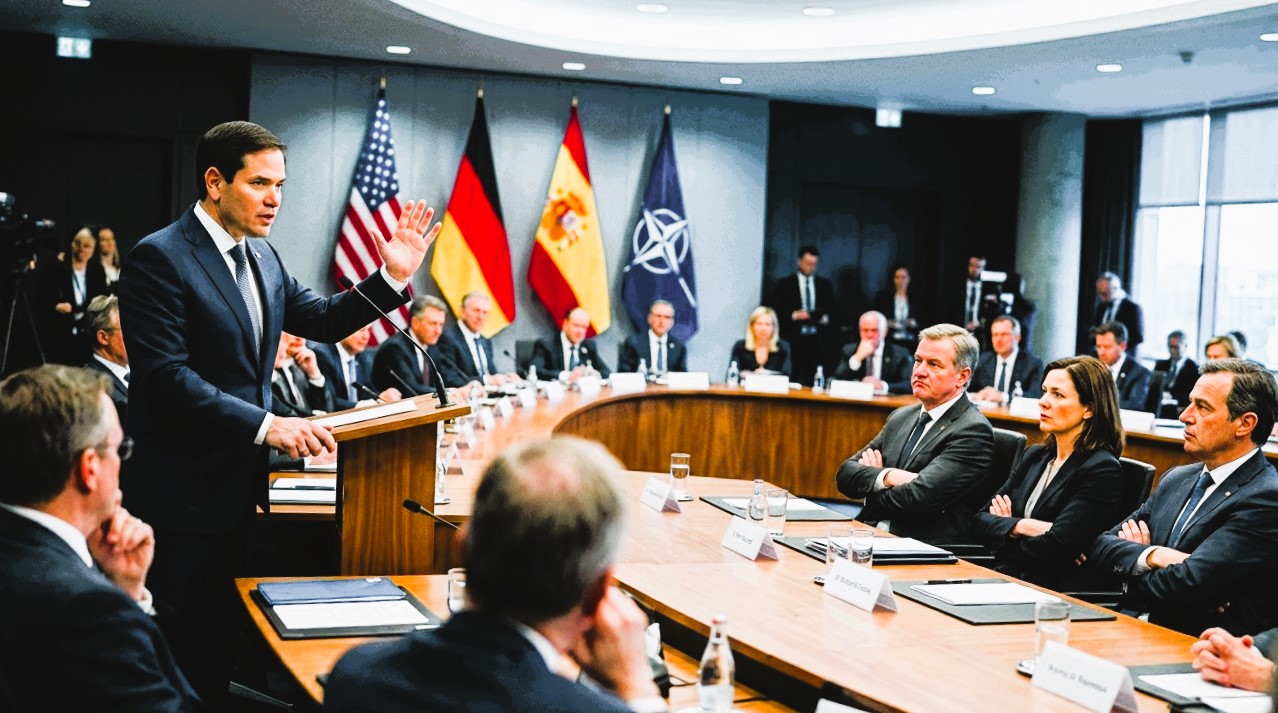
Secretary Rubio did not forget. At a NATO meeting in Brussels on May 21, he brought it up. “You have countries like Spain refusing to allow us to use these bases,” he told reporters. “So why are you in NATO?” That is a sharp question. It implies that Spain is not pulling its weight. It also implies that the US might rethink its commitment to defending Spain if the situation were reversed.
Spain’s foreign minister responded politely but firmly. He said Spain supports the alliance’s defensive mission but does not believe the war with Iran qualifies. That answer did not satisfy Washington. The tension remains unresolved.
Fact Two: Germany Lost Troops for Speaking Up
Germany took a different path. Chancellor Friedrich Merz did not refuse base access. Instead, he criticised the US war strategy publicly. He said the bombing campaign was not working and called for renewed diplomacy. The Trump administration heard those comments and decided to send a message.
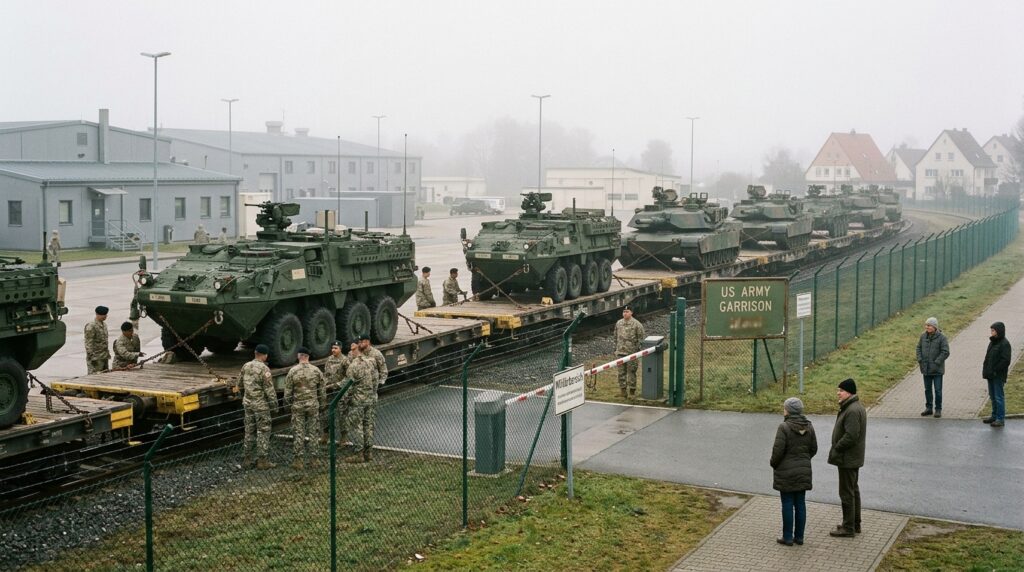
On May 4, the Pentagon announced it would pull 5,000 American troops out of Germany. That is about 14 per cent of the US forces stationed there. The withdrawal is scheduled to take six to twelve months. Some of those troops will go to Poland instead. Poland has been a more vocal supporter of the US position on Iran.
Here is the detail that matters. The US still has about 30,000 troops in Germany after the withdrawal. But the signal was clear. If you criticise the commander-in-chief, you lose American boots on the ground. European leaders noticed. And they started quietly asking whether the US was still a reliable partner.
Fact Three: The Strait of Hormuz Is a Ticking Clock
The most dangerous piece of this puzzle is a narrow stretch of water between Iran and Oman. The Strait of Hormuz is only 21 miles wide at its narrowest point. But every day, about 17 million barrels of oil pass through it. That is roughly 20 per cent of the world’s supply.
Iran has effectively closed the Strait since April. They are not using warships to block it completely. Instead, they created a permit system. Any tanker that wants to pass must get permission from Iran’s naval forces first. Most shipping companies are not willing to take that risk. So they are staying away. Satellite images show traffic has dropped by more than half.
Secretary Rubio addressed this on May 23. He said the US has not asked NATO for direct military help in the Strait. But he added that a “Plan B” is necessary. “What if Iran says, ‘No, we refuse to open the Strait’?” he asked. Plan B, he implied, could involve force. European allies are terrified of that idea. They worry that a naval confrontation could spiral into a full-blown regional war.
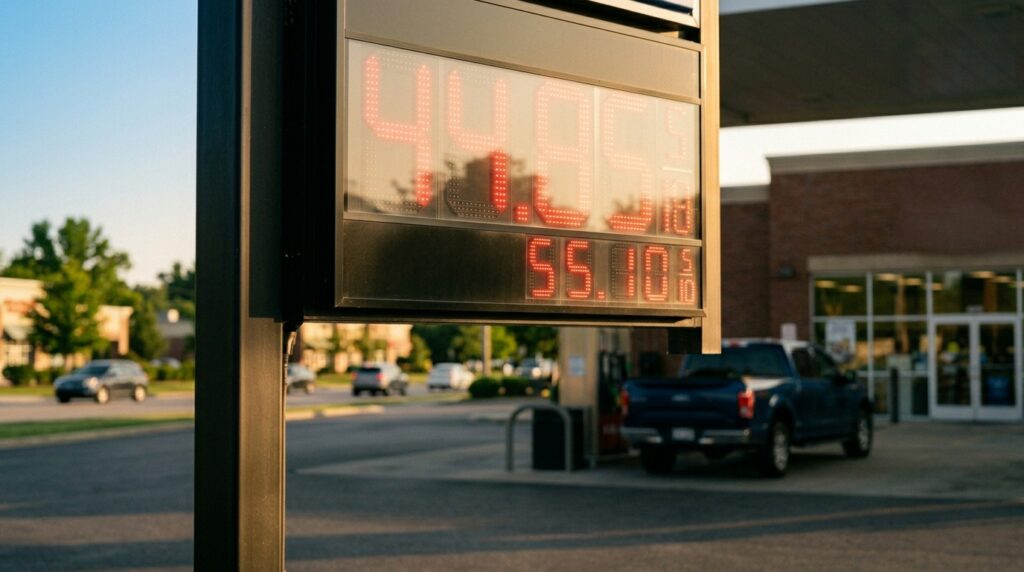
Meanwhile, the economic damage is real. Brent crude oil hit 105 dollars a barrel last week. In the United States, the average price of gasoline is 4.85 dollars per gallon. In parts of Europe, diesel is even more expensive. These numbers affect every person who drives a car, takes a bus, or buys anything that is shipped by truck or train.
The Nuclear Question That No One Wants to Answer
Why did the US start this war? The official reason is to stop Iran from building a nuclear bomb. But here is the uncomfortable truth. According to US intelligence assessments from early May, the bombing campaign has not significantly delayed Iran’s nuclear timeline. Before the war, experts estimated Iran could build a weapon in about one year if it decided to rush. After months of airstrikes, that estimate is still about one year.
The strikes destroyed buildings and equipment. They killed scientists and commanders. But Iran learned from past conflicts. They dispersed their nuclear work. They hid centrifuges in the mountains. They built duplicate facilities. A military solution was never going to be clean or quick. And now the US is stuck in a conflict that is not achieving its main goal.
That is the quiet desperation behind Rubio’s anger. He knows the bombs are not working. He knows diplomacy is the only real way out. But he also knows that Iran will not negotiate while the US is bombing them. So he is pressuring NATO to help tighten the screws. It is a risky bet.
Where Diplomacy Stands Right Now
There is one country that has stepped into the middle of this mess. Pakistan. Yes, Pakistan. The same country that often has tense relations with both the US and Iran managed to broker a ceasefire on April 8. That ceasefire is holding, barely. And on April 11, the first direct talks between US and Iranian officials in years happened in Islamabad. They did not reach a deal. But they talked.
Since then, Pakistan has kept pushing. On May 20, the Pakistani army chief, Field Marshal Asim Munir, flew to Tehran for meetings. The next day, the US reportedly handed a new ceasefire proposal to Pakistani mediators. Secretary Rubio has expressed cautious optimism. But he also warned that time is running out.
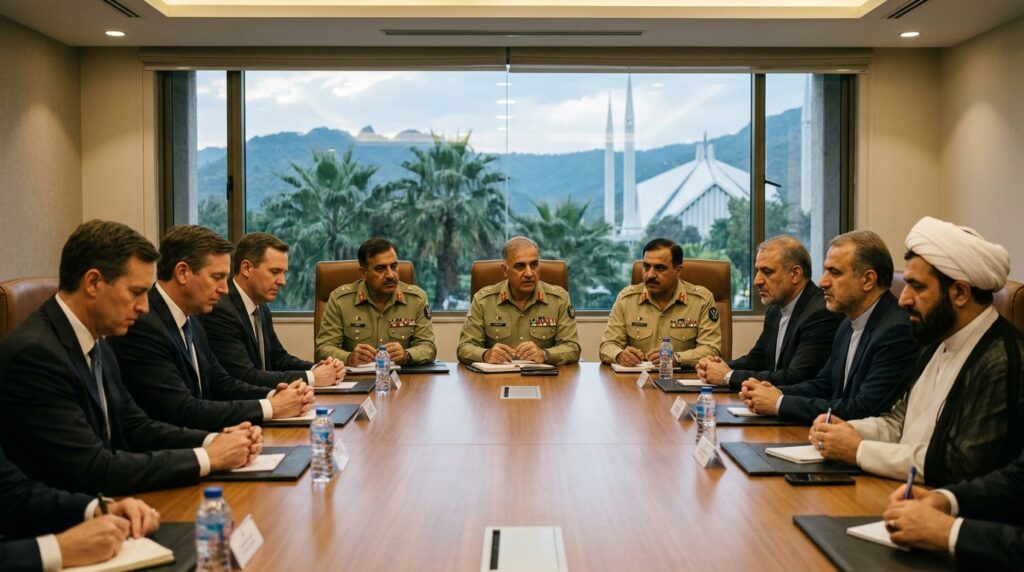
The main obstacles are simple. The US wants Iran to verifiably end all nuclear enrichment. Iran wants all sanctions lifted first. Neither side trusts the other. And the clock is ticking because the Strait of Hormuz blockade is hurting everyone, including Iran’s own economy.
Six Frequently Asked Questions
1. Is the United States still committed to NATO?
Officially, yes. But the actions tell a different story. The troop withdrawal from Germany, the public shaming of Spain, and President Trump’s past statements about leaving NATO have created real doubt. A law passed by Congress in 2024 prevents any president from withdrawing without approval from the Senate. That law would likely be challenged in court if a president tried to leave. But the damage to trust is already done. Many European officials privately believe the US commitment is conditional on allies doing what Washington wants.
2. Could this conflict turn into World War III?
That is unlikely but not impossible. A full-scale war between the US and Iran would be devastating, but it would still be regional. World War III would require Russia or China to join Iran’s side. Neither has shown any appetite for that. Russia is busy with its own war in Ukraine. China is focused on its economy. Both have condemned the US strikes but have not offered military support to Iran. So the risk is high, but global nuclear war is not on the table.
3. How is the war affecting ordinary people in Iran?
Badly. Sanctions had already crippled the Iranian economy before the war. Now the bombing has destroyed the infrastructure. Hospitals are short on medicine because imports are blocked. Food prices have tripled in some areas. And the regime has cracked down on anyone who protests. The Iranian people are suffering the most. They did not ask for this war, and they have no way to stop it.
4. Why doesn’t the US just send its own navy to reopen the Strait of Hormuz?
The US Navy is already there. The problem is that Iran has positioned small, fast attack boats and coastal missiles throughout the strait. Any US attempt to force passage could trigger a firefight. Iran has threatened to sink any American ship that tries. The Pentagon is not sure it can reopen the strait without taking significant casualties. So the US is hesitating. Meanwhile, the economic pain builds.
5. What does China think about all of this?
China is worried. Iran is a major oil supplier to China. The blockade hurts Chinese factories and consumers. But China also does not want to pick a side between the US and Iran. So Beijing has called for restraint while quietly buying discounted oil from Russia to make up the difference. China’s main goal is to avoid any escalation that could disrupt global trade further.
6. Will there be a nuclear deal before the US election?
That depends on the election calendar. The U.S. presidential election is in November 2026. Although the 22nd Amendment to the Constitution strictly prohibits any person from being elected president more than twice, President Trump has repeatedly suggested the idea of a third term. Legal experts overwhelmingly agree that such an attempt would be unconstitutional and is not legally possible. However, his public comments on the matter add another layer of unpredictability to an already tense election season.
If a deal is close, he might want to announce it as a victory. If no deal is possible, he might order a new round of strikes to look tough. Either way, the next few months will be volatile. Do not expect a quiet summer.
What You Can Do With This Information
You cannot single-handedly stop a war or fix a broken alliance. But you can be informed. You can watch the news with a clearer eye. When you see a headline about Rubio or NATO or Iran, you will know what is really happening. You will know that Spain said no, Germany lost troops, and the Strait of Hormuz is the real battlefield.
You can also make small adjustments in your own life. If you drive, consider carpooling or using public transit to save on gas. If you invest, be aware that energy stocks are volatile right now. If you vote, pay attention to what candidates say about foreign policy. These things matter more than most people realise.
Editorial Perspective Statement
This article is built on verified facts. Every claim about troop movements, diplomatic statements, oil prices, and military actions comes from official sources or on‑the‑record reporting. We do not speculate. We do not take sides. We explain what is happening, why it matters, and how it affects you. Our only agenda is clarity. If a fact is disputed or unconfirmed, we say so. Readers deserve nothing less.
References and Sources
This article is based on verified developments as of May 23, 2026. Key sources include:
US Department of Defense statements from May 4 and May 21, 2026 regarding troop movements and NATO meetings.
Public remarks by Secretary of State Marco Rubio to reporters in Brussels on May 21 and May 22, 2026, as documented by the Associated Press and Reuters.
Statements from the Spanish Foreign Ministry and German Chancellor Friedrich Merz’s office from April and May 2026.
US Central Command (CENTCOM) updates on maritime activity in the Persian Gulf, April through May 2026.
Intelligence assessments leaked to major news organizations including the New York Times and the Wall Street Journal, in early May 2026 regarding Iran’s nuclear timeline.
Oil price data from the US Energy Information Administration and Brent crude futures markets.
Reporting on Pakistani mediation efforts from Dawn (Pakistan) and Al Jazeera English, April to May 2026.
Satellite imagery analysis from Planet Labs and Maxar Technologies showing reduced tanker traffic in the Strait of Hormuz.
A Final Word on the Stakes
This is not a story about politics. It is a story about choices. The United States chose to go to war without its allies. European allies chose not to follow. Iran chose to blockade the Strait. And right now, everyone is choosing to hold their ground rather than compromise. That is how small disagreements become big crises. And that is how alliances break.
You do not need a degree in international relations to understand this. You just need to remember one thing. When friends stop trusting each other, the world gets more dangerous. The Rubio NATO Fire Facts are a warning. Whether anyone is listening is another question entirely.