
US-Iran Peace Deal 2026: What the New Agreement Really Means for the Middle East
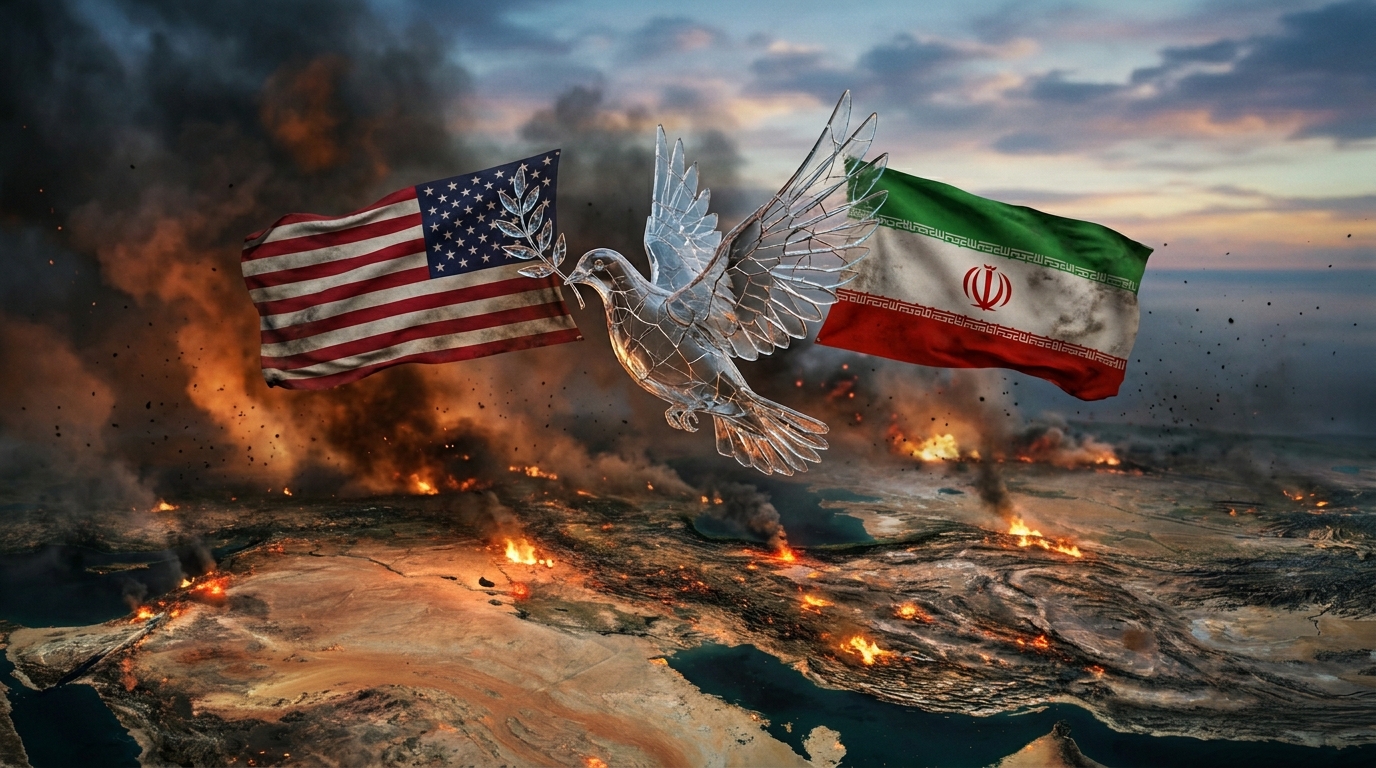
US-Iran Peace Deal, After months of war fears, oil shocks, missile attacks, and rising tensions in the Middle East, the United States and Iran now appear close to a major peace agreement. Reports from Reuters, The Guardian, Axios, and other international media suggest that both sides have prepared a draft framework that may reduce military tensions and reopen the Strait of Hormuz.
June 15, 2026, Trump and Vance virtually sign the US-Iran agreement
https://mrpo.pk/i-am-the-boss/

US considers $300bn fund for Iran if peace deal is upheld – report
The Trump administration is prepared to allow the establishment of a $300bn investment fund for Iran if it agrees to a final settlement to end the war that includes a nuclear deal, according to the Financial Times.
The report cites a US official as saying Washington had discussed the possibility of sanctions relief and “a big $300bn fund to rebuild their country”. The incentives would be connected to Iran’s “performance” in adhering to the memorandum of understanding that is to be formally signed in Geneva on Friday.
The establishment of the fund would be contingent on a final settlement that is part of the MoU and would follow a 60-day extension of the ceasefire, the reopening of the strait of Hormuz and further negotiations on a nuclear deal, the report quotes a person briefed on the talks as saying.
The reported deal could affect global oil prices, Israel’s security strategy, Gulf economies, and the future of Iran’s nuclear program. But an important question still remains: Is this a real peace breakthrough, or only a temporary pause before another crisis?
This article explains everything currently known about the developing U.S.-Iran deal in simple language.
What do we know about the US-Iran peace deal – and what questions remain?
Donald Trump and officials in Tehran have hailed an immediate end to the war on Iran, with the US president claiming that “oil will flow on both ends again for the region, and the world”.
However, in the hours that followed the announcements, exactly what had been agreed remained unclear, with the final text of their memorandum of understanding unpublished and details scant about key issues, including access to the Strait of Hormuz, Iran’s nuclear program and Lebanon.
Trump later told the New York Times that he would restart military attacks if Tehran failed to reach a nuclear agreement with the US during broader negotiations set to begin on Friday.
How the U.S.-Iran Crisis Reached This Point
The Nuclear Dispute Returned Again
The conflict between the United States and Iran became more dangerous after the collapse of the earlier Iran nuclear agreement known as the JCPOA. The U.S. later imposed heavy sanctions on Iran. In response, Iran increased uranium enrichment and expanded parts of its nuclear program.
Israel repeatedly warned that Iran was moving too close to nuclear weapon capability. At the same time, Iran accused the United States and Israel of trying to weaken and isolate the country politically and economically. The
Strait of Hormuz Became the Main Flashpoint
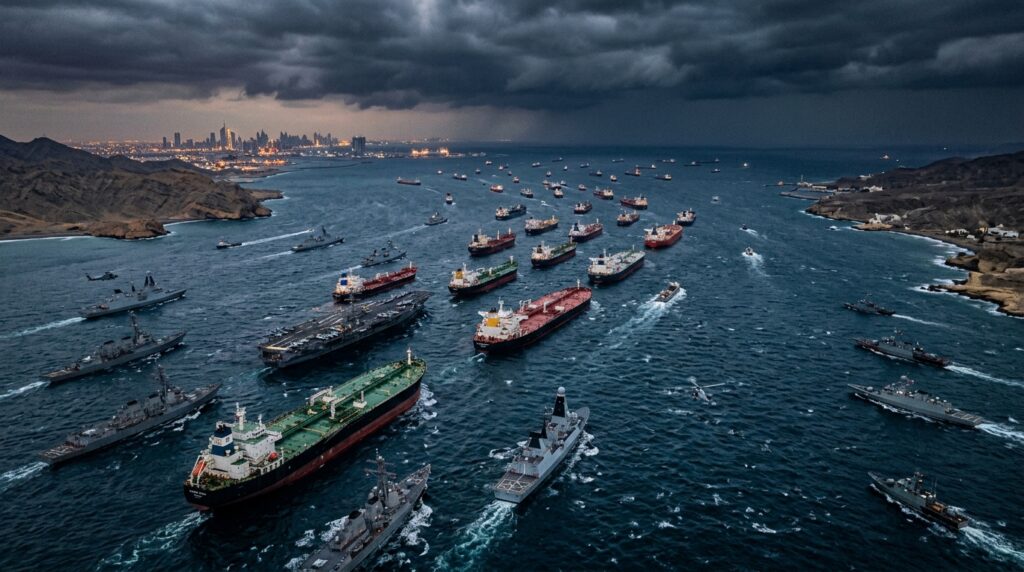
The Strait of Hormuz is one of the world’s most important oil shipping routes. Nearly 20% of global oil passes through this narrow waterway.
When fighting intensified in 2026:
- Shipping traffic slowed
- Oil prices increased
- Insurance costs surged
- Global markets became nervous
Reports said the conflict pushed the world dangerously close to an energy crisis.
What Is Reportedly Inside the New U.S.-Iran Deal?
Reopening the Strait of Hormuz
One of the most important parts of the reported agreement is the reopening of the Strait of Hormuz.
According to reports:
- Iran would reopen the waterway for commercial shipping
- The United States would ease naval restrictions around Iranian ports
This is important because the global economy depends heavily on oil and gas supplies moving through the Gulf region.
Sanctions Relief for Iran
The draft agreement reportedly includes:
- Temporary oil sanctions waivers
- Release of frozen Iranian assets
- Limited economic relief
Some reports claim Iran could regain access to nearly $25 billion in frozen funds. However, many details remain unconfirmed publicly.
Nuclear Restrictions
According to leaked draft details:
- Iran would agree not to build nuclear weapons
- Stop expanding uranium enrichment
- Maintain the current level of its nuclear program while broader talks continue
However, the full nuclear issue does not appear fully resolved yet.
Many technical questions still remain, including:
- Uranium stockpiles
- Inspection rules
- Missile development
- Long-term enforcement mechanisms
60-Day Negotiation Window
Reports suggest the current agreement may only be a framework or temporary memorandum.
A 60-day negotiation period is reportedly planned to finalise:
- Nuclear terms
- Sanctions details
- Regional security arrangements
- Implementation guarantees
This means the current agreement may not yet be a complete final peace treaty.
Is the Final Deal Officially Signed Yet? US-Iran Peace Deal
The Short Answer: No
At the time of writing:
- No fully verified final agreement has been publicly released
- No jointly signed official text has been published by both governments
However, multiple reports say:
- The draft framework is largely complete
- Mediators are actively involved
- A formal signing ceremony may happen soon in Switzerland
Iranian officials have also stated that some political and technical issues are still under review.
The Role of Gulf Countries
Why Gulf States Want Stability
Countries like Saudi Arabia, Qatar, and the United Arab Emirates appear increasingly interested in reducing tensions with Iran.
The main reason is economic survival.
The conflict damaged:
- Shipping confidence
- Energy markets
- Tourism
- Regional investment stability
Because of this, Gulf countries reportedly supported mediation efforts behind the scenes.
Why Gulf States Want Stability
Reports About Gulf Money Going to Iran
Several reports claimed Gulf states may help unlock frozen Iranian assets or support future reconstruction plans.
Some reports suggested:
- The UAE may help release Iranian-linked funds
- Broader reconstruction discussions are being explored
However, some Gulf governments officially denied parts of these reports.
At this stage, many financial details remain unclear or unofficial.
Israel’s Concerns About the Deal
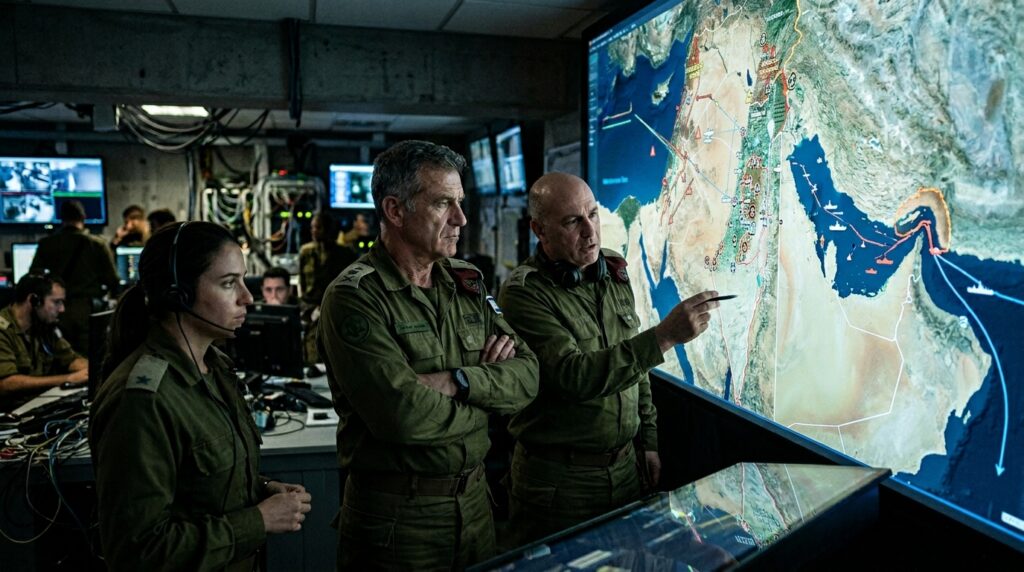
Why Israel Is Worried
Israel fears the agreement may:
- Allow Iran to keep nuclear capabilities
- Reduce pressure on Tehran
- Strengthen Iran-backed regional groups
Israeli officials reportedly remain deeply sceptical about whether Iran will fully follow the agreement.
Lebanon and Gaza Remain Major Problems
Even while diplomacy continues:
- Israeli operations in Lebanon and Gaza have not fully stopped
- Hezbollah activity continues
- Humanitarian conditions remain difficult
Recent Israeli strikes in Beirut reportedly delayed parts of the negotiations.
This shows how fragile the peace process still is.
Why Oil Markets Reacted So Strongly
Oil Prices Fell After Deal Reports
When reports of the agreement appeared:
- Global oil prices dropped sharply
- European markets rose
- Investors became more hopeful about energy stability
This happened because traders believe reopening the Strait of Hormuz could restore global oil supplies.

Major Questions Still Unanswered
Can Both Sides Trust Each Other?
The biggest problem is trust.
The United States and Iran have decades of hostility, sanctions, military conflict, and failed negotiations behind them.
Many experts fear:
- The ceasefire could collapse
- Regional proxy groups may restart attacks
- Political hardliners could sabotage the agreement
What About Israel and Hezbollah?
Another major question is whether:
- Israel
- Hezbollah
- Hamas
- Other armed groups
Will actually follow wider regional de-escalation efforts.
A single major attack could quickly damage the entire process.
Will Iran’s Nuclear Program Really Stop?
This remains one of the biggest unresolved issues.
While Iran reportedly agreed not to pursue nuclear weapons, long-term inspection systems and verification procedures still need detailed negotiations.
That process may take months or even years.
What Could Happen Next?
Scenario 1: A Successful Long-Term Agreement
If negotiations succeed:
- Sanctions may gradually ease
- Oil exports may increase
- Gulf tensions may decrease
- Regional trade could improve
Scenario 2: A Temporary Pause Only
Another possibility is that both sides simply want time to recover economically and militarily.
In this case:
- Tensions may calm temporarily
- Deeper conflicts may remain unresolved
Scenario 3: The Deal Collapses
The peace effort could still fail if:
- Regional attacks continue
- Political opposition grows
- Disagreements over nuclear issues become too serious
Many analysts believe this remains a real risk.
Final Analysis
The emerging U.S.-Iran agreement may become one of the most important geopolitical developments of 2026.
The reported framework includes:
- Reopening the Strait of Hormuz
- Partial sanctions relief
- Nuclear limitations
- Future negotiations toward a broader peace
However, many parts of the agreement remain unofficial, disputed, or incomplete.
Right now, the deal appears less like a final peace treaty and more like a fragile diplomatic opening created by war fatigue, economic pressure, and fear of a larger regional conflict.
The true test will come after the signing headlines disappear.
The real question is whether the Middle East can remain stable when the next crisis begins.
Frequently Asked Questions
Has the U.S.-Iran deal been officially signed?
No. Reports suggest a draft framework exists, but the full verified agreement has not been officially published.
What is the Strait of Hormuz?
It is a narrow waterway in the Gulf region through which nearly 20% of the world’s oil supply passes.
Why are oil prices reacting to the deal?
Markets believe reopening the Strait of Hormuz could improve global oil supplies and reduce energy fears.
What does Iran gain from the agreement?
Iran may receive sanctions relief, access to frozen funds, and economic recovery opportunities.
Why is Israel concerned?
Israel fears Iran could still preserve long-term nuclear capabilities and regional influence.
Could the peace deal fail?
Yes. The situation remains highly fragile, and unresolved regional conflicts could still damage negotiations.
References
- Reuters
- The Guardian
- Axios
- Associated Press
- International Energy Market Reports