
UAE Blocking US-Iran Ceasefire? 2026 Simple Breakdown
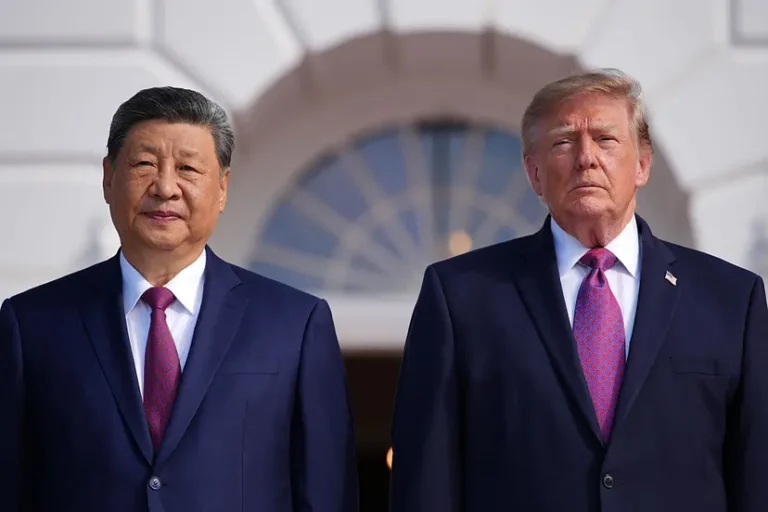
UAE Blocking US-Iran Ceasefire? The United States and Iran agreed to a two-week ceasefire in April 2026 with help from Pakistan. On April 17, President Trump said the US is “close” to a long-term deal that would ensure Iran has “no nuclear weapons.” He suggested talks could happen this weekend, and the ceasefire might be extended.
https://mrpo.pk/pakistan-in-the-global-spotlight/
But not everyone is fully on board yet. The United Arab Emirates (UAE) is closely watching and wants clearer guarantees before peace talks move forward. At the same time, Israel supported the pause with Iran but kept limits on its operations in Lebanon until a separate 10-day truce started on April 17.
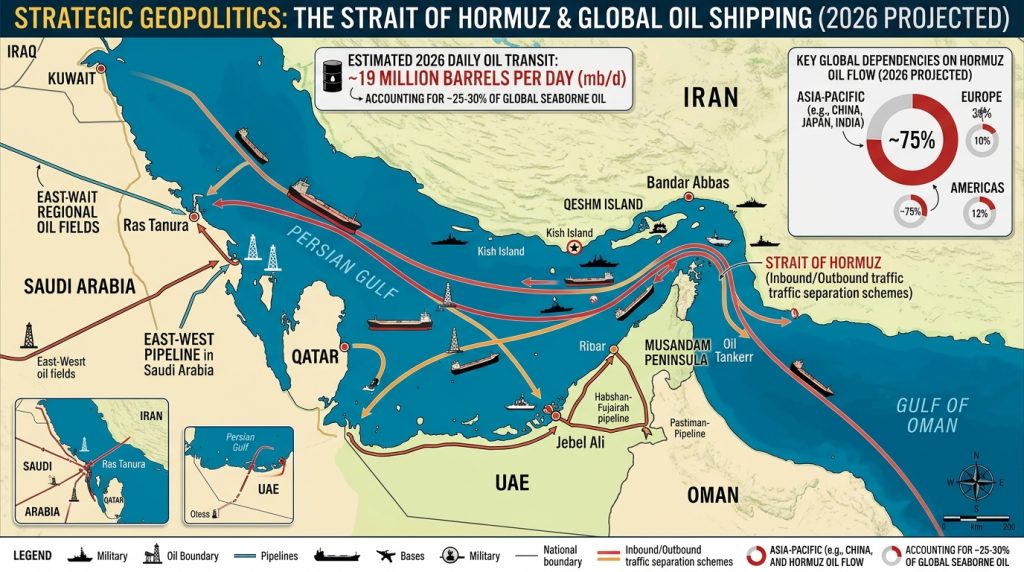
Why does this matter to you? The Strait of Hormuz is a narrow sea passage that carries about one-fifth of the world’s oil. Any trouble there can quickly raise gas prices for families everywhere. In this simple breakdown, we explain the latest updates, the UAE’s calls for stronger guarantees, Israel’s position, Pakistan’s role in mediation, and what might happen next. No opinions, just clear facts from recent news reports.
Three Scenarios for the Gulf States After the Iran War
One is hopeful. One is realistic. One is cautionary.
Amid a tenuous U.S.-Iran ceasefire, Arab Gulf monarchies are aiming to project strength. “We prevailed through an epic national defense . . . in the face of treacherous aggression,” Emirati diplomatic adviser Anwar Gargash wrote on X. Saudi-owned newspaper Asharq Al-Awsat emphasized the kingdom’s “intensive political consultations” with regional countries as leading to the present calm.
Yet member states of the Gulf Cooperation Council (GCC) still face immense challenges in shoring up their security. A substantial U.S. and Israeli air campaign was unable to eliminate Iran’s will or capability to exert power in the Gulf, with Iran turning historically secure neighbor states into war zones overnight. Neither the United States nor any other actor put forward a decisive solution for the de facto Iranian closure of the Strait of Hormuz, while the Islamic Republic retains its highly enriched uranium and its nuclear program. And the GCC has no seat at the table, despite its entreaties, for negotiations that will shape the bloc’s economic and security environment for years to come.
Where do the Gulf states go from here? We offer three scenarios—a hopeful one, a realistic one, and a cautionary one—that illustrate both potential areas of cooperation and the risks of greater fragmentation.
What Happened So Far in the 2026 Iran War
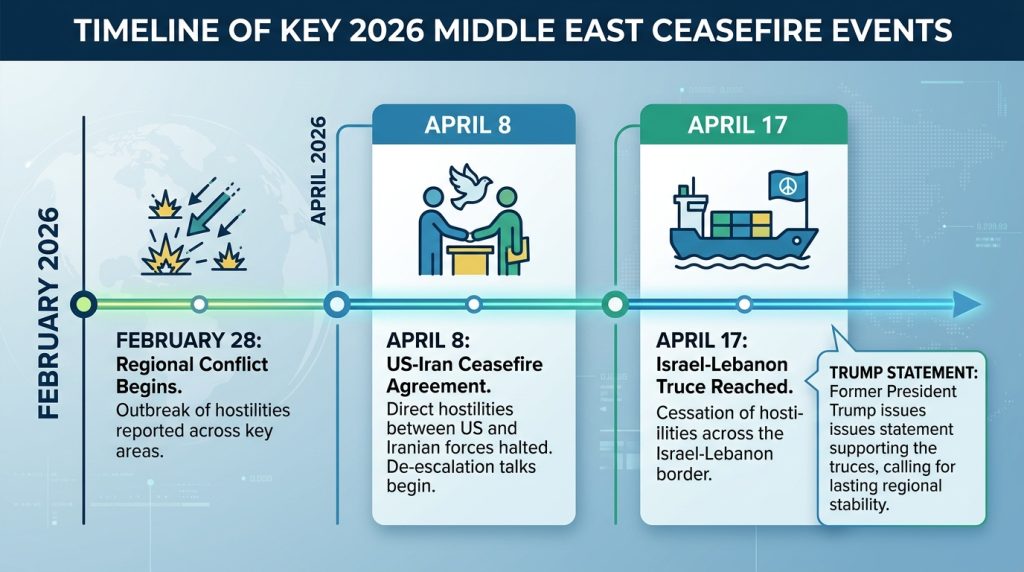
The conflict began on February 28, 2026, with US and Israeli strikes on Iranian targets. Iran responded with missiles and drones across the region.
On April 8, the US and Iran agreed to a two-week ceasefire, brokered by Pakistan. It included safe passage through the Strait of Hormuz. Iran declared the strait “completely open” for commercial ships, and Trump confirmed it was “ready for full passage.” However, Trump also said the US naval blockade on Iranian ships and ports would “remain in full force” until a final deal is reached.
A separate 10-day ceasefire between Israel and Lebanon took effect at midnight on April 17. This pause aims to create space for direct talks between Israeli and Lebanese leaders, possibly the first in decades. Nearly 2,200 people died in Lebanon from earlier fighting.
Latest Developments: Trump Says Deal Is Close
On April 17, President Trump stated that the US is “close” to a good deal with Iran and that most points have already been negotiated. He hinted that the current two-week ceasefire could be extended and that another round of talks might take place this weekend, possibly involving Pakistan.
Experts note that big gaps still remain, especially on Iran’s nuclear program, control over the Strait of Hormuz, and Iran’s regional alliances (including missiles and proxies). Iran feels it fought the US to a standstill and may prefer to stretch out talks rather than make quick, big concessions. Some analysts say Iran wants respect for its uranium enrichment rights, release of frozen assets, and possibly fees or “security services” for certain ships passing through the strait.
These fresh updates show the situation is moving quickly, but a final agreement is not yet certain.
UAE Blocking US-Iran Ceasefire?: Why the UAE Wants Stronger Guarantees
The UAE is seeking further clarification on the ceasefire. UAE officials, including diplomatic adviser Anwar Gargash, say a simple pause is not enough. They want:
- Immediate end to all Iranian attacks and hostilities in the region
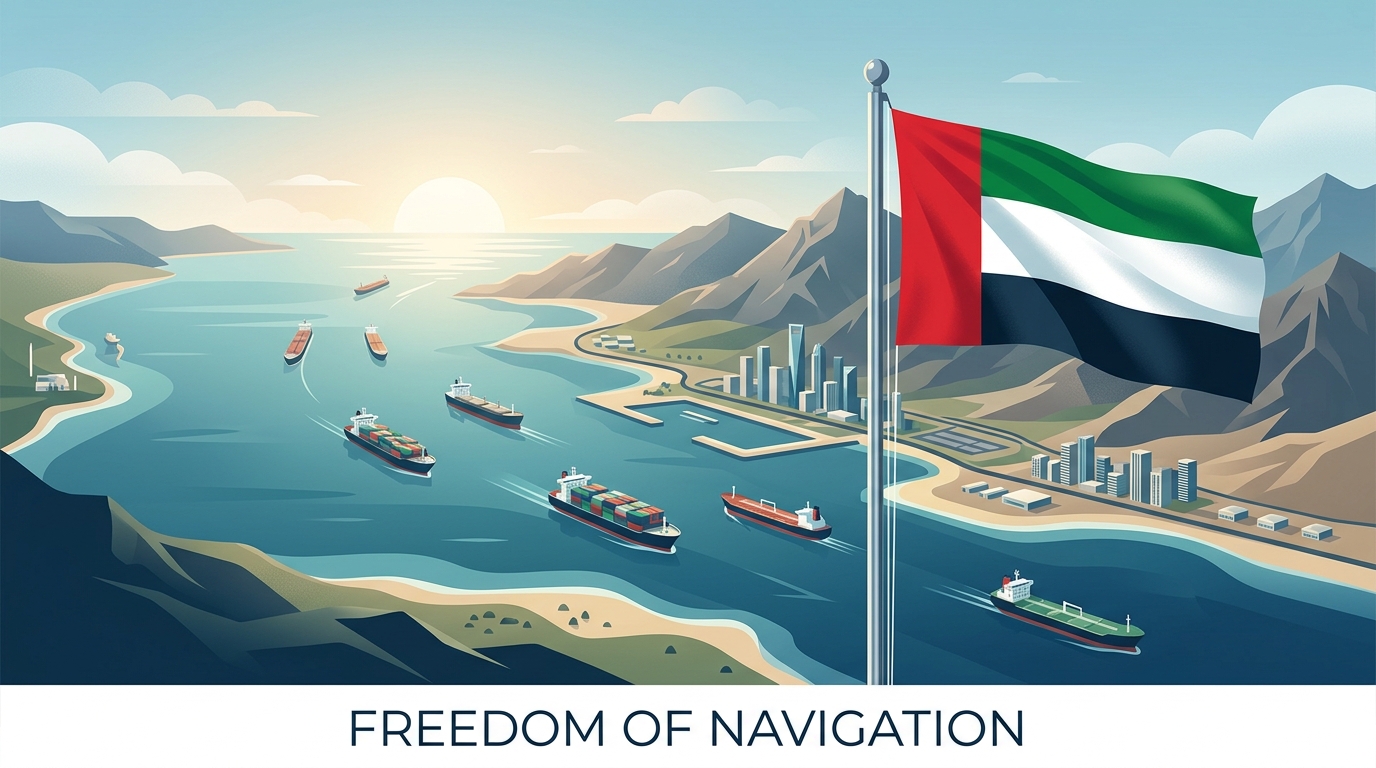
- Complete and unconditional reopening of the Strait of Hormuz for safe navigation, without any country holding it “hostage”
- Iran is being held accountable for damages from missile and drone strikes on Gulf infrastructure and energy facilities
- Clear limits on Iran’s nuclear capabilities, ballistic missiles, drones, and support for proxy groups
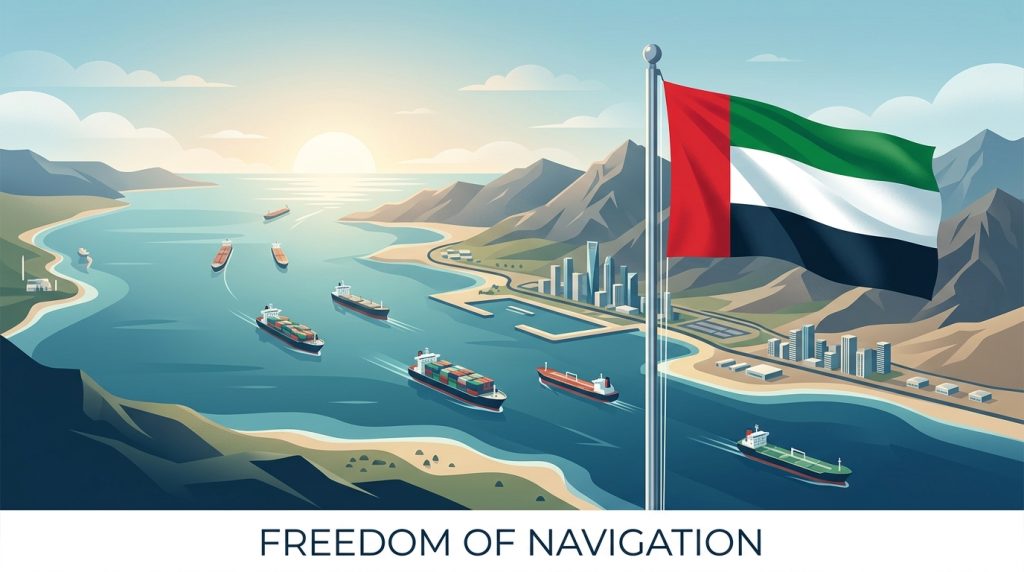
The UAE has stated it is not a party to the war but insists any lasting peace must address these root causes to prevent a more dangerous region. Officials emphasise freedom of navigation as a top priority and have called for a comprehensive approach beyond a temporary truce.
Gulf Countries Are Not All Thinking the Same
Gulf countries condemned the attacks, but they have different views on the next steps. The UAE, Saudi Arabia, and Bahrain want strong security promises first. Oman and Qatar prefer quicker dialogue. These differences show that while the Gulf shares concerns about safety and shipping, finding full agreement takes careful talks and time.
Israel’s Role: Support with Limits
Israel welcomed the pause in US strikes on Iran. Prime Minister Benjamin Netanyahu said it helps reduce threats from Iran. However, Israel made clear that the US-Iran ceasefire does not cover its operations in Lebanon. Israeli forces are staying in a security zone in southern Lebanon during the new 10-day truce. Netanyahu called the Lebanon ceasefire an opportunity for a bigger agreement but said key goals like limiting Hezbollah capabilities remain important.
The US helped bring about the Lebanon truce, which could support wider peace efforts by addressing one part of Iran’s network of allies.
Pakistan’s Surprising Role as Mediator
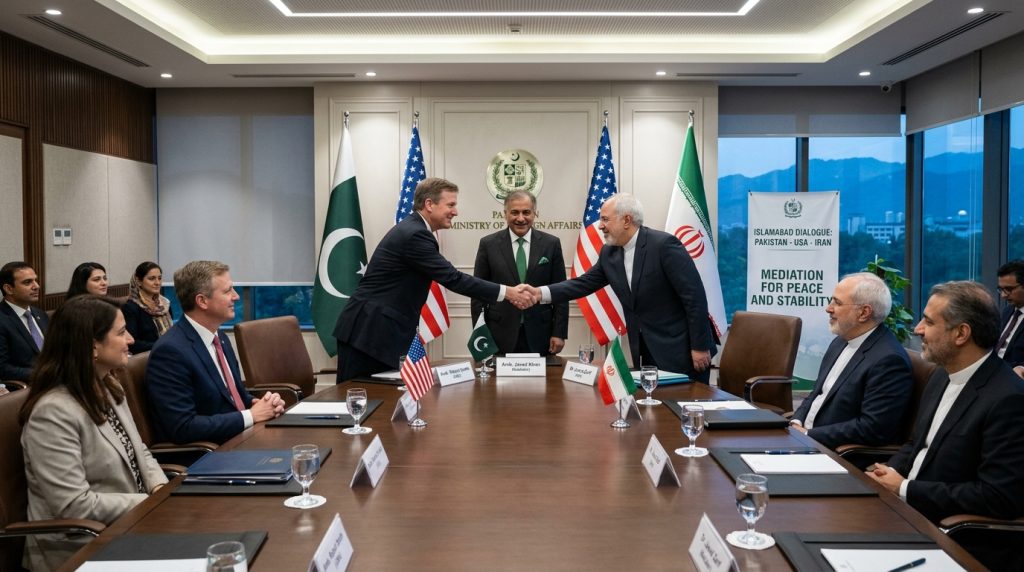
Pakistan has played a central part by hosting talks in Islamabad and helping narrow differences between the US and Iran. President Trump has praised Pakistan’s leaders and army chief and said he might visit if a major deal is signed there.
No new date is set yet, but Pakistan continues pushing to keep diplomacy alive and possibly extend the ceasefire.
Are Private Interests Influencing the Talks?
Some reports note that Jared Kushner, involved in earlier Middle East diplomacy, has business ties in the region. The UAE’s public demands focus on safe shipping, stopping attacks, and long-term security. No official documents show the UAE using these connections to seek extra advantages in the current ceasefire. Diplomats often balance security needs with economic partnerships, but the UAE’s statements emphasise protecting its territory and economy after recent strikes.
Did the UAE Consider Removing US Bases After Iranian Attacks?
During the conflict, Iran targeted areas near US military bases in the UAE, such as Al Dhafra Air Base, causing some damage. The UAE intercepted most attacks and condemned the strikes. However, the UAE has not publicly discussed abandoning or closing these bases. Instead, officials have reinforced the importance of the US security partnership while pushing for guarantees on safety and the Strait of Hormuz.
Bigger Questions for Lasting Peace
Many challenges remain:
- Will all sides make the compromises needed for a longer truce?
- Can differences between Gulf countries be bridged?
- How will Iran’s nuclear and missile issues be handled?
- Could a collective Gulf security plan help build trust in the future?
The situation affects oil prices, shipping, and stability far beyond the Middle East.
What Comes Next?
The current ceasefires are fragile. Diplomats are working on possible extensions and new talks this weekend. Success depends on clear commitments from everyone involved. The story is changing quickly, so check reliable news sources for the latest updates.
6 FAQs
1. Is the UAE really blocking the US-Iran ceasefire?
Not exactly. The UAE wants clearer guarantees that Iran will stop attacks, fully open the Strait of Hormuz without threats, and address damages and root causes for real long-term safety.
2. Why does the Strait of Hormuz matter so much?
This narrow waterway carries a huge amount of the world’s oil. Threats or problems there can raise gas prices for people in many countries.
3. What is Israel’s stance on the US-Iran ceasefire?
Israel supported the pause on Iran but said it does not cover Lebanon. A separate 10-day Israel-Lebanon ceasefire started on April 17 to allow talks, though Israel keeps some forces in the south for security.
4. How is Pakistan helping with peace talks?
Pakistan hosted talks in Islamabad, helped narrow gaps, and continues pushing for more discussions. Trump has praised their efforts and may visit if a deal advances.
5. What did Trump say today about the Iran deal?
Trump said the US is close to a good deal with “no nuclear weapons” for Iran and that talks could happen this weekend. Experts say big differences remain on the Strait of Hormuz and other issues.
6. Could there be a bigger peace plan for the Gulf?
Yes. Ideas include Gulf countries working together on shipping safety and security with clear commitments from all sides.
Purpose of the Article
This article explains the current US-Iran ceasefire situation in April 2026 in plain and easy language. You will learn the main concerns of the UAE and other Gulf countries, how Israel is approaching the truce, Pakistan’s helpful role in talks, the latest updates from President Trump, and the bigger questions that could shape the future of the Middle East. Our goal is to give you trustworthy facts so you can follow the news smarter and talk about it confidently with others.
References
This article is based on reports from AP News, Reuters, Al Jazeera, The National (UAE), UAE Ministry of Foreign Affairs statements, BBC, and UN updates (as of April 17, 2026). The situation is developing fast.
This piece draws from multiple trusted news sources and official statements to present balanced facts without favouring any side. Our goal is to help readers understand the story clearly and honestly.