
Pakistan in the Global Spotlight: From Crisis State to Diplomatic Power Broker?
Pakistan in the global spotlight
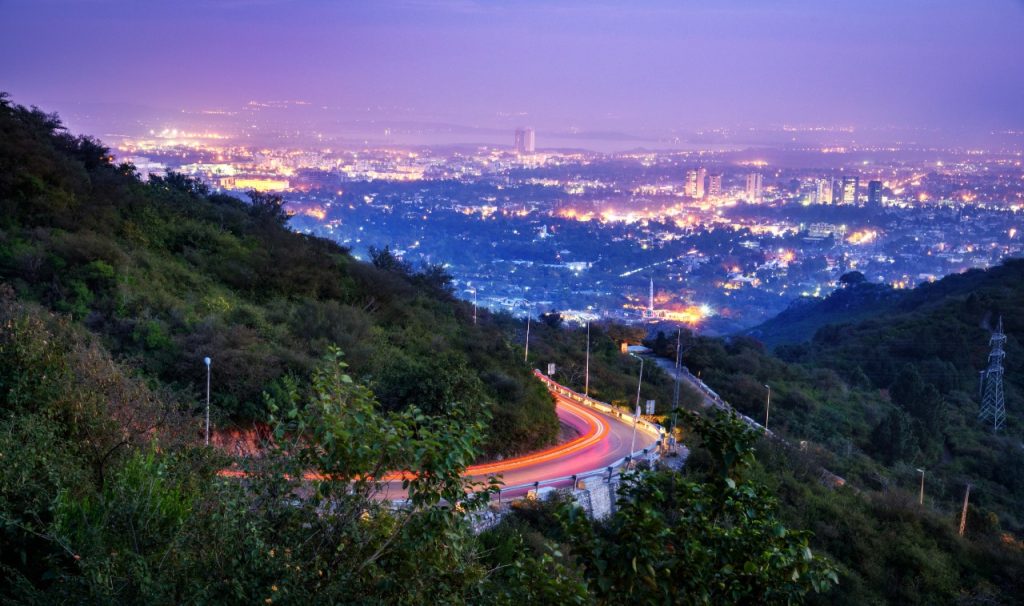
PAKISTAN has earned widespread international appreciation for first facilitating a ceasefire between the United States and Iran and now for hosting critical negotiations in the federal capital aimed at turning that temporary pause into a permanent arrangement.
At a time when tensions between the two sides had escalated to levels that sent shockwaves across the globe, Islamabad’s timely and constructive intervention helped create space for diplomacy over confrontation.
This marks a rare and significant moment in Pakistan’s diplomatic history. While the country has played important roles in regional and international affairs in the past, there is little comparison with the present effort in terms of scale, visibility and global consequence. The stakes are extraordinarily high: the conflict has already impacted international economic stability, rattled energy markets and heightened uncertainty across multiple regions. By stepping forward as a facilitator and host, Pakistan has positioned itself at the centre of a process that could reshape the trajectory of peace and stability far beyond its immediate neighbourhood.
Equally noteworthy is the broad-based recognition of Pakistan’s role. From Gulf nations to Western capitals, there is growing acknowledgement of Islamabad’s constructive engagement. Even voices within India have begun to recognise the importance of this diplomatic initiative. Such a convergence of international opinion underscores the credibility Pakistan has managed to build through this effort.
https://pakobserver.net/pakistan-in-global-spotlight/
Why Islamabad, Why Now?
Amid rising tensions between the United States and Iran, Islamabad has emerged as a potential venue for dialogue. This is not accidental. Pakistan holds a unique position, maintaining working relationships with Washington, Tehran, Beijing, and Gulf capitals.
This rare diplomatic balance allows Pakistan to act as a bridge in a fragmented geopolitical environment.
From Frontline State to Diplomatic Facilitator
Pakistan’s geopolitical identity has evolved significantly from a Cold War ally to a frontline state in the War on Terror. Today, it is attempting to reposition itself as a neutral mediator.
This transformation reflects a broader strategic shift:
- From dependency to relevance
- From reaction to proactive diplomacy
- From isolation to multi-vector engagement
Mediation as Strategic Survival
Pakistan’s mediation efforts are not purely altruistic. They are deeply rooted in economic and strategic necessity.
Economic Pressures
Facing inflation, debt, and fiscal constraints, Pakistan is leveraging geopolitics to regain global relevance and attract economic opportunities.
Energy Security
Pakistan depends heavily on imported energy passing through volatile regions. A U.S.–Iran conflict directly threatens fuel supply, electricity generation, and industrial stability.
De-escalation could reduce oil prices and open pathways for regional energy cooperation with Iran.
Strategic Stability
Sharing a border with Iran, Pakistan cannot afford regional spillover—whether in the form of refugees, sectarian tensions, or security risks.
Pakistan in the Global Spotlight: Why Pakistan?
- Geography: A bridge between South Asia, Central Asia, and the Middle East
- Balanced Relations: Ties with competing global powers
- Security Capability: Ability to host high-stakes talks
- Nuclear Understanding: Experience with deterrence dynamics
Pakistan: Beyond Headlines, A Journey Through Culture, Resilience, and Untapped Soft Power
Introduction: A Country Rediscovered
At a time when global attention is once again turning toward Pakistan, driven by high-stakes diplomacy and shifting geopolitical currents, another story quietly emerges beneath the surface. It is a story not of conflict, but of culture; not of crisis, but of resilience; not of perception, but of reality.
For travellers, researchers, and observers alike, Pakistan offers something increasingly rare in today’s world: authenticity without filters. From ancient civilisations to vibrant youth culture, from spiritual traditions to breathtaking landscapes, the country holds a vast reservoir of untapped soft power, waiting to be explored, understood, and experienced.
This is not just a destination.
It is a narrative unfolding.
Landscapes That Redefine Beauty
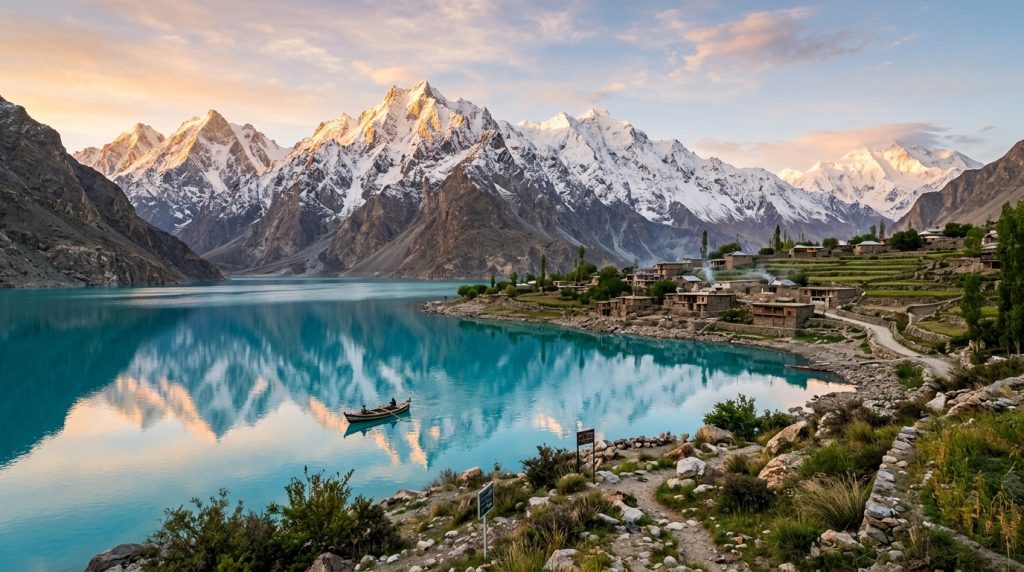
Pakistan’s geography is nothing short of extraordinary. Towering above it all is K2, a peak that symbolises both challenge and awe. Yet the true beauty of Pakistan lies not only in its heights but in its diversity.
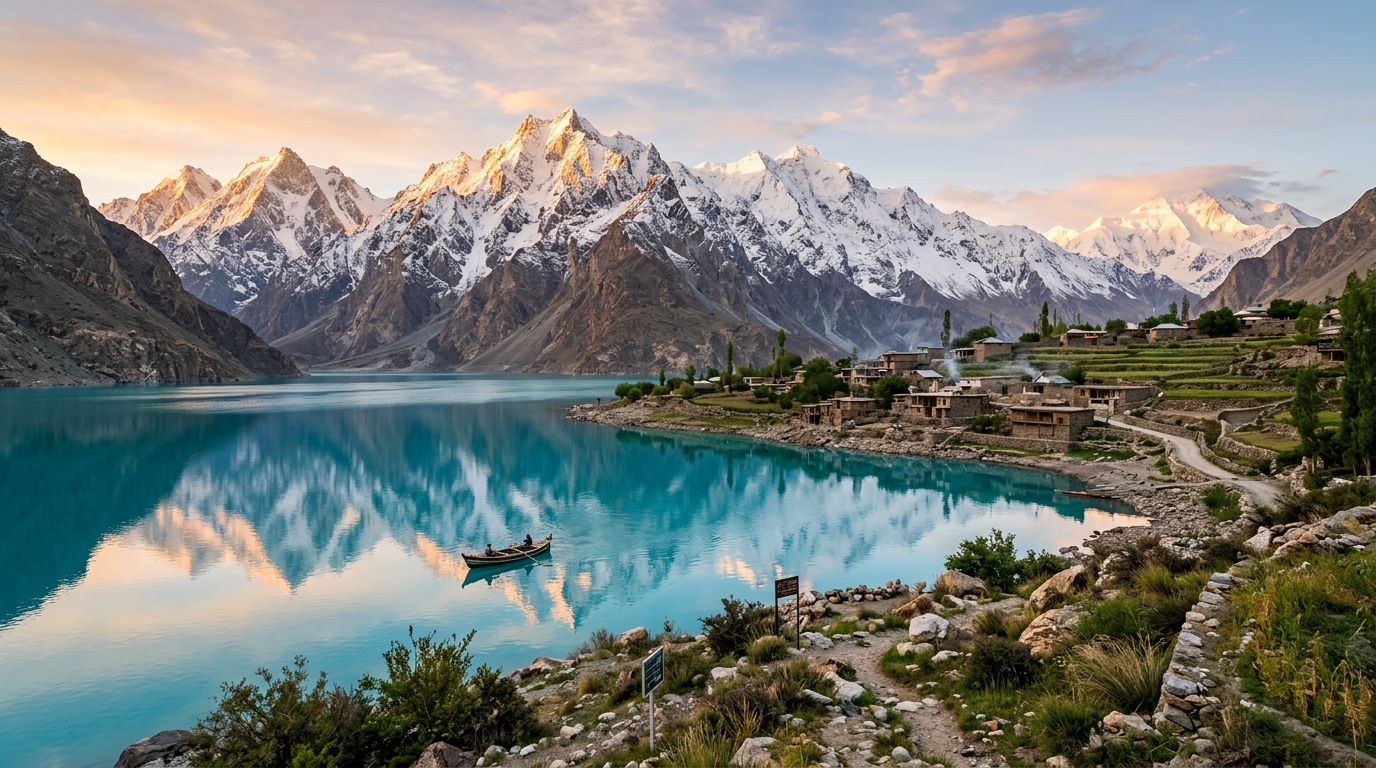
In Gilgit-Baltistan, nature exists in its purest form. Valleys like Hunza Valley offer a rare harmony between humans and the environment, where ancient traditions coexist with stunning natural beauty. The turquoise waters of Attabad Lake, formed through adversity, stand as a reminder of nature’s power and resilience.
Further south, the Swat Valley and the Neelum Valley present lush green landscapes, flowing rivers, and a sense of calm that feels almost therapeutic.
These are not just places to visit.
They are places that transform perspective.
A Living Museum of Civilisations
Few countries can claim a history as layered as Pakistan’s.
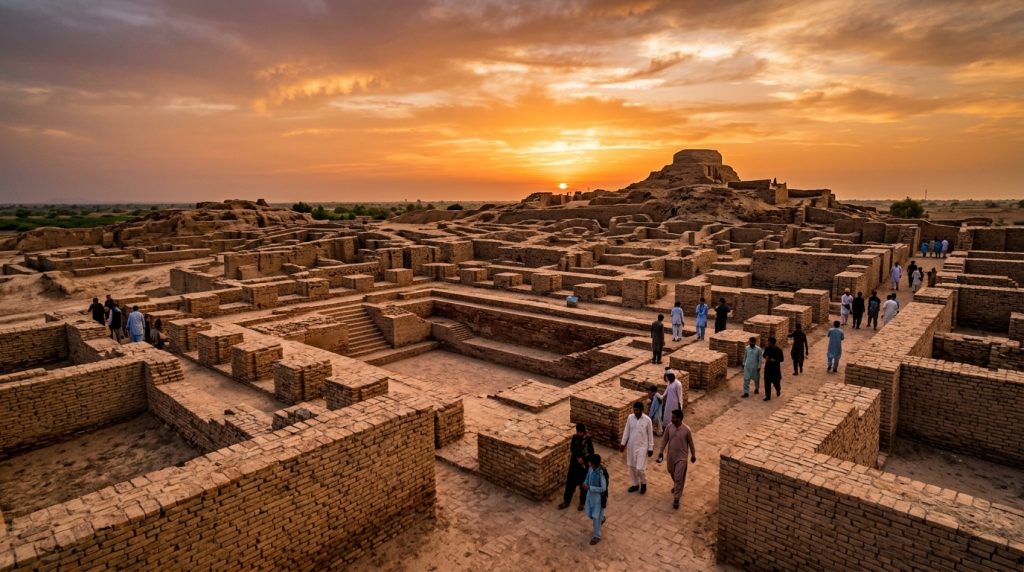
At Mohenjo-daro, the ruins of a 4,500-year-old city reveal a civilisation far ahead of its time, complete with urban planning and drainage systems that still inspire modern engineers.
Nearby, Taxila reflects a different era, where Buddhist, Greek, and Persian influences merged to create a vibrant centre of learning and culture.
In Lahore, history takes on a grander form. The majestic Lahore Fort and the iconic Badshahi Mosque stand as enduring symbols of Mughal artistry.
Together, these sites tell a story of continuity, of civilisations rising, evolving, and leaving their mark.
Spiritual Depth: The Soul of Sufism
Pakistan’s cultural identity is deeply intertwined with Sufism, a tradition rooted in love, tolerance, and spiritual connection.
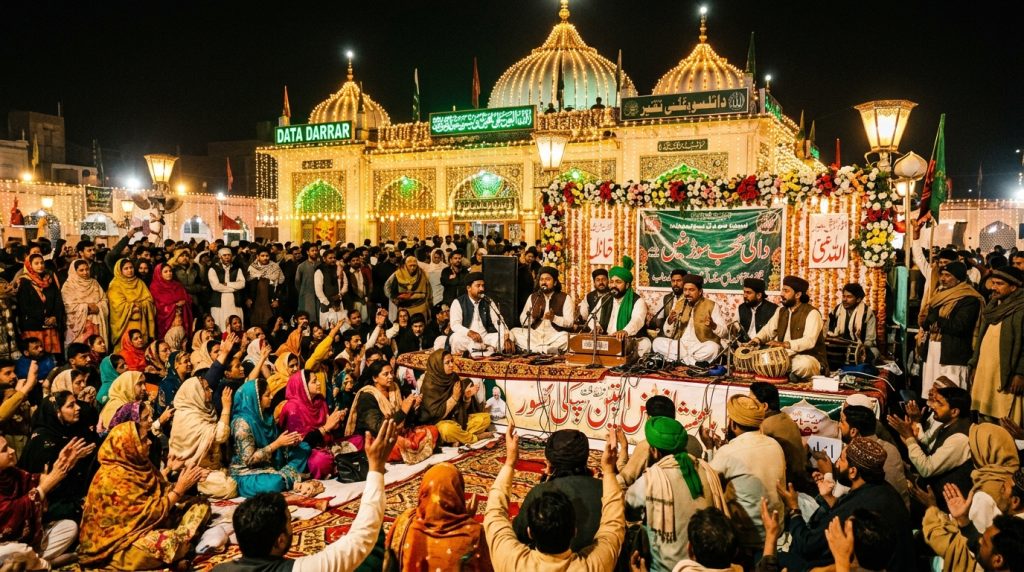
Shrines such as Data Darbar and Sehwan Sharif are not merely religious spaces; they are cultural hubs where music, poetry, and devotion converge.
The legacy of Nusrat Fateh Ali Khan continues to resonate globally, introducing audiences to the powerful, transcendent art of qawwali.
For visitors, these experiences offer something rare: a connection that transcends language, belief, and background.
Cricket: A Nation United
In Pakistan, cricket is more than a sport; it is a shared emotion.
From international stadiums to narrow street corners, the game is played with unmatched passion. When Babar Azam steps onto the field, millions unite in anticipation.
For tourists, engaging with this cricket culture, whether by attending a match or simply watching a neighbourhood game, offers a window into the country’s collective spirit.
Culinary Diplomacy: A Taste of Identity
Food in Pakistan is not just sustenance; it is storytelling.
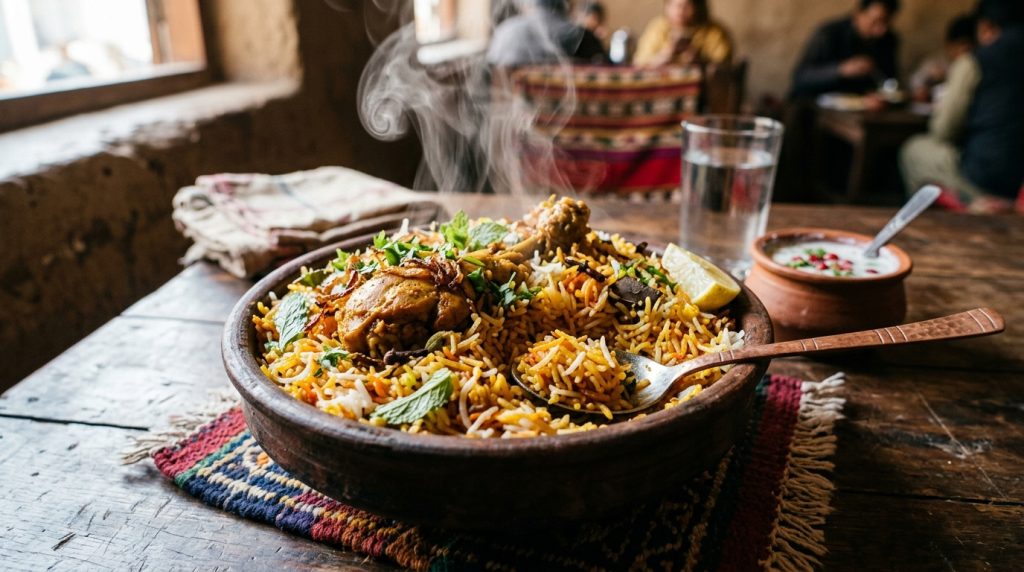
At the heart of this culinary tradition lies biryani, a dish as diverse as the country itself. Each region adds its own flavour, creating variations that reflect local identity and history.
Beyond biryani, dishes like nihari, karahi, and chapli kebab showcase a cuisine that is bold, rich, and deeply satisfying. Cities such as Karachi and Lahore serve as culinary capitals, where street food culture thrives alongside fine dining.
For many visitors, food becomes their first, and most lasting, connection to Pakistan.
A New Cultural Wave: Youth, Music, and Innovation
Pakistan’s soft power is increasingly being driven by its youth.
Platforms like TikTok and YouTube have enabled a new generation to share their stories, humour, and perspectives with the world.
Meanwhile, Coke Studio has revolutionised the music scene, blending traditional sounds with modern influences to create globally recognised hits.
In urban centres, particularly Karachi and Lahore, a growing startup ecosystem reflects ambition and creativity. Young entrepreneurs are not just participating in the global economy—they are shaping it.
Bazaars and Craft Traditions
Pakistan’s markets are alive with colour, energy, and craftsmanship.
In places like Anarkali Bazaar, visitors encounter a sensory experience, vibrant fabrics, intricate designs, and the rhythm of everyday commerce.
Traditional crafts such as handwoven carpets, embroidered textiles, and the iconic truck art continue to thrive, preserving cultural heritage while adapting to modern tastes.
Hospitality: The Defining Experience
Perhaps Pakistan’s greatest strength lies in its people.
Hospitality here is not transactional; it is deeply personal. Visitors are often welcomed with a warmth that feels genuine and unforced. Invitations to share a meal or a cup of tea are common, turning strangers into friends.
This culture of generosity leaves a lasting impression, often becoming the highlight of any journey.
Diaspora and Global Influence
Beyond its borders, Pakistan’s soft power extends through its diaspora, millions strong and spread across continents.
These communities act as cultural ambassadors, sharing Pakistani traditions, cuisine, and values with the world. They also contribute economically, sending remittances and investing in local development.
More importantly, they bridge narratives, challenge stereotypes, and present a more nuanced image of Pakistan globally.
Human Stories: Bringing Pakistan to Life
To truly capture Pakistan’s essence, one must look beyond landmarks and statistics.
Imagine a young diplomat’s family in Islamabad during high-level international talks, children navigating daily life amid heightened security, parents balancing duty with hope, evenings filled with quiet conversations about peace and possibility.
Or a local vlogger in Swat documenting the return of tourism, showing how communities rebuild, adapt, and thrive.
These stories, intimate and human, reveal the true face of Pakistan.
Conclusion: A Country of Untapped Potential
Pakistan is a land of contrasts, ancient yet modern, complex yet welcoming, challenged yet resilient.
For too long, it has been defined by narratives that only tell part of the story. But as global attention shifts and curiosity grows, a fuller picture begins to emerge.
It is a country rich in culture, abundant in natural beauty, and alive with potential.
Pakistan is not just a place to visit.
It is a place to understand.
And once understood, it is never forgotten.
Global Perception Shift
Pakistan is gradually being viewed not just as a security concern, but as part of the solution. However, scepticism remains regarding its neutrality and long-term capacity.
Opportunities vs Risks
Opportunities
- Diplomatic prestige
- Economic investment
- Strategic leverage
Risks
- Security threats
- Diplomatic backlash
- Domestic instability
- Failure of talks
Myth vs Reality
| Claim | Reality |
|---|---|
| Breakthrough guaranteed | Major disagreements persist |
| Pakistan controls outcomes | It facilitates, not dictates |
| Trump’s visit confirmed | Still speculative |
Is Pakistan Becoming a Middle Power?
Pakistan shows signs of evolving into a middle power, leveraging diplomacy, geography, and strategic positioning. However, sustainability depends on internal stability and economic reform.
Future Scenarios
- Success: Pakistan becomes a global diplomatic hub
- Partial: Gains symbolic recognition
- Failure: Returns to geopolitical margins
FAQs
Why is Pakistan mediating U.S.–Iran tensions?
To protect its economy, energy security, and regional stability.
Is Trump visiting Pakistan?
No official confirmation yet.
What benefits does Pakistan gain?
Economic relief, global relevance, and diplomatic leverage.
What risks are involved?
Security threats and diplomatic imbalance.
Is Pakistan neutral?
It attempts balanced diplomacy but faces challenges.
Can Pakistan sustain this role?
Only with economic and political stability.
Conclusion
Pakistan’s emergence as a diplomatic actor is not accidental—it is a calculated response to internal and external pressures.
Peace, in this context, is not just diplomacy. It is a survival strategy.
As the world watches Islamabad, one thing becomes clear: Pakistan is no longer just part of the story; it is helping shape it.