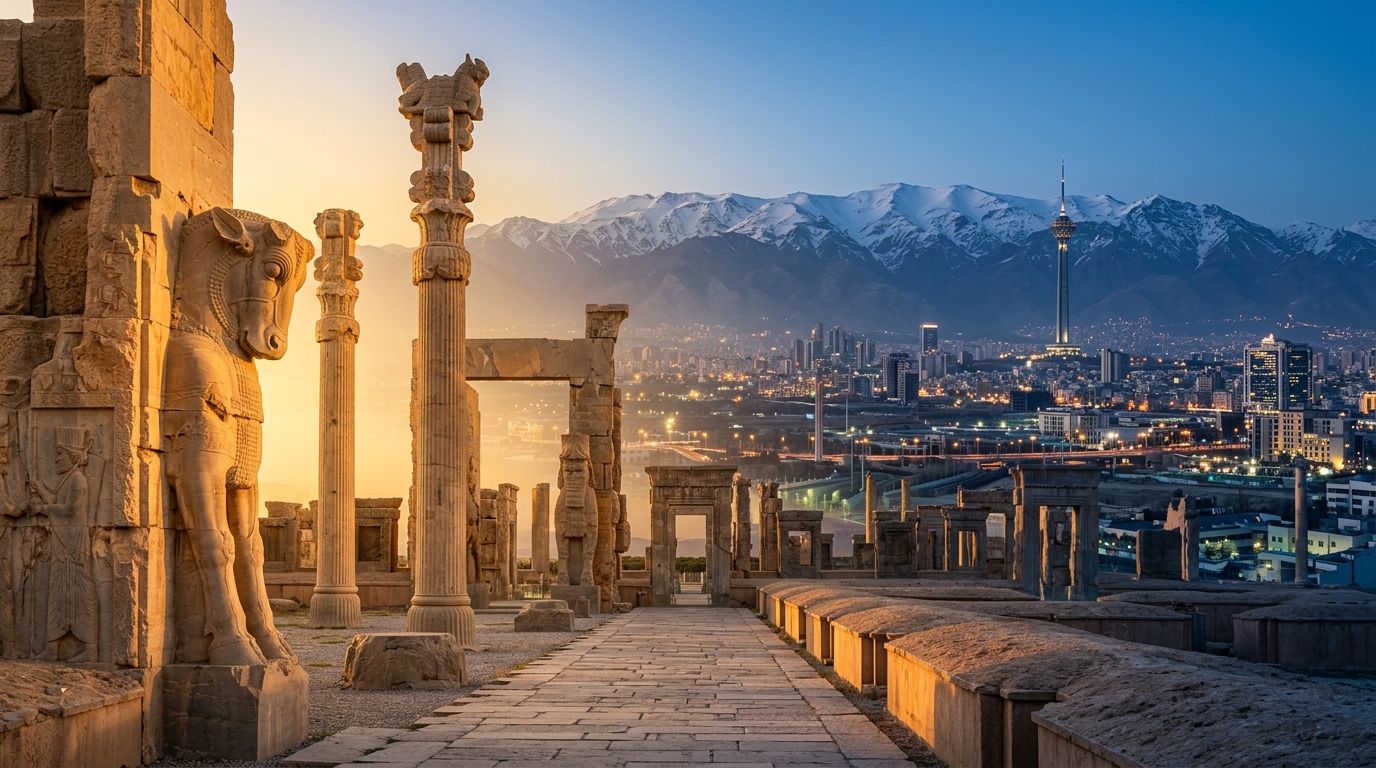

Iran Explained: From Ancient Persia to Modern Geopolitics
The Complete Reader’s Guide to Understanding Iran, the Middle East, and the Lessons of the Recent War
Iran Explained: The Complete Reader’s Guide to Understanding Iran, the Middle East, and the Lessons of the Recent War. Discover the complete story of Iran from Ancient Persia to the modern Islamic Republic. Learn how history, religion, education, science, and geopolitics shaped one of the world’s most influential nations.
https://mrpo.pk/why-iran-refuses-to-break/
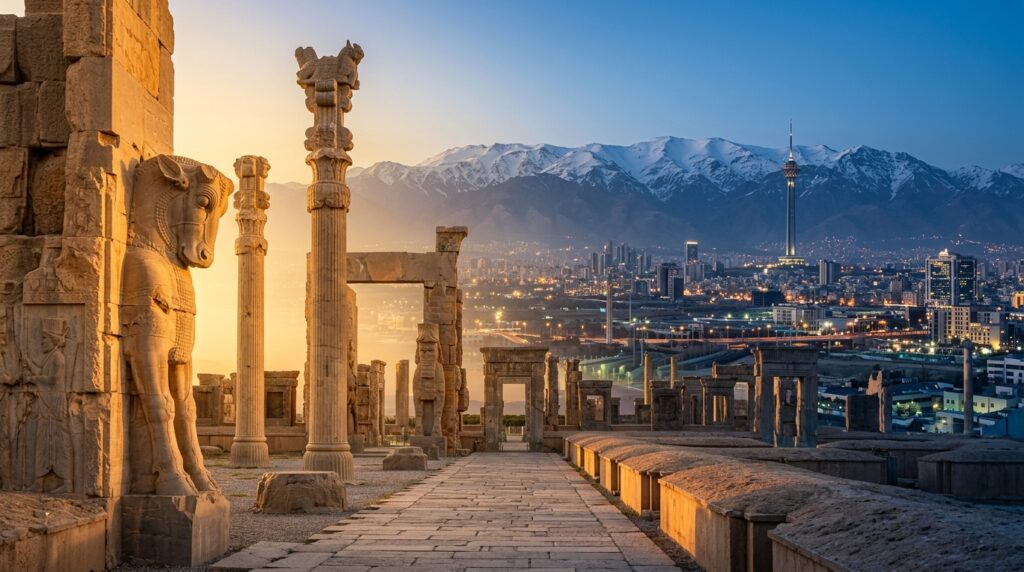
Introduction
“To understand today’s headlines, we must first understand yesterday’s history.”
For decades, Iran has remained one of the world’s most discussed, misunderstood, and strategically important countries. It is frequently portrayed through the lens of sanctions, nuclear negotiations, regional conflicts, and military tensions. Yet these headlines reveal only a small part of a much deeper story.
The recent US -Israel- Iran wars once again placed Iran at the centre of global attention. Around the world, millions of people asked the same questions:
- How did Iran become such a resilient nation?
- Why has it been able to withstand decades of sanctions and pressure?
- Why does Iran invest heavily in education, science, and missile technology?
- Why is religion so deeply connected with its political system?
- What historical experiences shaped its national mindset?
These questions cannot be answered by examining recent events alone. They require a journey through more than 2,500 years of history.
This article is the first in a comprehensive educational series designed to help readers understand Iran beyond daily news headlines. Rather than promoting any political viewpoint, the series presents historical events, verified facts, multiple perspectives where appropriate, and the broader context needed to understand one of the most influential countries in the Middle East.
A Gulf of Misperceptions
1The geopolitics of the contemporary Gulf are dominated by a triangular conflict between the three most powerful states of the region – Iran, Iraq and Saudi Arabia. Emerging from an earlier history of western intervention, and from the process of state building within Gulf states in the post-1918 period, this conflict has dominated the region for the past quarter of a century, and shows no sign of abating: no stable resolution of the conflict, one in which each state feels itself to be at a potential disadvantage, has yet been achieved. Yet if this instability is evident to all, the causes of it remain less evident. There is, at first sight, no insuperable international obstacle to peace between these three states; there are plenty of mechanisms that could resolve those issues – territorial, economic, political – that divide them.
Why This Iran Series Matters
The recent conflict demonstrated that modern wars are not decided by military equipment alone. National resilience is also shaped by history, education, scientific development, institutions, economic adaptability, public morale, diplomacy, and long-term strategic planning. Without understanding these foundations, it is difficult to understand why Iran has remained a major regional actor despite decades of wars, sanctions, political isolation, and international pressure.
Whether you are a student, researcher, journalist, policymaker, or simply a curious reader, these articles aim to provide a balanced foundation for understanding Iran.
What Makes Iran Different?
Iran is not simply another Middle Eastern country.
It is home to one of the world’s oldest continuous civilisations. Its cultural identity stretches back thousands of years before the rise of Islam. Over the centuries, Persian civilisation has influenced literature, architecture, science, philosophy, mathematics, medicine, art, governance, and diplomacy across Asia, Europe, and the Middle East.
Modern Iran combines several powerful identities:
- Ancient Persian civilization
- Islamic religious traditions
- A strong sense of national sovereignty
- Scientific and educational ambition
- Strategic regional influence
Understanding how these identities developed together is essential to understanding modern Iran.
Why Many Analyses Miss the Bigger Picture
Much of today’s reporting focuses on immediate developments such as:
- Nuclear negotiations
- Missile programs
- Regional alliances
- Sanctions
- Military operations
While these topics are important, they are only the latest chapters of a much longer story. History did not begin in 1979.
Nor did it begin with the nuclear program. Modern Iran has been shaped by centuries of cultural evolution, foreign invasions, imperial rule, religious transformation, revolutionary change, war, reconstruction, scientific investment, and national adaptation.
Ignoring these historical foundations often leads to incomplete or oversimplified conclusions.
What This Series Will Cover
This educational series is organised in a logical sequence so that each article builds upon the previous one.
Part One: Ancient Persia
Discover how one of history’s greatest civilisations laid the foundations of modern Iranian identity.
Topics include:
- Cyrus the Great
- The Persian Empire
- Achaemenid, Parthian, and Sasanian dynasties
- Persian culture and governance
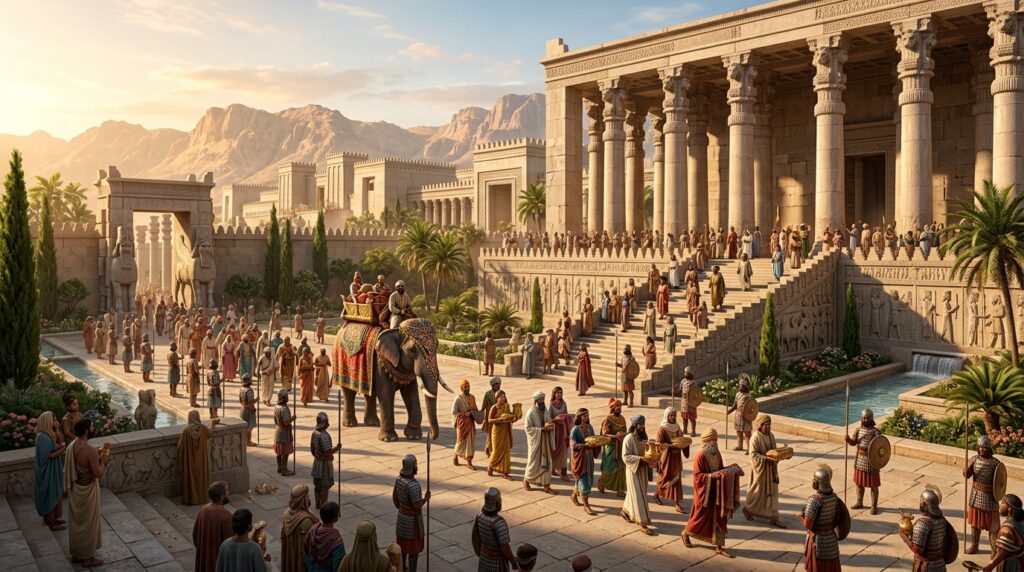
Ancient Persia
Part Two: Islam Arrives in Persia
Understand how Islam transformed Persia while Persian culture continued to shape Islamic civilisation.
Topics include:
- The Arab conquest
- Religious transformation
- The rise of Shia Islam
- The Safavid era
- Persian-Islamic cultural integration
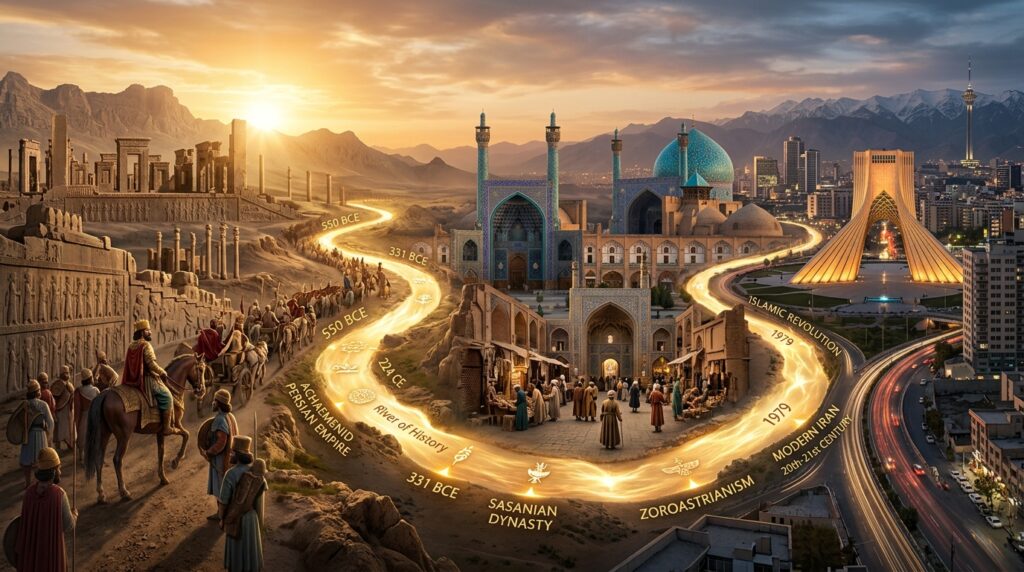
Islam Arrives in Persia
Part Three: Iran Before 1979
Learn how modernisation, oil, foreign intervention, political reforms, and growing public dissatisfaction eventually led to revolution.
Topics include:
- The Pahlavi monarchy
- Economic modernization
- Oil politics
- The 1953 coup
- Social reforms
- Opposition movements
Part Four: The 1979 Islamic Revolution
Explore one of the twentieth century’s most influential political transformations.
Topics include:
- Causes
- Timeline
- Leadership
- International reactions
- Birth of the Islamic Republic
Part Five: The Iran-Iraq War
Understand how eight years of devastating war permanently shaped Iran’s defense strategy, economy, and national identity.
Topics include:
- Causes of the war
- Major battles
- Chemical weapons
- International involvement
- Reconstruction
- Long-term strategic lessons
Part Six: Living Under Sanctions
Examine how decades of sanctions influenced Iran’s economy, industries, domestic production, and policy decisions.
Part Seven: Education as National Strategy
Discover why Iran invested heavily in universities, engineering, medicine, scientific research, and technological development.
Part Eight: Science and Innovation
Explore Iran’s achievements and challenges in space research, biotechnology, nanotechnology, artificial intelligence, and healthcare.
Part Nine: Nuclear and Missile Programs
Understand the historical development, stated objectives, international concerns, diplomatic negotiations, and competing viewpoints surrounding Iran’s strategic capabilities.
Part Ten: Society, Culture, and Daily Life
Move beyond politics to explore Iranian families, literature, food, traditions, youth culture, women, arts, sports, and everyday life.
Part Eleven: Regional Geopolitics
Analyse Iran’s relationships with neighbouring countries, global powers, and regional organisations.
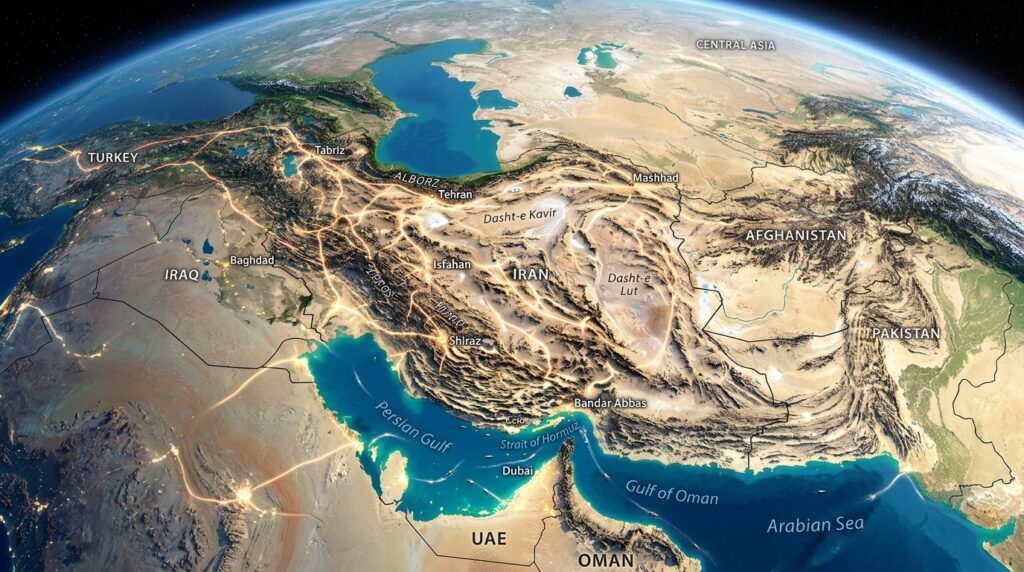
Part Twelve: The Future of Iran
Examine the country’s opportunities, demographic trends, technological ambitions, economic challenges, and possible future directions.
Our Editorial Approach
Every article in this series follows four guiding principles:
Historical Accuracy
Events are presented within their historical context using credible academic and institutional sources.
Balance
Where significant scholarly or political disagreements exist, differing viewpoints will be acknowledged rather than ignored.
Accessibility
Complex geopolitical issues are explained in straightforward language that is suitable for general readers while remaining informative for students and researchers.
Evidence-Based Analysis
Claims will be supported by historical records, academic research, and reliable data whenever available.
Why Understanding Iran Matters Today
Iran influences developments that extend far beyond its own borders. Its decisions affect energy markets, international diplomacy, regional security, maritime trade routes, technological competition, nuclear negotiations, and the strategic calculations of many nations.
Understanding Iran, therefore, contributes to a better understanding of the wider Middle East and many of today’s global geopolitical challenges.
Knowledge does not require agreement with any government or political system. It requires curiosity, careful analysis, and a willingness to examine history before reaching conclusions.
Conclusion
The story of Iran is far richer than headlines about conflict or diplomacy. It is the story of an ancient civilisation that has repeatedly adapted to conquest, revolution, war, sanctions, and changing global realities while preserving a distinctive cultural identity.
Throughout this series, we will trace that journey from the rise of Ancient Persia to the challenges and opportunities of the twenty-first century. Only by understanding the past can we better understand the present and think more clearly about the future.
The next article begins where Iran’s story truly starts: Ancient Persia, one of history’s greatest civilisations.
Frequently Asked Questions
1. Is this series intended to support or criticise Iran?
No. The purpose is educational. The series presents historical developments, multiple perspectives where relevant, and evidence-based analysis to help readers better understand Iran.
2. Why begin with Ancient Persia instead of modern politics?
Modern Iran cannot be fully understood without appreciating the historical and cultural foundations that long predate contemporary political events.
3. Will the series discuss the recent Iran-Israel conflict?
Yes. The final articles examine recent developments within the broader historical, political, and strategic context established throughout the series.
4. Does the series cover religion as well as politics?
Yes. It explains the historical development of Islam in Persia, the rise of Shia Islam, and the interaction between religion, society, and governance.
5. Will science and education be included?
Absolutely. Dedicated articles explore how education, research, engineering, medicine, and technology have become central elements of Iran’s long-term national development strategy.
6. Who should read this series?
Students, educators, journalists, researchers, policymakers, and anyone seeking a deeper understanding of Iran beyond daily news coverage.
References
- Abrahamian, Ervand. A History of Modern Iran. Cambridge University Press.
- Axworthy, Michael. A History of Iran: Empire of the Mind. Penguin Books.
- Cleveland, William L., and Martin Bunton. A History of the Modern Middle East.
- Encyclopaedia Iranica.
- The World Bank – Country Data and Development Indicators.
- International Atomic Energy Agency (IAEA) reports on Iran’s nuclear program.
- United Nations reports and official documents on sanctions and regional developments.
- Academic publications from Cambridge University Press, Oxford University Press, and peer-reviewed journals on Iranian history, politics, and society.