Diabetes and Blood Sugar Levels: Normal Levels, Symptoms, and How to Keep It in Range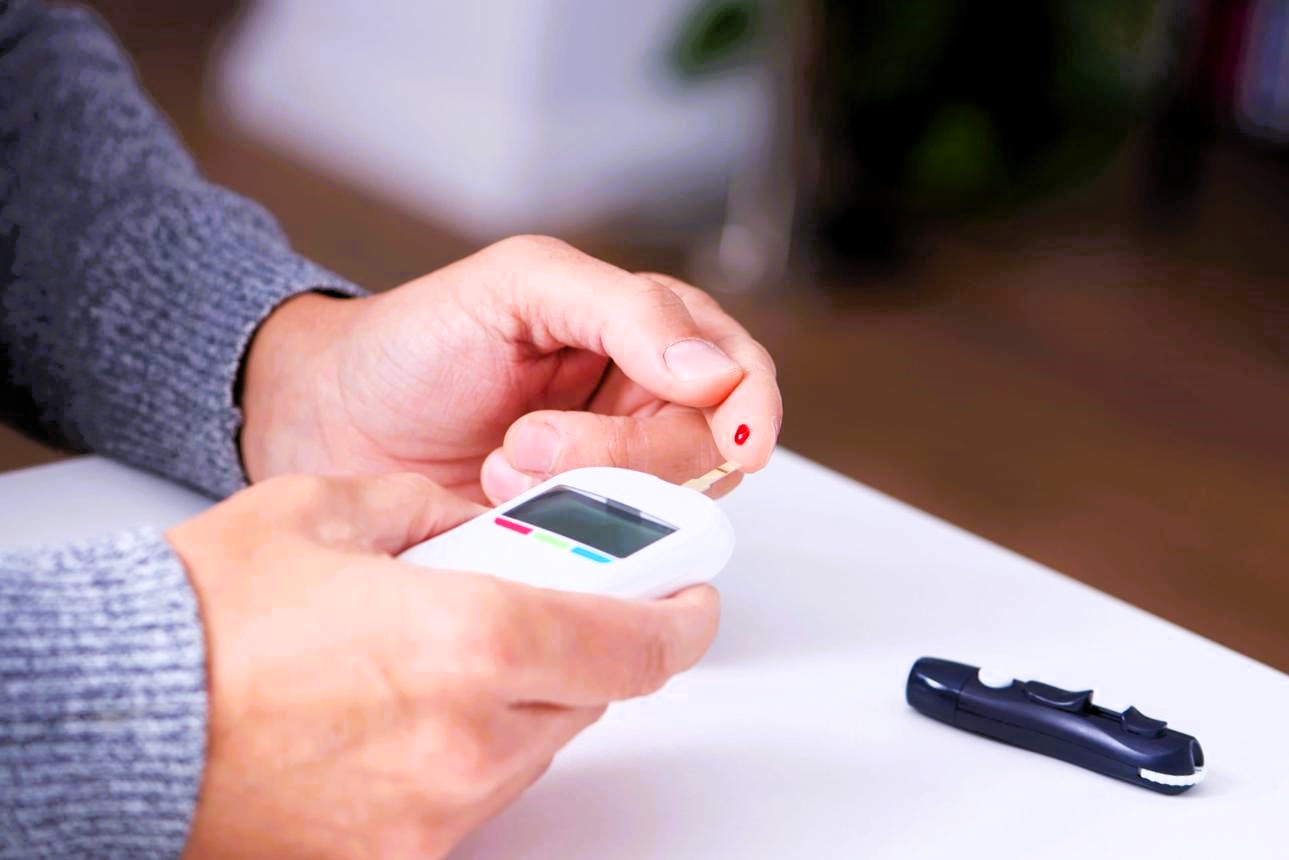
Diabetes and Blood Sugar Levels: Symptoms and How to Keep It in Range
Diabetes and Blood Sugar Levels. A blood sugar reading can tell you something important about your health, but one number rarely tells the whole story.
High blood sugar can quietly damage the body over time, while dangerously low blood sugar can become an emergency within minutes. The good news is that understanding blood glucose, recognizing warning signs, and making informed daily choices can help people protect their health.
https://mrpo.pk/continuous-glucose-monitors-cgms-for-people-with-diabetes/
Excerpt:
Blood sugar affects energy, metabolism, and long-term health. Learn what normal blood glucose levels mean, how to recognize high and low blood sugar, which tests matter, and what everyday habits can help you manage your levels safely.
Whether you are trying to prevent type 2 diabetes, managing an existing diagnosis, or simply wondering what your glucose readings mean, this guide explains the science in plain English.
What Is Blood Sugar?
Blood sugar, also called blood glucose, is the glucose circulating in your bloodstream. Glucose is a simple sugar that serves as one of the body’s main sources of energy. It comes primarily from the carbohydrates in food, although the liver can also release glucose and produce it when needed.
Your brain, muscles, and other tissues depend on a steady supply of energy. However, the body must keep blood glucose within a suitable range. Too much or too little can interfere with normal functioning.
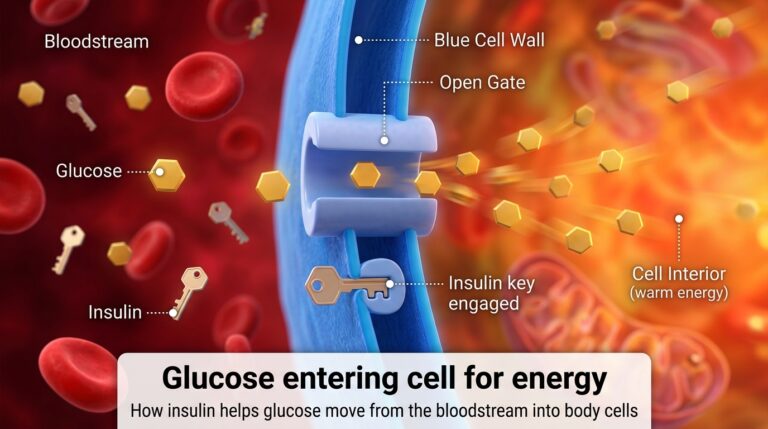
Think of glucose as fuel moving through a delivery system. Your bloodstream carries it around the body, while insulin helps many cells take it in and use or store it.
What does insulin do?
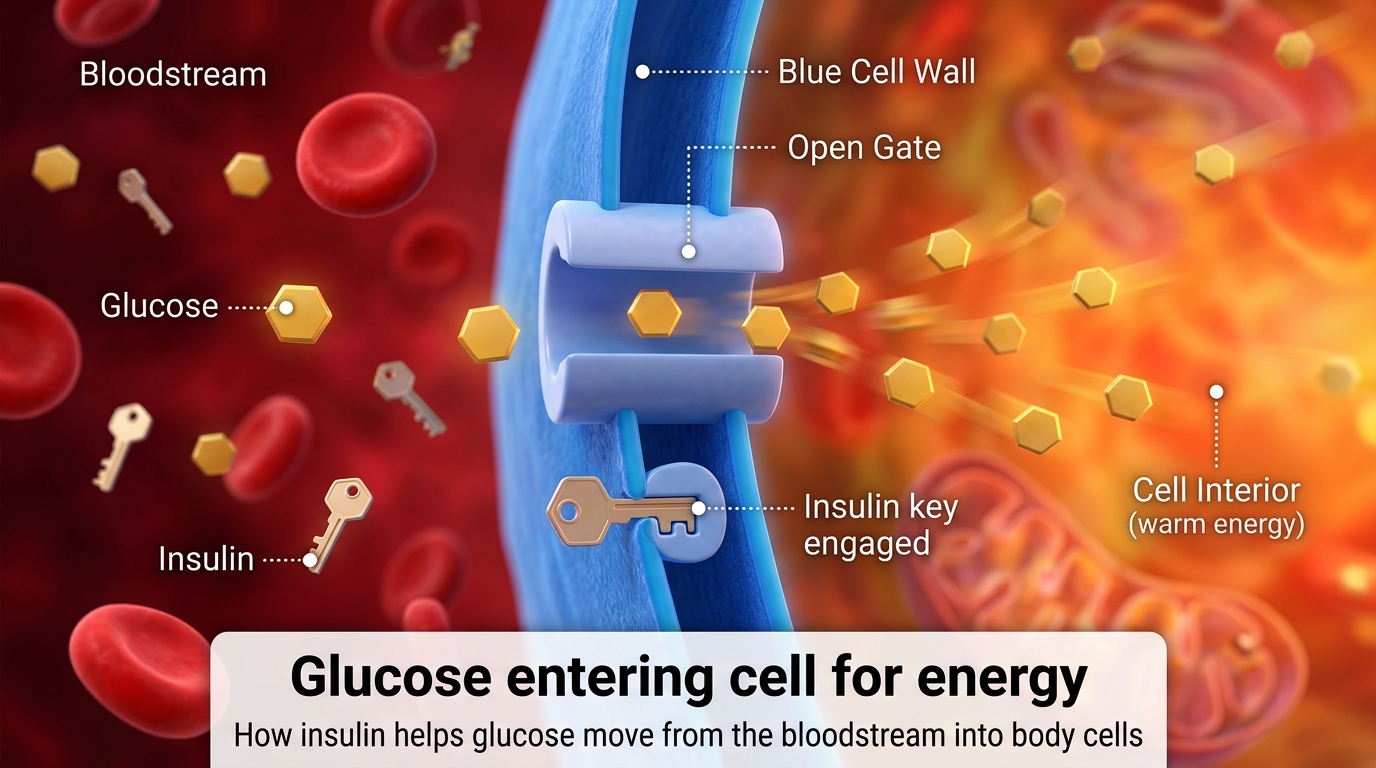
Insulin is a hormone produced by the pancreas. After you eat, blood glucose usually rises, prompting the pancreas to release insulin. Insulin helps glucose enter cells and signals the body to store some of the excess energy for later use.
When insulin production is insufficient or the body does not respond to it properly, glucose can accumulate in the bloodstream.
This is a central feature of diabetes. Type 1 diabetes involves an autoimmune process that destroys the insulin-producing cells of the pancreas. Type 2 diabetes generally involves insulin resistance and a progressive inability to produce enough insulin to meet the body’s needs. These are different conditions, and their treatments are not interchangeable.
What Is a Normal Blood Sugar Level?
The answer depends on when the test is taken, which test is used, and whether the person has diabetes.
For people without diabetes, established diagnostic thresholds help clinicians identify normal glucose regulation, prediabetes, and diabetes. These thresholds are different from the personalized glucose targets that doctors use when treating someone who already has diabetes.
The following table summarizes commonly used U.S. diagnostic criteria for nonpregnant adults.
| Test | Normal range | Prediabetes | Diabetes |
|---|---|---|---|
| Fasting blood glucose | 99 mg/dL or below (5.5 mmol/L or below) | 100–125 mg/dL (5.6–6.9 mmol/L) | 126 mg/dL or above (7.0 mmol/L or above) |
| A1C blood test | Below 5.7% | 5.7–6.4% | 6.5% or above |
| Two-hour oral glucose tolerance test | 139 mg/dL or below (7.7 mmol/L or below) | 140–199 mg/dL (7.8–11.0 mmol/L) | 200 mg/dL or above (11.1 mmol/L or above) |
These are diagnostic thresholds, not universal treatment targets. Pregnancy, certain medical conditions, and individual circumstances require different interpretations.
What is fasting blood sugar?
A fasting blood glucose test measures your blood glucose after you have had nothing to eat or drink except water for at least eight hours.
A fasting result of 100–125 mg/dL falls within the U.S. prediabetes range. A result of 126 mg/dL or above is in the diabetes range, but a single result does not always establish the diagnosis.
Unless the person has unequivocal symptoms or a hyperglycemic emergency, clinicians generally need a second abnormal result to confirm diabetes. That may involve repeating the same test or using another diagnostic test.
What should blood sugar be after eating?
Blood glucose normally rises after a meal. The size and duration of the rise depend on the amount and type of carbohydrates consumed, the meal’s composition, physical activity, insulin response, and individual metabolism.
There is no single post-meal number that applies to everyone at every moment.
For many nonpregnant adults with diabetes, the American Diabetes Association recommends a peak post-meal glucose target below 180 mg/dL (10.0 mmol/L), measured one to two hours after the beginning of a meal. However, personal targets may be higher or lower depending on the person’s circumstances and treatment plan. This is a treatment goal, not a diagnostic threshold for people without diabetes.
What is the A1C test?
An A1C test measures the percentage of hemoglobin in red blood cells that has glucose attached to it. Because red blood cells circulate for months, the result reflects average blood glucose over roughly the previous two to three months.
Unlike a home glucose meter, which provides a reading at a particular moment, A1C offers a broader view of glucose exposure over time.
A1C can be affected by certain conditions, including some forms of anemia, altered red blood cell turnover, and particular hemoglobin variants. A clinician may need to use other tests when A1C does not accurately reflect a person’s glucose levels.
High Blood Sugar: Symptoms You Should Recognize
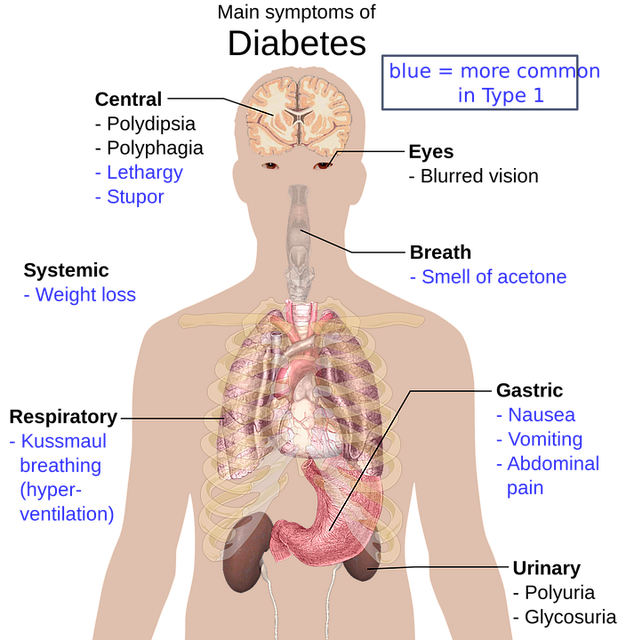
High blood sugar, medically called hyperglycemia, can develop gradually. Some people notice obvious symptoms, while others feel relatively normal even when their glucose levels are elevated.
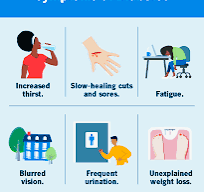
Possible symptoms include:
- Increased thirst.
- Frequent urination.
- Unusual tiredness.
- Blurred vision.
- Unexplained weight loss.
- Slow-healing cuts or wounds.
- Recurrent infections.
These symptoms do not prove that someone has diabetes. Other conditions can cause similar problems. Nevertheless, persistent symptoms deserve medical assessment, especially when several occur together.
Why can high blood sugar be dangerous?
Repeated or prolonged hyperglycemia can damage blood vessels and nerves. Over time, diabetes increases the risk of complications affecting the eyes, kidneys, nerves, heart, and other parts of the body.
The danger is not limited to long-term complications. Severe hyperglycemia can lead to acute emergencies, including diabetic ketoacidosis (DKA) and hyperosmolar hyperglycemic state (HHS).
DKA occurs when severe insulin deficiency causes the body to produce excessive ketones, which make the blood acidic. HHS involves profound hyperglycemia and dehydration and can cause serious neurological complications. Both require urgent medical treatment.
Seek emergency care if high blood sugar is accompanied by vomiting, abdominal pain, deep or difficult breathing, fruity-smelling breath, confusion, severe dehydration, or an inability to keep fluids down. These warning signs are particularly important for people with diabetes.
Low Blood Sugar: When Glucose Falls Too Far
Low blood sugar, or hypoglycemia, is particularly important for people who use insulin or certain glucose-lowering medications.
For many people with diabetes, a reading below 70 mg/dL (3.9 mmol/L) is considered low. A reading below 54 mg/dL (3.0 mmol/L) represents more serious hypoglycemia. Severe hypoglycemia can occur when a person becomes unable to treat the episode independently, regardless of the measured glucose level.
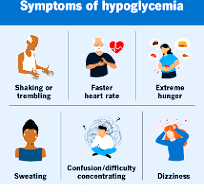
Common signs of low blood sugar
- Shaking or trembling.
- Sweating.
- Sudden hunger.
- A racing heartbeat.
- Dizziness or weakness.
- Irritability or confusion.
- Difficulty concentrating.
- In severe cases, seizures or loss of consciousness.
Symptoms vary. Some people experience warning signs early, while others develop reduced awareness of hypoglycemia, particularly after repeated episodes.
What should you do if blood sugar is low?
If a conscious adult with diabetes has a reading below 70 mg/dL and can safely swallow, the commonly recommended approach is the 15-15 rule:
- Take 15 grams of fast-acting carbohydrate, such as glucose tablets according to the label or approximately four ounces (120 mL) of regular fruit juice.
- Wait 15 minutes.
- Check blood glucose again.
- If it remains below 70 mg/dL, repeat the treatment and recheck after another 15 minutes.
Follow an individualized medical plan if your clinician has given you different instructions.
Do not give food or drink to someone who is unconscious, having a seizure, or unable to swallow safely. Do not put anything in their mouth. Use prescribed glucagon if available and you know how to administer it, and call emergency services.
Important: People who do not have diabetes and experience repeated symptoms suggestive of low blood sugar should seek medical evaluation rather than repeatedly self-treating presumed episodes without confirming the cause.
What Causes Blood Sugar to Rise or Fall?
Blood glucose responds to more than the amount of sugar in a meal. Several factors can influence it.
Food and drink
Carbohydrates are broken down into glucose or other sugars that can affect blood glucose. Sugary drinks, sweets, large portions of refined grains, and some other carbohydrate-rich foods can raise glucose quickly.
Protein, fat, fiber, meal size, and the combination of foods influence how quickly glucose rises and how long the rise lasts.
This does not mean everyone needs to eliminate carbohydrates. Whole grains, beans, lentils, fruit, and vegetables can provide important nutrients and fiber. The type, amount, and overall balance of food matter.
Physical activity
Muscles use glucose for energy, and physical activity can improve insulin sensitivity. Regular movement often helps improve glucose management.
However, exercise can sometimes cause glucose to fall too low in people taking insulin or certain medications. Strenuous activity can also temporarily raise glucose in some circumstances. People using these medications should learn how activity affects their individual readings.
Stress and illness
Stress hormones can increase blood glucose. Infections, fever, poor sleep, and other illnesses can also make glucose harder to control.
A high reading during an illness should not automatically be dismissed as temporary, particularly if it persists or is accompanied by symptoms.
Medications and underlying conditions
Insulin and certain diabetes medications can lower blood glucose. Steroids and some other medicines can raise it. Hormonal disorders, pancreatic disease, and other medical conditions may also affect glucose regulation.
Do not change prescribed medication doses based on a single reading without following your treatment plan or obtaining appropriate medical advice.
How to Manage Blood Sugar Through Everyday Habits
For many people, effective glucose management begins with sustainable habits. People with diabetes may also need medication, glucose monitoring, and a personalized medical plan.
1. Build balanced meals
Aim to include vegetables, appropriate portions of protein, high-fiber carbohydrate sources, and healthy fats.
A practical starting point is the plate method: fill about half your plate with nonstarchy vegetables, one-quarter with protein foods, and one-quarter with carbohydrate-rich foods such as whole grains or beans. Individual needs vary, and this approach may need adjustment for specific medical conditions or nutritional requirements.
You do not need expensive specialty foods to eat well. Familiar options such as lentils, beans, eggs, vegetables, plain yogurt, and suitable whole grains can fit into a balanced eating pattern.
Portion sizes and preparation methods matter, too.

2. Choose drinks carefully
Water is an excellent everyday choice. Sugary soft drinks, sweetened tea, energy drinks, and large servings of fruit juice can add substantial amounts of sugar without providing the same fullness as whole foods.
Whole fruit generally provides fiber and is not nutritionally equivalent to a sugary drink. People with diabetes do not automatically need to avoid all fruit, although portions and individual glucose responses matter.
3. Move regularly
Walking, cycling, swimming, strength training, and other suitable activities can improve insulin sensitivity and support overall health.
For many adults, a useful long-term goal is at least 150 minutes of moderate-intensity physical activity per week, adapted to their abilities and medical circumstances.
If you are inactive, begin with a manageable amount and increase gradually. Even short periods of movement can be a practical starting point.
People who use insulin or medications that can cause hypoglycemia should discuss exercise-related precautions with their health care team.
4. Prioritize sleep and stress management
Insufficient sleep and ongoing stress can make glucose regulation more difficult for some people.
A regular sleep schedule, relaxation practices, social support, and realistic daily routines may help. These measures support health, but they are not substitutes for diabetes treatment when medication is needed.
5. Work toward a healthy weight when appropriate
For people with prediabetes who are overweight or obese, modest, sustainable weight loss can reduce the risk of developing type 2 diabetes.
The U.S. Diabetes Prevention Program found that a structured lifestyle intervention targeting about 7% weight loss and 150 minutes of physical activity per week reduced the incidence of type 2 diabetes by 58% among high-risk participants during the original study period. That result applies to the studied intervention and population, not as a guaranteed outcome for every individual.
Weight loss is not appropriate for everyone. People who are underweight, frail, pregnant, or experiencing unexplained weight loss need individualized medical advice.
6. Monitor glucose when it is useful
Home glucose meters and continuous glucose monitors can help people with diabetes understand how food, activity, illness, and medication affect their readings.
But testing more often is not automatically better for everyone. The frequency and timing should match the person’s condition, medication, treatment goals, and clinician’s advice.
If a reading seems inconsistent with how you feel, wash and dry your hands and repeat the measurement according to the meter instructions. Seek medical advice if unexpected results persist or symptoms are concerning.
7. Do not replace treatment with supplements
Cinnamon, bitter melon, herbal teas, and other products are sometimes promoted as natural blood sugar remedies. Evidence varies, and none should be assumed to replace proven diabetes treatment.
Supplements may interact with medications, affect the liver or kidneys, or contain inconsistent amounts of active ingredients.
Discuss supplements with a qualified health professional before using them to manage glucose. Never stop prescribed insulin or other medication because a product claims to cure diabetes.
Can You Prevent Type 2 Diabetes?
In many people at increased risk, type 2 diabetes can be delayed or prevented through evidence-based lifestyle changes. Prevention is not guaranteed, and some risk factors, including family history and age, cannot be changed.
Useful steps include:
- Choosing a sustainable, balanced eating pattern.
- Being physically active regularly.
- Managing weight when appropriate.
- Getting tested when risk factors are present.
- Following up on abnormal results.
- Seeking support for lasting lifestyle changes.
People with prediabetes may benefit from a structured diabetes prevention program. A clinician can help determine which changes and monitoring schedule make sense for an individual’s circumstances.
Who Should Get Their Blood Sugar Tested?
Testing is particularly important for people with symptoms of diabetes, a previous diagnosis of prediabetes, a history of gestational diabetes, a strong family history of type 2 diabetes, or other relevant risk factors.
The U.S. Preventive Services Task Force recommends screening for prediabetes and type 2 diabetes in adults aged 35 to 70 who have overweight or obesity. Other people may also need testing depending on their medical history, symptoms, pregnancy status, or local clinical guidance.
Testing recommendations differ across health systems and individual circumstances. Ask a qualified health professional when screening is appropriate for you.
Remember that type 2 diabetes can develop without obvious symptoms. Feeling well is not proof that blood glucose is normal.
The Bottom Line: Understand Your Numbers, Protect Your Health
Blood sugar is neither an enemy nor a scorecard. It is a measure of how your body is handling an essential source of energy.
A single reading can be affected by timing, food, illness, medication, and measurement conditions. A pattern of readings, appropriate laboratory tests, and the wider clinical picture provides much more useful information.
Choose sustainable habits, learn the warning signs of high and low glucose, and seek professional advice when readings or symptoms raise concerns. If you have diabetes, work with your health care team to establish targets that fit your health and circumstances.
The aim is not to chase a perfect number every hour. It is to protect your health over time, safely and realistically.
Frequently Asked Questions
1. What is a normal blood sugar level for adults?
For nonpregnant adults without diabetes, a fasting blood glucose level of 99 mg/dL (5.5 mmol/L) or below is generally considered normal under U.S. diagnostic criteria. Results depend on the test used, and a normal fasting result does not rule out every form of glucose abnormality.
2. What blood sugar level indicates diabetes?
A fasting plasma glucose level of 126 mg/dL (7.0 mmol/L) or above, or an A1C of 6.5% or above, falls within the diabetes diagnostic range. In the absence of unequivocal hyperglycemia, an abnormal result generally needs confirmation by repeat testing or another diagnostic test.
3. Can you have high blood sugar without symptoms?
Yes. Type 2 diabetes and prediabetes can develop without noticeable symptoms. Laboratory testing is important for people who have relevant risk factors or meet screening recommendations.
4. What foods help manage blood sugar?
Vegetables, beans, lentils, whole grains, whole fruit, and balanced meals containing protein and fiber can support healthy glucose management. Portion sizes and total carbohydrate intake matter. No single food guarantees normal blood sugar, and people with diabetes may need individualized dietary advice.
5. Is low blood sugar more dangerous than high blood sugar?
Both can be dangerous. Severe hypoglycemia can cause confusion, seizures, or loss of consciousness within a short period. Persistently high blood sugar can damage organs over time, while severe hyperglycemia can cause life-threatening emergencies. The urgency depends on the glucose level, symptoms, and individual circumstances.
6. Can blood sugar return to normal without medication?
Some people with prediabetes can return to normal glucose ranges through sustainable lifestyle changes. Some people with type 2 diabetes can achieve remission, but this is not the same as a permanent cure. People with type 1 diabetes require insulin. Never stop or change prescribed diabetes medication without appropriate medical guidance.
Medical Disclaimer: This article is for educational purposes only and does not replace professional medical advice, diagnosis, or treatment. Consult a qualified healthcare professional for personal guidance. Seek urgent medical care for a possible diabetic emergency.
References and trusted sources
The following authoritative sources support the article’s diagnostic thresholds, treatment guidance, and prevention advice.
-
National Institute of Diabetes and Digestive and Kidney Diseases (NIDDK): Diabetes Overview. Background on diabetes, symptoms, risk factors, and prevention.
-
Centers for Disease Control and Prevention (CDC): Diabetes Testing. Diagnostic tests and thresholds for diabetes and prediabetes.
-
NIDDK: Low Blood Glucose (Hypoglycemia). Warning signs and immediate treatment of low blood sugar.
-
American Diabetes Association: Standards of Care in Diabetes, 2026. Evidence-based clinical guidance on glucose targets, hypoglycemia, and diabetes management.
-
CDC: Managing Blood Sugar. Practical advice on monitoring and everyday glucose management.
-
NIDDK: Your Game Plan to Prevent Type 2 Diabetes. Evidence-based lifestyle measures for people at increased risk.