Blood Sugar Levels by Age: Normal Ranges, After-Meal Readings, and Danger Signs
Blood Sugar Levels by Age: What is a normal blood sugar level in the morning, after meals, or at bedtime? Learn how to interpret glucose readings, understand age-related differences, recognise dangerous highs and lows, and know when to seek medical help.
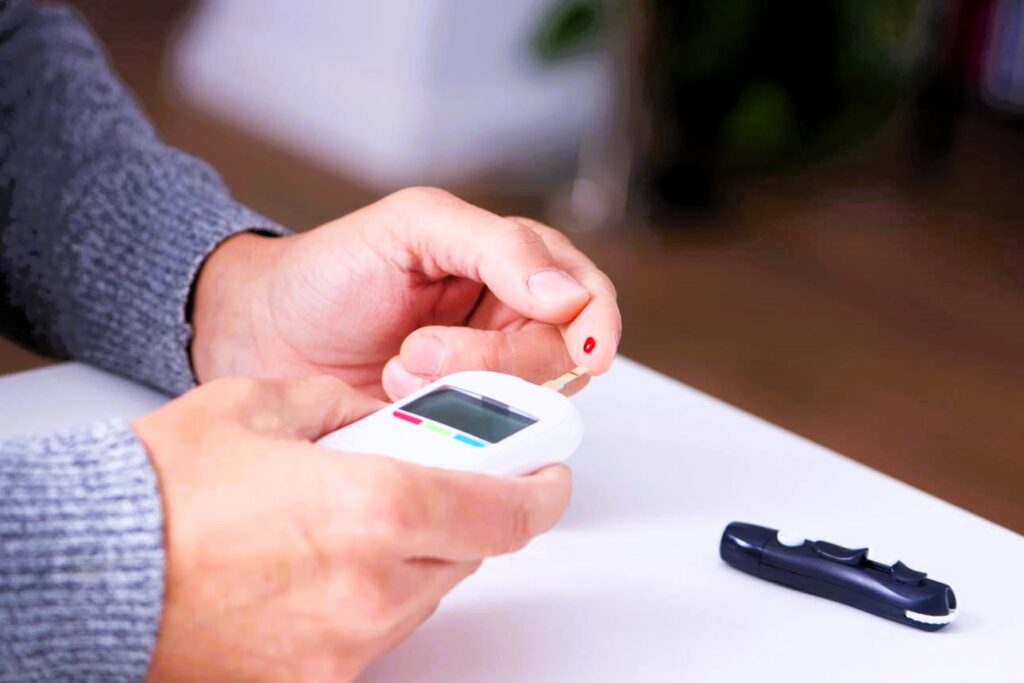
A blood sugar reading of 110 mg/dL can mean different things depending on when you checked it, whether you have diabetes, and what your personal treatment target is.
The number alone does not tell the whole story. Understanding the timing, pattern, and context of a glucose reading can help you make better health decisions without unnecessary fear.
This guide explains normal blood sugar levels, fasting and post-meal readings, age-related considerations, and the warning signs that should never be ignored.
https://mrpo.pk/continuous-glucose-monitors-cgms-for-people-with-diabetes/
What Is a Normal Blood Sugar Level?
Blood sugar, also called blood glucose, is the main sugar circulating in your bloodstream. Your body uses it for energy, while insulin helps glucose enter cells.
Healthy glucose levels change throughout the day. They are generally lower after fasting and rise after eating. The size and duration of that rise depend on the meal, physical activity, medication, and individual metabolism.
For adults who are not pregnant, these laboratory thresholds are commonly used to identify normal glucose levels, prediabetes, and diabetes.
Blood Sugar Levels Used to Diagnose Diabetes
| Laboratory test | Normal range | Prediabetes | Diabetes |
|---|---|---|---|
| Fasting blood glucose | 99 mg/dL or below | 100–125 mg/dL | 126 mg/dL or above |
| A1C test | Below 5.7% | 5.7–6.4% | 6.5% or above |
| Two-hour oral glucose tolerance test | 139 mg/dL or below | 140–199 mg/dL | 200 mg/dL or above |
These are diagnostic thresholds, not daily targets for everyone with diabetes. The oral glucose tolerance test uses a standardised glucose drink, not an ordinary meal.
A fasting test usually requires at least eight hours without food or drinks other than water. In people without clear symptoms, an abnormal result generally needs confirmation with another test.
Important: A home glucose meter can help monitor blood sugar, but its readings should not be used on their own to diagnose diabetes.
Normal Blood Sugar Before and After Meals
Many people search for one perfect glucose number. In reality, blood sugar changes naturally after eating, during exercise, and while sleeping.
For many nonpregnant adults who already have diabetes, the following are common treatment targets:
| When blood sugar is checked | Typical target for many adults with diabetes |
|---|---|
| Before a meal | 80–130 mg/dL |
| One to two hours after the start of a meal | Below 180 mg/dL |
| Continuous glucose monitoring range | Often 70–180 mg/dL |
These targets are not universal. A clinician may recommend different ranges based on age, medication, pregnancy, other health conditions, and the risk of hypoglycemia.
People without diabetes should not use diabetes treatment targets as proof that they have a disease. Diagnosis depends on appropriate laboratory testing.
Source: CDC, Monitoring Your Blood Sugar.
What About Blood Sugar at Bedtime?
There is no single bedtime glucose target that suits everyone.
For someone taking insulin or medication that can cause low blood sugar, the bedtime reading may be especially important. A clinician may adjust the target according to medication, recent activity, evening meals, and the risk of overnight hypoglycemia.
If you repeatedly wake with unusually high or low readings, record the results and discuss the pattern with your healthcare professional. Do not change insulin doses or stop prescribed medicine without appropriate medical advice.
Does Normal Blood Sugar Change With Age?
Age matters, but not in the way many online charts suggest.
There is no universal set of normal blood sugar ranges for every age group. The laboratory thresholds used to diagnose diabetes in nonpregnant adults are generally the same across adult age groups. However, treatment goals for people who already have diabetes may differ.
Children and Teenagers
Children and teenagers can develop type 1 or type 2 diabetes. Their glucose targets depend on their age, development, treatment, activity, and risk of low blood sugar.
Parents should follow the child’s diabetes care plan rather than relying on an adult chart. Excessive thirst, frequent urination, unexplained weight loss, or unusual tiredness deserve medical assessment. Symptoms that develop rapidly, particularly with vomiting or difficult breathing, require urgent care.
Adults Under 65
For many adults with diabetes, clinicians aim to keep glucose within an individualised target range while reducing the risk of long-term complications.
Treatment may involve nutrition changes, physical activity, glucose monitoring, medication, or a combination of these approaches. The right plan depends on the person, not age alone.
Adults Aged 65 and Older
Older adults may have additional health conditions, take several medicines, or experience changes in appetite, kidney function, memory, or mobility.
For some, intensive glucose lowering can increase the risk of dangerous hypoglycemia, falls, or confusion. A healthcare professional may therefore recommend less stringent targets, particularly for people with frailty or complex medical needs.
The aim is not simply to achieve the lowest possible reading. It is to control glucose safely while preserving independence and quality of life.
Source: NIDDK, How Is Diabetes Different for Older Adults?.
What Do Blood Sugar Readings Mean?
A single reading is a snapshot. Repeated readings can reveal a pattern.
Fasting Blood Sugar
A fasting reading is taken after at least eight hours without food or caloric drinks. It is commonly used in laboratory testing for diabetes and prediabetes.
A fasting laboratory result of 100–125 mg/dL falls within the prediabetes range. A result of 126 mg/dL or above falls within the diabetes range, but confirmation is generally required when clear symptoms are absent.
A high home reading may be worth discussing with a medical professional, but it does not establish a diagnosis by itself.
Blood Sugar After Eating
Glucose normally rises after a meal. A meal rich in refined carbohydrates or sugary drinks may produce a larger rise than a meal containing a balanced mix of carbohydrates, protein, fibre, and healthy fats.
For people monitoring diabetes, checking one to two hours after the meal begins can help show how food and treatment affect glucose.
An ordinary post-meal reading is not equivalent to the standardised two-hour oral glucose tolerance test used for diagnosis.
A1C: Your Longer-Term Picture
The A1C test estimates average blood glucose over roughly the previous three months. It does not require fasting.
For diagnosing diabetes in nonpregnant adults:
- Below 5.7% is considered normal.
- 5.7–6.4% falls within the prediabetes range.
- 6.5% or above falls within the diabetes range.
A1C is useful because it shows more than one moment in time. However, certain conditions, including some forms of anaemia and haemoglobin disorders, can affect its accuracy. A clinician may recommend another test if results do not match the clinical picture.
Source: NIDDK, The A1C Test.
When Is Blood Sugar Too Low?
Low blood sugar, or hypoglycemia, is generally defined as a reading below 70 mg/dL in people with diabetes. A level below 54 mg/dL is considered significantly low and needs quick attention.
Symptoms can include:
- Shaking or trembling
- Sweating
- Sudden hunger
- Dizziness or weakness
- A fast heartbeat
- Irritability or confusion
- Difficulty concentrating
Severe hypoglycemia can cause seizures, unconsciousness, or an inability to swallow safely.
What Should You Do if Blood Sugar Is Low?
If you have diabetes, are conscious, and can swallow safely, follow your clinician’s treatment plan. A commonly recommended approach is the 15-15 rule:
- Take 15 grams of fast-acting carbohydrate, such as glucose tablets according to their label or about 120 mL of regular fruit juice.
- Wait 15 minutes and check your glucose again.
- If it remains below 70 mg/dL, repeat the treatment.
- Once it recovers, follow your care plan about eating a meal or snack.
Do not give food or liquid by mouth to someone who is unconscious, having a seizure, or unable to swallow. Use prescribed glucagon if available and you know how to administer it, and call emergency services.
Repeated low readings need medical review, especially if you use insulin or medicines that can cause hypoglycemia.
When Is Blood Sugar Dangerously High?
High blood sugar, or hyperglycemia, may cause increased thirst, frequent urination, blurred vision, fatigue, and unexplained weight loss.
A single high reading does not automatically mean a medical emergency. However, persistent or very high readings can require prompt clinical advice, particularly in someone with diabetes.
Warning Signs That Need Urgent Medical Attention
Seek emergency medical care if high glucose is accompanied by warning signs such as:
- Vomiting or severe abdominal pain
- Deep or difficult breathing
- Fruity-smelling breath
- Confusion or marked drowsiness
- Severe dehydration
- Inability to keep fluids down
These can be signs of diabetic ketoacidosis (DKA) or another serious complication. DKA can occur in type 1 diabetes and sometimes in type 2 diabetes. It should not be ruled out simply because a glucose reading is lower than expected.
If you are sick and have diabetes, follow your sick-day plan and check ketones if your healthcare team has advised you to do so. Do not delay emergency care while waiting for a particular glucose number.
Why Can Blood Sugar Rise or Fall Unexpectedly?
Glucose levels are influenced by more than sugar intake.
Common factors include:
- Food: The amount and type of carbohydrate can affect how quickly glucose rises.
- Physical activity: Exercise often lowers glucose, although the response varies with intensity, timing, and medication.
- Stress and illness: Hormonal changes can raise blood sugar.
- Sleep: Poor sleep may make glucose management more difficult.
- Medication: Missed doses, incorrect timing, or certain medicines can alter readings.
- Dehydration: Fluid loss can accompany or worsen high glucose.
- Hormonal changes: Menstrual cycles, pregnancy, and other hormonal shifts can affect glucose regulation.
If your readings change unexpectedly, note the time, meals, activity, medication, and symptoms. A record can help your healthcare professional identify a cause more reliably than a single number.
How to Keep Blood Sugar in a Healthy Range
You do not need a complicated routine to start improving everyday glucose management. Consistent, realistic habits often matter more than dramatic short-term changes.

Choose Balanced Meals
Include vegetables, fibre-rich foods, appropriate protein, and healthy fats. Beans, lentils, whole grains, and minimally processed foods can help make meals more satisfying.
Portion size and carbohydrate intake still matter. Foods described as natural or healthy can also raise blood sugar, so individual responses are worth observing.
Limit Sugary Drinks
Soft drinks, sweetened tea, energy drinks, and large servings of juice can deliver substantial amounts of sugar quickly. Water and unsweetened drinks are useful everyday alternatives.
People treating hypoglycemia are an exception: fast-acting carbohydrate may be necessary when glucose is dangerously low.
Move Regularly
Walking and other suitable physical activities can help the body use glucose more effectively. Start at a level that fits your health and mobility, and increase gradually if appropriate.
People using insulin or medicines that can cause hypoglycemia may need to check glucose and adjust their activity plan with professional guidance.
Protect Your Sleep

Keep a reasonably regular sleep schedule and seek advice if persistent sleep problems interfere with daily life. Sleep is one part of glucose management, not a substitute for prescribed treatment.
Take Medication as Prescribed
Do not stop diabetes medication because a reading looks normal. The reading may be normal precisely because treatment is working.
If medicine causes repeated low readings, side effects, or practical difficulties, ask your clinician to review the plan.
Monitor for Patterns, Not Just Individual Numbers
If you have been advised to check your blood sugar, record readings at the times recommended by your healthcare team. Bring the record to appointments.
If you do not have diabetes, frequent home testing is not necessary for everyone. Ask a healthcare professional whether screening is appropriate based on your age, symptoms, family history, and other risk factors.
Frequently Asked Questions
1. Is a fasting blood sugar of 110 mg/dL normal?
A fasting laboratory result of 110 mg/dL falls within the prediabetes range. It does not, by itself, confirm diabetes. Your clinician may recommend repeat or additional laboratory testing.
2. Is a blood sugar level of 140 mg/dL after eating dangerous?
Not necessarily. The meaning depends on when you checked, what you ate, whether you have diabetes, and your personal target. A reading of 140 mg/dL after an ordinary meal is not equivalent to a diagnostic oral glucose tolerance test.
3. What should blood sugar be two hours after a meal?
For many nonpregnant adults with diabetes, a common treatment target is below 180 mg/dL, measured one to two hours after the meal begins. People without diabetes should not use this treatment target alone to determine whether they have diabetes.
4. Does blood sugar naturally rise with age?
Age can affect metabolism and diabetes risk, but there is no universal rule that everyone should have a higher normal glucose level as they get older. Diagnostic thresholds remain generally consistent for nonpregnant adults, while treatment targets may be individualised.
5. What blood sugar level is considered too low?
For most people with diabetes, below 70 mg/dL is considered low. Below 54 mg/dL is more serious. Confusion, seizures, unconsciousness, or inability to swallow safely requires emergency action.
6. Can a home glucose meter diagnose diabetes?
No. Home meters are useful for monitoring, but diagnosis should be based on appropriate laboratory testing and clinical assessment. An abnormal result should be discussed with a medical professional.
Final Thoughts
Blood sugar numbers are useful, but they need context. The timing of the test, the person’s age and health, symptoms, medication, and whether the goal is diagnosis or ongoing management all matter.
Avoid judging your health by one isolated reading or comparing your numbers blindly with someone else’s. If results repeatedly fall outside the expected range, arrange an appropriate medical assessment. If you notice symptoms of severe hypoglycemia or a possible diabetic emergency, seek urgent help.
Medical disclaimer: This article is for general education and does not replace individualised medical advice, diagnosis, or treatment. Pregnancy, childhood diabetes, and certain medical conditions require different assessments or targets. Follow the guidance of your healthcare professional.
https://mrpo.pk/continuous-glucose-monitors-cgms-for-people-with-diabetes/