Continuous Glucose Monitors (CGMs) for People with Diabetes
Continuous Glucose Monitors (CGMs) for People with Diabetes. Diabetes is no longer a distant health risk; it is quietly reshaping the future of global health, economies, and life expectancy. What most people still don’t realise is that nearly half of those affected don’t even know they have it until it’s too late.
Diabetes has evolved into one of the most critical health crises of the 21st century:
Over 830 million people worldwide are now living with diabetes
The International Diabetes Federation estimates ~589 million adults (1 in 9) are affected
More than 40% remain undiagnosed, making it a silent epidemic
Cases are projected to reach ~853 million by 2050
This is no longer just a health issue, it’s a global systems crisis impacting productivity, healthcare budgets, and national stability.
Updated Global Reality
🇺🇸🇪🇺 Why This Matters to US & Europe
1. Western Lifestyle Is Fueling Type 2 Diabetes
Over 90% of diabetes cases are Type 2, largely driven by:
Processed food consumption
Sedentary lifestyles
Rising obesity rates
2. Europe: A Growing Burden Despite Advanced Healthcare
74 million adults already living with diabetes
1 in 10 Europeans projected by 2045
Alarmingly, 1 in 3 cases remains undiagnosed
3. United States: Plateau with Hidden Risks
Prevalence appears stable, but:
Control rates are worsening
Complications (heart disease, kidney failure) are rising
Lifestyle-driven diabetes remains dominant
Translation for Western readers: Modern convenience is creating chronic disease dependency.
The Hidden Crisis: Undiagnosed Diabetes
Over 250 million people globally don’t know they have diabetes
Many are diagnosed only after complications begin
Early-stage symptoms are often ignored:
Fatigue
Frequent urination
Blurred vision
This makes diabetes not just a disease,but a silent global threat multiplier.
Latest Medical & Tech Developments
Breakthroughs Changing the Landscape:
New-generation drugs (GLP-1 based therapies) are now recognized globally for diabetes management
The World Health Organization has added these to its Essential Medicines List, aiming to expand access worldwide
AI & Digital Health
AI systems are now assisting in:
Early diagnosis
Risk prediction
Personalized treatment
The future of diabetes care is shifting toward preventive, tech-enabled, personalized medicine.
Global Inequality Angle (Critical for Western Readers)
Most diabetes patients live in low- and middle-income countries
Yet:
Access to insulin remains limited
Treatment gaps are massive
This creates a two-speed world:
High-income countries → managing diabetes
Low-income countries → dying from it
Why This Is Becoming a Global Security Issue
Diabetes is now:
A leading cause of:
Heart disease
Stroke
Kidney failure
A major economic burden:
Lost productivity
Rising healthcare costs
Workforce decline
For global readers: This is not just about health,it’s about economic resilience and national stability.
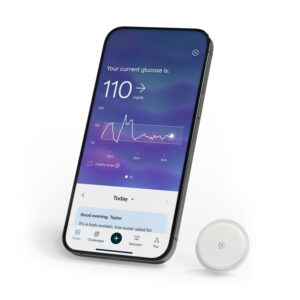
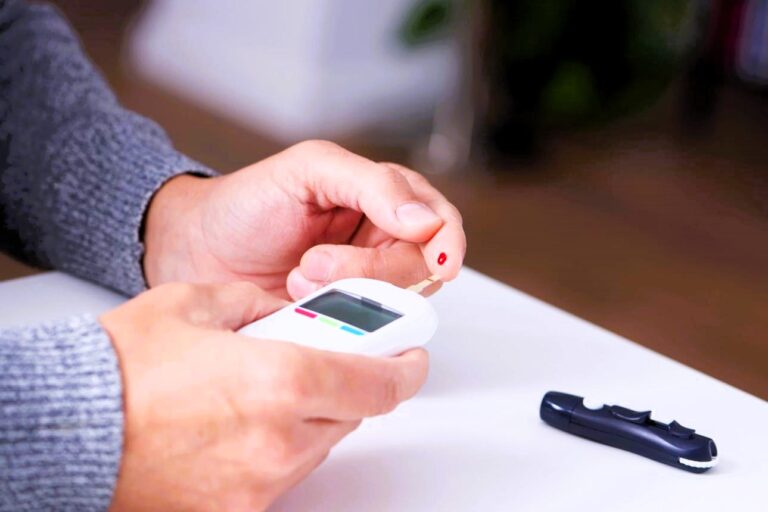
Now, there are Continuous Glucose Monitors (CGMs small devices with a skin patch (sensor) that sticks on your arm or belly. A tiny filament is inserted just under the skin to measure glucose in body fluids every few minutes. It sends real-time data to your phone or a small reader. It gives alerts for high or low sugar, shows trends (like arrow up/down), and reduces the need for finger pricks. Most last 7-14 days, then you change the sensor.
As of December 2025, no company, such as Samsung or Apple, has released a non-invasive (no needle, no skin penetration) glucose monitor. Samsung is working on optical (light-based) technology for future Galaxy Watches, but it’s still in development and not yet available. Apple is also trying, but it’s many years away. So, current options all use a small skin patch with a tiny insertion.
Continuous Glucose Monitors (CGMs) for People with Diabetes: CGM Devices Available Now
1. Abbott FreeStyle Libre 3 (or Libre 3 Plus – newer version with 15-day wear)
How it works: A Small, thin patch on the upper arm. Gives real-time readings every minute to your phone (no need to scan like older models). Optional alarms for high/low.
Wear time: 14-15 days.
Warm-up time: About 60 minutes after applying.
No fingerstick calibration needed.
Price (in USA, without insurance): About $140-230 for 2 sensors (28-30 days supply). Yearly, around $3,000 if paying full.
With insurance: Often low cost or free for many people.
Pros:
Cheapest option.
Smallest and most discreet (hard to notice).
Easy to apply, comfortable.
Widely available in pharmacies.
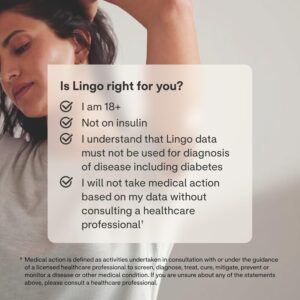
Lingo Continuous Glucose Monitor (CGM) & App1
Good accuracy (one of the best in recent studies).
Cons:
Alarms are optional (not as loud/urgent as some others).
Limited integration with insulin pumps.
Best for: People wanting affordable, simple, low-maintenance monitoring.
2. Dexcom G7 (newest model)
How it works: All-in-one small patch on arm or belly (for kids). Real-time readings every 5 minutes to phone or watch. Strong predictive alerts for lows.
Wear time: 10 days (some versions up to 15 days).
Warm-up time: Only 30 minutes (fastest).
No fingerstick calibration.
Price (without insurance): About $300-500 for 3 sensors (30 days). Yearly, around $4,000+ full price.
With insurance: Often $89/month or less.
Pros:
Very accurate, especially for trends and alerts.
Integrates well with insulin pumps (automatic adjustments).
Works directly with Apple Watch and many phones.
Urgent low alerts soon (predicts lows).
Cons:
More expensive.
Shorter wear time than Libre.
The sensor is a bit bulkier.
Best for: People needing top accuracy, strong alerts, or using insulin pumps.
How it works: Patch sensor, mainly for use with Medtronic insulin pumps (automatic delivery).
Wear time: 7 days.
No calibration is needed in the latest versions.
Price: Similar to Dexcom, around $400+ for a monthly supply (exact varies).
Pros:
Best for detecting lows (great safety for hypoglycemia).
Full integration with Medtronic pumps for automated insulin.
Cons:
Shortest wear time (change more often).
Mainly for pump users; less flexible otherwise.
Not as widely used alone.
Best for: People already using or wanting Medtronic insulin pumps.
4. Eversense 365
How it works: The Doctor implants a small sensor under the skin in the upper arm (minor office procedure). Transmitter on top (removable for shower/swim). Vibes on the body for alerts.
Wear time: Full **1 year** (longest by far).
Price: With a special program for insured people, as low as **$199 per year**. Without, higher due to procedure.
Pros:
No changing sensors often – huge convenience.
– On-body vibration alerts (even if phone away).
Good accuracy, few false lows.
Cons:
Needs a doctor visit for insertion/removal.
Requires some daily calibration early on.
Not as common; fewer users.
Best for: People hating frequent changes and wanting long-term ease.
Prices and Availability Notes
Prices vary a lot: Full cash price is high ($3,000-5,000/year), but most insurance (including Medicare for insulin users) covers CGMs fully or with low copay. Check your plan or doctor.
Availability: All are available in the USA and many countries via prescription from a doctor. Pharmacies like CVS/Walgreens carry Libre and Dexcom easily.
Over-the-counter (no prescription) versions like Dexcom Stelo exist for non-diabetes wellness tracking, but not for medical diabetes management.
Recommendation: Best Deal with Convenience and Availability
For most people wanting good value, convenience, and easy availability, Abbott FreeStyle Libre 3 is the best choice in 2025.
It’s the most affordable (often cheapest with/without insurance).
Super convenient, longest wear (14-15 days), smallest size, easy to get and apply.
Widely available in stores/pharmacies.
Excellent accuracy and real-time phone alerts.
If you need stronger alerts or pump integration, go for Dexcom G7. If you hate changing sensors, Eversense 365 is amazing (but needs a doctor procedure).
Always talk to your doctor first; they can prescribe the best one for you, check insurance coverage, and teach you how to use it. CGMs make diabetes management much easier and safer!
The key shift in modern research: Prevention is far more effective and cheaper than treatment.
This post contains affiliate links, which means I earn a commission if you purchase through these links. This comes at no additional cost to you and helps support the content I create. I only promote products/services I believe in and use myself. Your support is greatly appreciated!
Disclaimer: The content in this article is intended for informational and educational purposes only. It provides insights, tips, and general guidance on health, beauty, and wellness, but it is not a substitute for professional medical advice, diagnosis, or treatment.
Reference Authorities:
World Health Organisation
International Diabetes Federation
“This article is based on global data from WHO, IDF, and peer-reviewed studies on noncommunicable diseases.”