Baba-E-Qaum Quaid-E-Azam Muhammad Ali Jinnah


Merit Matters: Role, Challenges, and Consequences in Governance Introduction Merit, the principle of rewarding individuals based on their qualifications, skills, and achievements, is essential for fair governance, institutional efficiency, and social equity. When merit systems weaken or collapse, especially in…

This book, written in Urdu, explores the deep interconnection between Islamic ideology, the creation of Pakistan, and the cultural-civilizational challenges faced by the nation today. It examines the foundations of Islam as a complete way of life, Pakistan’s ideological background, the role of Islam in the Constitution and state-building, as well as the cultural struggles in modern society. The work concludes with results and practical recommendations, highlighting the urgent need for a committed and trained group—similar to the early Makkan phase of Islam—to carry forward the mission of building a truly Islamic state and society.

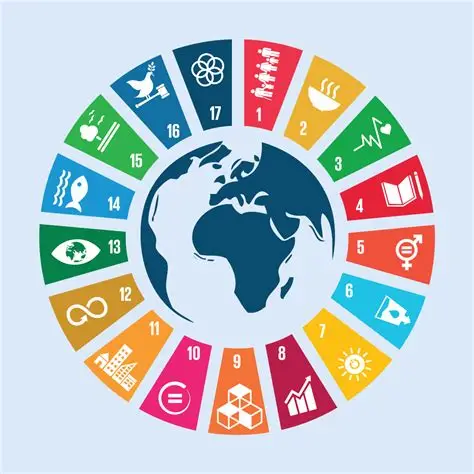
Responsible consumption and production is at the heart of sustainable development. SDG 12 highlights the urgent need to reduce waste, adopt efficient production methods, and promote lifestyles that respect the planet’s finite resources. For Pakistan, where unsustainable consumption patterns, food wastage, energy inefficiencies, and industrial pollution are escalating, this

Cities are at the heart of economic growth but also at the center of inequality, congestion, and environmental degradation. SDG 11 calls for sustainable cities and communities that are inclusive, safe, resilient, and environmentally balanced. For Pakistan, rapid urbanization poses unique challenges: overpopulation in cities, housing shortages, poor infrastructure, and vulnerability to climate change. Yet, Islamic principles of just resource use, community solidarity, and urban planning provide a vision for livable and humane cities.

SDG 10 calls for reducing inequality within and among countries by addressing income gaps, social exclusion, and unequal access to services and justice. While many nations are working to expand social protection and inclusive growth, Pakistan continues to face disparities across income, gender, geography, education, disability, and digital access. This article outlines the global vision of SDG 10, diagnoses Pakistan’s inequality puzzle, and proposes reforms informed by Islamic principles of justice and compassion, alongside pragmatic economic measures.


SDG 9 focuses on building resilient infrastructure, promoting sustainable industrialization, and fostering innovation. While global economies are advancing in technology, smart infrastructure, and green industries, Pakistan lags behind due to outdated systems, low investment in research, and weak industrial policy. This article examines the global significance of SDG 9, Pakistan’s challenges, and the urgent need for industrial revival rooted in Islamic ethics, economic wisdom, and strategic planning.