Can I Vote Without My Voter Card? 2026 U.S. Guide
Can I Vote Without My Voter Card?
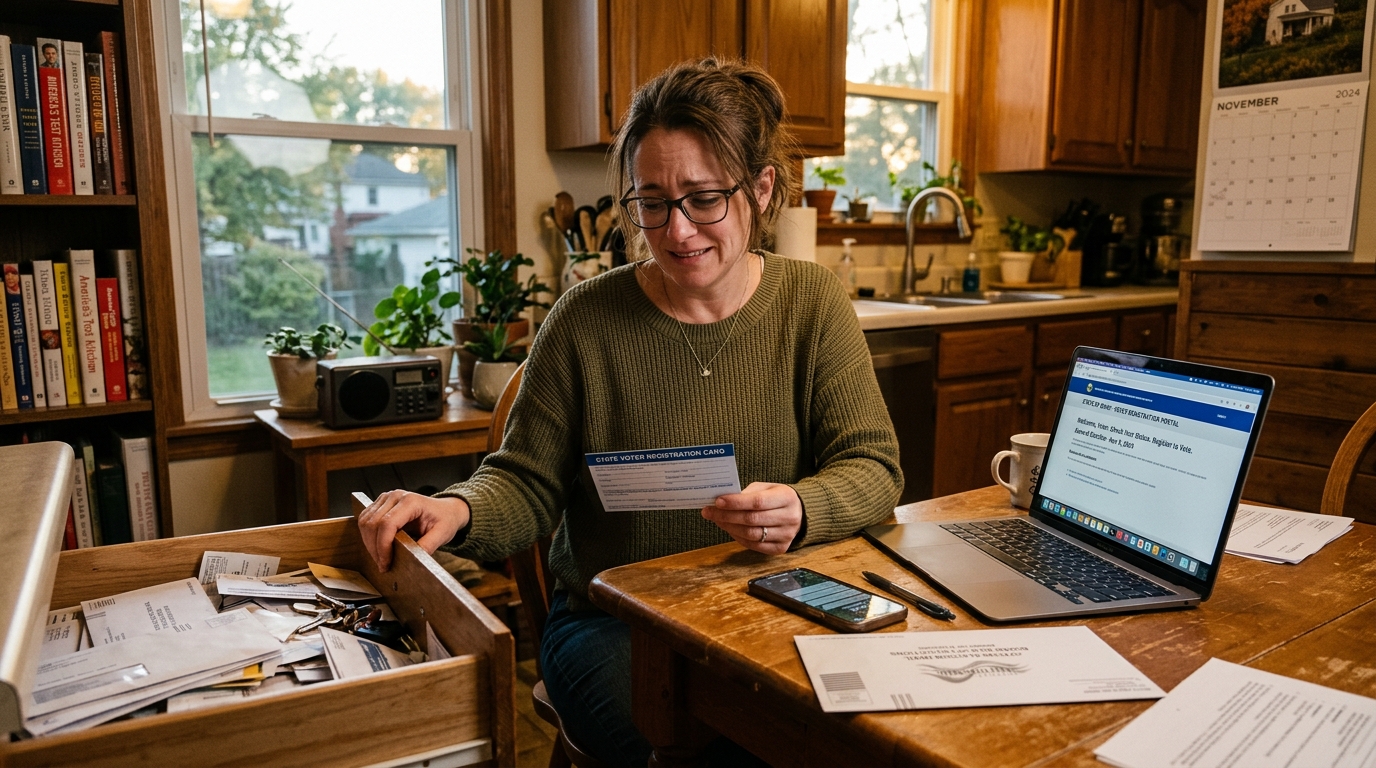
You search through the drawer.
Nothing.
You check the kitchen counter.
Nothing.
Then you remember.
Your voter registration card is gone.
Now the panic starts.
“Can I still vote?”
Yes, in most cases, losing your voter registration card does not mean losing your right to vote.
The card confirms that you are registered. It is not, by itself, your ticket into the voting booth.
But there is an important catch.
Your state may require you to show identification when voting in person.
That is a different question.
So let’s separate the two issues before Election Day turns into an unnecessary headache.
https://mrpo.pk/2026-us-midterm-elections/
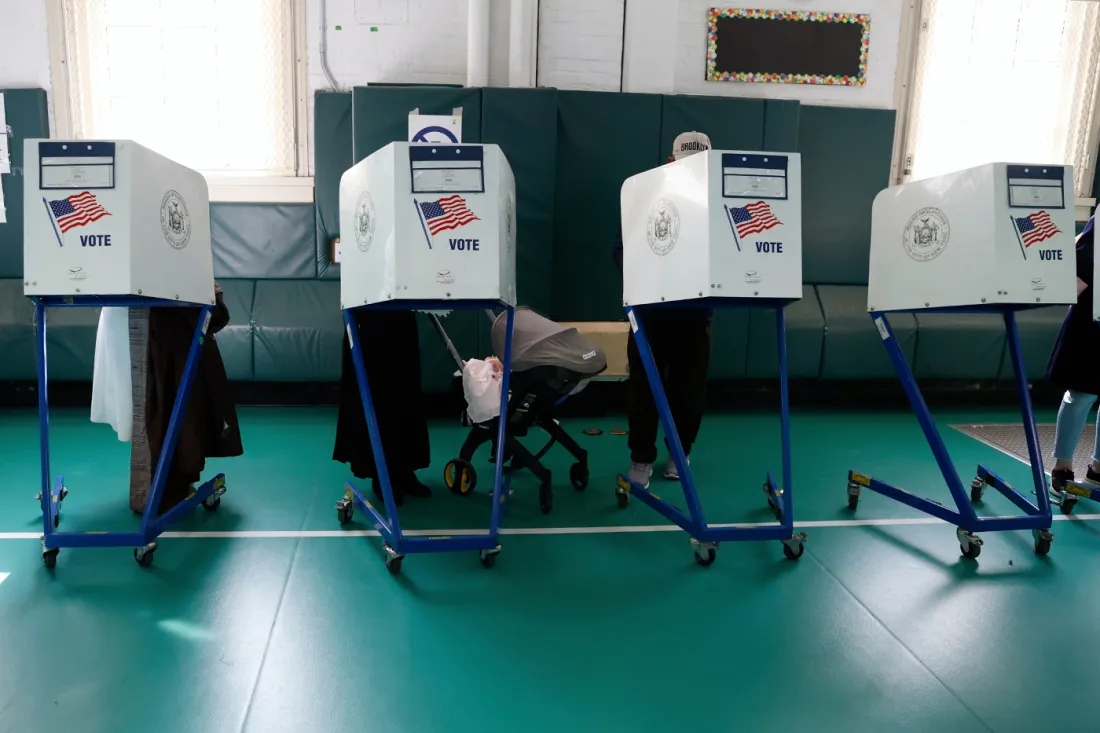
Voter ID laws in the United States are laws that require a person to provide some form of official identification before they are permitted to register to vote, receive a ballot for an election, or actually vote in elections in the United States.
Do I Actually Need My Voter Registration Card?
No.
Vote.gov explicitly says you do not need to have your voter registration card with you in order to vote. However, your state may require another form of identification.
That distinction is worth remembering:
Registration card ≠ voter ID.
Your registration card generally confirms that you are registered.
Your state’s voter ID rules determine whether you must present identification when voting.
Confusing these two things creates a lot of unnecessary fear.
What Is a Voter Registration Card?
When you register to vote or update your registration, your state or local election authority may send you a voter registration card.
It can contain information such as:
- Your Name
- Your Address
- Your Registration Status
- Your Voting District
- Your Party Affiliation, Where Applicable
- Your Polling Location or Other Election Information
The exact information varies.
Think of it as a confirmation document.
It tells you that your registration has been recorded.
It does not necessarily function as your identification at the polls.
What If I Lost My Voter Card?
First, don’t panic.
You do not normally need to replace the physical card simply because you lost it.
Instead, check your voter registration through your state’s official election website.
Vote.gov provides access to state-specific voter information, including registration checking and updating.
If your registration is active and your information is correct, losing the card itself should not prevent you from voting.
The bigger question is whether your state requires another form of identification.
What If I Never Received a Voter Card?
The same basic principle applies.
Not receiving a physical card does not automatically mean you are not registered.
Check your registration status.
If your state’s system confirms that you are registered, follow the voting instructions for your jurisdiction.
If you cannot find your registration, contact your state or local election office.
Do not wait until Election Day to discover that something needs correcting.
Is a Voter Registration Card the Same as Voter ID?
No.
This is probably the most important distinction in this article.
A voter registration card confirms your registration.
A voter ID is identification required under the laws of a particular state.
Some states require identification for in-person voting.
Others have different procedures.
Vote.gov confirms that voter ID requirements are established by each state and territory.
So someone who tells you:
“You can’t vote without your voter card.”
May be confusing registration documentation with voter identification.
The actual rule depends on your state.
Can I Vote Without Any Identification?
That is a different question.
Whether you can vote without identification depends on your state’s law and the circumstances.
Some states require specific forms of ID.
Other states use different verification procedures.
Some provide alternatives when a voter does not have the normally requested identification.
Because these rules vary, never rely on a national generalization.
Check your state’s requirements before Election Day.
What If I Have My Voter Card but No Photo ID?
Having the voter card may not solve the problem if your state requires a particular form of identification.
The voter registration card and voter ID requirements serve different purposes.
If your state requires photo identification, for example, having a registration card does not necessarily substitute for it.
But the reverse is also important.
In a state that does not require that type of identification, you may not need a voter registration card at all.
Know the rules where you vote.
What Identification Might My State Accept?
There is no universal national list.
Depending on state law, acceptable identification may include certain government-issued documents or other forms of identification.
Some states have strict lists.
Others provide broader alternatives.
Some states also have procedures for voters who cannot produce the normally required identification.
This is why articles that say “America requires X ID” can be misleading.
America does not have a single voter ID rule.
States do.
What If My ID Has an Old Address?
This is another situation where state rules matter.
A voter may have moved but still possess a driver’s license showing an old address.
That does not automatically answer whether the person can vote.
The relevant question is what the state requires and whether the voter has updated the necessary information.
If you recently moved, check both:
Your voter registration.
Your identification requirements.
Don’t assume that an address mismatch automatically means you cannot vote.
What If My Name on My ID Is Different?
This can happen after marriage, divorce, or another legal name change.
For example, your voter registration may show your married name while an older identification document still shows your previous name.
The effect depends on state law and the circumstances.
If your name has changed, update your voter registration as soon as possible.
The National Mail Voter Registration Form can be used to report a change of name or address, subject to state-specific instructions.
If you are unsure whether your documents will be accepted, contact your election office before Election Day.
What If I Moved and Lost My Voter Card?
This creates two separate issues.
First, your physical card is missing.
That is usually not a serious problem.
Second, your address may have changed.
That is the issue you need to solve.
Check your registration.
Make sure your current address is recorded correctly.
Confirm your polling location.
Then check your state’s identification requirements.
The U.S. Election Assistance Commission recommends updating voter registration after moving and provides state-specific guidance for doing so.
What If My Registration Is Active but My Card Has the Wrong Address?
Don’t ignore it.
An incorrect address can affect your voting district and polling location.
Update the registration according to your state’s procedure.
The National Mail Voter Registration Form can be used to report an address change, but the EAC emphasizes that voters must follow their state’s specific instructions.
The goal is not to possess a perfect piece of paper.
The goal is to have an accurate voter-registration record.
Can I Get a Replacement Voter Card?
Often, yes.
The exact process varies by state or local election authority.
Some jurisdictions provide online services.
Others may require you to contact the election office.
But remember:
You may not need a replacement card to vote.
If your registration is active, the missing card itself may not be a problem. Check your registration first.
What If I Don’t Remember Whether I’m Registered?
This is easy to fix.
Check.
Vote.gov directs voters to their state or territory’s official registration information.
You don’t need to spend three hours wondering whether you registered six years ago.
You don’t need to search old emails.
You don’t need to ask your neighbor.
Use the official voter-registration lookup.
What If the Website Says I’m Not Registered?
Don’t immediately assume the system has erased you.
Check that you entered your information correctly.
Confirm that you are searching the correct state.
If the problem remains, contact your state or local election office.
You may have:
- Moved
- Changed Your Name
- Registered Under Different Information
- Missed a Registration Update
- Encountered an Administrative Issue
- Registered Too Recently for the System to Reflect the Change
The earlier you discover the problem, the more options you may have.
What If My Registration Is Pending?
A pending registration does not necessarily mean you cannot vote.
It means the registration process may not yet be complete.
The exact meaning of “pending” varies by jurisdiction.
Contact your election office and ask what remains to be done and whether you are eligible to vote in the upcoming election.
Again, timing matters.
Don’t wait until the polls open.
Can Someone Else Check My Registration for Me?
They can help you navigate the process, but be careful with your personal information.
Election registration records can contain personal information and are subject to state-specific privacy rules.
Use official websites.
Be cautious about giving strangers personal information.
And be particularly suspicious of messages asking you to “verify” your voter registration through an unfamiliar link.
The Election Assistance Commission has previously warned about phishing attempts impersonating election authorities.
A fake voter-registration website can create a much bigger problem than a lost voter card.
What If Someone Sends Me a Message Saying My Registration Is Invalid?
Don’t click immediately.
Election scams often work because they create urgency.
A message may say:
“Your registration is about to be cancelled.”
Or:
“Verify your voter information immediately.”
Or:
“Your voter card has expired.”
The natural reaction is to click.
Don’t.
Go directly to the official state election website instead.
Type the official website address yourself or start through Vote.gov.
Don’t let fear choose your website for you.
What Should I Do If My Voter Card Is Lost Before Election Day?
Use this simple checklist.
Step 1: Check Your Registration
Confirm that you are registered.
Step 2: Check Your Address
Make sure your current voting address is correct.
Step 3: Find Your Polling Location
Don’t assume it is the same place you used in the previous election.
Step 4: Check Your State’s ID Rules
Determine whether identification is required and what forms are accepted.
Step 5: Prepare Your Identification
If your state requires ID, make sure you have the correct document.
Step 6: Save Official Confirmation
If you update your registration online, keep the confirmation.
Step 7: Contact Election Officials If Anything Looks Wrong
Don’t rely on social media for a legal answer.
Ask the people responsible for administering the election.
What If I Arrive at the Polls Without My Voter Card?
Stay calm.
You are not automatically disqualified.
Tell the poll worker that you do not have your registration card.
They can explain the applicable procedure.
You may be asked to provide another form of identification depending on state law.
If there is a registration problem, ask what options are available under your state’s rules.
In some circumstances, provisional voting may be available.
The key is to ask rather than assume.
What Is a Provisional Ballot?
A provisional ballot is a safeguard used when there is uncertainty about a voter’s eligibility or registration that cannot immediately be resolved.
It allows the election process to record the person’s vote while officials later determine whether the ballot can be counted under applicable law.
The exact rules vary by state.
A provisional ballot is not a substitute for preparing properly.
It is a protection against certain problems.
Think of it as the election system’s emergency lane.
Useful when necessary.
Not something you want to plan your entire journey around.
Can I Vote Without a Voter Card in Every State?
The general answer is yes: you do not need your voter registration card simply to establish that you can vote.
But the procedure at the polling place can differ by state.
That distinction is crucial.
You may not need the card.
You may still need identification.
You may need to confirm your address.
You may encounter a different procedure if your registration record cannot be found.
State law controls these details.
Why Does the Confusion Continue?
Because the words sound interchangeable.
“Registration.”
“Identification.”
“Voter card.”
“Voter ID.”
They are not the same thing.
A voter can be properly registered without carrying a voter registration card.
A voter can have identification without being registered.
A voter can also be registered but have outdated information.
That’s why checking your registration is more useful than worrying about the physical card.
A Real-Life Example
Let’s take James.
James registered to vote several years ago.
His state mailed him a voter registration card.
He put it somewhere safe.
Unfortunately, it became so safe that nobody can find it.
Election Day approaches.
James starts worrying.
Then he checks his registration online.
It shows:
Active.
His address is correct.
His polling location is listed.
He checks his state’s identification rules and confirms what he needs to bring.
The missing card suddenly becomes what it always was:
A piece of paper he doesn’t need to carry to the polls.
Now consider another voter, Lisa.
Lisa also lost her card.
But she moved six months ago.
She never updated her voter registration.
Her problem isn’t the missing card.
Her problem is the outdated registration.
That distinction could make all the difference.
The Smartest Thing You Can Do
If you have lost your voter registration card, don’t waste your energy trying to find it first.
Check your registration.
That is the important part.
Confirm your:
- Name
- Address
- Registration Status
- Voting Location
- Applicable Identification Requirements
If everything is correct, you have already solved the bigger problem.
The Bottom Line
Losing your voter registration card is inconvenient.
It is usually not catastrophic.
Your right to vote does not normally depend on keeping a small piece of paper in a drawer for the rest of your life.
What matters is your registration status and compliance with the voting rules where you live.
So if your voter card has disappeared, take a breath.
Check your registration.
Update anything wrong.
Check your state’s ID requirements.
Find your polling place.
Then get ready to vote.
The card can stay lost.
Your vote doesn’t have to.
Frequently Asked Questions
1. Can I vote without my voter registration card?
Yes. Vote.gov states that you do not need your voter registration card with you to vote, although your state may require another form of identification.
2. Is a voter registration card the same as a voter ID?
No. A registration card confirms your voter registration, while voter ID requirements concern identification needed under the laws of your state or territory.
3. What should I do if I never received my voter card?
Check your voter registration through your state’s official election website. If you cannot confirm your registration, contact your state or local election office.
4. Can I vote if my voter card has my old address?
Possibly, but you should update your registration if you have moved. Your address can determine your voting district and polling location, and state rules determine what you can do if your registration is outdated.
5. What if I have no voter card and no ID?
The answer depends on your state’s voter ID rules and the circumstances. Some states provide alternative procedures, so check your state’s official election information before Election Day.
6. Can I get a replacement voter registration card?
Many states or local jurisdictions provide ways to obtain or request a replacement card, but you may not need one to vote. Check your state’s election website for its procedure.
References
- Vote.gov — Register to Vote
- Vote.gov — Preparing to Vote
- Vote.gov — Voter Identification Requirements
- U.S. Election Assistance Commission — Voter FAQs
- U.S. Election Assistance Commission — National Mail Voter Registration Form
- U.S. Election Assistance Commission — Voter Registration List Maintenance
- U.S. Election Assistance Commission — Voter Registration Cancellations
Author
Maj Hamid Mahmood (Retired) holds an MA in Political Science, an LLB, and a PGD (HRM). His military background, academic training in political science, and legal education provide a multidisciplinary perspective for examining political developments, elections, democratic institutions, and the practical realities of civic participation.