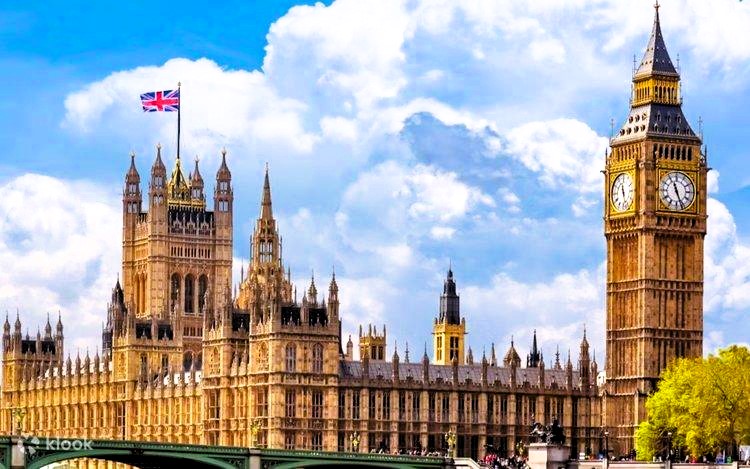
Will Britain Rejoin the EU? The Latest Developments, Political Risks and Economic Stakes
Will Britain Rejoin the EU? Britain voted to leave the European Union in 2016. A decade later, the question is no longer limited to whether Brexit was the right decision. It is increasingly about what kind of relationship Britain should have with Europe next.
https://mrpo.pk/brexit-explained/
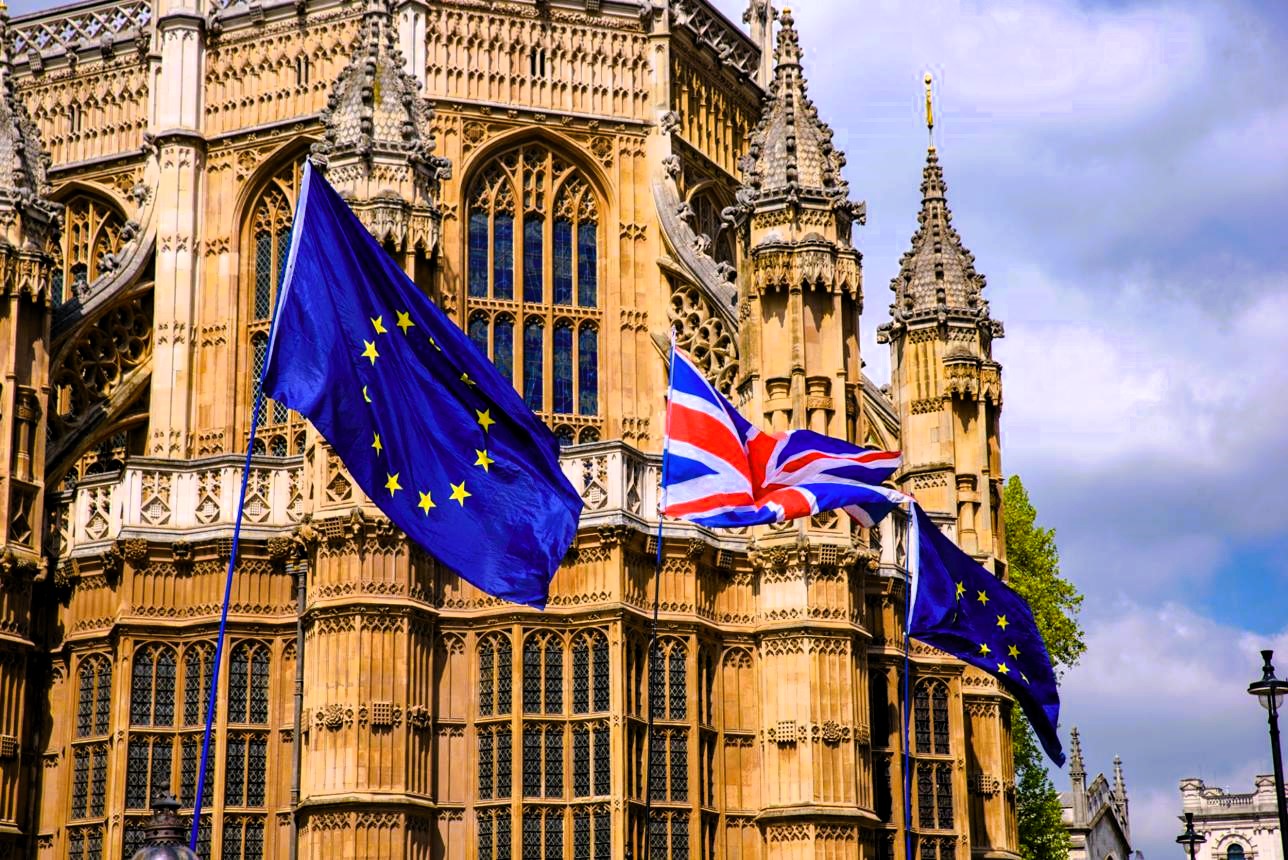
In September and October 2026, the debate took a significant political turn. Prime Minister Andy Burnham publicly argued that Britain should examine its future relationship with the EU, including the possibility of rejoining. His comments went beyond a narrow discussion of technical adjustments and reopened a question that successive governments had handled cautiously.
But a political statement is not a membership application. Nor does growing public support for closer European ties necessarily mean that voters agree on the terms of full membership.
Britain could pursue a limited reset, seek a customs arrangement, return to the single market, or eventually apply to rejoin the EU. Each option would involve different economic benefits, political compromises and legal requirements.
The real issue is not simply whether Britain can return. It is whether the government, British voters and the EU can agree on what returning would mean.
Purpose of This Article
This article explains the difference between closer cooperation and full EU membership. It assesses the political signals emerging in 2026, the potential benefits and costs of rejoining, the conditions Britain might face, and the developments that readers should watch.
Executive Perspective
Britain has not automatically rejoined the EU, and a public expression of interest does not mean negotiations on full membership have begun.
The latest reported political shift is significant because the UK government is openly considering a wider range of long-term options. The immediate prospect is closer cooperation, not an instant return to membership.
Rejoining would require a formal political decision, a legal application, negotiations with the EU and unanimous approval by its member states. Britain would also have to decide whether it was willing to accept the obligations associated with membership rather than seek the benefits while rejecting the difficult compromises.
1. What Has Changed in the UK’s Position?
1.1 The Prime Minister Has Opened the Debate
At the end of September 2026, Prime Minister Andy Burnham called for Britain to examine its long-term relationship with the EU, including the possibility of rejoining. Reuters reported that he described Brexit as having done more harm than good and argued that the country should assess its future options.
In October, Burnham reiterated the need to explore closer ties. According to Reuters, a UK-EU summit was planned for 20 November 2026, with potential areas of cooperation including food and drink standards, youth mobility, emissions trading and electricity-market links.
These are meaningful developments because they shift the debate from whether the relationship should change to which changes could be negotiated.
However, the summit is not itself a rejoining negotiation. Discussions about practical cooperation can occur while the UK remains outside the EU.
1.2 European Leaders Have Signalled Openness
The prospect of a closer relationship has received a welcoming response from some European politicians.
In October, French Finance Minister Roland Lescure publicly invited Britain to return to the EU, while emphasising that the British people would have to make the decision. The report also noted that the EU would not necessarily accept a British demand to select only the benefits it wanted.
This highlights two separate questions.
First, does the EU have an interest in stronger relations with Britain? Yes. Britain remains important to European security, trade, finance, research and diplomacy.
Second, would the EU agree to restore Britain’s former membership terms without change? That is a different question. The conditions of any future membership would need to be negotiated, and other member states would have a say.
1.3 Why the Timing Matters
The debate has returned in a difficult international environment. European countries face security threats, economic competition, pressure on public finances and uncertainty about the wider international order.
Britain and the EU have strong reasons to cooperate on defence, cyber-security, energy, industrial policy and trade. A closer relationship could reduce friction in some areas without requiring an immediate decision on full membership.
At the same time, Britain must consider whether the political energy spent reopening Brexit would be better used to address domestic problems such as housing, productivity, public services, skills and investment.
That is the central political calculation: closer European ties may help, but they cannot substitute for effective domestic policy.
2. What Do British Voters Want Now?
Public opinion is an important part of the debate, but polls must be interpreted carefully.
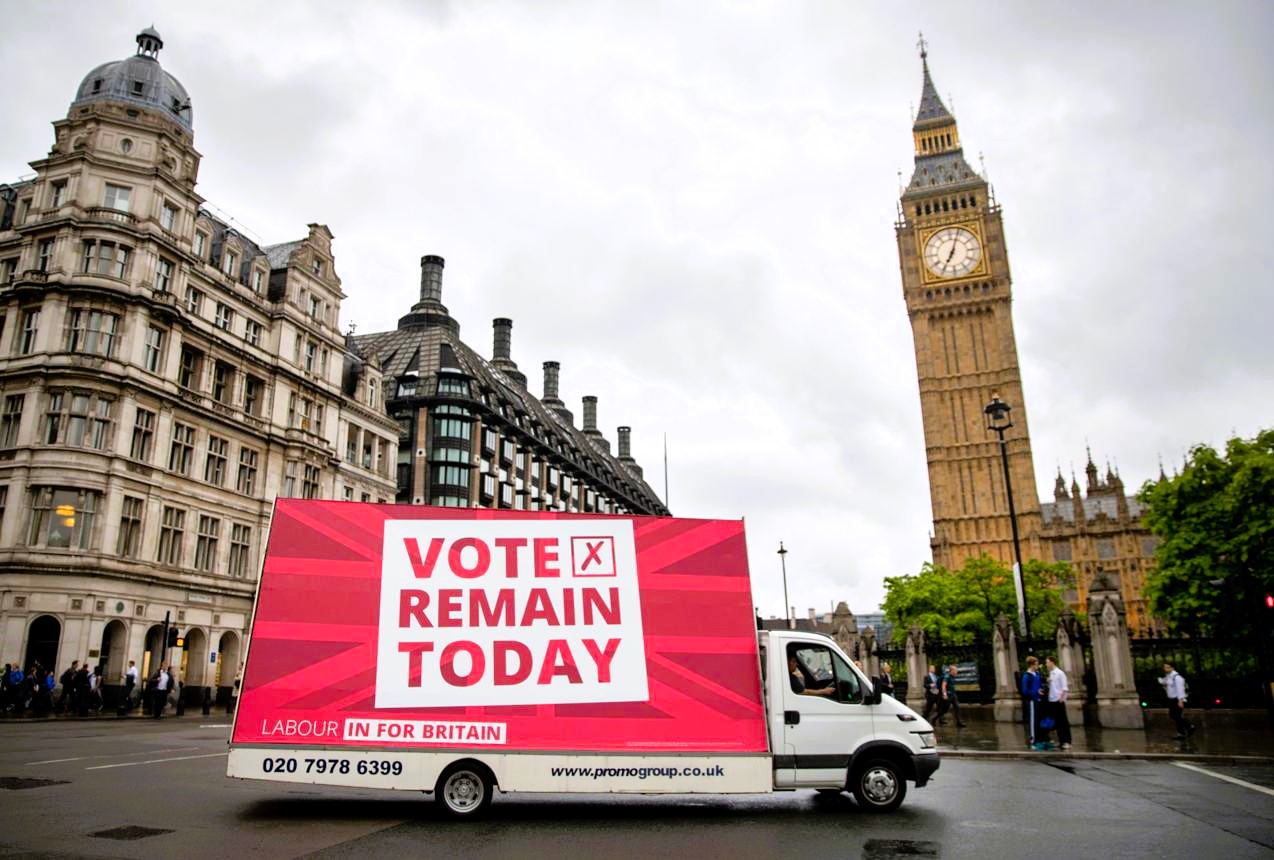
2.1 Support for Closer Ties Is Not the Same as Support for Rejoining
A YouGov tracker updated on 30 September 2026 found that 73% supported a closer relationship with the EU that did not involve rejoining the EU, the single market or the customs union. This suggests substantial support for cooperation without full reintegration.
A separate large poll reported by The Guardian in October asked respondents to choose among different future arrangements. It found 49% in favour of rejoining and 28.5% against. Other options, including cutting trade barriers, a customs union and single-market membership, also attracted support.
These findings are not necessarily contradictory. They ask about different scenarios, use different question wording and may measure different choices.
They also reveal an important complication: voters may agree that Brexit has created problems while disagreeing about how to fix them.
Some want full membership. Others prefer easier trade, closer security cooperation, or a customs arrangement. Some want no further integration at all.
2.2 The Referendum Question Would Be Harder Than It Looks
A future referendum, if one were proposed, would need to address more than a simple desire to reverse Brexit.
Voters would want to know:
-
What would membership cost?
-
Would freedom of movement return?
-
Would Britain have to accept EU rules in areas it currently controls?
-
Would the pound remain the national currency?
-
What would happen to border arrangements and Northern Ireland?
-
What economic improvements could reasonably be expected?
-
Would the EU offer the same terms Britain previously enjoyed?
A poll showing support for rejoining cannot answer these questions by itself.
The political lesson: Support for change creates an opportunity for debate, not a blank cheque for any particular settlement.
3. Britain Has More Than Two Choices
The future is not limited to the current relationship or full EU membership. Several arrangements are possible, although each has different requirements and limits.
| Option | What could it mean | Main benefit | Main trade-off |
|---|---|---|---|
| Current relationship with a reset | Keep the existing framework while negotiating targeted agreements | Lower political and legal disruption | Some major trade barriers remain |
| Closer sector-by-sector cooperation | Agreements on food standards, energy, research, security, or mobility | Practical benefits in selected areas | Does not restore full single-market access |
| Customs union | Closer alignment on goods tariffs with common external arrangements | Could reduce some barriers to goods trade | Limits independent trade-policy choices and does not, by itself, remove all checks |
| Single-market participation | Broad participation in common market rules for relevant sectors | Greater market access and regulatory alignment | Requires accepting relevant rules and oversight; may involve movement-related obligations |
| Full EU membership | Rejoin the EU under negotiated accession terms | Broadest formal participation in EU institutions and the single market | Requires major political, economic and legal compromises |
These are not interchangeable options. A customs union is not the same as the single market, and neither is the same as full membership.
A customs union can reduce some tariff-related complications, but it does not automatically eliminate regulatory checks, service barriers, or every customs procedure.
Single-market participation can provide much broader access, but it involves compliance with common rules and relevant institutional arrangements.
Full membership offers a seat in EU institutions, but it also brings obligations. Britain would need to negotiate the terms rather than assume that its previous position could simply be restored.
4. The Economic Case for a Closer Relationship
The economic argument for reconsidering Brexit centres on trade, investment, productivity and the costs of regulatory divergence.
4.1 Europe Remains Britain’s Most Important Trading Relationship
In 2025, UK exports of goods and services to the EU were approximately £384 billion, or 41% of all UK exports. Imports from the EU were approximately £472 billion, equal to 50% of UK imports, according to the House of Commons Library.
These figures demonstrate the scale of the relationship. They do not, by themselves, prove that rejoining would be the best option. They show why the costs of cross-border friction deserve serious attention.
A British manufacturer selling to several European countries may need to meet product rules, provide customs documentation and establish that goods qualify for preferential tariff treatment.
A small food producer may find export certification too expensive. A large company may absorb the cost, but the additional administration still uses time and money.
Closer alignment could reduce some of these burdens. The scale of the benefit would depend on the exact agreement and the sectors covered.
4.2 The Productivity Challenge
The UK Office for Budget Responsibility estimates that the post-Brexit trading relationship will reduce long-run productivity by around 4% compared with the counterfactual of remaining in the EU. It attributes much of this assessment to the effect of higher non-tariff barriers on trade.
This matters because productivity helps determine wages, business profits and the tax base available to fund public services.
However, the estimate is not a prediction that rejoining would instantly raise productivity by 4%. It is a long-run comparison against an alternative path. The actual outcome of any new agreement would depend on its scope, implementation and the wider economy.
Nor can a new relationship fix every British economic weakness. Low investment, planning constraints, skills shortages, infrastructure problems and domestic policy decisions also affect productivity.
The economic test: Would the proposed agreement remove enough friction and encourage enough investment to justify its financial, regulatory and political costs?
4.3 Trade in Goods and Trade in Services Are Different
Goods trade is often the most visible part of the debate, but Britain is also a major services economy.
Banks, insurers, consultants, technology companies, universities and professional services firms may face different rules from manufacturers and food exporters.
Restoring closer trade in goods would not automatically restore all former rights for financial services or other professional activities.
Likewise, an agreement that improves the position of service providers may not remove border checks on food or industrial products.
A serious UK-EU negotiation would need to consider these differences rather than promise that one agreement could solve every problem.
5. What Would Britain Gain by Rejoining?
Full membership could provide benefits beyond a reduction in trade friction. But those benefits would depend on the terms negotiated and how British businesses and institutions used them.
5.1 A Formal Voice in EU Decision-Making
Outside the EU, Britain can make its own decisions, but it has no vote as a member state in EU institutions.
Rejoining would restore participation in the EU’s political and legislative processes under the rules applicable to its members.
This is strategically important because EU rules can affect British exporters even when Britain is not involved in making them.
However, membership would also require compromise. Britain would be one member among many, not an external power able to dictate the terms.
5.2 More Predictable Market Access
Full membership would restore participation in the single market under the relevant rules and obligations.
This could reduce some of the barriers that businesses face under the current relationship, improve predictability and make certain cross-border supply chains easier to manage.
But the scale of the economic benefit would vary by sector. Some firms have adapted successfully to Brexit, while others have faced greater costs. Not every company would experience the same change.
5.3 Cooperation in Research, Education and Innovation
European research networks can support universities, scientific projects, technology companies and cross-border innovation.
Britain has continued to participate in some European programmes through negotiated arrangements. Full membership could provide a different level of participation in the EU framework, but the details would depend on the terms of re-entry.
The benefit would not arise simply from signing a membership treaty. Britain would need to fund, organise and use the opportunities effectively.
5.4 Stronger Coordination on Energy and Security
The UK and EU share interests in energy resilience, cyber-security, defence cooperation, counterterrorism and the security of European infrastructure.
Britain remains a NATO member and a major European military power. Rejoining the EU would not replace NATO, nor would it automatically solve every security problem.
However, membership could make certain forms of coordination more direct by placing Britain inside EU institutions and programmes where relevant.
6. What Would Britain Risk or Have to Give Up?
A credible analysis must address the difficult side of rejoining. Political supporters may emphasise the economic benefits, but voters would also need to understand the obligations.
6.1 Freedom of Movement
EU membership generally includes the principle of free movement of EU citizens under the applicable rules.
A return to membership would therefore raise difficult questions about immigration policy. The exact arrangements would depend on the accession terms and the EU legal framework.
Britain would need to explain how it would balance access to workers and skills against public concerns about housing, services and migration levels.
It would be misleading to promise full membership benefits while assuming that every previous obligation could be excluded.
6.2 Budget Contributions
Membership would involve financial contributions under the applicable EU budget arrangements.
The final financial terms would need to be negotiated, and Britain’s net contribution would depend on the budget framework, any agreed adjustments and the funds it received.
The relevant comparison is not simply between a contribution and zero. It is between the full costs and benefits of membership and the costs and benefits of the alternatives.
6.3 Regulatory Alignment
Participation in the single market requires compliance with relevant common rules.
For some British businesses, this would reduce uncertainty and duplication. For the government, it could reduce freedom to diverge from EU rules in areas covered by the agreement.
The political challenge would be to explain why some common rules are worth accepting in exchange for access and influence.
6.4 The Pound and the Euro
Britain retained the pound after leaving the EU. The question of whether a future member would have to adopt the euro is politically sensitive.
EU membership does not mean a country immediately replaces its currency with the euro, but the UK could not simply assume that all its previous special arrangements would be restored unchanged. Any accession terms would need to be negotiated within the EU framework, and the applicable legal commitments would matter.
The government would need to explain the legal and economic position clearly rather than allow campaign slogans to substitute for details.
6.5 Domestic Political Division
Rejoining could reopen the divisions that Brexit was supposed to settle.
Some voters would welcome a return. Others would see it as disregarding the 2016 referendum. Businesses could face another period of uncertainty if negotiations were prolonged or if political support changed during the process.
A durable settlement would require a credible public mandate, transparent terms and a realistic account of the costs.
7. Would the EU Want Britain Back?
The EU has reasons to welcome stronger relations with Britain. It also has reasons to insist on clear rules.
Britain is a major economy, a nuclear-armed state, a permanent member of the UN Security Council, a NATO ally and an important partner in European security. It has major universities, financial institutions and scientific capabilities.
Those strengths could make closer cooperation attractive.
But the EU’s single market depends on common rules. If Britain sought the advantages of membership while rejecting the obligations that other members accept, it could create a difficult precedent.
French officials have indicated openness to Britain returning, while stressing that membership would not simply allow the UK to pick and choose its preferred benefits.
The EU would also need to consider the views of its member states, its own budget, institutional arrangements and the wider political consequences.
The likely reality: European leaders may welcome a closer partnership while still requiring Britain to negotiate seriously over the obligations of full membership.
8. Could Britain Rejoin Quickly?
Rejoining is legally possible, but it would not be automatic.
A country seeking EU membership applies under Article 49 of the Treaty on European Union. Accession involves assessment, negotiations and agreement by EU member states. The process requires unanimity at key stages and ratification under the applicable national procedures.
Britain would also need to determine its own negotiating position.
Questions would include the future of budget contributions, movement rights, regulatory obligations, institutional participation, the pound and any special arrangements Britain might seek.
Some pro-European advocates argue that a politically aligned UK and EU could move more quickly than expected. But an optimistic political timetable is not the same as a completed legal process.
A single parliament could provide time to make substantial progress under favourable conditions. It would not guarantee that every negotiation and ratification hurdle could be completed in that period.
The most realistic approach is to separate three milestones:
-
A political decision: Britain decides that full membership is its objective.
-
A negotiated settlement: The UK and EU agree on terms acceptable to both sides.
-
Legal completion: The required approvals and ratifications are secured.
Until those steps are taken, claims that Britain is definitely returning should be treated with caution.
9. What Would Rejoining Mean for Northern Ireland?
Northern Ireland is one of the most sensitive parts of the Brexit debate.
Before Brexit, the UK and Ireland were both members of the EU, and the wider framework helped support cross-border trade without the same external customs complications.
After Brexit, arrangements were needed to protect the peace process and avoid a hard border on the island of Ireland while also addressing the UK’s departure from the EU customs and regulatory framework.
These arrangements have created political and practical tensions.
A closer UK-EU relationship could simplify some aspects of trade and reduce certain frictions, depending on the agreements reached. Full membership could change the wider context more substantially.
However, it would be wrong to assume that rejoining alone would automatically resolve every constitutional or political disagreement in Northern Ireland. Local consent, the Good Friday Agreement, UK-Ireland relations and the details of any settlement would remain important.

What Would Rejoining Mean for Northern Ireland?
10. The United States, China and Europe’s Strategic Future
The UK-EU debate is not only about trade paperwork or domestic politics. It also concerns Europe’s position in a more competitive world.
The United States remains Britain’s key security ally through NATO and a major economic partner. China is a significant global competitor and trading power. European countries face questions about defence spending, supply chains, technology, energy and economic resilience.
Britain can cooperate with European countries without being an EU member, and it already does so through NATO and other international arrangements.
But full EU membership would give Britain a formal role in the EU’s internal decision-making that it currently lacks.
The strategic calculation involves balancing several relationships. Britain would need to maintain strong ties with the United States, manage competition and trade with China, and work with European partners on shared security and economic challenges.
Rejoining would not automatically make Britain more powerful in every international arena. Its impact would depend on how effectively Britain and the EU used their combined resources.
11. Three Possible Futures for Britain and the EU
Scenario One: A Pragmatic Reset
Britain remains outside the EU but negotiates targeted agreements on food standards, youth mobility, energy, emissions trading, research and security.
This option may be politically easier because it avoids immediately reopening the full membership question. It could deliver practical benefits in selected areas.
Its limitation is that a series of narrow agreements would not recreate the full single market or restore Britain’s vote in EU institutions.
Scenario Two: Deeper Integration Without Full Membership
Britain pursues a customs arrangement or broader single-market participation.
This could reduce some trade barriers, but it would require more alignment with EU rules and could limit the government’s freedom in certain areas.
It would also require political agreement on the obligations that accompany access. The closer the relationship becomes, the more important those trade-offs are likely to become.
Scenario Three: A Formal Return to Membership
Britain decides that full membership offers the best long-term balance of economic access, political influence and strategic cooperation.
This would require a formal application and a negotiated accession process. It could take years, and the terms would be a major political issue at home and across the EU.
The principal advantage would be comprehensive participation in the EU framework. The principal challenge would be persuading the British public and EU member states that the benefits justify the commitments.
None of these scenarios is guaranteed. The outcome will depend on political decisions, economic evidence, public opinion and the willingness of both sides to compromise.
12. What Should Readers Watch Next?
The following developments would help indicate whether the UK is moving towards a practical reset or a more fundamental change.
-
The November 2026 Summit: Watch for concrete agreements, deadlines and implementation plans rather than general statements about friendship.
-
The Government’s Formal Position: A clear commitment to negotiate full membership would be different from a promise to explore options.
-
Public Opinion: Polls should distinguish support for closer ties, a customs union, single-market participation and full membership.
-
The EU’s Response: European leaders’ willingness to cooperate does not by itself settle the terms of future membership.
-
Economic Evidence: Look for measured changes in trade costs, investment, productivity and business confidence rather than assuming every improvement or setback is caused by Brexit.
-
Political Commitments: Election manifestos, parliamentary debates and any proposal for a public vote would show whether the issue is moving from discussion to formal policy.
The most important signal will be the gap between rhetoric and implementation. A government can support closer ties without choosing full membership, and a summit can produce practical agreements without launching accession negotiations.
Conclusion: Is Britain Really Heading Back to Europe?
The debate over Britain’s future with the EU has entered a new phase. In late September and October 2026, Prime Minister Andy Burnham’s reported willingness to consider rejoining helped move the subject from political caution to open discussion. The planned November summit offers an opportunity to examine practical areas for closer cooperation.
But three questions must remain separate.
First, has Britain reconsidered its relationship with Europe? Yes. The latest statements indicate that the government is willing to examine a wider range of options.
Second, is Britain already on a formal path to rejoin? The reported developments do not establish that a full accession process has begun.
Third, would rejoining solve Britain’s economic problems? It could reduce some trade barriers and restore formal influence inside EU institutions, but it would not replace domestic reform or guarantee an economic revival.
The strongest case for closer ties is practical: Britain and the EU are neighbours with deeply connected economies and shared security interests. The strongest caution is equally practical: every arrangement has costs, obligations and political consequences.
The next chapter of Brexit will not be decided by nostalgia for EU membership or by a desire to defend the 2016 result at all costs. It will be decided by the terms Britain can negotiate, the benefits those terms deliver and whether voters believe the settlement serves the national interest.
Britain may move closer to Europe. Full membership is possible. But possibility is not certainty, and the difference between a political signal and a legal commitment matters.
Frequently Asked Questions
1. Is Britain rejoining the EU in 2026?
There has been renewed discussion about rejoining, and Prime Minister Andy Burnham has reportedly said Britain should consider its long-term options. However, the reported statements and planned summit do not by themselves mean that Britain has formally applied to rejoin.
2. Why does Britain want closer ties with the EU?
The main arguments include reducing trade friction, improving economic cooperation, strengthening security coordination, supporting research and addressing the practical costs of the post-Brexit relationship.
3. Would Britain have to adopt the euro if it rejoined?
Britain could not assume that its previous arrangements would automatically be restored. The applicable EU legal framework and any negotiated accession terms would need to be examined. Currency commitments would be an important question for the UK and EU to resolve.
4. Would rejoining mean freedom of movement returns?
EU membership generally includes freedom of movement under the applicable rules. Any return would require Britain to address that obligation as part of the wider membership settlement. It would be misleading to promise full membership without explaining its implications for immigration policy.
5. Would rejoining solve Britain’s economic problems?
Not by itself. A closer relationship could reduce some trade barriers and support investment, but Britain’s economic performance also depends on productivity, skills, housing, infrastructure, domestic investment and government policy. The benefits of any new arrangement would depend on its terms and implementation.
6. How long could it take Britain to rejoin the EU?
There is no guaranteed timetable. Rejoining would require a formal application, negotiations, unanimous approval at key stages and ratification under the applicable procedures. The process could take years, depending on political agreement and the complexity of the terms.
References and Further Reading
-
Reuters, Burnham says Britain should weigh post-Brexit EU options, including rejoining.
-
Reuters, Burnham hopes for EU deal next month, stirs Brexit debate.
-
YouGov, How strong is UK support for rejoining the European Union?.
-
The Guardian, Half of UK wants to rejoin EU, poll finds.
-
UK Office for Budget Responsibility, Brexit analysis.
-
UK House of Commons Library, Statistics on UK-EU trade.
-
European Union, Treaty on European Union, Article 49.
Author: Maj Hamid Mahmood (Retired), MA Political Science, LLB, PGD (HRM).
The author’s military, political science and legal background informs this analysis of international relations, political developments, security affairs and the human consequences of national policy decisions.