
The Map Beneath the Sea: Chokepoints, Cables, and the Fragile Architecture of Global Power
The map beneath the sea. No missiles fired. No victory speeches. Yet in the most dangerous moments of modern geopolitics, restraint often speaks louder than escalation. Why? Because today’s conflicts are no longer confined to battlefields, they run through narrow waterways, financial systems, and invisible cables beneath the ocean floor.
https://mrpo.pk/war-first-casualty-is-truth/
From Barrels to Bandwidth: A New Chokepoint is Emerging in the Gulf
If you think oil is the most important resource moving through the Middle East, look beneath the surface.
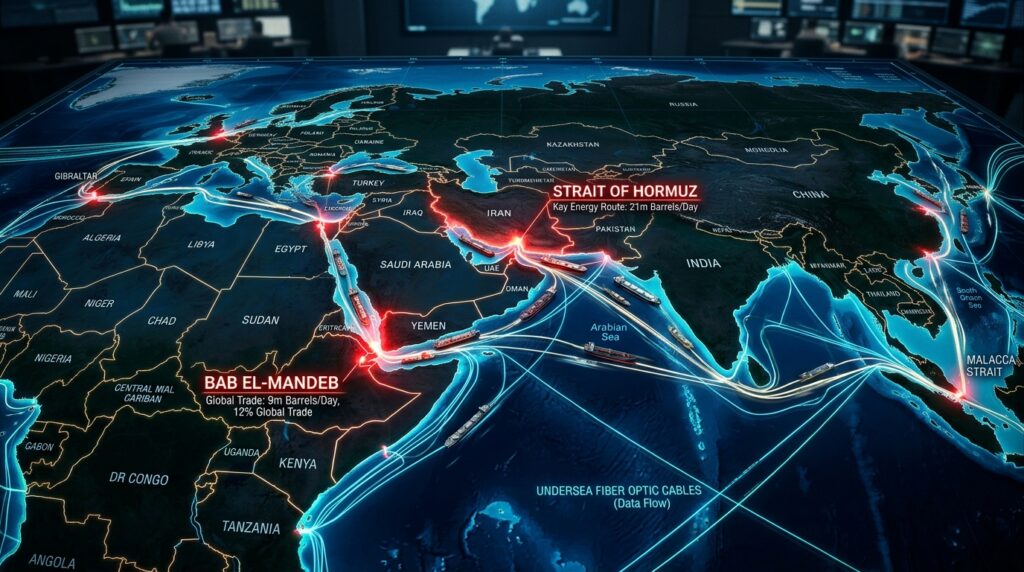
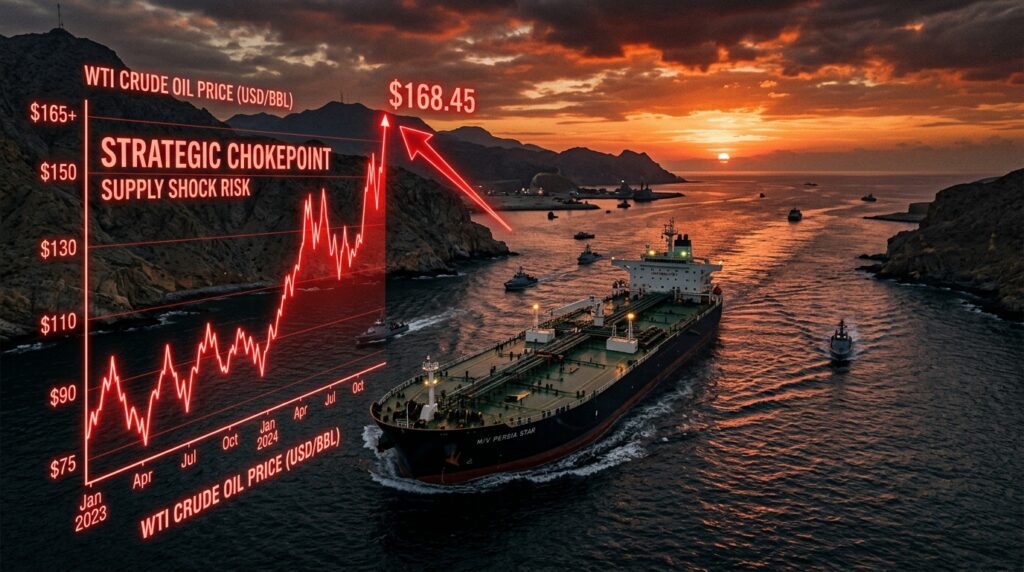
Roughly a fifth of the world’s energy supply passes through the Strait of Hormuz.
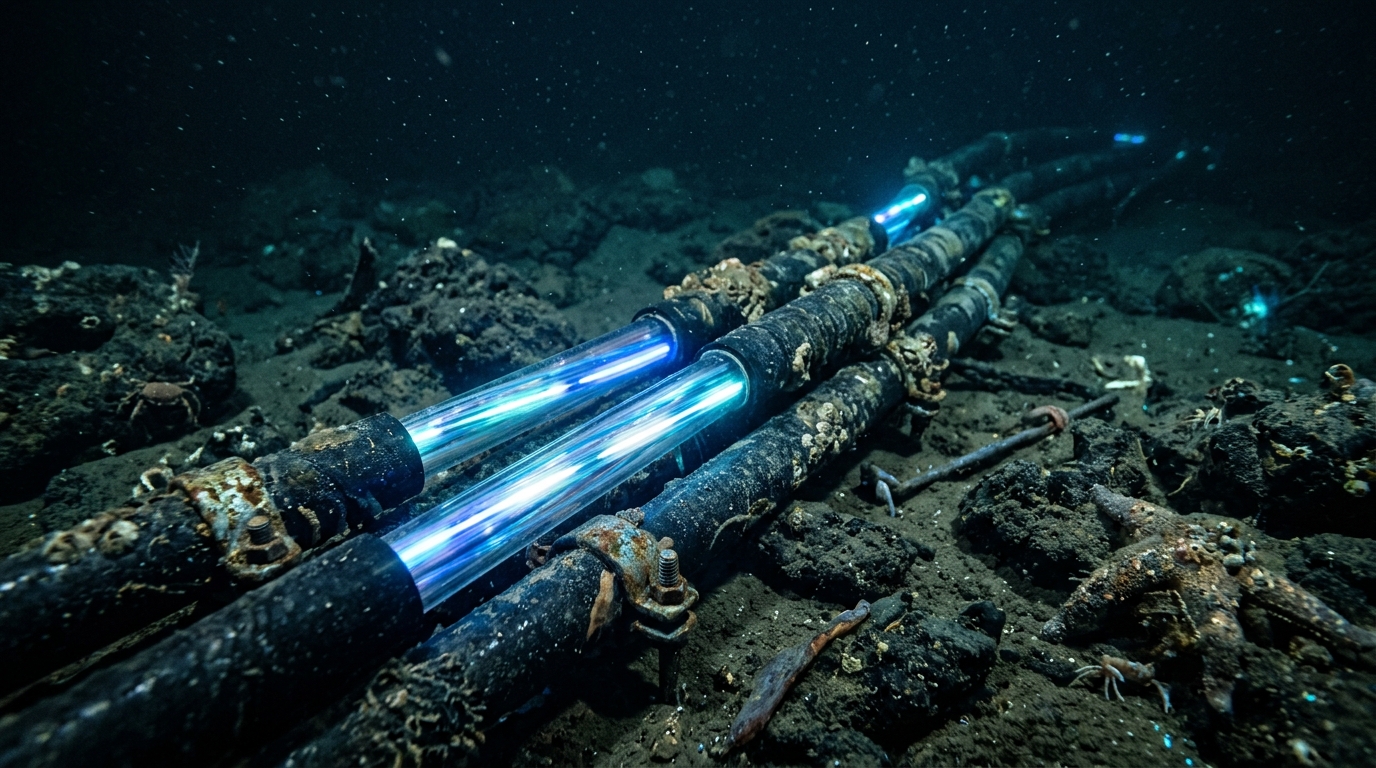
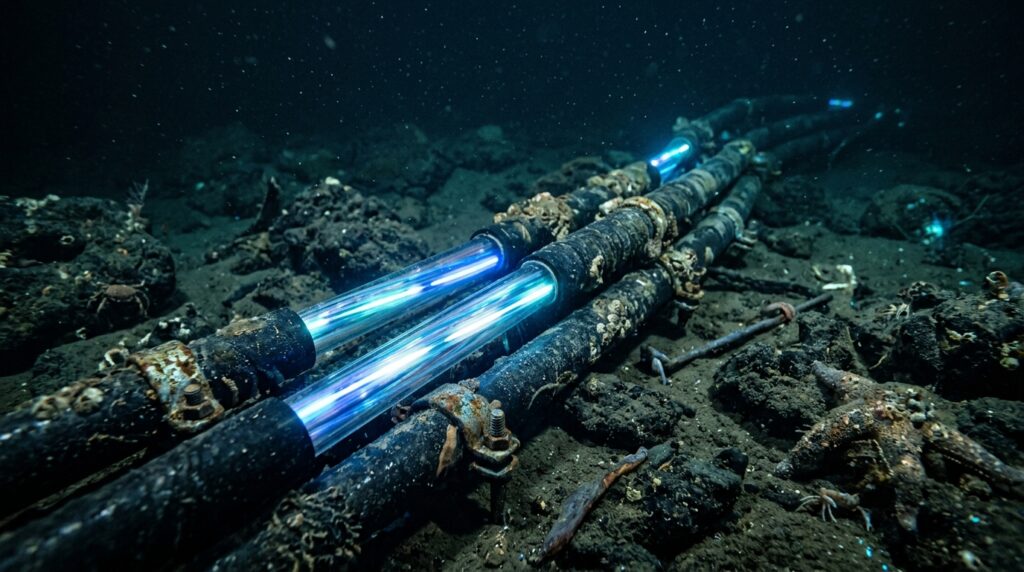
But to the west, in the Red Sea, something just as critical is at risk: a dense web of submarine cables carrying nearly all internet traffic between Africa, Asia and Europe — about 18 percent of the world’s data.
This is the infrastructure no one thinks about until it fails. And lately, it’s swimming in dangerous waters.
A System Under Strain
In 2024 and 2025, internet disruptions rippled across the Middle East and South Asia after several of these undersea cables were severed by Iranian-backed Houthi forces reacting to the war in Gaza.
Within minutes, internet in India, Pakistan, UAE, Kuwait and several Gulf nations went from high-speed trading in oil markets and efficient call center management to a snail’s pace.
Now, as tensions with Iran escalate, tech giant Meta and its partners just announced they would pause work in the Persian Gulf on 2Africa Pearls, one of the most ambitious subsea cable systems ever built.
Turns out the Strait of Hormuz — long understood as a strategic energy corridor — is an equally vital connectivity corridor. Together with instability in the Red Sea, a dual chokepoint is emerging.
And that’s a big problem, because these transit lines were never designed for war.
The Viral Story and the Deeper Reality: The Map Beneath the Sea
A widely shared narrative suggests that Donald Trump once backed away from escalation with Iran after being shown a “strategic map” of undersea cables near the Strait of Hormuz.
It’s a powerful image, but it isn’t factual.
There is no verified evidence of such an event. Real-world restraint has been shaped by a more complex calculation: the cascading risks to energy markets, trade flows, food systems, and financial stability.
And that leads to a deeper truth:
In today’s world, power is not just about military strength; it’s about control over the systems that keep civilisation running.
The Twin Chokepoints That Hold the World Together
The Strait of Hormuz: The Energy Valve
- Roughly 20% of the global oil supply flows through this narrow passage
- It connects Gulf energy producers to global markets
- It sits at the centre of US-Iran tensions
This is where energy security becomes geopolitical leverage.
The Bab el-Mandeb The System Junction
- Connects the Red Sea to the Indian Ocean
- Feeds directly into the Suez Canal
- Carries energy, container trade, and dense clusters of submarine cables
If Hormuz controls oil supply, Bab el-Mandeb controls the movement of everything else, including data.
The Invisible Layer: Cables That Power Civilisation
More than 95% of global internet traffic and financial data travels through submarine fibre-optic cables.
They enable:
- Banking systems and cross-border payments
- Global stock markets
- Supply chain coordination
- Government and military communications
Damage to these cables would not collapse the world, but it would slow it, distort it, and make it more fragile.
- Data reroutes → latency increases
- Repairs take days to weeks
- Costs rise across industries
This is not an apocalypse. It is systemic friction, and friction at a global scale is economically dangerous.
The Strategic Shift: From Warfighting to System Pressure
Countries like Iran face a clear reality: they cannot match the United States in conventional military strength.
So the strategy evolves.
Not toward victory, but toward deterrence through consequence.
Shared Vulnerability as Leverage
Not “if I fall, everyone falls.”
But:
If conflict escalates, its costs will spread far beyond the battlefield.
This includes:
- Energy disruption via Hormuz
- Trade and data pressure via Bab el-Mandeb
- Regional instability that multiplies global risk
This is asymmetric deterrence, raising the cost of conflict for everyone involved.
Why This Matters to the Global Economy (IMF Lens)
From the perspective of the International Monetary Fund, the real danger is not a single shock, but a compound crisis.
A disruption across these chokepoints transmits through multiple channels at once:
1) Energy Shock
- Oil and LNG prices spike globally
- Inflation rises across importing countries
- Governments face subsidy pressure
Most vulnerable:
Pakistan, Bangladesh, Sri Lanka
2) Trade Disruption
- Shipping rerouted around Africa
- Delays increase costs and break supply chains
- Manufacturing slows globally
Most exposed:
Germany, China, Vietnam
3) Food Security Shock
- Grain shipments delayed
- Fertiliser and fuel costs surge
- Food inflation hits vulnerable populations hardest
High-risk regions:
Egypt, Sudan, Somalia
4) Financial & Digital Friction
- Slower cross-border transactions
- Market volatility rises
- Capital flows shift rapidly
Sensitive hubs:
Dubai, Mumbai
5) Debt & Currency Stress
- Import bills surge
- Currencies weaken
- Sovereign debt risks rise
Most at risk:
Pakistan, Ghana
Can the United States Escape the Shock? The Map Beneath the Sea
The United States is better positioned than most, but not immune.
Why it’s stronger:
- Major energy producer
- Global reserve currency advantage
- Strong financial markets
- Naval capability to secure routes
Why can it still not escape:
1) Global prices still apply
Oil shocks in Hormuz affect U.S. fuel prices.
2) Supply chains remain global
Disruptions via Suez and Bab el-Mandeb hit imports and industry.
3) Financial contagion spreads
Global instability affects U.S. markets and exports.
The Reality:
The United States can absorb the shock better than most,but it cannot avoid it.
Or more bluntly:
Power does not grant immunity. It only determines how much pain you can manage.
A System Under Tension
This is not about a single chokepoint. It is about a connected system:
- Hormuz → energy خروج
- Bab el-Mandeb → trade + data + energy
- Suez → global distribution
Disrupt one, and the others feel the strain.
This is not traditional warfare.
It is systemic pressure on a hyper-connected world.
Final Reflection
We often imagine global stability as something enforced by armies and alliances.
But increasingly, it depends on:
- Narrow waterways
- Fragile infrastructure
- Invisible networks of data and trade
The viral “map” story wasn’t real.
But the reality it hinted at is far more important:
The modern world runs on interconnected systems that no single nation fully controls.
And in that world:
The true balance of power lies not in who can destroy—but in who can تحمل disruption, and who can spread it.
FAQs
Q1. Did a “map” really change U.S. policy toward Iran?
No, there is no credible evidence supporting that claim.
Q2. Why are chokepoints like Hormuz and Bab el-Mandeb so critical?
They control major flows of energy, trade, and global data infrastructure.
Q3. Would disruption collapse the global economy?
Not collapse, but it would cause serious, multi-layered economic stress.
Q4. Why is Bab el-Mandeb especially important?
It combines trade, energy, and digital connectivity in one corridor.
Q5. What is “shared vulnerability”?
A strategy where escalation spreads costs across multiple countries, increasing deterrence.
Q6. Can any country fully avoid these risks?
No, even the most powerful economies are interconnected and exposed.
Purpose of the Article
To move beyond viral narratives and explain how geography, infrastructure, and economic interdependence shape modern geopolitical decision-making and global stability.
References (Indicative Sources)
- International Monetary Fund reports on global trade fragmentation and supply shocks
- Strategic studies on maritime chokepoints and energy security
- Public research on submarine cable infrastructure and global data flows