
The Future of Iran: Opportunities, Challenges, and the Road Ahead
The Future of Iran: “The best way to predict the future is not to guess what will happen tomorrow, but to understand the forces that are shaping today.”
https://mrpo.pk/iran-explained-from-ancient-persia-to-modern-geopolitics/
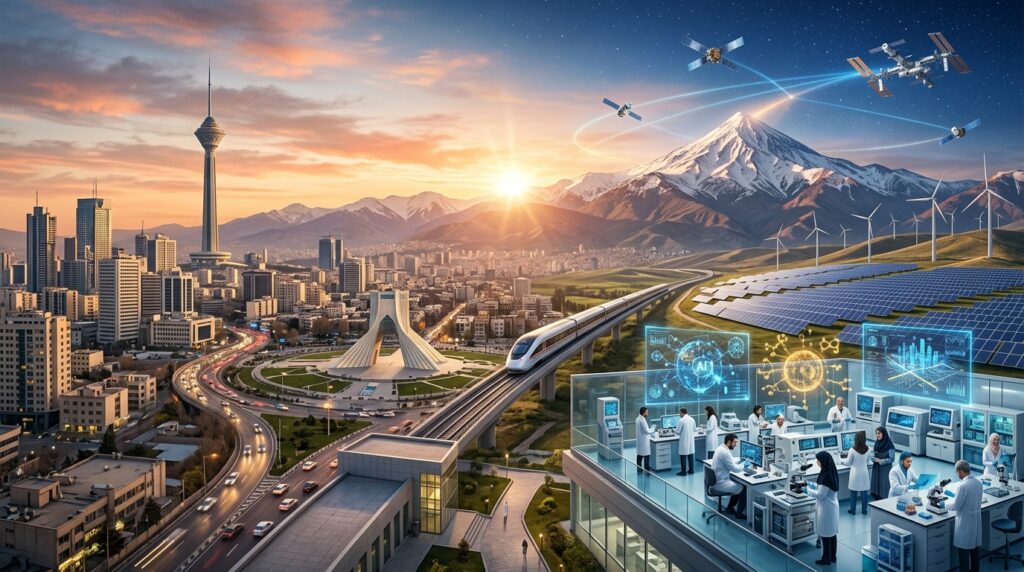
Few countries in the modern world generate as much debate as Iran.
To some, it is a nation defined by sanctions, geopolitical tensions, and regional rivalries. To others, it is one of the oldest surviving civilisations, home to a highly educated population, a rich cultural heritage, and growing scientific capabilities. Depending on where one looks, Iran appears either as a country held back by its challenges or as one steadily building the foundations for long-term resilience.
The truth lies somewhere between these two extremes.
Every generation of Iranians has faced defining moments that reshaped the country’s future. Some witnessed the fall of monarchies. Others lived through revolution, war, economic hardship, or international isolation. Today’s younger generation faces a different challenge: building a prosperous and innovative nation in a world that is changing faster than ever before.
The coming decades will be shaped not only by political decisions but also by technology, demographics, education, environmental pressures, global trade, and the aspirations of nearly ninety million people.
No one can predict Iran’s future with certainty. History rarely follows a straight line. Unexpected events, regional crises, technological breakthroughs, and changes in international relations can alter the course of nations almost overnight.
What we can do, however, is examine the major trends already visible today.
This article explores the opportunities that could help Iran prosper, the obstacles that could slow its progress, and the choices that may determine its place in the twenty-first century.
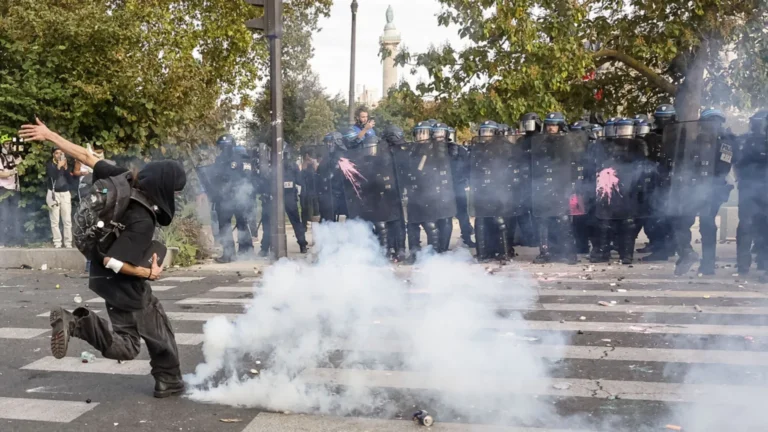
Iran war: What’s next for the Middle East?
Almost four months after the Iran war began, ceasefires and peace talks have come and gone. But as of now, a memorandum of understanding has been signed on ending the conflict and ships are passing through the Strait of Hormuz.
Yet while both sides say they are aiming to reach a definitive deal to end the conflict by mid-August, significant disagreements remain over issues such as nuclear inspections and frozen assets.
Whatever happens in the weeks ahead, the fallout from the war and wider regional conflict will continue to reverberate across the global economy. Considerations about energy security, for instance, have already intensified, with economies across Asia shaken by their reliance on Middle East oil and China stepping in both to fill fuel shortfalls and to export rising amounts of renewable energy technology.
Purpose of This Article
The purpose of this article is to examine the long-term forces that are likely to shape Iran over the coming decades. Rather than revisiting historical events already covered in previous articles, this final chapter looks ahead by analysing demographic trends, economic opportunities, technological ambitions, environmental challenges, regional diplomacy, and the decisions that will influence Iran’s future.
A Nation Built on Resilience
One lesson appears repeatedly throughout Iran’s long history.
The country has an extraordinary ability to adapt.
Its political systems have changed.
Empires have risen and fallen.
Foreign powers have invaded.
Wars have devastated cities.
Sanctions have restricted trade.
Economic crises have tested ordinary families.
Yet Iran has continued to evolve.
This resilience does not mean the country is immune to problems. On the contrary, modern Iran faces serious economic, environmental, and political pressures. Rather, resilience reflects the capacity of its institutions and society to adjust, rebuild, and search for new solutions. This adaptability will remain one of Iran’s greatest assets in the decades ahead.
The question is no longer whether Iran can survive difficult periods; it has demonstrated that repeatedly. The more important question is whether it can transform resilience into sustained prosperity.
Iran’s Greatest Asset Is Its Human Capital
Natural resources are important.
Military strength matters.
Geography provides strategic advantages.
But none of these factors is ultimately as valuable as people.
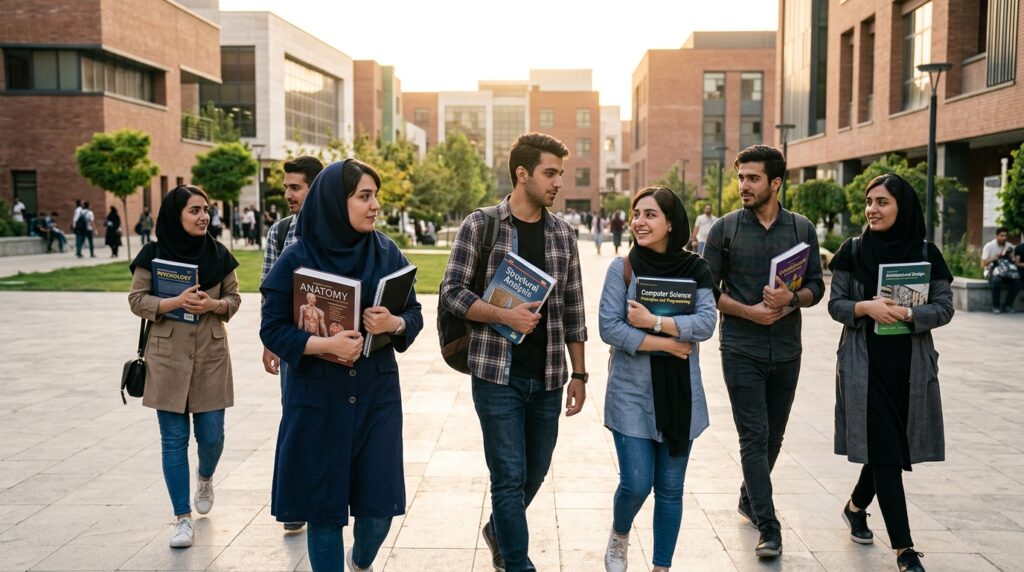
Iran possesses one of the largest educated populations in the Middle East. Every year, its universities graduate tens of thousands of engineers, doctors, pharmacists, scientists, architects, software developers, economists, and business professionals. Many of these graduates have received education comparable to international standards despite decades of economic constraints.
This educated workforce gives Iran an important advantage as the global economy becomes increasingly knowledge-based. Unlike previous centuries, future economic growth will depend less on controlling territory or natural resources and more on innovation, technology, entrepreneurship, and scientific research. Countries that successfully educate and retain talented young people will enjoy significant competitive advantages.
Iran already possesses much of this human potential. The challenge is ensuring that these educated citizens find opportunities at home rather than abroad.
A New Generation with New Expectations
Today’s Iranian youth have grown up in a very different environment from their parents and grandparents. Many have never experienced the Iran-Iraq War.
They are digitally connected.
They are better educated.
They have greater exposure to international cultures through the internet, higher education, and global media. Their priorities often differ from earlier generations.
While national security and political ideology remain important to many, younger Iranians increasingly focus on employment, entrepreneurship, housing affordability, education, technological opportunity, environmental quality, and quality of life. This generational shift is not unique to Iran. It is occurring across much of the world.
Governments that recognise these changing priorities and adapt accordingly are generally better positioned to benefit from the energy and creativity of younger populations. For Iran, the coming decades will largely depend on how successfully it creates opportunities for this new generation.
Demographic Change: Opportunity and Warning
For many years, Iran had one of the fastest-growing populations in the Middle East. Today, the situation has changed dramatically.
Birth rates have fallen sharply.
Families are having fewer children.
People are marrying later in life.
Urban living has become increasingly expensive.
These trends resemble demographic changes already experienced by countries in Europe, East Asia, and parts of the Middle East. Initially, lower population growth can create economic benefits. A larger proportion of working-age adults compared with dependants can increase productivity and national income.
Economists often describe this period as a “demographic dividend.” However, this advantage does not last forever.
If birth rates remain low for extended periods, populations gradually age. Healthcare costs increase. Pension systems face greater pressure. Labour shortages may eventually emerge. Iran now stands at this important demographic crossroads.
Over the next twenty years, policymakers will need to balance support for young families with preparations for an increasingly older population. Housing affordability, childcare, healthcare, and employment policies will all become more significant than they have been in previous decades. Demographic trends may not dominate newspaper headlines, but they often shape the long-term success of nations more profoundly than short-term political events.
Building an Economy Beyond Oil
For more than a century, oil has been both one of Iran’s greatest blessings and one of its greatest vulnerabilities. The country’s vast oil and natural gas reserves have provided enormous national wealth, financed infrastructure, supported industrial development, and strengthened Iran’s strategic importance in global energy markets. Yet dependence on hydrocarbons has also exposed the economy to volatile energy prices, international sanctions, and fluctuations in global demand.
The coming decades will almost certainly require a different model. Around the world, countries are investing heavily in renewable energy, electric vehicles, hydrogen technologies, and cleaner industrial processes. Although oil and natural gas will remain important for many years, their dominance is expected to decline as economies transition toward more diversified energy systems.
For Iran, this global transformation presents both a challenge and an opportunity. The challenge lies in reducing excessive dependence on energy exports. The opportunity lies in using today’s natural resource wealth to build tomorrow’s knowledge-based economy. Economic diversification is therefore no longer simply an economic objective; it has become a strategic necessity.
From Natural Resources to Knowledge-Based Industries
Future economic growth is likely to depend less on extracting raw materials and more on creating value through innovation. Iran already possesses many of the essential ingredients needed for this transition.
A large engineering workforce.
Growing scientific capabilities.
Expanding digital industries.
Strong university networks.
Competitive manufacturing sectors.
Rather than exporting only crude oil or raw minerals, Iran has the potential to increase production of higher-value products such as petrochemicals, advanced industrial materials, pharmaceuticals, biotechnology products, medical equipment, software, renewable energy technologies, and specialised engineering services.
Such industries generally create more skilled employment, generate greater economic resilience, and are less vulnerable to commodity price fluctuations. They also encourage greater collaboration between universities, research institutions, and private industry, creating an ecosystem where innovation becomes an engine of economic growth. The foundations for this transformation already exist. The pace at which it develops will depend largely on investment, economic reforms, and international engagement.
Iran’s Strategic Geography: A Bridge Between Regions
Few countries occupy a geographical position as strategically important as Iran. Situated at the crossroads of the Middle East, Central Asia, the Caucasus, South Asia, and the Persian Gulf, Iran naturally connects multiple regions with different markets, cultures, and transportation networks. This location provides opportunities that extend far beyond energy exports. International trade increasingly depends upon efficient transport corridors linking producers with consumers.
Railways.
Ports.
Road networks.
Energy pipelines.
Digital infrastructure.
Modern logistics.
Iran has the potential to become an important transit hub connecting Asia with Europe and the Middle East. Projects such as the International North–South Transport Corridor (INSTC) illustrate this potential by linking India and the Persian Gulf with the Caucasus, Central Asia, Russia, and Northern Europe through shorter transportation routes.
Similarly, regional infrastructure initiatives associated with China’s Belt and Road Initiative offer additional opportunities for trade, logistics, and industrial investment where mutual interests align. Expanding rail networks connecting neighbouring countries could significantly increase trade while reducing transportation costs across the wider region.
The strategic importance of Iranian ports, including those on both the Persian Gulf and the Gulf of Oman, could also grow as regional commerce expands. Unlike many natural resources, geography cannot be exhausted. Its value depends upon how effectively a country develops and manages it.
Tourism: One of Iran’s Most Undervalued Opportunities
When people think about Iran’s economy, tourism is rarely the first sector that comes to mind. Yet few countries possess such extraordinary historical, cultural, and natural diversity.
Ancient archaeological sites.
UNESCO World Heritage locations.
Magnificent Islamic architecture.
Snow-covered mountains.
Deserts stretching to the horizon.
Dense northern forests.
Persian gardens.
Traditional bazaars.
Centuries-old caravan routes.
A civilisation spanning thousands of years.
Iran offers experiences that few destinations can match.
Its cultural heritage alone could support a world-class tourism industry. Beyond historical tourism, the country also possesses considerable potential in ecological tourism, mountain tourism, adventure travel, religious pilgrimage, medical tourism, and cultural exchange programmes. Medical tourism deserves particular attention.
Iran’s experienced physicians, modern hospitals, and comparatively affordable healthcare have already attracted patients from neighbouring countries seeking specialised treatments. Expanding this sector could generate employment while strengthening international engagement. However, tourism depends heavily upon accessibility, infrastructure, international perceptions, simplified visa procedures, and political stability.
Addressing these areas could significantly increase visitor numbers while creating economic opportunities across numerous industries, from transportation and hospitality to handicrafts and local agriculture.
Entrepreneurship and Small Businesses
Economic transformation is driven not only by governments but also by entrepreneurs willing to take risks. Across Iran, thousands of young innovators are developing software companies, engineering firms, educational platforms, healthcare technologies, agricultural innovations, financial services, and manufacturing businesses. Many operate under difficult economic conditions.
Limited access to international financing.
Currency fluctuations.
Inflation.
Banking restrictions.
Import challenges.
Yet entrepreneurship continues to expand because innovation often thrives where people seek practical solutions to everyday problems. Small and medium-sized enterprises (SMEs) deserve particular attention. While large industries frequently dominate public discussion, SMEs collectively generate significant employment and often respond more quickly to changing market conditions.
Supporting these businesses through improved access to financing, regulatory reforms, digital infrastructure, and vocational training could strengthen economic resilience across the country. Future prosperity is unlikely to depend upon one major industry alone.
Instead, it will emerge from thousands of successful businesses operating across manufacturing, agriculture, technology, healthcare, education, tourism, and professional services.
The Digital Economy
The global economy is becoming increasingly digital.
Artificial intelligence.
Cloud computing.
Electronic commerce.
Digital banking.
Online education.
Telemedicine.
Smart manufacturing.
Remote work.
These technologies are transforming how people learn, work, trade, and communicate. Iran possesses considerable potential in this area because of its highly educated population and strong engineering tradition. Many young software developers have already demonstrated impressive capabilities despite operating within a complex economic environment.
Expanding digital infrastructure, improving internet reliability, encouraging innovation, and strengthening cybersecurity could significantly accelerate future growth. The digital economy also offers an important advantage. Unlike heavy industries requiring massive physical infrastructure, software development and digital services rely primarily on human talent.
Countries that successfully cultivate skilled programmers, engineers, designers, researchers, and entrepreneurs often achieve substantial economic growth with comparatively modest financial investment. For Iran, investing in digital innovation may prove one of the most efficient ways of creating high-value employment while integrating more deeply into the global knowledge economy.
Agriculture in a Changing Climate
Agriculture has sustained Iranian civilisation for thousands of years. Today, however, farming faces challenges unlike any encountered in previous generations.
Population growth.
Urban expansion.
Water scarcity.
Climate change.
Declining groundwater reserves.
Changing rainfall patterns.
These pressures require agriculture itself to evolve. Future success will depend less upon expanding farmland and more upon increasing productivity through technology.
Precision agriculture.
Efficient irrigation systems.
Drought-resistant crops.
Satellite monitoring.
Artificial intelligence.
Smart water management.
Biotechnology.
These innovations can help farmers produce more food while using fewer natural resources. Food security is likely to become one of the defining strategic priorities of the coming decades. Investing in agricultural science today may therefore prove just as important as investing in heavy industry or advanced technology.
Water Security: Iran’s Defining Challenge of the Twenty-First Century
If one issue has the potential to shape Iran’s future more profoundly than oil, sanctions, or even geopolitics, it is water.
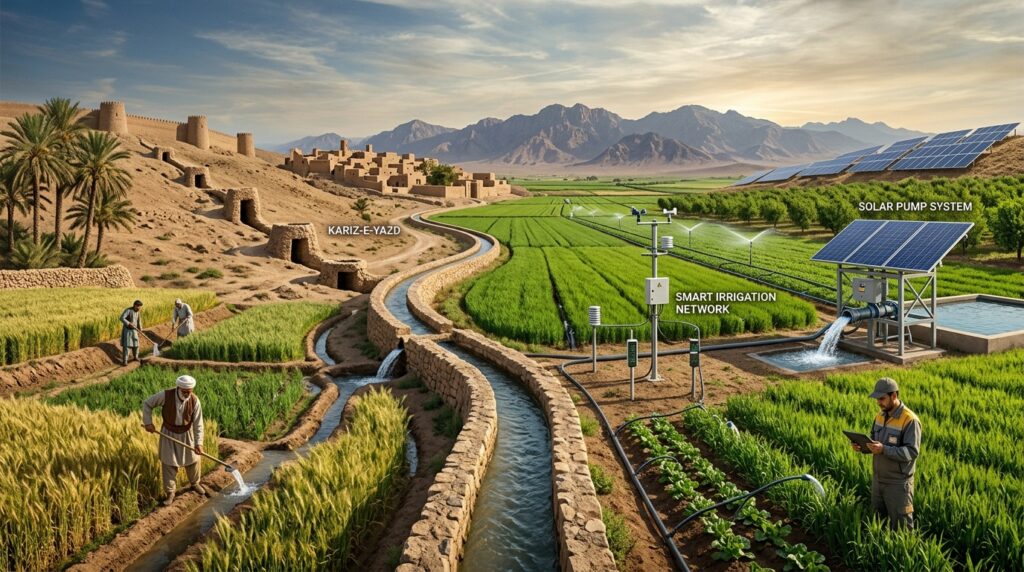
Throughout history, Persian civilisation flourished because it learned how to live in an arid landscape. Ancient engineers developed remarkable underground irrigation systems known as qanats, allowing communities to transport water over long distances without excessive evaporation. Many of these ingenious systems are still functioning today, a testament to centuries of engineering excellence. The challenges facing modern Iran, however, are on an entirely different scale.
Rapid population growth, urban expansion, industrialisation, climate change, prolonged droughts, declining rainfall, and decades of intensive groundwater extraction have placed unprecedented pressure on the country’s water resources.
In many regions, underground aquifers are being depleted faster than they can naturally replenish. Rivers that once supported agriculture throughout the year now experience seasonal shortages. Some lakes and wetlands have shrunk dramatically, affecting biodiversity, agriculture, tourism, and local livelihoods. The consequences extend far beyond the environment.
Water scarcity influences food production.
It affects electricity generation through hydroelectric power.
It increases migration from rural communities to already crowded cities.
It places pressure on public health and sanitation.
It can even influence regional security when rivers and shared water resources cross international borders.
Unlike many economic challenges, water shortages cannot be solved by financial investment alone. They require careful planning, scientific innovation, sustainable management, and long-term public cooperation. The future of Iranian agriculture, industry, and urban development will depend increasingly on how efficiently the country manages every available drop of water.
Innovation Will Be More Important Than Expansion
Future solutions are unlikely to come from building ever-larger dams alone. Instead, they will depend upon smarter management.
Advanced irrigation systems can significantly reduce water consumption while increasing crop yields.
Artificial intelligence can help farmers determine precisely when irrigation is needed.
Satellite monitoring can identify areas experiencing groundwater depletion before irreversible damage occurs.
Water recycling technologies can reduce pressure on freshwater supplies.
Desalination plants along the Persian Gulf and Gulf of Oman may become increasingly important for supplying coastal cities and industries.
Universities are already conducting research into drought-resistant crops capable of producing higher yields with less water. These innovations demonstrate that science will play a central role in addressing one of Iran’s most serious long-term challenges. Success will require cooperation between engineers, farmers, environmental scientists, policymakers, and local communities. Water conservation is no longer simply an environmental issue. It has become a matter of national resilience.
Climate Change and Environmental Sustainability
Climate change is amplifying many of Iran’s existing environmental challenges.
Average temperatures have risen steadily over recent decades.
Heatwaves have become more frequent.
Rainfall patterns have become increasingly unpredictable.
Some regions experience prolonged droughts, while others face sudden floods caused by intense rainfall over short periods.
Air pollution remains another significant concern, particularly in major urban centres.
Rapid urbanisation, industrial activity, vehicle emissions, and seasonal weather conditions can combine to produce hazardous air quality, affecting public health and placing additional pressure on healthcare systems. Dust storms have also become more common in parts of western and southwestern Iran. These storms result from a combination of local environmental degradation and regional factors extending beyond Iran’s borders.
Addressing such issues requires cooperation not only within the country but also with neighbouring states that share ecosystems and water resources. Environmental sustainability is therefore becoming an increasingly important component of national planning. Economic growth that ignores environmental limits may produce short-term gains while creating much greater costs for future generations.
Renewable Energy: Preparing for the Energy Transition
Iran possesses some of the world’s largest reserves of oil and natural gas. At first glance, this might appear to reduce the urgency of investing in renewable energy. In reality, the opposite may be true.
Diversifying energy production can strengthen long-term economic resilience while reducing domestic consumption of valuable export resources.
Iran enjoys exceptional natural conditions for renewable energy development.
Large parts of the country receive abundant sunshine throughout the year, making solar power particularly attractive.
Mountainous regions and open plains also possess significant potential for wind energy.
Expanding renewable energy offers multiple benefits.
It reduces pressure on fossil fuel consumption.
It lowers greenhouse gas emissions.
It creates new industries and employment opportunities.
It improves long-term energy security.
It supports sustainable economic development.
Several renewable energy projects are already operating, although their contribution to the national electricity supply remains relatively modest compared with conventional power generation. As technology becomes more affordable and global demand for cleaner energy continues to grow, renewable energy is likely to occupy an increasingly important place in Iran’s future economy.
The Future of Governance and Public Participation
Predicting political developments is always difficult.
Governments change.
Policies evolve.
Unexpected events alter national priorities.
Rather than attempting to forecast specific political outcomes, it is more useful to examine the broader trends influencing governance.
One noticeable trend is the growing role of education and technology in public life.
Citizens today have greater access to information than previous generations.
Digital communication allows ideas to spread rapidly.
Young people increasingly expect efficient public services, economic opportunities, transparency, and responsive institutions.
These expectations are not unique to Iran. They reflect global changes occurring across societies connected by technology and education. Governments that adapt successfully to these evolving expectations often strengthen public confidence and improve long-term stability. Future reforms may therefore focus increasingly on improving administrative efficiency, supporting private enterprise, modernising public services, strengthening digital government, and creating opportunities for economic participation.
The pace and direction of such changes will depend upon domestic priorities and broader regional developments.
Iran’s Place in an Emerging Multipolar World
The international system is undergoing significant transformation. For much of the late twentieth century, global politics was dominated by a relatively small number of major powers. Today, influence is becoming more widely distributed.
Countries such as China, India, Brazil, Türkiye, Saudi Arabia, and others are playing increasingly important regional and global roles alongside traditional powers. Iran seeks to position itself within this changing environment. Rather than relying upon one international partner alone, it has increasingly pursued a strategy of diversified relationships.
Membership in organisations such as BRICS and the Shanghai Cooperation Organisation (SCO) reflects this broader approach to diplomacy and economic cooperation. Closer ties with Asian economies, regional neighbours, and emerging markets may provide additional opportunities for trade, investment, infrastructure development, and technological collaboration. At the same time, relations with Europe and the United States remain important.
Constructive engagement with a broad range of international partners could expand scientific cooperation, foreign investment, educational exchange, tourism, and commercial activity. Conversely, prolonged geopolitical tensions could continue limiting these opportunities.
Ultimately, Iran’s international influence will depend not only on diplomacy but also on the strength of its economy, scientific capacity, infrastructure, and ability to serve as a reliable regional partner.
Regional Cooperation Will Matter More Than Regional Competition
The Middle East is entering a period of significant economic transformation. Many countries are investing heavily in infrastructure, renewable energy, digital technology, logistics, tourism, and advanced manufacturing. This creates opportunities for greater regional cooperation.
Shared transport corridors.
Cross-border electricity networks.
Water management projects.
Scientific research.
University partnerships.
Public health cooperation.
Disaster response.
Trade agreements.
These initiatives have the potential to generate benefits extending well beyond national borders. Iran’s geographic position naturally places it at the centre of many possible regional transportation and energy networks. If cooperation expands, the country could become an important commercial bridge connecting South Asia, Central Asia, the Caucasus, the Middle East, and Europe. Economic interdependence often creates incentives for greater stability.
While political differences will undoubtedly remain, practical cooperation in areas such as trade, healthcare, infrastructure, and environmental protection may become increasingly important throughout the coming decades.
Iran in 2040: Three Possible Futures
No one can predict the future with certainty. History has repeatedly shown that unexpected events, a technological breakthrough, an economic crisis, a regional conflict, or a diplomatic breakthrough can change the course of nations within a few years. Instead of making predictions, it is more useful to examine several realistic scenarios based on current trends.
Scenario One: A More Connected and Prosperous Iran
In the most optimistic scenario, Iran gradually improves its relations with the international community while maintaining constructive ties with both Eastern and Western partners.
Economic reforms encourage greater private investment.
International businesses slowly return.
Universities expand research partnerships with institutions around the world.
Scientific innovation accelerates.
Tourism recovers.
Foreign investment supports new industries.
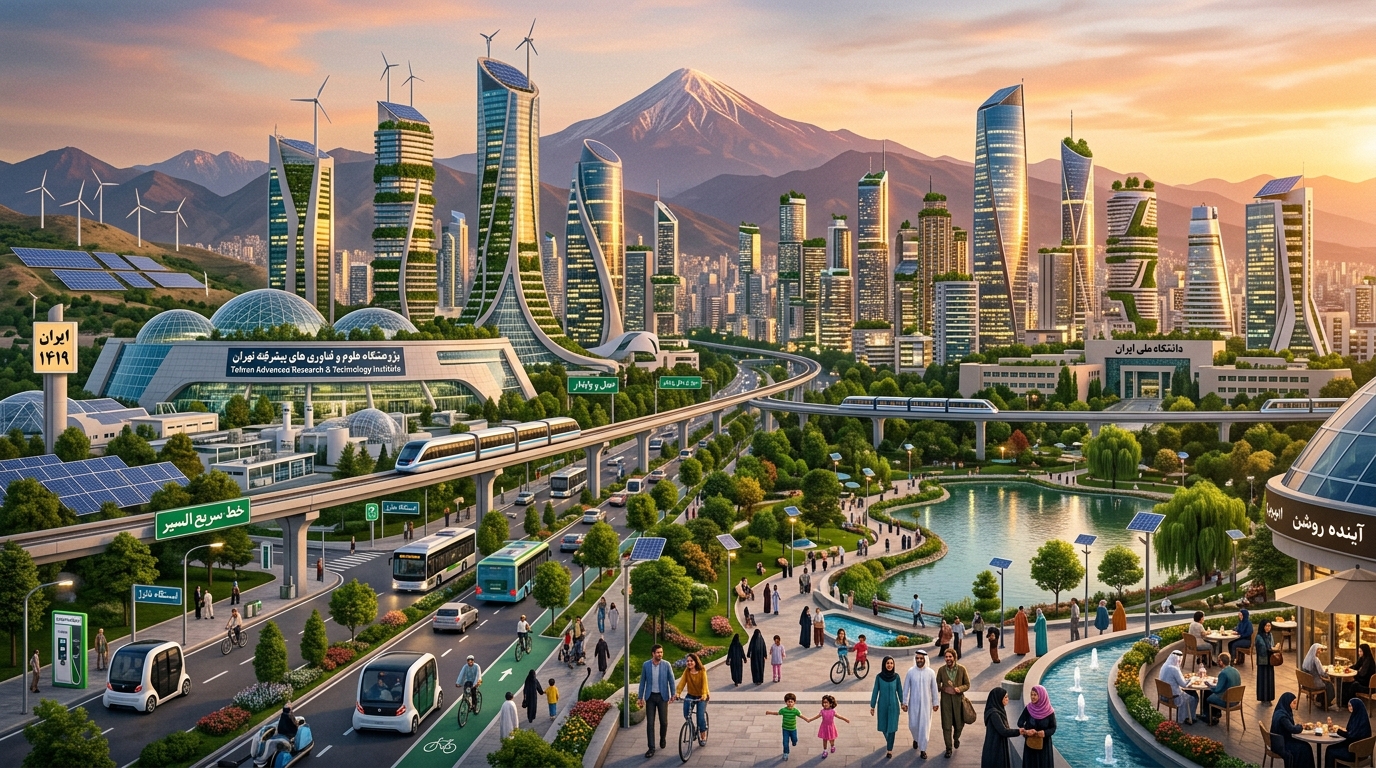
Oil revenues are increasingly invested in education, renewable energy, artificial intelligence, biotechnology, and modern manufacturing rather than simply financing government expenditure. The private sector becomes more dynamic, creating jobs for millions of young graduates. Regional trade expands through new railway corridors, ports, and logistics centres.
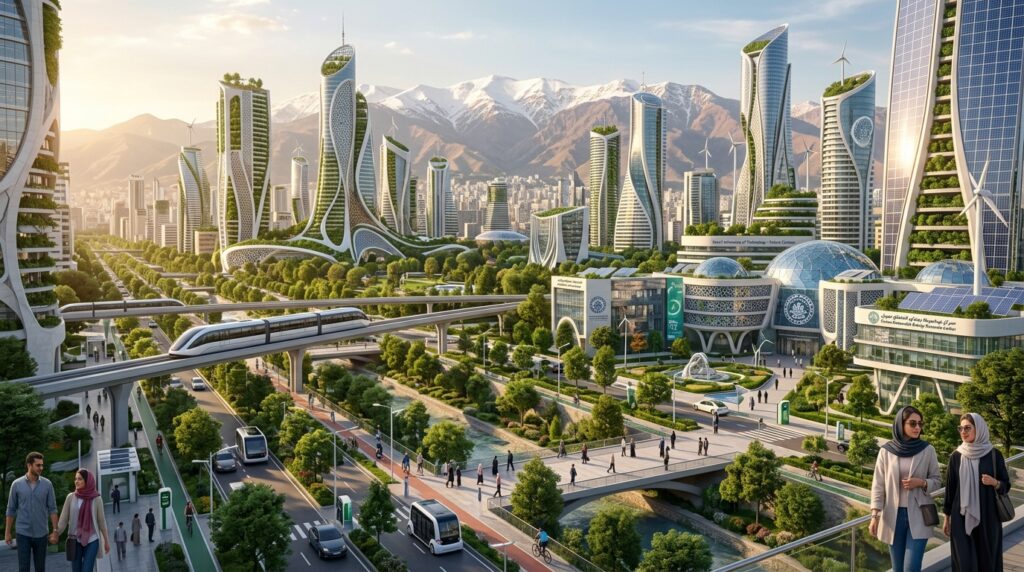
Iran emerges not only as an energy producer but also as an important transportation and technology hub connecting Asia, the Middle East, and Europe.
Living standards improve steadily.
Brain drain slows as talented professionals increasingly see attractive opportunities at home.
In this future, Iran’s greatest export is no longer simply oil.
It is knowledge.
Scenario Two: Gradual Progress Amid Continuing Challenges
A second and perhaps more realistic scenario involves steady but uneven progress.
Sanctions remain, although some restrictions are eased over time.
Economic growth continues but at a moderate pace.
The government expands investment in science, healthcare, infrastructure, and technology while managing periodic economic pressures.
Private businesses continue growing despite structural challenges.
Universities produce skilled graduates, but some continue seeking careers abroad.
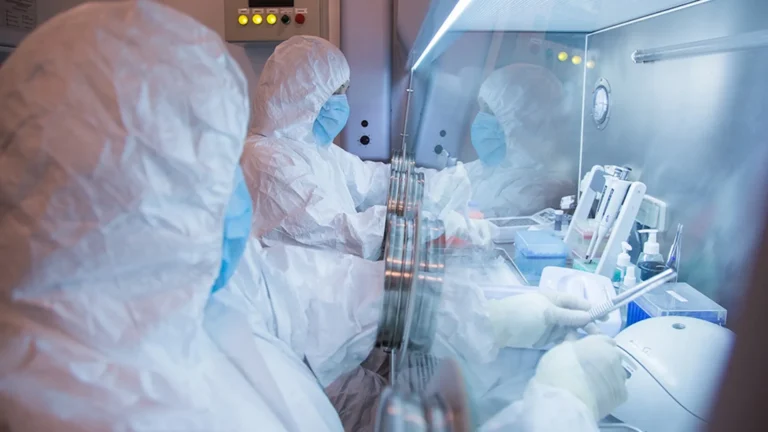
Innovation continues, particularly in sectors where Iran already possesses significant expertise, including biotechnology, nanotechnology, artificial intelligence, medical sciences, renewable energy, and advanced manufacturing.
Living standards improve slowly rather than dramatically.
The economy becomes more diversified, although oil and gas remain important sources of national income.
Iran adapts to changing global conditions without experiencing either spectacular success or severe decline.
For many observers, this gradual evolution appears the most likely path if present trends continue.
Scenario Three: Missed Opportunities
A third scenario illustrates the risks rather than the inevitability of failure.
If economic reforms stall, environmental pressures worsen, brain drain accelerates, and international tensions remain unresolved, Iran could face slower economic growth over the coming decades.
Young graduates may increasingly seek opportunities abroad.
Private investment could remain limited.
Infrastructure development may struggle to keep pace with demographic and environmental pressures.
Water shortages could place additional strain on agriculture and urban centres.
Scientific capability would remain strong, but commercialising research into globally competitive industries could become increasingly difficult.
Even under this scenario, Iran would almost certainly retain its strategic importance because of its geography, population, natural resources, and scientific base. However, much of its potential could remain underutilised. History offers many examples of countries possessing enormous advantages but failing to convert them into sustained prosperity.
Avoiding this outcome will require careful long-term planning and continued investment in people rather than relying solely on natural resources.
Five Decisions That Will Shape Iran’s Future More Than Anything Else
While countless factors influence a nation’s future, five stand above the rest.
Investing in Education
Every successful economy of the twenty-first century has one characteristic in common.
It invests heavily in human capital.
Iran has already built an impressive educational foundation.
Maintaining educational quality while encouraging creativity, research, and entrepreneurship will determine whether future generations can compete in an increasingly knowledge-driven world. Education is not merely a social service. It is the engine that powers every other sector of national development.
Retaining Talent
Educating brilliant engineers and scientists is only half the challenge. Keeping them at home is equally important. Young professionals are more likely to remain when they see opportunities to build successful careers, establish businesses, conduct world-class research, and provide secure futures for their families. Reducing brain drain may ultimately contribute more to Iran’s long-term development than discovering another major oil field.
Managing Water Wisely
Previous generations often regarded oil as Iran’s most strategic resource. Future generations may view water in exactly the same way. Every decision involving agriculture, urban planning, industry, and environmental protection will increasingly depend upon sustainable water management. Countries that learn to use limited water resources efficiently will enjoy significant advantages in an era of climate uncertainty.
Embracing Innovation
Economic strength in the coming decades will depend less on natural resources and more on ideas.
Artificial intelligence.
Advanced manufacturing.
Biotechnology.
Quantum technologies.
Renewable energy.
Digital services.
Scientific research.
These industries are likely to create the highest-value jobs of the future. Iran has already demonstrated that it possesses considerable scientific talent. The challenge now is transforming research into globally competitive industries that improve everyday life.
Building Constructive International Relationships
No modern economy develops in complete isolation.
Trade.
Investment.
Scientific collaboration.
Tourism.
Academic exchanges.
Cultural partnerships.
Technology transfer.
These all flourish when countries maintain stable and constructive international relationships. Iran’s future prosperity will therefore depend not only on domestic reforms but also on its ability to engage confidently and productively with a changing international system.
Conclusion
Iran’s future has not yet been written. That simple fact is perhaps the most important lesson of this entire series. For thousands of years, Persia and later Iran have experienced extraordinary triumphs and profound hardships.
Empires expanded and disappeared.
Dynasties ruled and fell.
Foreign powers intervened.
Revolutions transformed society.
Wars left deep scars.
Sanctions reshaped the economy.
Yet through every chapter, one constant remained.
The Iranian people continued to adapt. The coming decades will present challenges unlike those faced by previous generations.
Climate change will test environmental resilience.
Artificial intelligence will transform economies.
Global competition for scientific talent will intensify.
Energy markets will evolve.
Demographic changes will reshape societies.
These developments cannot be avoided. They can only be managed wisely. Iran enters this new era with significant advantages.
A young and educated population.
A rich scientific tradition.
Strategic geography.
Abundant natural resources.
Centuries of cultural continuity.
Growing technological capabilities.
At the same time, it faces equally significant obstacles.
Economic uncertainty.
Environmental stress.
Brain drain.
International tensions.
The need for structural economic reform.
Which of these forces ultimately proves stronger will depend not on one leader, one election, or one international agreement. It will depend upon millions of daily decisions made by teachers in classrooms, researchers in laboratories, entrepreneurs starting new businesses, engineers designing new technologies, doctors caring for patients, farmers adapting to changing climates, and young people deciding whether to build their futures at home.
Throughout this series, we have travelled from the rise of Ancient Persia to the complexities of modern Iran. The story has shown that Iran cannot be understood through a single headline, political slogan, or television debate. It is a civilisation more than 2,500 years old, shaped by countless cultures, beliefs, achievements, and challenges. Its past explains how it became the nation it is today.
Its future will depend on how successfully it combines that remarkable heritage with innovation, cooperation, resilience, and the aspirations of a new generation. History provides the foundation. The future will be written by the choices Iran makes from this point forward.
References
Books
Abrahamian, Ervand. A History of Modern Iran. Cambridge University Press, 2008.
Axworthy, Michael. Revolutionary Iran: A History of the Islamic Republic. Oxford University Press, 2013.
Katouzian, Homa. The Persians: Ancient, Mediaeval and Modern Iran. Yale University Press, 2009.
Milani, Abbas. The Making of Modern Iran. Palgrave Macmillan, 2008.
Wright, Robin. Rock the Casbah: Rage and Rebellion Across the Islamic World. Simon & Schuster, 2011.
Razoux, Pierre. The Iran-Iraq War. Harvard University Press, 2015.
International Organizations
World Bank. Iran Economic Monitor.
International Monetary Fund (IMF). Islamic Republic of Iran: Economic Reports.
United Nations Development Programme (UNDP). Iran Development Indicators.
United Nations Environment Programme (UNEP). Water Scarcity and Climate Change Reports.
UNESCO Institute for Statistics. Education, Research and Innovation Indicators.
International Energy Agency (IEA). World Energy Outlook.
International Renewable Energy Agency (IRENA). Renewable Energy Prospects.
World Health Organization (WHO). Iran Health Profile.
Food and Agriculture Organization (FAO). Water Resources and Agriculture in Iran.
Organisation for Economic Co-operation and Development (OECD). Future of Skills and Innovation.
Research & Think Tanks
Brookings Institution
Carnegie Endowment for International Peace
Chatham House
Atlantic Council
Center for Strategic and International Studies (CSIS)
Stockholm International Peace Research Institute (SIPRI)