
The Smart Shift to Hydrogen Fuel: How the United States, China, and the European Union Are Powering the Next Energy Revolution
The Fuel of the Future Is Already Here
Smart Shift to Hydrogen Fuel: What if the fuel that could help eliminate carbon emissions from trucks, ships, steel plants, and even aircraft has been sitting in plain sight all along?
As climate change intensifies and countries race to achieve net-zero emissions, governments and industries are searching for cleaner alternatives to coal, oil, and natural gas. Among the most promising solutions is hydrogen, the most abundant element in the universe.
Once viewed as a futuristic technology, hydrogen is rapidly becoming a cornerstone of global energy strategies. The United States, China, and the European Union are investing billions of dollars to build a hydrogen-powered economy, hoping to secure energy independence while reducing greenhouse gas emissions.
The race has begun, and the winners could shape the world’s energy future for decades to come.
https://mrpo.pk/air-pollution-the-elephant-in-the-room/
Economic perspectives of hydrogen and fuel cell vehicles in the transition to smart energy systems
The transition to a smart energy system necessitates the defossilisation of energy use while maintaining security and efficiency. Green hydrogen has been positioned as an energy carrier with the potential to contribute to this transition. This study examines the economic viability of hydrogen use with special focus on the transport sector, analyzing cost trends in electrolysis, fuel cell vehicle deployment, and market forces. Despite its potential, hydrogen adoption faces significant barriers, including high production costs, infrastructure limitations, and inefficiencies in conversion processes.
The study underlines the challenges of integrating hydrogen into energy systems, explores the competitiveness of hydrogen-powered vehicles across different transport modes, and assesses its role in a market-driven energy landscape. While hydrogen may play a role in hard-to-electrify sectors, its broad adoption remains uncertain. Hydrogen in transport is likely to remain a niche solution, used only where other low-carbon alternatives are not feasible.
Whether it can truly act as a cornerstone of Europe’s sustainable energy future will depend not just on technological progress but on carefully designed policies, realistic economic planning, and transparent long-term strategies.
https://www.sciencedirect.com/science/article/pii/S2666955226000043
What Is Hydrogen Fuel?
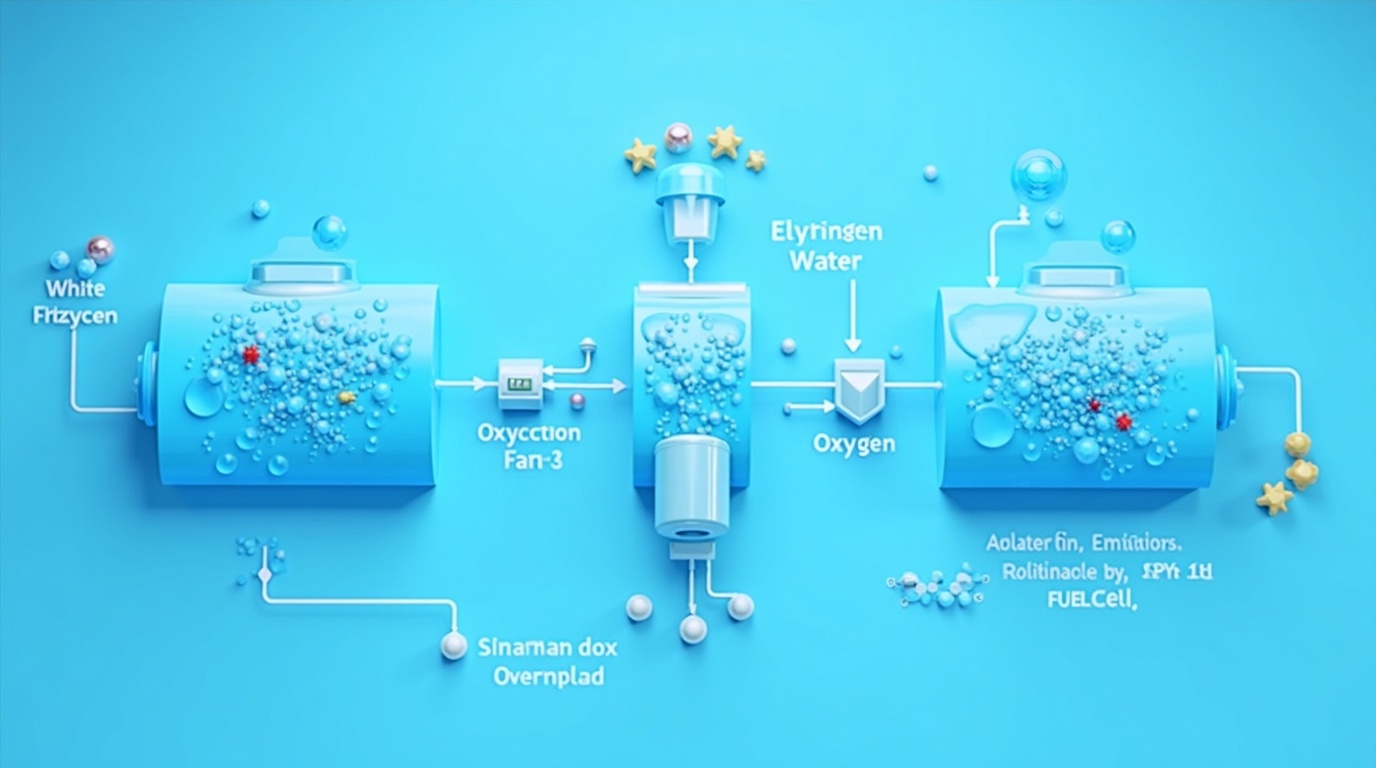
Hydrogen fuel is a clean energy carrier that can power vehicles, industries, homes, and electricity grids. Unlike fossil fuels, hydrogen itself does not release carbon dioxide when used. In hydrogen fuel cells, hydrogen combines with oxygen to produce electricity, generating only water vapour and heat as byproducts.
Because of its versatility, hydrogen can be used in:
- Passenger vehicles
- Heavy-duty trucks
- Ships and maritime transport
- Trains
- Aviation
- Steel manufacturing
- Chemical production
- Power generation
- Energy storage systems
This flexibility makes hydrogen one of the most promising tools for decarbonising sectors where batteries alone may not be practical.
Why Hydrogen Is Attracting Global Attention
The growing interest in hydrogen is driven by several major advantages.
Zero Tailpipe Emissions
Hydrogen fuel cells emit only water vapour, making them one of the cleanest energy technologies available.
As countries struggle with air pollution and climate change, hydrogen creates a pathway toward cleaner cities and healthier communities.
Energy Security
Many nations spend billions importing oil and gas.
Hydrogen can be produced domestically using local resources such as water, solar energy, wind power, biomass, and natural gas. This reduces dependence on foreign energy suppliers and strengthens national energy security.
Fast Refueling
Unlike battery-electric vehicles that may require lengthy charging times, hydrogen-powered vehicles can often be refuelled within minutes.
This makes hydrogen especially attractive for commercial trucking, buses, shipping, and long-distance transportation.
Supporting Renewable Energy
Solar and wind power are intermittent sources of energy.
Hydrogen acts as a storage solution by capturing excess renewable electricity and converting it into a usable fuel that can be stored for months and transported over long distances.
Smart Shift to Hydrogen Fuel: Understanding How Hydrogen Fuel Works
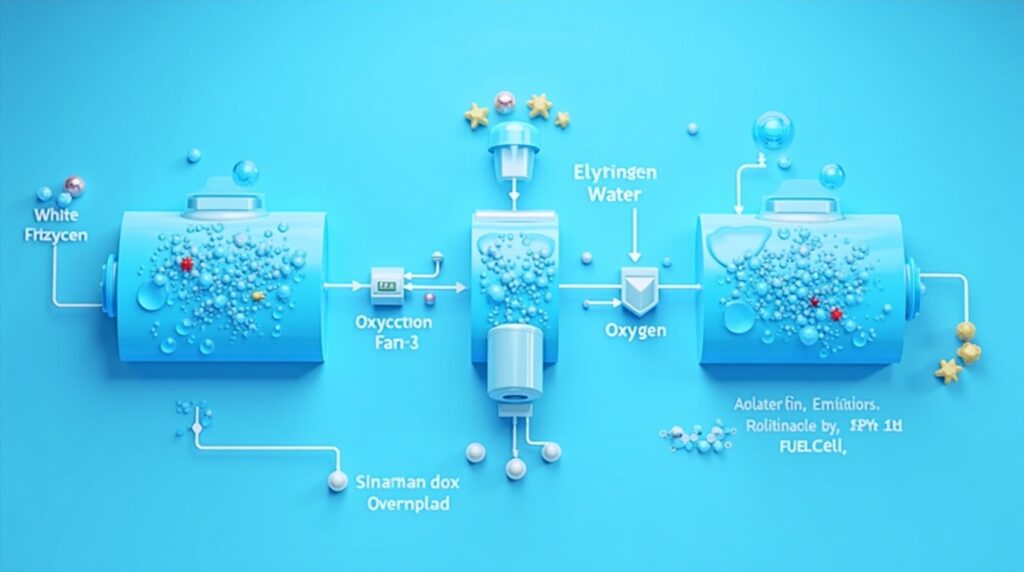
Step 1: Production
Hydrogen is produced through several methods:
Green Hydrogen
Produced by splitting water into hydrogen and oxygen using renewable electricity.
This is considered the cleanest form of hydrogen and is receiving the largest investments worldwide.
Blue Hydrogen
Produced from natural gas while capturing and storing carbon emissions.
Grey Hydrogen
Produced from fossil fuels without carbon capture.
Although currently the most common form, it offers limited climate benefits.
Step 2: Storage
Hydrogen can be stored:
- In high-pressure tanks
- In liquid form at extremely low temperatures
- Through advanced chemical carriers
- In underground storage facilities
Recent innovations are making hydrogen storage safer and more cost-effective than ever before.
Step 3: Utilisation
Hydrogen enters a fuel cell where it reacts with oxygen from the air.
This reaction generates:
- Electricity
- Heat
- Water vapor
The electricity powers electric motors, industrial equipment, or electrical grids.
The Latest Hydrogen Breakthroughs Transforming the Industry
Smart Shift to Hydrogen Fuel. Hydrogen technology has advanced dramatically in recent years.
Next-Generation Electrolysers
Modern electrolysers can produce hydrogen more efficiently while consuming less electricity.
Chinese and European manufacturers have significantly reduced production costs, making green hydrogen increasingly competitive with fossil fuels.
Hydrogen-Powered Aircraft
Several aerospace companies are developing hydrogen-powered aircraft that could dramatically reduce aviation emissions.
Prototype flights have already demonstrated the feasibility of hydrogen aviation, opening a new frontier in clean transportation.
Hydrogen Steel Production
Steel manufacturing accounts for roughly 7% of global carbon emissions.
New hydrogen-based steelmaking technologies are replacing coal in steel production, significantly reducing emissions.
Europe and China are leading many of these projects.
Hydrogen Shipping
The maritime industry is testing hydrogen-powered vessels and hydrogen-derived fuels to reduce emissions from international shipping.
AI-Powered Hydrogen Networks
Artificial intelligence is now being used to optimise hydrogen production, storage, transportation, and distribution, improving efficiency across entire energy systems.
Countries Leading the Hydrogen Race?
United States: Building a Hydrogen Economy
The United States views hydrogen as a strategic technology for achieving energy security and industrial competitiveness.
Major initiatives include:
- Multi-billion-dollar hydrogen hub projects
- Large-scale green hydrogen production facilities
- Investment in heavy transportation applications
- Research into advanced fuel-cell technologies
The United States aims to produce tens of millions of metric tons of clean hydrogen annually by 2050.
American companies are focusing particularly on industrial applications, trucking, aviation, and long-duration energy storage.
Key Strengths
- Massive federal funding
- Strong innovation ecosystem
- Advanced research institutions
- Abundant renewable energy resources
China: The Manufacturing Giant of Hydrogen
China is already the world’s largest producer and consumer of hydrogen.
The country’s strategy combines large-scale manufacturing with aggressive infrastructure development.
China is rapidly expanding:
- Electrolyser manufacturing
- Hydrogen fueling stations
- Fuel-cell vehicle production
- Industrial hydrogen projects
Its manufacturing scale has dramatically reduced equipment costs, making hydrogen technologies more affordable globally.
Key Strengths
- Lowest manufacturing costs
- Massive industrial demand
- Fast infrastructure deployment
- Strong government support
China is expected to remain one of the dominant players in global hydrogen markets through the coming decades.
European Union: Leading the Green Hydrogen Transition
The European Union has developed one of the world’s most ambitious hydrogen strategies.
Its primary focus is green hydrogen produced from renewable energy.
The EU aims to:
- Install large-scale electrolyser capacity
- Reduce dependence on imported fossil fuels
- Decarbonise heavy industries
- Create a continent-wide hydrogen market
Germany’s Leadership Role
Germany is investing heavily in:
- Green hydrogen imports
- Hydrogen-powered industrial facilities
- National hydrogen infrastructure
Many analysts view Germany as Europe’s hydrogen innovation hub.
Key Strengths
- Strong climate policies
- Advanced renewable energy sector
- Extensive industrial partnerships
- Long-term hydrogen planning
Other Countries Making Major Hydrogen Investments
Japan
Japan has been one of the earliest supporters of hydrogen technology and aims to become a hydrogen-based society by 2050.
South Korea
South Korea is deploying hydrogen buses, trucks, and fuel-cell power plants at an impressive pace.
Australia
Australia is positioning itself as a major exporter of green hydrogen using its vast solar and wind resources.
Norway
Norway is exploring hydrogen solutions for shipping and offshore industries.
Canada
Canada is leveraging its renewable energy resources to become a major hydrogen producer and exporter.
How Hydrogen Can Help Fight Climate Change
Hydrogen’s climate benefits extend far beyond transportation.
Reducing Carbon Emissions
Replacing fossil fuels with green hydrogen can significantly reduce global greenhouse gas emissions.
Cleaner Air
Hydrogen fuel cells emit no harmful pollutants, helping improve urban air quality.
Decarbonising Heavy Industry
Industries such as:
- Steel
- Cement
- Chemicals
- Fertilizers
It can dramatically reduce emissions by switching to hydrogen.
Supporting Renewable Energy
Hydrogen provides long-term storage for renewable electricity, solving one of the biggest challenges facing solar and wind power.
Challenges Hydrogen Still Faces
Despite its promise, hydrogen is not without obstacles.
Production Costs
Green hydrogen remains more expensive than fossil-fuel alternatives in many regions.
Infrastructure Requirements
Hydrogen pipelines, fueling stations, storage systems, and transportation networks require major investments.
Energy Efficiency
Producing, compressing, transporting, and converting hydrogen involve energy losses that must be minimized through technological improvements.
Scaling Up
Global hydrogen demand is growing faster than infrastructure deployment, creating supply-chain challenges.
However, ongoing innovation continues to reduce these barriers every year.
The Road Ahead
Many experts believe hydrogen will not replace batteries or renewable energy. Instead, it will complement them.
Batteries may dominate passenger cars and short-distance transportation, while hydrogen could become the preferred solution for:
- Heavy trucks
- Shipping
- Aviation
- Industrial manufacturing
- Long-duration energy storage
The future energy system will likely combine renewable electricity, batteries, and hydrogen working together.
The countries that build efficient hydrogen ecosystems today may become the energy superpowers of tomorrow.
Conclusion
Hydrogen is rapidly evolving from an emerging technology into a critical pillar of the global clean-energy transition.
The United States is investing heavily in innovation and infrastructure. China is leveraging its manufacturing strength to drive down costs. The European Union is leading the push toward green hydrogen and industrial decarbonization.
Whereas challenges remain, advances in electrolysers, fuel cells, hydrogen aviation, steel production, and energy storage are accelerating adoption worldwide.
If current trends continue, hydrogen could become one of the defining energy technologies of the 21st century—helping nations reduce emissions, improve energy security, and build a cleaner, a cleaner and increasingly sustainable future.
Frequently Asked Questions (FAQs)
1. What is hydrogen fuel?
Hydrogen fuel is a clean energy carrier that produces electricity through a chemical reaction with oxygen, emitting only water vapour and heat.
2. Why is hydrogen considered environmentally friendly?
Hydrogen fuel cells produce zero carbon emissions at the point of use and can be generated using renewable energy sources.
3. Which country is leading in hydrogen technology?
China currently leads in hydrogen production and manufacturing capacity, while the European Union leads in green hydrogen policies, and the United States leads in innovation and investment.
4. Can hydrogen replace gasoline and diesel?
Yes, hydrogen can replace gasoline and diesel in many applications, especially heavy trucks, buses, ships, trains, and industrial equipment.
5. What is green hydrogen?
Green hydrogen is produced by splitting water using electricity generated from renewable sources such as solar and wind power.
6. What are the biggest challenges facing hydrogen adoption?
The main challenges include production costs, infrastructure development, storage requirements, and improving overall energy efficiency.
References
- International Energy Agency (IEA)
- U.S. Department of Energy – Hydrogen and Fuel Cell Technologies Office
- Hydrogen Council
- European Commission Hydrogen Strategy
- International Renewable Energy Agency (IRENA)
- Alternative Fuels Data Center