Pakistan Chair of the Borrowers’ Platform: Can Pakistan Challenge the Global Debt Trap, Elite Corruption and Economic Injustice?
Pakistan Chair of the Borrowers’ Platform as global debt rises. Can it challenge the IMF debt trap, elite corruption and the burden on ordinary citizens?
https://mrpo.pk/pakistan-governance-and-corruption-diagnostic-report/
Is becoming the chair of a borrowers’ group a matter of pride or shame?
This is the central question, and it deserves an honest answer. The appointment has two distinct dimensions.
The diplomatic dimension: A reason for cautious pride
Pakistan has secured a leadership role in a new international forum.
This provides an opportunity to:
- Represent the concerns of developing countries.
- Participate in international discussions about debt sustainability.
- Promote better debt-management practices.
- Build relationships with other developing economies.
- Help shape the platform’s priorities and future work.
Such opportunities matter in international diplomacy. A country does not need to be wealthy to contribute meaningfully to international institutions. Leadership can also emerge from experience, technical expertise and the ability to build consensus.
Furthermore, Pakistan previously served as vice-chair during the platform’s development. Its elevation to the chairmanship represents continuity in its involvement, rather than an entirely unexpected appointment. UNCTAD
The economic dimension: A warning that cannot be ignored
There is, nevertheless, an uncomfortable reality.
Pakistan has faced repeated balance-of-payments pressures, substantial external financing requirements and dependence on international financial assistance.
In October 2026, Pakistan remained engaged with the IMF under a programme agreed in 2024. On 7 October 2026, the IMF announced a staff-level agreement that could unlock approximately $1.21 billion, subject to the relevant approval process. Reuters
These circumstances make Pakistan’s debt-management responsibilities particularly important.
The irony is evident: a country struggling with its own debt burden has been entrusted with leading a platform intended to help borrowing countries cooperate on debt-related challenges. But irony is not the same as hypocrisy.
A country facing a problem can offer valuable lessons on how to address it. The real question is whether those lessons lead to better policies and measurable improvements.
The chairmanship is an honour. The circumstances that make debt cooperation necessary are a warning. Both facts can be true at the same time.
What exactly is the Borrowers’ Platform?
United Nations Conference on Trade and Development helped establish the Borrowers’ Platform as an initiative to improve cooperation among developing countries facing debt-related challenges.
Its origins date back to 2025, when a ministerial roundtable held alongside the World Bank–IMF annual meetings initiated work on establishing the platform. In April 2026, the initiative was formally launched in Washington, D.C., with the participation of developing countries and senior international officials.
The organisation subsequently developed its governance arrangements, culminating in its first Governing Council meeting in Bangkok in October 2026. UNCTAD
Why was it created?
Developing countries face several common problems:
- Heavy external debt and rising interest payments.
- Limited access to affordable development financing.
- High borrowing costs compared with wealthier countries.
- Pressure to repay loans while financing healthcare, education, infrastructure and economic development.
- Difficulties managing debt crises and negotiating restructuring arrangements.
The platform aims to help countries share experiences, improve debt-management capabilities and develop common perspectives on international debt issues. However, an important distinction must be made.
The platform is not a bank, does not automatically provide loans, and does not guarantee debt relief.
Pakistan’s finance minister has explicitly stated that it is intended to promote mutual learning and technical cooperation rather than operate as a collective bargaining bloc or crisis-management mechanism. PID
Consequently, Pakistan’s chairmanship does not automatically reduce its debt, interest payments or obligations to international lenders.
When Governments Borrow, Who Really Benefits?
A government borrows billions of dollars in the name of national development. Roads, power plants, irrigation systems, hospitals and industrial projects are promised. International lenders provide financing, and the government assumes responsibility for repaying the principal and interest.
But what happens when the borrowed money fails to deliver the promised benefits?
What happens when projects are overpriced, contracts favour politically connected businesses, public money disappears through corruption, and the resulting debt remains a liability of the state?
The answer is deeply troubling: the benefits of borrowing can become concentrated in a relatively small group, while the financial burden is spread across millions of ordinary citizens.
Taxpayers must continue financing the debt. Electricity consumers may face higher charges. Public spending comes under pressure, and money that could have supported education, healthcare and employment is diverted towards debt servicing.
This is not merely a question of economics. It is a question of governance, accountability and social justice.
Against this background, Pakistan’s appointment as chair of the Governing Council of the newly established Borrowers’ Platform in October 2026 deserves much closer examination than the celebratory headlines it has generated.
Can this international forum help developing countries escape repeated debt crises? Will it confront the corruption that undermines the productive use of borrowed money? Can countries reduce their dependence on the International Monetary Fund (IMF), the World Bank and other international lenders?
And, most importantly, will ordinary citizens finally receive the benefits of the money borrowed in their name? These are the questions that should define the debate.
1. Pakistan’s Chairmanship of the Borrowers’ Platform: What Actually Happened?
The appointment is genuine. Pakistan assumed the chairmanship of the Governing Council of the Borrowers’ Platform during the annual meetings of international financial institutions in Bangkok, Thailand, in October 2026. The platform operates under the auspices of the United Nations Conference on Trade and Development (UNCTAD), which provides its secretariat and technical support.
Its origins date back to October 2025, when a ministerial roundtable established a working group to develop the initiative. Egypt initially chaired the working group, while Pakistan served as vice-chair. Colombia, Honduras, the Maldives, Nepal and Zambia were the other founding participants in that group. The platform was formally launched on 15 April 2026 in Washington, D.C. Its first Governing Council meeting took place in Bangkok on 12 October 2026.
These developments are documented in the official UNCTAD Borrowers’ Platform records.
Is Pakistan now the leader of the world’s most indebted countries?
No. The chairmanship does not mean that Pakistan has the world’s largest debt or that it has been ranked as the worst-performing borrower. Nor does it make Pakistan the head of the IMF or World Bank.
The platform is intended to facilitate cooperation, improve debt-management practices and strengthen the participation of borrowing countries in international discussions about debt and development financing. Pakistan’s leadership is therefore a diplomatic opportunity, but it should not be confused with an achievement in economic recovery.
The appointment deserves recognition as an international responsibility. Whether it becomes a meaningful national achievement depends on what Pakistan does with it.
2. The Global Debt Crisis: How Serious Is the Problem?
During 2023, developing countries paid approximately $1.4 trillion to service their foreign debt, including a record $406 billion in interest. These figures cover the period reported by the World Bank; they should not be interpreted as current 2026 debt totals.
The report also showed that countries eligible for financing from the World Bank’s International Development Association paid $96.2 billion to service their debt in 2023, including $34.6 billion in interest. The figures illustrate the pressure that external debt can place on countries with limited financial resources.
Source: World Bank, International Debt Report 2024.
What does debt servicing actually mean?
Debt servicing generally involves paying interest and repaying the principal according to the terms of a loan. These payments compete with other demands on a government’s finances.
Consider a country that must spend an increasing share of its revenue on interest payments. Even if the government wishes to improve public hospitals, schools and transport, its financial room for manoeuvre becomes more restricted.
The problem becomes more severe when a country must borrow again to meet existing obligations or when a shortage of foreign currency makes repayments difficult. However, not all debt is harmful.
Borrowing can be economically beneficial when it finances productive investments that improve infrastructure, expand exports, increase productivity or generate sufficient future income. The real problem arises when debt accumulates faster than a country’s capacity to repay it, particularly when borrowed money produces inadequate economic returns.
The central issue is not simply how much a country borrows. It is whether the money borrowed creates enough lasting value to justify the financial obligations imposed on future taxpayers.
3. The Missing Link: Debt, Corruption and the Capture of Public Wealth
This is perhaps the most important part of the entire debate. Discussions about sovereign debt frequently concentrate on interest rates, fiscal deficits, exchange rates and negotiations with creditors. These factors matter, but they do not tell the whole story.
A government can borrow money on reasonable terms and still waste it through poorly selected projects, weak administration, or corruption.
Conversely, a country may face high borrowing costs despite maintaining relatively strong financial controls because international economic conditions have deteriorated.
Debt sustainability, therefore, requires examining both the external financing environment and the domestic use of borrowed resources.
How can borrowed money disappear without eliminating the debt?
Imagine that a government obtains a loan of $5 billion to modernise its electricity system. The project is supposed to improve generation, reduce transmission losses, expand industrial production and lower the economic cost of unreliable electricity. Now consider several possible failures.
Overpriced contracts: The government pays substantially more than a comparable project should cost.
Corrupt procurement: Contracts are awarded through favouritism, collusion or kickbacks rather than genuine competition.
Political interference: Projects are selected primarily for political advantage rather than economic need.
Incomplete construction: Public money is spent, but the infrastructure remains unfinished or performs far below its intended capacity.
Weak oversight: Audits identify irregularities, but corrective action is delayed or never taken.
Financial diversion: Funds are misappropriated, while the government remains legally responsible for repaying the loan.
These are different problems, and not every cost overrun or unsuccessful project proves corruption. Establishing criminal wrongdoing requires evidence and due process. Nevertheless, where corruption or serious mismanagement does occur, the consequences can be devastating.
The country retains the debt even when the promised economic benefits fail to materialise. The people who ultimately bear the cost may have had no meaningful role in approving the original loan or deciding how its proceeds were spent.
What does international evidence say?
The World Bank has repeatedly warned that inadequate debt transparency makes it harder to assess countries’ true financial obligations and can increase the risk of debt distress.
Its 2021 report, Debt Transparency in Developing Economies, found that nearly 40% of the low-income countries examined had either not published sovereign debt data on their websites or had failed to update it for at least two years. The report also identified inconsistencies in debt reporting, undisclosed liabilities and weaknesses in the monitoring of certain borrowing arrangements.
Source: World Bank, Debt Transparency in Developing Economies.
The World Bank’s subsequent Radical Debt Transparency Report continued to identify important weaknesses in debt disclosure and oversight, including risks associated with complex and off-budget borrowing.
These findings do not prove that all developing countries are corrupt. They demonstrate that inadequate disclosure and weak oversight can make it harder to establish what governments owe, how liabilities were incurred and whether public resources are being managed responsibly.
A government should not be able to borrow in the public’s name without providing a credible account of where the money went and what it achieved.
4. Who Benefits From Borrowing, and Who Pays the Price?
The distribution of benefits and costs is central to the question of economic justice. When public borrowing finances productive infrastructure, its benefits may extend across society.
A reliable electricity system can support factories, businesses and households. An effective irrigation project can improve agricultural productivity. A well-planned transport network can reduce the cost of moving goods and people.
In such cases, taxpayers inherit both a financial obligation and an asset that may generate lasting benefits. The situation is different when borrowed funds are wasted or diverted.
A politically connected contractor may receive an excessive payment. A company may benefit from an improperly awarded contract. A public project may generate private gains without delivering corresponding public value. The government still has to service the debt.
The costs may then be transmitted to ordinary citizens through higher taxes, increased utility charges, reduced public expenditure, or other economic pressures. This does not mean every wealthy person benefits from corruption, nor that all government borrowing is misused. Such claims require evidence. The underlying principle, however, is straightforward:
When the benefits of public borrowing are concentrated, but the repayment obligations are spread across society, accountability becomes a question of economic justice.
The difference between productive debt and wasted debt
| Productive borrowing | Borrowing that fails to deliver |
|---|---|
| Financial infrastructure or services that provide lasting benefits | Finances projects with little economic or social value |
| Can increase productivity and future income | May create liabilities without sufficient future returns |
| Can strengthen the government’s future revenue base | Can intensify pressure on taxes and public expenditure |
| May benefit future generations alongside repayment obligations | Can leave future generations with debt but inadequate assets |
| Requires transparent planning and independent evaluation | Often exposes weaknesses in project selection, oversight or governance |
This distinction should be at the heart of every serious discussion about public borrowing.
5. Has the Borrowers’ Platform Addressed Corruption Directly?
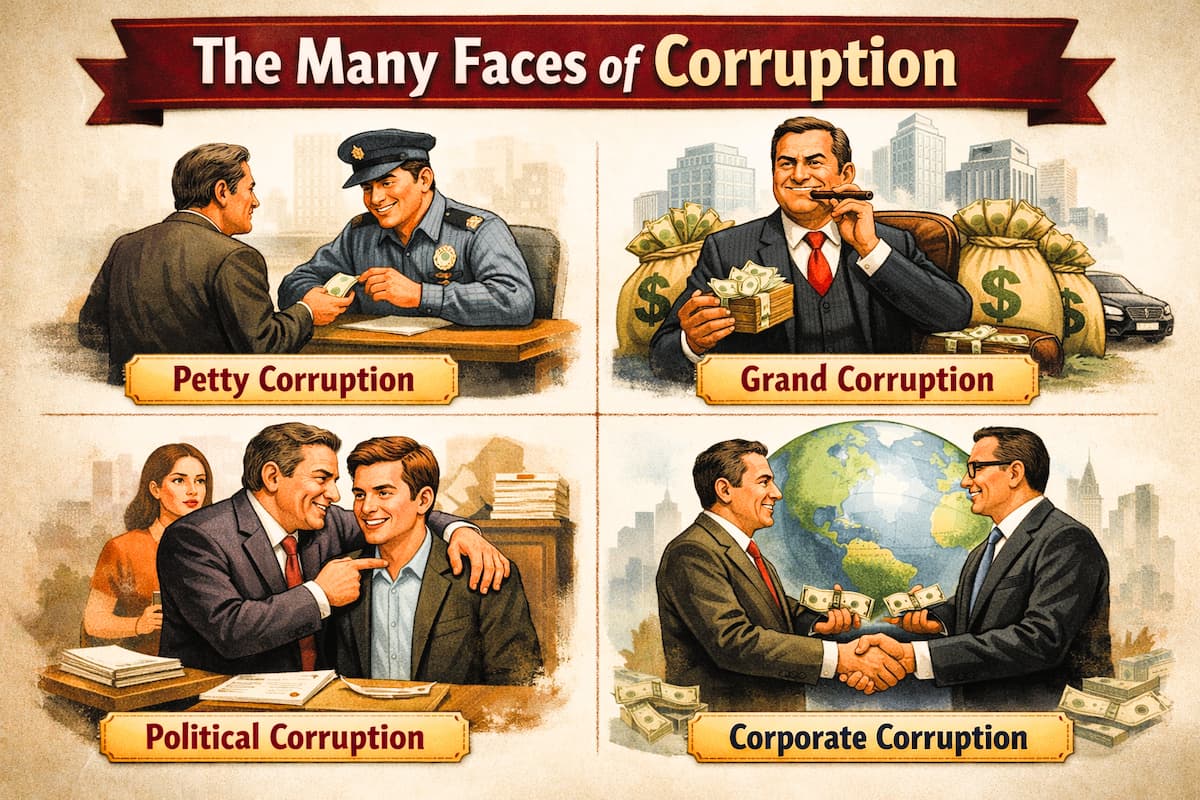
This question requires a distinction between the platform’s published mandate and what has actually been demonstrated in its public proceedings.
UNCTAD describes the Borrowers’ Platform as an initiative to facilitate the exchange of experience among borrowing countries, strengthen their voice in international discussions and improve debt-management practices.
Its activities are intended to support cooperation and technical learning rather than operate as a collective debt-cancellation or crisis-management mechanism.
The official mandate can be examined in the UNCTAD Borrowers’ Platform overview.
What has been established?
Debt transparency and better debt management are central to the initiative. These objectives are relevant to corruption because incomplete records, undisclosed liabilities and weak oversight can make the misuse of public resources more difficult to detect.
What remains unproven?
The public documentation available for this article does not establish that the platform’s first Governing Council meeting adopted a comprehensive anti-corruption programme covering procurement fraud, beneficial ownership, recovery of misappropriated public funds and the independent investigation of major publicly financed projects.
It would therefore be premature to claim that the forum has already confronted these issues comprehensively. This is an important distinction between an objective and an achievement. A platform may promote better debt management without possessing the authority to investigate criminal cases, prosecute offenders, or recover stolen assets.
Those responsibilities principally belong to competent national authorities and, where appropriate, the relevant international cooperation mechanisms.
What should the platform do?
Pakistan could use its chairmanship to encourage a more explicit connection between debt management and public accountability.
A practical programme could include:
- Public disclosure of the terms and purposes of major government loans.
- Publication of project costs, implementing agencies and procurement arrangements.
- Independent audits of major publicly financed projects.
- Disclosure of conflicts of interest and the beneficial ownership of companies receiving public contracts, subject to appropriate legal safeguards.
- Transparent reporting of project completion, performance and economic returns.
- Effective investigation of substantiated allegations of fraud and corruption.
- Recovery of misappropriated public assets wherever legally possible.
These measures would not eliminate corruption automatically. They would, however, make it easier to identify irregularities and hold responsible parties accountable. The platform itself cannot replace national accountability institutions, but it could help countries learn from one another about how to strengthen them.
6. Can the IMF and World Bank Be Blamed for the Debt Trap?
The answer is more complicated than either unconditional criticism or unconditional defence of international financial institutions. The IMF and World Bank perform different functions.
The IMF provides financial assistance to countries experiencing balance-of-payments problems and supports international monetary stability.
The World Bank Group finances development projects and programmes and provides policy and technical support.
Their financing can help countries manage crises, sustain essential imports, support development and avoid more damaging economic disruptions. But loans also create repayment obligations, and the terms and consequences of financing deserve scrutiny.
The IMF’s role
IMF programmes may require governments to undertake fiscal, monetary, exchange-rate, or structural reforms, depending on the circumstances and the programme’s design. Such reforms can aim to stabilise an economy and restore access to financing. However, their distributional consequences can be significant.
Tax increases, subsidy reforms and spending restraint may impose costs on households and businesses. The extent of those costs depends on the measures adopted, the economic context and the protections provided to vulnerable groups. A programme’s economic targets also do not automatically guarantee that public expenditure is free from corruption.
The World Bank’s role
World Bank financing can support infrastructure, health, education, agriculture and other development priorities. Yet the quality of the outcome depends on project selection, implementation, financial controls and the capacity of institutions responsible for delivering results.
A development loan is not inherently wasteful. Nor does the involvement of an international institution guarantee that every project will succeed.
What is the real lesson?
It is misleading to attribute every debt crisis exclusively to international lenders. Countries also make domestic decisions about taxation, public expenditure, borrowing, investment and economic management.
At the same time, the terms of international financing, global interest rates, exchange-rate movements and the structure of the international financial system can materially affect debt sustainability. A serious assessment must examine both sides.
Fairer financing arrangements and stronger domestic accountability are complementary requirements. Neither can substitute for the other.
7. How Can Countries Escape Repeated Dependence on IMF Financing?
A country may repay the IMF but continue borrowing from foreign governments, commercial banks, international bond investors, or development institutions.
The more useful question is whether a country has developed the economic capacity to meet its external obligations without repeatedly requiring emergency assistance.
South Korea: Recovery after the Asian financial crisis
South Korea received IMF assistance during the Asian financial crisis of the late 1990s.
It subsequently repaid its crisis-era IMF financing ahead of the original schedule as its economy recovered.
Its experience illustrates the importance of economic recovery, external earnings and restored financial confidence. It does not mean that South Korea eliminated all external borrowing or became permanently immune to financial crises.
Brazil: Repayment of IMF credit
Brazil repaid its outstanding IMF credit ahead of schedule in 2005. That repayment was an important financial milestone, but Brazil continued to have public debt and other external financial relationships. Its experience illustrates the difference between ending outstanding IMF borrowing and eliminating debt altogether.
Indonesia: Repayment after the Asian financial crisis
Indonesia also repaid its outstanding IMF credit following the crisis-era programmes. However, repayment did not eliminate all subsequent economic and fiscal challenges. The country’s experience reinforces the point that leaving an IMF programme does not automatically resolve every structural weakness.
The IMF’s historical financial records provide a basis for examining countries’ borrowing and repayment histories. Its historical disbursements and repayments database provides country-level information covering transactions from May 1984 onwards.
What do these examples teach Pakistan?
They demonstrate that IMF dependence is not inevitable. But sustainable independence requires more than repaying one institution. Countries generally need to strengthen their export earnings, productivity, fiscal management, investment environment and foreign-exchange capacity. They must also manage public debt carefully and ensure that borrowing supports economic activity capable of generating future income.
A country that repays the IMF by replacing its loans with expensive commercial borrowing may simply have transferred its financial pressure from one creditor to another.
The real objective is not to stop borrowing from a particular institution. It is to build an economy that no longer needs repeated emergency financing to meet its external obligations.
8. Can Countries Escape Dependence on the World Bank and All Other International Lenders?
This is a different question. There is no single international measure establishing that a country has permanently eliminated every form of external borrowing. Countries differ in their access to domestic savings, foreign investment, export earnings and international capital markets.
Some may stop using IMF emergency financing while continuing to receive World Bank loans. Others may repay development loans but continue borrowing from commercial creditors. It is therefore important to distinguish between three objectives.
IMF independence: The ability to manage external payments without repeated IMF rescue programmes.
Development-financing independence: The capacity to finance a substantial share of essential development from domestic resources, productive investment and sustainable revenue.
External-debt sustainability: The ability to meet foreign-currency obligations without recurring balance-of-payments crises.
These objectives are related, but they are not identical.
What about international debt relief?
International initiatives have also helped countries reduce unsustainable debt burdens. The IMF and World Bank’s Heavily Indebted Poor Countries initiative, together with the Multilateral Debt Relief Initiative, has provided substantial debt relief to eligible countries. Debt relief can create room for essential expenditure and reduce immediate repayment pressures.
However, relief does not guarantee permanent freedom from debt distress. Countries can accumulate new liabilities if they fail to strengthen public finances, improve investment outcomes and manage future borrowing responsibly.
For Pakistan, the lesson is not that all international borrowing should be rejected. It is that borrowing should serve a credible economic strategy rather than become a recurring substitute for sustainable revenue, competitive exports and productive investment.
9. The Human Cost: When Ordinary Citizens Pay for Economic Failure
Economic debt is often discussed through spreadsheets, ratios, interest rates and repayment schedules. But behind those figures are people. When governments face severe financial pressure, households can experience higher prices, rising utility costs, reduced public services, unemployment and declining purchasing power.
The impact is often hardest on people who have limited savings and little capacity to absorb sudden increases in living costs. Debt servicing can also constrain the resources available for healthcare, education, housing and social protection.
The World Bank’s 2024 debt report illustrates the scale of this pressure: developing countries spent a record $1.4 trillion servicing foreign debt in 2023, while interest payments reached $406 billion. These are resources that could not simultaneously be used for other purposes, although the precise budgetary trade-offs differ from country to country.
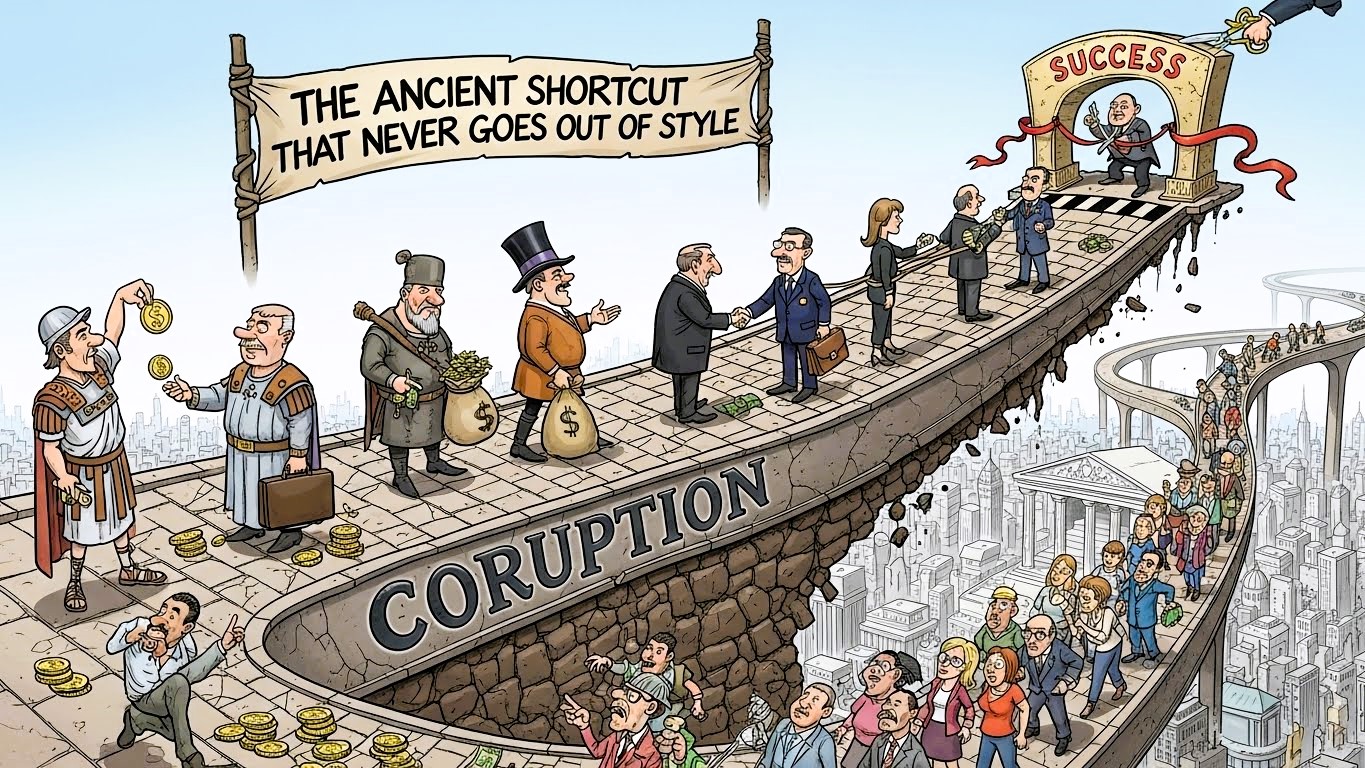
Economic distress and suicide
Severe financial hardship can contribute to psychological distress, hopelessness and family insecurity. However, suicide is a complex outcome involving multiple interacting factors. It would be incorrect to attribute a particular suicide directly to national debt or an IMF programme without specific evidence.
That qualification does not diminish the human consequences of economic hardship. Governments must recognise that financial stabilisation is not an end in itself. Its purpose is to create conditions in which people can live more secure, productive and dignified lives.
Economic adjustment should therefore be accompanied by appropriate social protection, access to essential services, employment opportunities and safeguards for vulnerable households.
A country’s financial recovery should be measured not only by whether it can repay its creditors, but also by whether its citizens can afford to live with dignity.
10. What Should Pakistan Demand During Its Chairmanship?
Pakistan’s position gives it an opportunity to help shape the platform’s agenda. Its own experience of external financing pressures makes debt transparency, fiscal sustainability and productive investment particularly relevant subjects. The government should focus on practical outcomes rather than diplomatic announcements.
A. Publish a debt-to-development accountability report
For every major publicly financed project, governments should disclose the amount borrowed, financing terms, responsible agencies, contractors, project costs and completion status. They should also publish independent assessments of whether the project delivered its intended economic and social benefits.
B. Strengthen public procurement and auditing
Competitive procurement, independent audits and effective conflict-of-interest rules can help reduce opportunities for fraud and favouritism. Where irregularities are identified, authorities should explain what action was taken and whether public losses were recovered.
C. Improve transparency about government liabilities
Debt reporting should cover more than central government loans. Depending on the country’s institutional arrangements, it may also need to disclose government guarantees, public-sector liabilities, state-owned enterprise obligations and other material commitments that could ultimately affect public finances.
The World Bank’s Radical Debt Transparency Report highlights the importance of stronger disclosure, oversight and monitoring of complex borrowing arrangements.
D. Promote productive investment
Borrowing decisions should be evaluated according to their expected economic returns, social benefits, financing costs and risks. Projects should not be approved simply because financing is available or because they offer short-term political advantages.
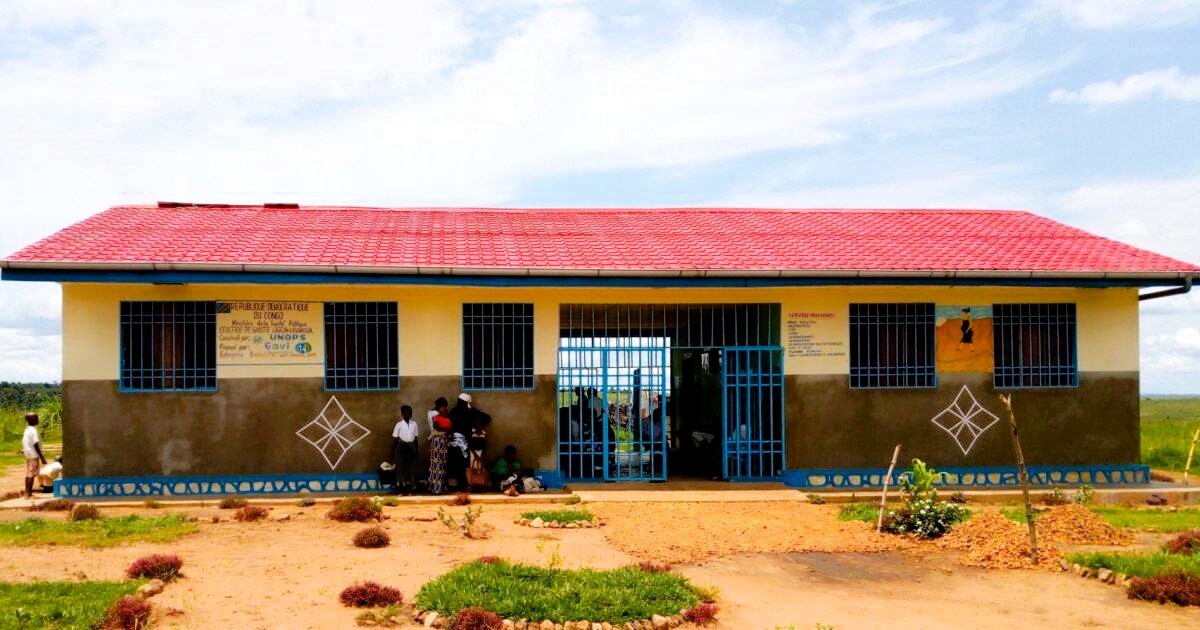
E. Encourage cooperation on asset recovery
Where credible evidence establishes that public money has been misappropriated and transferred abroad, countries should strengthen lawful cooperation among investigators, courts and relevant financial authorities.
The platform cannot itself seize assets or prosecute offenders, but its members can exchange practical experience on improving transparency and pursuing legitimate recovery processes.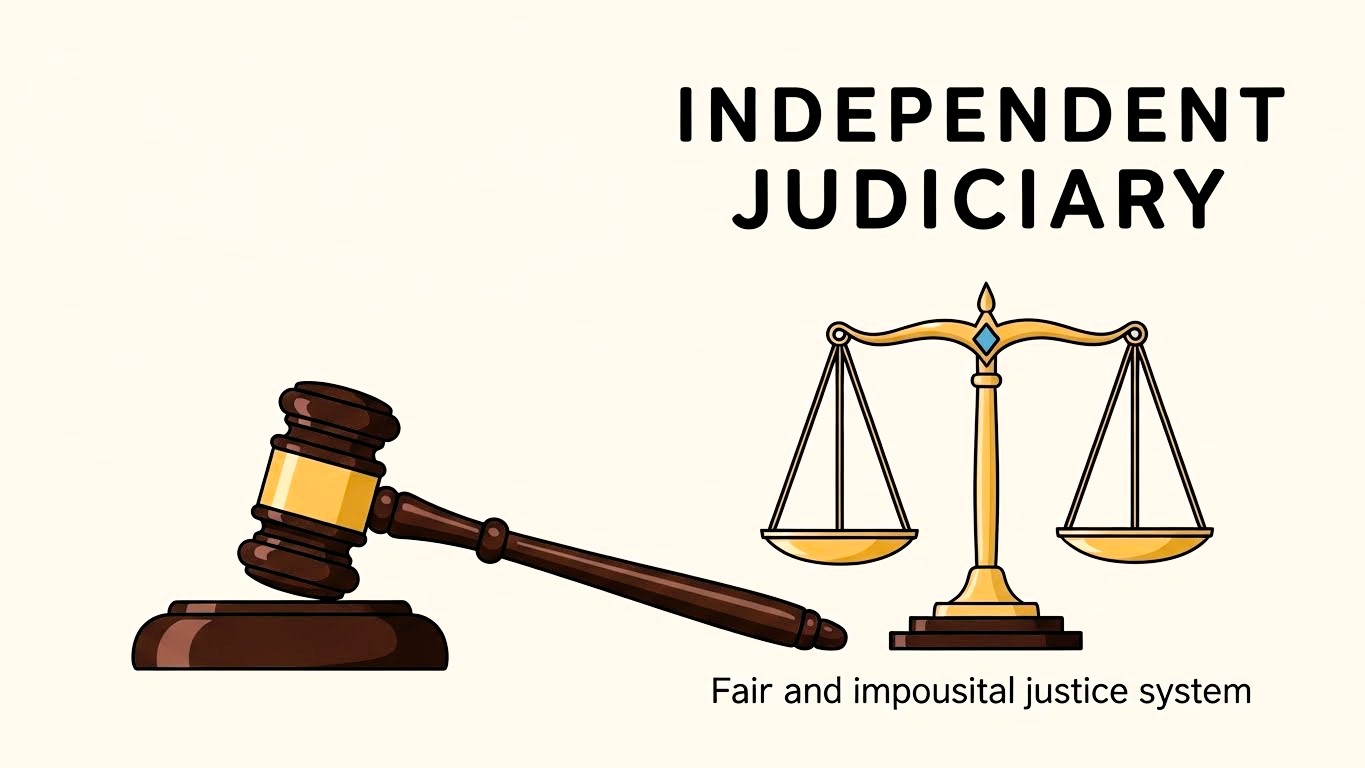
F. Protect vulnerable households
Economic adjustment should be designed with attention to its effects on low-income households. Governments should assess how changes in taxation, subsidies and public expenditure affect access to food, healthcare, education and other essential services.
G. Publish measurable results
Pakistan should report what its chairmanship achieves in practical terms. Useful indicators would include improvements in debt disclosure, better public financial management, stronger auditing practices, increased cooperation among member countries and the development of workable proposals for sustainable development financing.
The success of Pakistan’s chairmanship should ultimately be judged by measurable improvements in debt governance, not by the prestige of the position alone.
11. The Central Contradiction: Can Countries Fight Debt Without Fighting Corruption?
The international debt problem has two interconnected dimensions.
The first is external: borrowing costs, global interest rates, exchange-rate pressures, creditor coordination and the availability of affordable financing.
The second is domestic: tax collection, public expenditure, procurement, political accountability, project selection and the effective use of borrowed funds.
Countries can face genuine external constraints even when their domestic institutions function reasonably well. Conversely, favourable financing terms cannot guarantee development if public money is misused.
A country may obtain debt relief and still accumulate new unsustainable liabilities. It may secure cheaper loans but fail to invest them productively. It may satisfy certain financial targets while leaving major weaknesses in procurement or public accountability unresolved.
This is why debt reform must extend beyond the negotiation of repayment terms. It must also address the institutions responsible for approving loans, spending the money, monitoring projects and investigating wrongdoing.
What would genuine reform look like?
A credible system must ensure that:
- Every major public loan has a clearly defined purpose.
- The financial terms and material liabilities are disclosed.
- Projects are independently evaluated before approval.
- Contracts are awarded through transparent procedures.
- Expenditure is audited and results are published.
- Credible allegations of wrongdoing are investigated.
- Public money is recovered where the law permits.
- Debt programmes account for their social consequences.
- Future borrowing is assessed against the country’s capacity to repay.
These principles do not guarantee that every project will succeed or that every debt crisis can be prevented. They do, however, help create the conditions for more responsible borrowing and stronger public accountability.
A fair international financial system and an accountable domestic government are not competing explanations for the debt crisis. Both are necessary parts of the solution.
Conclusion: Pakistan Must Turn Its Chairmanship into a Campaign for Accountability
Pakistan’s chairmanship of the Borrowers’ Platform is a genuine diplomatic development. The initiative provides an opportunity for developing countries to share experience, improve debt-management practices and strengthen their participation in international discussions about financing and development. But the position does not automatically reduce Pakistan’s debt, cancel its obligations, or give it authority over the IMF and World Bank.
Its value will depend on what the participating countries achieve.
The international debt figures demonstrate that borrowing costs are placing considerable pressure on developing economies. The World Bank’s research also shows that gaps in debt transparency remain a serious problem. Meanwhile, the possibility that corruption and mismanagement can deprive citizens of the benefits of public borrowing makes accountability essential.
Pakistan should therefore use its chairmanship to promote transparent loans, independent audits, productive investment, stronger procurement safeguards and measurable improvements in public financial management.
It should also recognise that economic independence cannot be achieved simply by avoiding one lender. It requires a productive economy, sustainable public finances, competitive exports and the capacity to meet external obligations without repeated emergency assistance.
Above all, governments must remember that public debt is not an abstract accounting entry. It represents obligations that can shape the opportunities available to future generations.
When borrowed money creates lasting public value, those obligations may be justified. When it is wasted or diverted, citizens can inherit the bill without receiving the promised benefits.
The people who ultimately pay taxes, bear economic adjustment and depend on public services deserve to know how their governments use borrowed money.
The Borrowers’ Platform offers Pakistan an opportunity to help advance that principle. Whether the opportunity produces meaningful change remains to be demonstrated.
The real measure of success is not how effectively a country borrows, how frequently it negotiates another loan, or how prominently it sits at international conferences. It is whether public borrowing improves people’s lives, whether public money reaches its intended destination, and whether those responsible for its misuse are held accountable.
That is the standard by which Pakistan’s chairmanship—and the wider international debt system—should be judged.
Frequently Asked Questions (FAQs)
1. What is the Borrowers’ Platform, and why is Pakistan chairing it?
The Borrowers’ Platform is a UNCTAD-supported initiative established in 2026 to help borrowing developing countries exchange experience, improve debt-management practices and strengthen their participation in international discussions about debt. Pakistan served as vice-chair of the original working group before assuming the Governing Council chairmanship in October 2026. The appointment is a diplomatic responsibility, not proof that Pakistan has achieved economic independence.
2. Has the Borrowers’ Platform adopted a comprehensive anti-corruption programme?
The platform’s published objectives include better debt management, transparency and cooperation among borrowing countries. However, the public documentation available for this article does not establish that its first Governing Council meeting adopted a comprehensive anti-corruption programme covering procurement fraud, beneficial ownership, asset recovery and investigations into the misuse of borrowed funds. These are important areas that participating countries could pursue through future technical cooperation.
3. How does corruption make a country’s debt crisis worse?
Corruption can divert public money, inflate project costs and undermine investment. When borrowed funds fail to deliver the expected economic benefits, the government still owes the principal and interest. Taxpayers may then face greater financial pressure without receiving the infrastructure or services that the borrowing was intended to provide.
4. Have any countries repaid the IMF and reduced their dependence on its loans?
Yes. South Korea repaid its crisis-era IMF financing ahead of schedule following the Asian financial crisis, Brazil repaid its outstanding IMF credit in 2005, and Indonesia repaid its outstanding IMF credit after its crisis-era programmes. These examples show that countries can end particular episodes of IMF borrowing. They do not mean that all external debt disappears or that countries can never face another financial crisis.
5. Can a country completely eliminate its dependence on the IMF and World Bank?
A country can reduce or end its reliance on particular international lenders, but eliminating every form of external borrowing is a different objective. Sustainable financial independence requires sufficient export earnings, productive investment, effective tax collection, sound public finances and the capacity to meet foreign-currency obligations. Repaying one lender while replacing its loans with expensive borrowing elsewhere does not necessarily solve the underlying problem.
6. What should Pakistan do to ensure that borrowed money benefits ordinary citizens?
Pakistan should improve debt transparency, disclose the terms of major public loans, strengthen competitive procurement, conduct independent project audits and investigate substantiated allegations of corruption. It should also prioritise investments that increase productivity and generate lasting economic benefits. Finally, it should publish measurable results so citizens can assess whether public borrowing is improving their lives rather than merely increasing the government’s repayment obligations.
References and Further Reading
The following authoritative sources provide additional information on international debt, transparency and the Borrowers’ Platform.
- UNCTAD — Borrowers’ Platform: Official information on the platform’s objectives, working group, governance and meetings.
UNCTAD Borrowers’ Platform - World Bank — International Debt Report 2024: Data on developing countries’ external debt and debt-servicing payments.
International Debt Report 2024 - World Bank — Debt Transparency in Developing Economies: Analysis of weaknesses in public debt disclosure and debt-monitoring systems.
Debt Transparency in Developing Economies - World Bank — Radical Debt Transparency Report: Analysis of continuing debt-transparency gaps and recommendations for stronger oversight.
Radical Debt Transparency Report - IMF — Historical Disbursements and Repayments: Country-level records of IMF financing and repayments.
IMF Historical Financial Records - Government of Pakistan — Press Information Department: Official government announcements, including information on Pakistan’s chairmanship and related economic initiatives.
Press Information Department, Government of Pakistan
Editorial note: The global debt figures cited above relate to the specific reporting periods identified in the article. They should not be interpreted as current 2026 totals. The assessment of the Borrowers’ Platform’s anti-corruption agenda is limited to its publicly documented objectives and proceedings available as of 14 October 2026.