A Guide to Using Herbs, Spices, and Household Items for Natural Healthcare”: Harnessing the Power of Nature 2025
Updated: March,2026
Guide for US & Europe: Herbs, Spices, and Everyday Items
1. What Are Herbs & Spices?
-
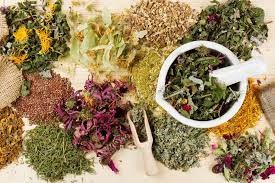
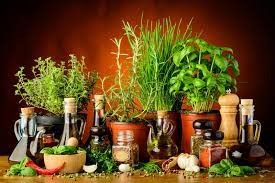
Herbs are typically the green, leafy parts of plants (fresh or dried) used to season food, such as basil, parsley, and cilantro.
-
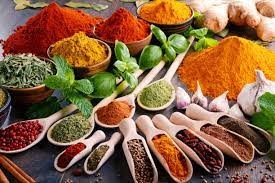
Spices come from seeds, roots, bark, fruits, or flowers like cinnamon, turmeric, pepper, and cloves.
Both add flavour and aroma to food without adding calories, and many also have traditional health uses.
2. Common Culinary Herbs & Spices (US/Europe Kitchens)
Here are staples you’ll see in most Western kitchens:
Herbs
-
Basil
-
Parsley
-
Oregano
-
Rosemary
-
Thyme
-
Dill
Spices
-
Black pepper
-
Cumin seeds
-
Turmeric
-
Cinnamon sticks
-
Paprika
-
Nutmeg
These are used in everyday cooking, from pasta sauce and roasted veggies to soups, curries, and marinades.
3. How People in the US & Europe Use Them
Cooking:
People in the US and Europe use herbs and spices mainly as flavour enhancers in cuisine, Italian seasons (like basil & oregano), BBQ rubs (paprika & black pepper), and baking spices (cinnamon & nutmeg).
Health & Wellness:
Many herbs are also used in teas and wellness drinks — for example:
-
Ginger for digestion
-
Chamomile tea for relaxation
-
Mint for stomach comfort
Unlike the traditional medicine approaches mentioned in the MrPakistan article, in the US and Europe, these uses are complementary, not replacements for medical care. It’s always wise to check with a healthcare provider, especially when using herbs for health purposes.
4. Quality & Safety, What Western Consumers Should Know
In the European Union and the US:
🇪🇺 Europe
-
There’s strict quality control on imported herbs and spices to ensure safety and authenticity. Some products (e.g., cumin, nutmeg) may be tested for contaminants like pesticide residues and aflatoxins.
🇺🇸 United States
-
The FDA monitors food safety, including spices, but quality standards can vary by supplier. Organic and certified products are often chosen for peace of mind.
In both regions, certified organic labels or reputable spice brands can help ensure you’re getting safer, higher‑quality ingredients.
5. Everyday Household Items (Beyond Herbs/Spices)
Many common kitchen items are used in traditional home remedies or cooking:
-
Lemon (vitamin C & flavour)
-
Honey (sweetener & soothing agent)
-
Garlic (cooking staple with antimicrobial reputation)
-
Apple cider vinegar (popular in drinks and wellness trends)
Again, while these are widely used culturally, their health benefits should be taken in context and backed by evidence or professional advice where appropriate.
Quick Takeaway
-
Herbs & spices are delicious and versatile in Western kitchens.
-
They can have traditional health uses, but that’s not a substitute for modern medical guidance.
-
Quality and safety standards in the US/EU are strong, and choosing trusted brands brings extra peace of mind.
1. In the olden days, folks used to use herbs, spices and household items and simple methods to overcome diseases like vomiting, temperature, jaundice and many pediatric illnesses. What methods were in practice these days?
Cinnamon has potent antioxidant activity, helps fight inflammation and has been shown to lower cholesterol and triglycerides in the blood (2Trusted Source, 3Trusted Source, 4Trusted Source).
In the past, people relied on natural remedies and home remedies to treat common illnesses with herbs, spices and household items. Some of the methods that were used to treat the illnesses you mentioned include:
-
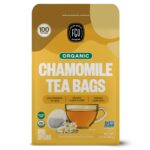
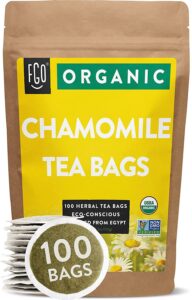
FGO Organic Chamomile Tea,https://a.co/d/bVqzC6a Vomiting: Ginger, mint, and chamomile tea are all known to help soothe an upset stomach and reduce nausea. Additionally, sucking on ice chips or drinking small sips of clear liquids like water or apple juice can help alleviate vomiting.https://amzn.to/42gK40o
- Fever: To reduce fever, people used to place wet cloths or towels on the forehead, neck, and armpits. They also used to take a cool bath or sponge bath to reduce their body temperature.
- Jaundice: For jaundice, people used to consume a mixture of lemon juice and honey in water. Papaya leaves were also used to treat jaundice.
- Pediatric illnesses: For minor illnesses such as cough and cold, parents used to give their children a teaspoon of honey mixed with warm water or tea. Additionally, a warm compress on the chest or back can help alleviate cough and congestion.
It’s important to note that while these natural remedies may have been effective for some people, they are not a substitute for modern medical treatments. It’s always important to consult with a healthcare professional if you are experiencing any health issues.
2. Old Practices Using Herbs, Spices and Household
While natural remedies and traditional practices may have some benefits and have been used for centuries in many cultures around the world, it’s important to remember that they may not always be effective for everyone, and some may even be harmful. Moreover, these practices may not be scientifically proven to work or may not have undergone the rigorous testing that modern medicines undergo to ensure their safety and effectiveness.

It’s also important to note that in some cases, using traditional practices alone to treat a serious medical condition can be risky and potentially life-threatening. In such cases, it is important to seek the advice of a qualified healthcare professional who can provide an accurate diagnosis and appropriate treatment based on the individual’s specific medical condition and health history.
In summary, while traditional practices and natural remedies may work for some people, it’s important to always exercise caution and consult with a healthcare professional for any medical conditions or concerns.
3. Medicine’s Known Side Effects on the Human Body
Like any medication, modern medicines can have potential side effects, but it’s important to remember that these side effects are usually outweighed by the benefits of the medication. In addition, modern medicines undergo rigorous testing and clinical trials to ensure their safety and effectiveness before they are approved for use by regulatory agencies.
While it’s true that some medications may have side effects, these can often be managed by adjusting the dosage or switching to a different medication. Many medications are also designed to treat specific symptoms or conditions, and the benefits they provide can greatly improve a patient’s quality of life.
In addition, modern medicine has made significant advances in the treatment of chronic and complex diseases, including cancer, diabetes, and heart disease. These advancements have greatly improved the prognosis and quality of life for many patients who may have had limited treatment options in the past.
The point to remember is that medication or treatment plans should be discussed with a healthcare professional, who can provide personalised guidance and advice based on an individual’s specific medical history and needs.
Compared to old practices of using herbs, spices and household items, which have no side effects, people do hesitate to go for medicines, what type of side effects drugs can create, and what appropriate measures are available to counter these. It’s also true that some people may be hesitant to take modern medicines due to concerns about potential side effects.
However, it’s important to remember that many natural remedies and traditional practices can also have side effects or interactions with other medications, and they may not be effective for everyone.
4. Some common Side Effects of Drugs include:
- Nausea and vomiting
- Headache and dizziness
- Fatigue or drowsiness
Allergic reactions such as rash or hives
- Diarrhoea or constipation
- Changes in blood pressure or heart rate
- Mood changes or Depression
- Insomnia or sleep disturbances
It is not correct that everyone will experience side effects, and the severity of side effects can vary depending on the medication and the individual. In addition, some medications may have more serious or rare side effects that require immediate medical attention. If you are experiencing side effects from a medication, it’s important to speak with your concerned Doctor right away.
They may be able to adjust your dosage or switch you to a different medication that is better suited to your needs. In some cases, additional medications or treatments may be prescribed to help manage side effects.
It’s also important to follow the instructions provided by your Doctor and take your medication as prescribed. Do not stop taking the medication without consulting your healthcare provider, as abruptly stopping a medication can also cause side effects or worsen your condition.
5. Essential Vitamins, Minerals, Herbs and Household Items for the Human Body
The vitamins and minerals that are essential for normal human body functions can be categorised into several groups, each with its unique role in maintaining health. However, if we had to pick one that takes the lead, it would be water-soluble vitamins, specifically Vitamin B complex. Vitamin B complex, which includes vitamins B1 (thiamine), B2 (riboflavin), B3 (niacin), B5 (pantothenic acid), B6 (pyridoxine), B7 (biotin), B9 (folic acid), and B12 (cobalamin), plays a crucial role in various metabolic processes, including energy production, DNA synthesis, and neurotransmitter production.
Other essential vitamins and minerals include Vitamin C (antioxidant and immune support), Vitamin D (bone health), calcium (bone health), iron (red blood cell formation), and magnesium (muscle and nerve function). All of these vitamins and minerals are essential for optimal health, and it is recommended to have a balanced and varied diet to ensure sufficient intake of all of them.
6. Best for Brain Health
Several vitamins, minerals, and nutrients are considered to be important for brain health and proper functioning. Some of the most important ones include:
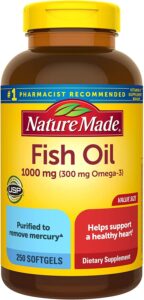
- Omega-3 fatty acids: These essential fatty acids, found in fish and some plant-based sources, play a crucial role in brain development and function.
- B vitamins: B vitamins, especially B9 (folic acid) and B12, are important for maintaining brain health and cognitive function.
- https://amzn.to/3n4OCrn

- https://amzn.to/3LeA7Jw

- Antioxidants: Vitamins C and E, as well as other antioxidants, help protect the brain from damage caused by free radicals.
- Vitamin D: Vitamin D is important for brain development, and low levels have been linked to cognitive decline.
- Magnesium: Magnesium is involved in several processes that support brain function, including neurotransmitter production and energy metabolism.
- Iron: Iron is important for oxygen transport to the brain, and a lack of iron can lead to cognitive problems.
- Zinc: Zinc is important for brain development and function, and a lack of zinc has been linked to depression and other mental health problems.
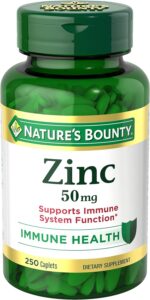
- https://amzn.to/3Vcxo7U
It’s important to note that a balanced and varied diet is the best way to ensure sufficient intake of these nutrients for optimal brain health. Additionally, regular physical activity, stress management, and adequate sleep are also important for maintaining brain function.
7. Brain Health of Senior Citizens
For senior citizens, maintaining brain health is important for overall well-being and quality of life. Some of the recommendations for promoting brain health in older adults include:
- Diet: A balanced and varied diet rich in fruits, vegetables, whole grains, lean protein, and healthy fats can help support brain health. Foods high in omega-3 fatty acids, such as fatty fish, nuts, and seeds, are especially beneficial. https://amzn.to/41J74F5
 Exercise: Regular physical activity, such as walking, cycling, or swimming, has been shown to improve cognitive function and reduce the risk of cognitive decline.
- Mental stimulation: Engaging in mentally stimulating activities, such as reading, solving puzzles, or learning a new skill, can help improve cognitive function and slow down age-related decline.
- Social interaction: Maintaining social connections and participating in social activities can help reduce stress and improve emotional well-being, which can, in turn, benefit brain health.
- Sleep: Getting adequate, quality sleep is important for overall health and well-being, including brain health.
- Stress management: Managing stress through techniques such as meditation, yoga, or deep breathing can help reduce the risk of cognitive decline and improve overall brain health.
- Supplements: Some supplements, such as omega-3 fatty acids, B vitamins, and antioxidants, may be beneficial for brain health. However, it’s important to talk to a doctor before starting any new supplement regimen.
It’s important to note that while these recommendations can help promote brain health in older adults, they are not a guarantee against cognitive decline. Regular check-ups with a doctor and early detection and treatment of any underlying health conditions can also help maintain brain health in older age.
This post contains affiliate links, which means I earn a commission if you purchase through these links. This comes at no additional cost to you and helps support the content I create. I only promote products/services I believe in and use myself. Your support is greatly appreciated!
Disclaimer: The contents of this article are intended to raise awareness about common health issues and should not be viewed as sound medical advice for your specific condition. You should always consult with a licensed medical practitioner before following any suggestions outlined in this article or adopting any treatment protocol based on the contents of this article.
Creating a Focused Mood-Boosting Morning Routine in 2025