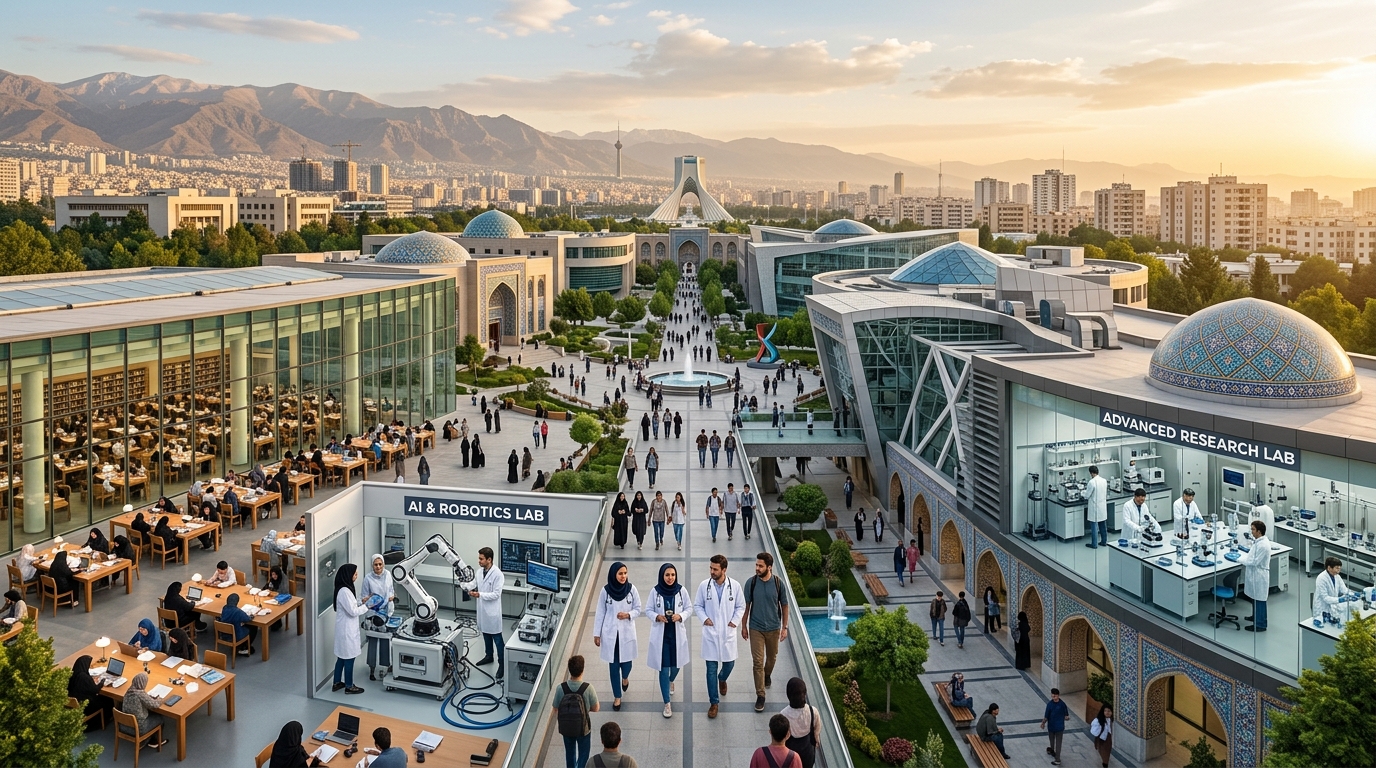

Education as National Strategy: How Iran Built Scientific Strength Through Universities, Research, and Innovation
Education as National Strategy. Discover how Iran transformed education into a national strategy by investing in universities, engineering, medicine, and scientific research. Explore the country’s demographic advantage, innovation ecosystem, achievements, and challenges.
https://mrpo.pk/iran-explained-from-ancient-persia-to-modern-geopolitics/
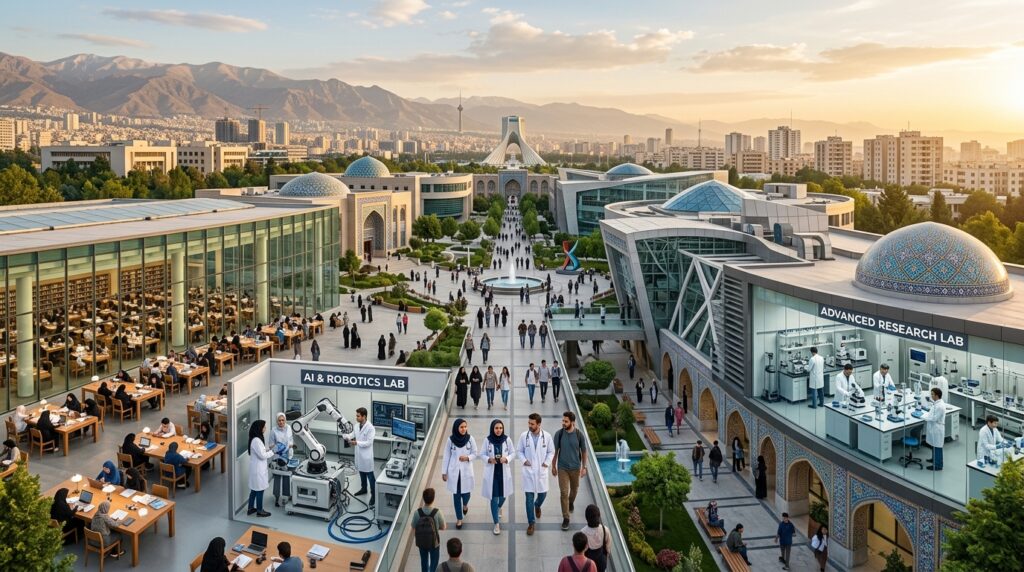
Purpose of This Article
Why does Iran invest so heavily in universities, engineering, medicine, and scientific research despite decades of economic sanctions and geopolitical challenges?
This article explores how education evolved from a public service into one of Iran’s most important national strategies. It examines the country’s demographic realities, historical reforms, expansion of higher education, scientific achievements, and ongoing challenges, including brain drain and international isolation. Rather than viewing education solely through the lens of classrooms and degrees, this article explains how Iran has used knowledge, research, and human capital as essential tools for economic development, technological self-reliance, healthcare improvement, and national resilience.
Introduction: Building a Nation Through Knowledge
Some nations rely primarily on natural resources to drive economic growth. Others depend on manufacturing, finance, or tourism. Iran possesses abundant oil and gas reserves, yet over the past four decades, it has increasingly invested in another strategic resource, its people.
Successive Iranian governments have viewed education not merely as a means of individual advancement but as a foundation for national development. Universities, research institutes, engineering schools, and medical colleges have expanded across the country with the goal of producing the skilled professionals needed to build infrastructure, strengthen healthcare, support domestic industries, and reduce dependence on foreign expertise.
This strategy has been shaped by multiple forces. Rapid population growth, the Iran-Iraq War, decades of international sanctions, technological restrictions, and the desire for greater economic self-reliance all reinforced the belief that investing in human capital was essential for long-term stability.
Today, Iran graduates hundreds of thousands of university students every year and has developed internationally recognised capabilities in engineering, medicine, biotechnology, nanotechnology, and several other scientific fields. At the same time, the country faces significant challenges, including graduate unemployment, research funding constraints, and the migration of highly skilled professionals abroad.
Understanding Iran’s education system, therefore, means understanding much more than schools and universities. It means examining how education became a central pillar of national strategy and a key element of the country’s long-term vision for development.
Iran, technology and innovation
The state of Iranian scientific production after the Islamic Revolution is at an advanced stage. Scientific production is a measure that shows whether a country is progressing or not. This is the reason why constant monitoring of the state of scientific production indicates the health of society’s progress as a whole. By observing the level of scientific development, we can see to what extent the results of the policies implemented in recent years in Iran have paid off.
The amount of scientific production in the country can be checked through many reliable sources. Science Metrics – which analyses the scientific situation of countries around the world – has announced that Iran’s scientific growth rate is higher than the average rate of global scientific production. This rate, on a global scale, makes the Islamic Republic of Iran the fastest growing country in science and technology.
https://moderndiplomacy.eu/2023/07/05/iran-technology-and-innovation/
Iran’s Population: The Foundation of Its Education Strategy
Education policies do not develop in isolation. They reflect the size, age, aspirations, and economic needs of a country’s population. To understand why Iran has invested so extensively in education, it is first necessary to understand the people those policies are designed to serve.
With a population exceeding 90 million, Iran is among the most populous countries in the Middle East. The majority of its citizens live in urban areas, with large metropolitan centres such as Tehran, Mashhad, Isfahan, Shiraz, Tabriz, and Karaj serving as economic, educational, and industrial hubs. Urbanisation has accelerated over recent decades, increasing demand for schools, universities, healthcare facilities, transportation systems, and skilled professionals.
One of the defining characteristics of modern Iran has been its youthful population. Following the demographic expansion of the 1980s, millions of young Iranians entered schools and universities over successive decades. This created both remarkable opportunities and enormous responsibilities for policymakers.
A growing youth population meant the country needed to build thousands of schools, train teachers, establish new universities, and create pathways for higher education on an unprecedented scale. It also meant preparing millions of young people for productive employment in an increasingly complex and technology-driven global economy.
Rather than viewing this demographic pressure solely as a challenge, Iranian planners increasingly saw it as a strategic opportunity. A large, educated workforce could become a powerful driver of innovation, industrial development, healthcare, scientific research, and economic resilience.
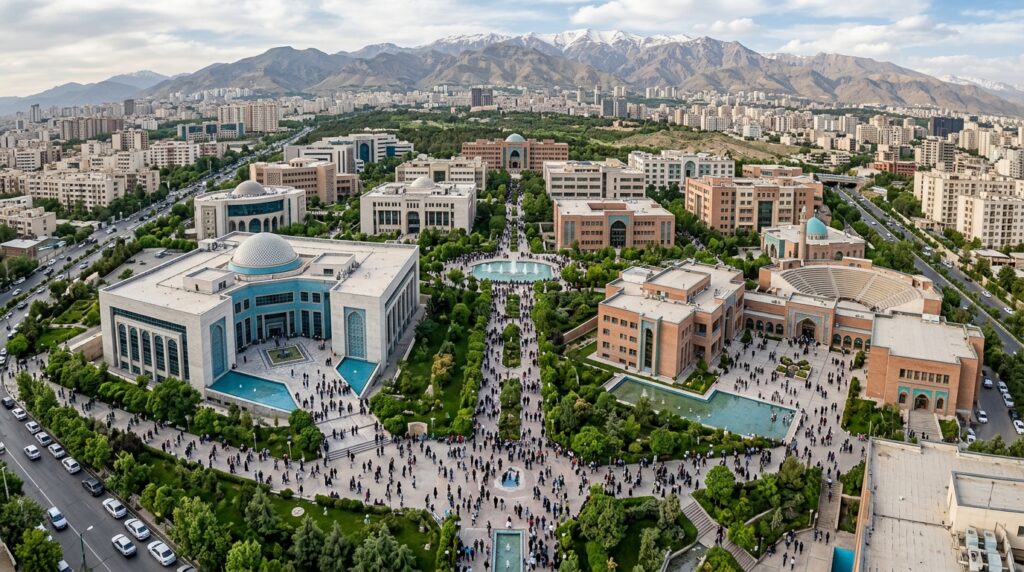
Did You Know?
During different periods over the past several decades, Iran has had one of the largest university student populations in the Middle East, reflecting sustained public demand for higher education and government investment in expanding educational access.
Data Snapshot: Iran at a Glance
| Indicator | Overview |
|---|---|
| Population | Over 90 million |
| Urban Population | More than three-quarters of citizens |
| Literacy Rate | Significantly higher than before 1979 |
| Major Cities | Tehran, Mashhad, Isfahan, Shiraz, Tabriz, Karaj |
| Higher Education | Hundreds of universities and research institutes |
| Strategic Focus | Engineering, medicine, science, and technology |
These demographic realities help explain why education occupies such a prominent place in Iran’s national planning. A country with millions of young people cannot rely solely on natural resources for prosperity. It must continually invest in knowledge, skills, and innovation.
Turning Demographics into Opportunity
Economists often use the term demographic dividend to describe the economic potential created when a country has a large working-age population. If supported by quality education, healthcare, and employment opportunities, this population can significantly boost national productivity and long-term growth.
Iran sought to capitalise on this opportunity by expanding educational access across all levels of society.
The underlying philosophy was straightforward: an educated population could design factories instead of importing them, manufacture medicines instead of relying entirely on foreign suppliers, develop technologies suited to local needs, and build the expertise required to sustain national development.
This strategy also carried broader social objectives. Higher education was expected to improve public health, reduce poverty, strengthen professional services, encourage entrepreneurship, and support scientific advancement.
However, the demographic dividend is not automatic. A well-educated population also requires sufficient employment opportunities. When economic growth cannot absorb increasing numbers of graduates, issues such as underemployment, migration, and brain drain become significant national concerns—a challenge that Iran continues to confront today.
The Historical Roots of Modern Education in Iran
Iran’s respect for learning predates the modern nation-state by many centuries. Ancient Persia was home to renowned centres of scholarship, where philosophy, astronomy, medicine, mathematics, and literature flourished. During the Islamic Golden Age, Persian scholars made lasting contributions to science, medicine, engineering, and intellectual thought that influenced civilisations far beyond the region.
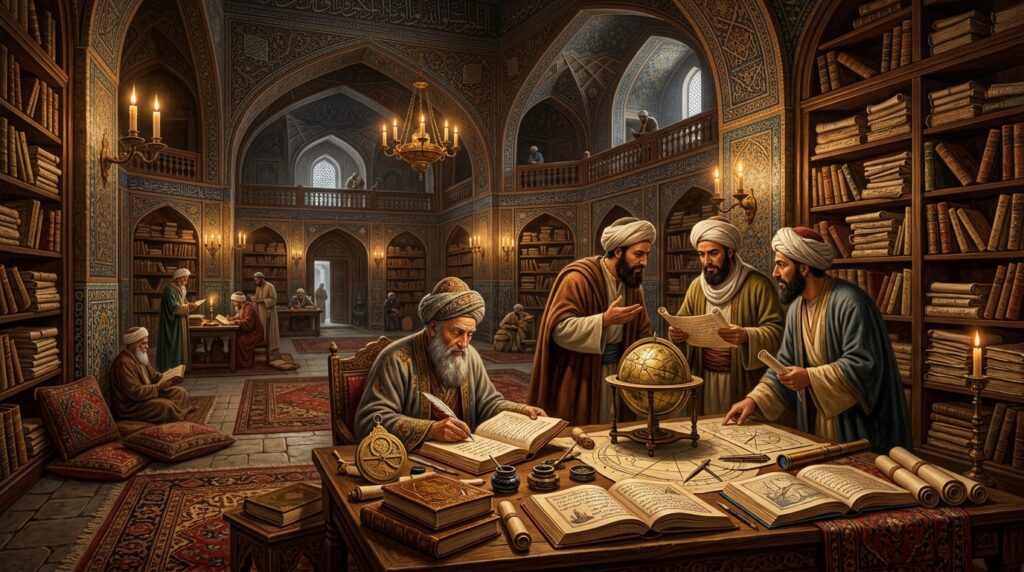
Modern higher education began taking shape during the nineteenth and early twentieth centuries as Iran sought to modernise its administrative and technical capabilities. Institutions were established to train engineers, military officers, physicians, and civil servants capable of supporting a modern state.
By the middle of the twentieth century, universities had become important centres of academic learning and professional education. Students increasingly pursued degrees in medicine, engineering, law, agriculture, and the sciences, while international academic exchanges exposed Iranian scholars to global research and technological developments.
The 1979 Islamic Revolution marked a major turning point in the country’s educational system. Universities underwent significant restructuring as the new government sought to align education with its political, cultural, and social priorities. Educational reforms emphasised broader public access while also redefining institutional governance and academic direction.
Despite periods of political debate and institutional change, investment in education continued. New universities were established across the country, technical institutes expanded, and educational opportunities gradually reached provinces and rural communities that previously had limited access to higher learning.
This expansion reflected an increasingly important national objective: education should not be concentrated in a few major cities but made accessible to talented students regardless of where they lived.
Literacy: The First Step Toward National Development
Before a country can produce scientists, physicians, and engineers, it must first ensure that its population can read, write, and acquire basic knowledge.
Following the Revolution, literacy campaigns became one of Iran’s major social initiatives. Government agencies, educators, and community organisations worked to increase enrollment in primary education while expanding adult literacy programs, particularly in rural and underserved regions.
Schools were established in villages that previously lacked formal educational facilities. Teacher training expanded to meet growing demand, while public investment in educational infrastructure sought to reduce disparities between urban and rural communities.
These efforts contributed to substantial improvements in literacy over subsequent decades.
Education also became more accessible for girls, contributing to a significant rise in female literacy and eventually leading to much higher participation of women in universities—a transformation that would reshape Iran’s professional workforce in medicine, science, engineering, and education itself.
Myth vs. Reality
Myth: Education policy is mainly about building schools.
Reality: Successful education strategies require trained teachers, curriculum development, healthcare support, transportation, digital infrastructure, research institutions, and long-term economic planning. Schools are only one part of a much larger system.
Why Education Became a National Strategy
For many countries, education is primarily viewed as a social investment. In Iran, it gradually evolved into something much broader: a strategic national priority closely connected to economic development, technological independence, healthcare, and national security.
Several factors shaped this transformation.
Rapid population growth required continuous expansion of schools and universities.
Industrial development created increasing demand for engineers, technicians, scientists, and skilled professionals.
Healthcare reforms required thousands of physicians, nurses, pharmacists, and medical specialists.
Scientific research became increasingly important for improving agriculture, manufacturing, environmental management, and public health.
Most importantly, decades of external pressure and technological restrictions reinforced the belief that Iran needed stronger domestic expertise rather than long-term dependence on foreign specialists.
As a result, universities were expected not only to educate students but also to generate research, develop technologies, support industry, and contribute directly to national development.
Knowledge itself became viewed as a strategic national resource.
Case Study: Education Supporting National Self-Reliance
Imagine a country facing difficulties importing specialised industrial equipment, advanced medical technologies, or engineering expertise. One long-term response is to develop domestic capabilities by educating scientists, engineers, physicians, and researchers who can design, adapt, and improve technologies locally.
Iran increasingly adopted this approach. Universities expanded engineering programs, research institutes collaborated with industry, and scientific education became closely linked with broader economic objectives. While domestic innovation could not replace every imported technology, it reduced dependence in many sectors and strengthened local technical expertise.
This emphasis on human capital continues to influence Iran’s development strategy today.
As education became more deeply integrated with national planning, the next challenge was clear: the country needed not only more schools but also a vastly expanded system of higher education capable of producing engineers, physicians, scientists, researchers, and innovators on a much larger scale.
Engineering Excellence: Building the Nation Through Technical Education
Walk through any major Iranian city, and one pattern becomes immediately clear. New bridges stretch across valleys, modern highways connect distant provinces, metro systems move millions of commuters, dams harness water resources, and factories manufacture products that once had to be imported. Behind nearly every one of these achievements stands a generation of engineers educated in Iranian universities.
For decades, Iran has treated engineering not simply as a profession but as a cornerstone of national development. The country recognised that political independence and economic resilience require the ability to design, manufacture, maintain, and improve critical infrastructure without relying entirely on foreign expertise.
Why Engineering Became a National Priority
Iran’s rapid population growth, industrial ambitions, and recurring international sanctions created an urgent need for highly skilled engineers. Rather than depending indefinitely on imported technology and foreign consultants, policymakers focused on developing domestic expertise capable of solving complex national challenges.
Engineering education expanded across numerous disciplines, including:
- Civil Engineering
- Mechanical Engineering
- Electrical Engineering
- Chemical Engineering
- Petroleum Engineering
- Aerospace Engineering
- Computer Engineering
- Materials Science
- Environmental Engineering
- Biomedical Engineering
This diversified approach ensured that virtually every strategic sector of the economy had access to locally trained professionals.
Universities Designed for Practical Skills
Unlike systems that emphasise theory alone, many Iranian engineering programs combine classroom instruction with laboratory work, industrial internships, and research projects. Students often collaborate with manufacturing plants, power stations, oil and gas facilities, construction companies, and technology firms before graduation.
This practical orientation helps graduates transition more smoothly into professional roles while also strengthening connections between universities and industry.
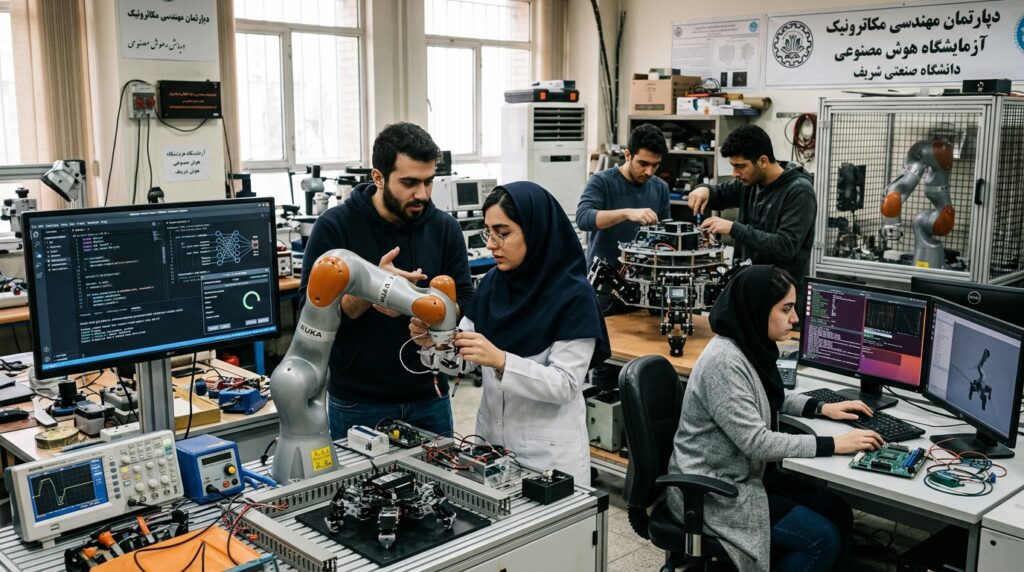
Government-supported research centres frequently partner with engineering faculties to address real-world challenges such as:
- Improving energy efficiency
- Water conservation technologies
- Earthquake-resistant construction
- Renewable energy systems
- Transportation infrastructure
- Industrial automation
- Robotics and artificial intelligence
Civil Engineering: Preparing for Natural Challenges
Iran lies within one of the world’s most active seismic zones. Major earthquakes throughout history have highlighted the importance of resilient infrastructure.
As a result, civil engineering programs place considerable emphasis on:
- Structural analysis
- Earthquake-resistant design
- Geotechnical engineering
- Urban planning
- Transportation systems
- Water resource management
Iranian engineers have contributed to thousands of kilometres of highways, rail networks, bridges, dams, tunnels, and urban development projects that support a population exceeding 90 million.
Did You Know?
Following several devastating earthquakes, Iranian universities significantly expanded research into seismic engineering, leading to stricter construction standards and improved disaster-resistant building designs.
Petroleum Engineering: Supporting a Strategic Industry
Iran possesses some of the world’s largest proven reserves of oil and natural gas. Naturally, petroleum engineering occupies a prominent place within higher education.
Students receive training in:
- Reservoir engineering
- Drilling technologies
- Production optimization
- Refining processes
- Pipeline systems
- Energy economics
- Environmental management
Even during periods of sanctions that limited access to foreign equipment and expertise, Iranian engineers continued developing domestic solutions to maintain production and improve operational efficiency.
Aerospace Engineering: Reaching Beyond Earth’s Atmosphere
Few countries in the Middle East have invested as consistently in aerospace education as Iran.
Universities educate specialists in:
- Aerodynamics
- Aircraft structures
- Propulsion systems
- Flight control
- Satellite technology
- Space systems engineering
These educational investments have supported domestic satellite development, launch vehicle research, and broader aerospace capabilities that extend beyond civilian applications.
Although international observers often debate the strategic implications of these programs, they also demonstrate the country’s emphasis on advanced scientific and engineering education.
Computer Engineering and Digital Innovation
Over the past two decades, computer engineering has become one of the fastest-growing academic fields in Iran.
Students increasingly specialise in:
- Software engineering
- Artificial intelligence
- Machine learning
- Cybersecurity
- Data science
- Cloud computing
- Embedded systems
- Network engineering
A growing number of graduates have established technology startups or joined Iran’s expanding digital economy, developing software, financial technologies, healthcare applications, and educational platforms despite restrictions on access to some international digital services.
Innovation Through Engineering Competitions
Iranian universities regularly participate in national and international engineering competitions involving robotics, programming, mathematics, and design challenges.
These events encourage students to:
- Solve practical engineering problems
- Work collaboratively
- Develop entrepreneurial skills
- Present research internationally
- Commercialise innovative ideas
Such competitions also help universities identify exceptionally talented students for advanced research programs.
Industry-University Partnerships
Recognising that academic knowledge alone is insufficient, many universities collaborate directly with industries through:
- Joint research projects
- Internship programs
- Industrial consulting
- Technology transfer initiatives
- Innovation incubators
- Startup accelerators
These partnerships aim to ensure that graduates possess both theoretical understanding and practical experience aligned with labour market needs.
Challenges Facing Engineering Education
Despite impressive achievements, Iranian engineering education continues to face several obstacles.
International Sanctions
Restrictions on technology imports sometimes limit access to advanced laboratory equipment, specialized software, and international scientific collaboration.
Brain Drain
Many highly skilled engineering graduates pursue careers abroad in search of greater research funding, higher salaries, and expanded professional opportunities.
Rapid Technological Change
Fields such as artificial intelligence, semiconductor manufacturing, quantum computing, and advanced robotics evolve rapidly, requiring continuous curriculum updates and faculty development.
Funding Constraints
Economic pressures occasionally affect university budgets, laboratory modernization, and research grants, particularly during periods of inflation and fiscal tightening.
Looking Ahead
Iran’s long-term strategy suggests that engineering education will remain central to national planning. Future priorities are likely to include:
- Renewable energy technologies
- Smart cities
- Advanced manufacturing
- Artificial intelligence
- Green infrastructure
- Biotechnology engineering
- Semiconductor research
- Digital transformation
These emerging fields reflect global technological trends while supporting Iran’s broader objective of strengthening domestic capabilities.
Medical Education: Investing in Health and Human Capital
A nation’s strength depends not only on its roads, factories, and laboratories but also on the health of its people. Recognising this reality, Iran has spent decades building one of the largest medical education systems in the Middle East.
Rather than separating healthcare from higher education, Iran adopted a distinctive approach by closely integrating medical universities with the national healthcare system. This model allows education, research, and patient care to reinforce one another, creating a continuous cycle of learning and service.
The result has been the training of tens of thousands of physicians, nurses, pharmacists, dentists, public health specialists, and medical researchers who serve communities across the country while contributing to scientific advances in medicine.
A Unique Integration of Education and Healthcare
One of the defining features of Iran’s medical education system is the close integration between universities and the healthcare network. Medical universities are not isolated academic institutions; they are directly connected with teaching hospitals, clinics, research laboratories, and public health programs.
This structure allows students to move seamlessly from classroom learning to supervised clinical practice. Future doctors begin interacting with patients early in their education, while researchers gain access to real-world medical data that helps shape new treatments and healthcare policies.
The integration also enables medical discoveries to reach hospitals more quickly, shortening the gap between research and patient care.
Expanding Medical Universities Across the Country
Over the past four decades, Iran has steadily expanded medical education beyond its largest cities. New medical universities and teaching hospitals have been established in many provinces, helping reduce regional disparities in healthcare services.
This decentralised approach serves several important purposes:
- Training healthcare professionals closer to underserved communities.
- Encouraging graduates to practice outside major metropolitan areas.
- Improving emergency and primary healthcare coverage.
- Supporting regional medical research tailored to local health challenges.
As a result, access to medical education has become significantly broader than it was several decades ago.
Competitive Admissions and High Academic Standards
Medicine remains one of the most competitive fields of study in Iran.
Admission typically depends on outstanding performance in the highly competitive national university entrance examination. Only a small percentage of applicants secure places in medical schools each year.
Students entering medicine undergo years of intensive study that combine:
- Anatomy and physiology
- Biochemistry
- Pharmacology
- Pathology
- Internal medicine
- Surgery
- Pediatrics
- Obstetrics and Gynaecology
- Psychiatry
- Community medicine
- Clinical rotations
Graduates continue through internships and residency programs before becoming independent specialists.
Producing a Broad Healthcare Workforce
Iran’s investment extends well beyond physicians.
Universities also train professionals in numerous healthcare disciplines, including:
- Nursing
- Dentistry
- Pharmacy
- Medical laboratory sciences
- Radiology
- Physiotherapy
- Occupational therapy
- Nutrition
- Public health
- Emergency medicine
- Medical imaging
- Biomedical engineering
This multidisciplinary approach strengthens the healthcare system by ensuring that hospitals and clinics have qualified professionals across a wide range of specialities.
Advances in Medical Research
Medical universities are also major centres of scientific research.
Researchers work on projects involving:
- Cancer diagnosis and treatment
- Cardiovascular disease
- Diabetes management
- Organ transplantation
- Stem cell science
- Regenerative medicine
- Genetics
- Biotechnology
- Vaccine development
- Infectious diseases
Iranian scientists regularly publish research in international peer-reviewed journals despite facing obstacles such as sanctions, funding limitations, and restricted access to some scientific equipment and collaborations.
While publication quantity does not automatically translate into clinical breakthroughs, it demonstrates a sustained commitment to scientific inquiry and academic productivity.
Organ Transplantation and Specialised Medicine
Iran has earned regional recognition in several highly specialised areas of medicine.
Its healthcare system performs significant numbers of:
- Kidney transplants
- Liver transplants
- Bone marrow transplants
- Corneal transplants
- Cardiac surgeries
- Advanced fertility treatments
Specialised hospitals and university medical centres have developed expertise that attracts patients from neighbouring countries seeking advanced medical care.
Responding to Public Health Challenges
Medical education also emphasises preventive healthcare alongside hospital-based treatment.
Students learn about:
- Disease surveillance
- Vaccination programs
- Maternal and child health
- Nutrition
- Environmental health
- Mental health
- Health education
- Epidemiology
This broader perspective reflects the understanding that improving public health often depends more on prevention than treatment alone.
Lessons from the COVID-19 Pandemic
The COVID-19 pandemic tested healthcare systems worldwide, including Iran’s.
Medical universities played central roles by:
- Training frontline healthcare workers.
- Conducting clinical research.
- Expanding diagnostic capacity.
- Supporting vaccine research.
- Managing hospital preparedness.
- Collecting epidemiological data.
Despite severe international sanctions that complicated access to certain medicines, medical equipment, and financial transactions, healthcare institutions adapted through increased domestic production and scientific collaboration.
The pandemic reinforced the importance of maintaining a strong national medical education and research infrastructure capable of responding to future health emergencies.
Biotechnology and Pharmaceutical Education
Iran has invested heavily in pharmaceutical sciences and biotechnology, recognising that access to essential medicines is a strategic priority.
Universities educate specialists in:
- Drug formulation
- Pharmaceutical chemistry
- Biopharmaceutical production
- Vaccine technology
- Molecular biology
- Clinical pharmacology
- Industrial pharmacy
This investment has supported the growth of a domestic pharmaceutical industry capable of producing a large proportion of the country’s commonly used medicines, reducing dependence on imports for many essential drugs.
Medical Technology and Digital Healthcare
The future of healthcare increasingly depends on technology, and Iranian universities are adapting accordingly.
Emerging areas of study include:
- Artificial intelligence in medicine
- Medical robotics
- Digital diagnostics
- Telemedicine
- Electronic health records
- Medical data analytics
- Biomedical device development
These disciplines are preparing future healthcare professionals for a rapidly evolving medical landscape where technology plays an increasingly central role in diagnosis, treatment, and patient management.
Challenges Facing Medical Education
Despite significant progress, several challenges remain.
Economic Pressures
Inflation and financial constraints can affect hospital resources, laboratory equipment, and research funding.
International Sanctions
Restrictions on international banking and technology transfers sometimes delay access to advanced medical equipment, laboratory supplies, and specialised medicines.
Brain Drain
Many highly qualified physicians, researchers, and medical specialists choose to pursue careers abroad, attracted by greater research opportunities, higher salaries, and improved working conditions.
Rural Healthcare Gaps
Although healthcare access has improved considerably, maintaining highly specialized medical services in remote regions remains an ongoing challenge.
Why Medical Education Matters to Iran’s National Strategy
For Iran, medical education is more than preparing doctors. It represents an investment in national resilience.
A healthy population supports economic productivity, scientific advancement, and social stability. At the same time, a strong domestic medical research community reduces dependence on foreign expertise during times of international crisis.
In this sense, hospitals, laboratories, and medical universities have become as strategically important as factories, research institutes, and engineering schools. They form part of a broader national effort to strengthen self-reliance through knowledge, innovation, and human capital.
Scientific Research and Innovation: Transforming Knowledge into National Capability
Universities educate students, but research universities create new knowledge. Iran’s long-term strategy recognises that simply importing technology is not enough to compete in the modern world. Sustainable development requires the ability to innovate, conduct original research, and transform scientific discoveries into practical solutions.
Over the past several decades, Iran has steadily expanded its scientific research ecosystem by investing in laboratories, research institutes, graduate education, technology parks, and innovation centres. This investment has helped build a culture in which scientific inquiry is viewed not merely as an academic pursuit but as a driver of economic growth, industrial development, healthcare improvement, and national resilience.
For a country facing recurring sanctions and limited access to some foreign technologies, research has become a strategic necessity rather than a luxury.
Building a National Research Ecosystem
Scientific research does not happen in isolation. It requires an ecosystem that connects universities, government institutions, private industry, and entrepreneurs.
Iran has spent decades expanding this ecosystem through investments in:
- National research institutes
- University laboratories
- Graduate schools
- Science and technology parks
- Innovation hubs
- Business incubators
- Startup accelerators
- Public-private research partnerships
The objective is to move beyond simply producing academic papers and instead translate scientific discoveries into technologies, products, medical treatments, and industrial solutions that benefit society.
Increasingly, universities encourage researchers to think not only as scientists but also as innovators and entrepreneurs.
Growth in Scientific Publications
One of the most visible indicators of Iran’s scientific development has been the remarkable increase in research publications over the past three decades.
Iranian researchers now contribute studies across a broad range of disciplines, including:
- Engineering
- Medicine
- Chemistry
- Physics
- Nanotechnology
- Biotechnology
- Computer Science
- Mathematics
- Environmental Science
- Agricultural Sciences
International databases have consistently shown a significant rise in Iranian scientific publications since the early 2000s.
However, policymakers increasingly recognise that quality, impact, commercialisation, and international collaboration matter just as much as publication numbers. Producing influential research that solves practical problems has become a growing priority.
Data Snapshot
Iran is widely recognized as one of the leading scientific research producers in the Middle East, with universities contributing thousands of peer-reviewed publications each year. The focus is gradually shifting from publication volume toward innovation, patents, industrial applications, and global research impact.
Research Areas Supporting National Development
Rather than concentrating resources in a single discipline, Iran has invested across multiple strategic sectors.
Energy Research
Given the country’s vast energy resources, universities conduct research in:
- Oil and gas extraction
- Petrochemical engineering
- Renewable energy
- Solar technologies
- Wind power
- Hydrogen energy
- Energy efficiency
- Smart electricity grids
The long-term goal is to improve productivity while preparing for a future in which renewable energy will play a larger role.
Nanotechnology
Nanotechnology has become one of Iran’s most actively supported scientific fields.
Researchers work on:
- Advanced materials
- Drug delivery systems
- Medical diagnostics
- Industrial coatings
- Water purification
- Electronics
- Environmental applications
The field illustrates how targeted investment can allow emerging scientific sectors to develop even under economic constraints.
Biotechnology
Iran has also expanded biotechnology research, including:
- Vaccine development
- Agricultural biotechnology
- Molecular genetics
- Industrial enzymes
- Pharmaceutical biotechnology
- Precision medicine
These efforts support healthcare while reducing dependence on imported biological products.
Artificial Intelligence
Artificial intelligence is becoming an increasingly important research priority.
Universities now offer programs and research projects involving:
- Machine learning
- Computer vision
- Natural language processing
- Robotics
- Autonomous systems
- Predictive analytics
- Healthcare AI
- Smart manufacturing
Although still developing compared with global leaders, AI research is expected to become one of the country’s fastest-growing scientific sectors over the coming decade.
Science and Technology Parks
Research alone rarely creates economic value unless ideas reach the marketplace.
To bridge this gap, Iran has established numerous science and technology parks where startups, university researchers, and technology companies work together.
These parks provide:
- Office space
- Laboratory facilities
- Technical mentoring
- Business development support
- Investor networking
- Intellectual property guidance
- Commercialization assistance
Many university graduates launch technology companies through these innovation ecosystems.
This reflects a gradual shift from a state-dominated research model toward greater entrepreneurship and private-sector participation.
Startup Culture and Knowledge-Based Companies
Iran’s educated young population has contributed to the emergence of thousands of knowledge-based enterprises.
These companies operate in fields such as:
- Software development
- Financial technology (FinTech)
- Health technology (HealthTech)
- Educational technology (EdTech)
- Biotechnology
- Industrial automation
- Artificial intelligence
- Cybersecurity
Government policies have increasingly encouraged innovation-driven businesses through financial incentives, research grants, and technology commercialisation programs.
While access to global investment remains constrained by sanctions, domestic entrepreneurship continues to expand.
International Scientific Collaboration
Science advances through collaboration, and Iranian researchers participate in numerous international academic partnerships despite geopolitical challenges.
Researchers publish jointly with scientists from universities across Asia, Europe, and other regions in fields ranging from medicine to engineering.
These collaborations facilitate:
- Knowledge exchange
- Shared laboratory resources
- Joint conferences
- Graduate student exchanges
- Multinational research projects
Nevertheless, sanctions, visa restrictions, and financial barriers have made international cooperation more difficult than for many other countries.
Innovation Under Sanctions
Perhaps one of the most distinctive characteristics of Iran’s research strategy is the emphasis on innovation under external constraints.
Limited access to certain imported technologies has encouraged domestic researchers to develop local alternatives in areas such as:
- Medical equipment
- Industrial machinery
- Pharmaceuticals
- Laboratory instruments
- Software platforms
- Agricultural technologies
While domestic solutions do not always match the latest global technologies, they often provide practical alternatives that strengthen national resilience.
This environment has fostered a problem-solving culture in which researchers focus on adapting available resources to local needs.
Case Study: Turning Constraints into Innovation
During periods when imported laboratory equipment became difficult to obtain, several Iranian engineering teams designed locally manufactured scientific instruments for universities and research centers. Although these products did not completely replace advanced international equipment, they reduced costs, supported domestic manufacturing, and ensured that many research projects could continue despite external restrictions.
Challenges Facing Scientific Research
Despite impressive progress, Iran’s research community faces significant structural challenges.
Brain Drain
Many talented scientists pursue careers abroad due to:
- Higher salaries
- Better-funded laboratories
- Greater academic freedom
- Expanded international collaboration
- Access to cutting-edge equipment
Retaining experienced researchers remains one of the country’s biggest long-term challenges.
Funding Limitations
Research requires sustained investment over many years.
Economic pressures, inflation, and fluctuating government revenues sometimes affect:
- Laboratory modernization
- Research grants
- Equipment purchases
- International conference participation
- Graduate scholarships
Long-term funding stability remains essential for scientific competitiveness.
Technology Restrictions
Sanctions can complicate access to:
- Advanced laboratory equipment
- Specialized software
- Scientific databases
- Precision manufacturing tools
- International financial transactions
Researchers often spend additional time and resources finding alternative solutions.
Commercialization Gap
While universities produce substantial research, transforming discoveries into globally competitive commercial products remains an area with significant room for growth.
Bridging the gap between academic research and industrial innovation will likely remain a major policy objective over the coming decade.
Looking Toward the Future
The next phase of Iran’s scientific strategy is expected to emphasise not only producing knowledge but also generating economic value from that knowledge.
Future priorities are likely to include:
- Artificial intelligence
- Quantum technologies
- Biotechnology
- Precision medicine
- Renewable energy
- Climate resilience
- Water management
- Smart manufacturing
- Space technologies
- Advanced materials
Success in these areas will depend not only on funding but also on international cooperation, private-sector innovation, and the ability to retain talented researchers.
Scientific research has become one of Iran’s most important long-term investments. In an increasingly knowledge-driven global economy, laboratories and innovation centres are viewed as strategic assets that complement factories, universities, and infrastructure. Together, they form the intellectual foundation of the country’s ambition to compete through science, technology, and human capital.
Women in Higher Education: A Quiet Educational Revolution
One of the most remarkable transformations in Iran’s education system has been the dramatic rise in women’s participation in higher education. While international media often focus on political debates surrounding women’s rights in Iran, another story has unfolded over the past four decades, one centred on classrooms, laboratories, hospitals, and research institutions.
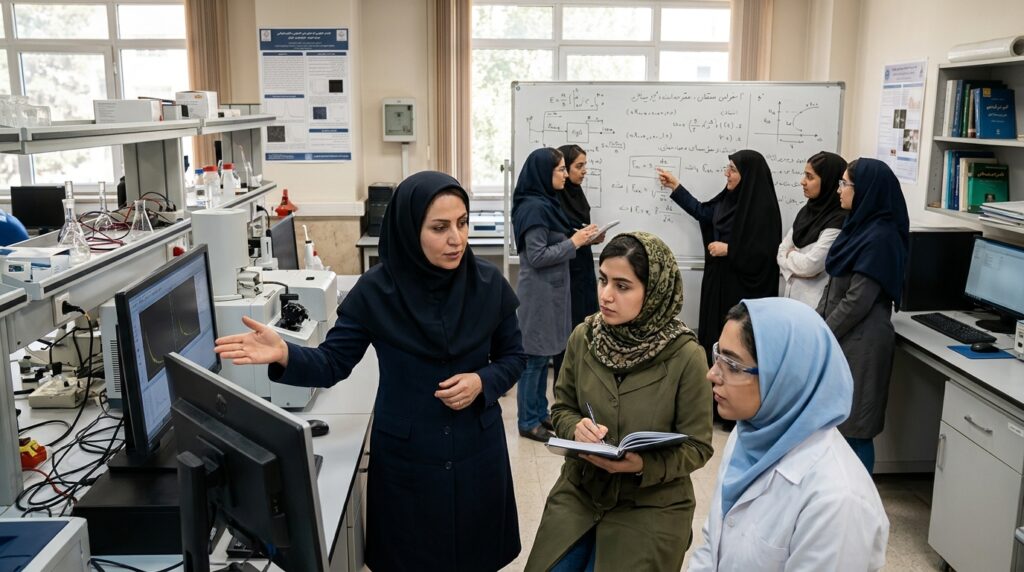
Today, women make up a substantial share of university students in many disciplines and have become an integral part of Iran’s scientific, medical, and professional workforce. Their growing educational achievements have reshaped families, expanded the skilled labour force, and contributed significantly to the country’s knowledge economy.
This progress has occurred alongside ongoing social, cultural, and legal debates, making women’s educational advancement one of the most complex and closely watched aspects of modern Iran.
Expanding Access to Higher Education
Following the expansion of universities across the country, educational opportunities became available to many families that previously had limited access to higher learning.
As a result:
- More girls completed secondary education.
- University enrollment increased nationwide.
- Rural and smaller-city students gained improved access.
- Families increasingly viewed higher education as a pathway to economic security and social mobility.
Over time, women began entering universities in growing numbers, particularly in urban areas.
Excellence Across Academic Disciplines
Female students have achieved strong academic performance in a wide range of subjects, including:
- Medicine
- Dentistry
- Pharmacy
- Nursing
- Biology
- Chemistry
- Computer Science
- Engineering
- Architecture
- Mathematics
- Education
- Humanities
Women have also become prominent researchers, university lecturers, physicians, pharmacists, entrepreneurs, and technology professionals.
Their participation has expanded the country’s pool of skilled professionals while strengthening healthcare, education, and scientific research.
Healthcare Transformed by Female Professionals
Perhaps nowhere has women’s educational contribution been more visible than in healthcare.
Thousands of female professionals now serve as:
- Physicians
- Surgeons
- Nurses
- Dentists
- Pharmacists
- Medical researchers
- Public health specialists
- Hospital administrators
Their work has improved healthcare accessibility, particularly for women and children, while supporting national public health initiatives.
Medical universities continue to produce large numbers of highly qualified female graduates who contribute to both clinical practice and scientific research.
Growing Role in Science and Technology
Women are increasingly active in scientific laboratories, engineering departments, biotechnology research, and technology startups.
Their research contributes to fields such as:
- Genetics
- Nanotechnology
- Artificial Intelligence
- Biomedical Engineering
- Pharmaceutical Sciences
- Environmental Science
- Agricultural Innovation
Although women remain underrepresented in some engineering specialities and senior leadership positions, their overall participation in scientific research has expanded significantly.
Entrepreneurship and Innovation
Education has also encouraged many women to pursue entrepreneurship.
Female-led businesses now operate across sectors, including:
- Information technology
- Healthcare services
- Biotechnology
- Online education
- Design
- Digital marketing
- Scientific consulting
Technology incubators and startup ecosystems have created new opportunities for educated women to commercialise ideas and participate in Iran’s growing knowledge-based economy.
Challenges That Remain
Educational achievement does not automatically eliminate broader social and economic challenges.
Many women continue to encounter obstacles such as:
- Limited representation in senior leadership.
- Employment disparities in certain industries.
- Career interruptions due to family responsibilities.
- Differences in workforce participation across regions.
- Restrictions affecting some professional and social opportunities.
These challenges remain subjects of active discussion among policymakers, academics, and civil society.
It is therefore important to distinguish between educational attainment—which has grown substantially—and broader debates concerning employment, legal rights, and social participation.
Myth vs. Reality
Myth: Women in Iran are largely absent from universities.
Reality: Women have become a major part of Iran’s higher education system and are well represented in medicine, science, pharmacy, education, and many other academic fields. However, educational success does not necessarily eliminate all social and professional barriers.
Brain Drain: When Talent Leaves Home
While Iran has successfully educated millions of highly skilled professionals, retaining them has become an equally important challenge.
Each year, many graduates choose to continue their education or careers abroad.
This phenomenon—commonly known as brain drain—affects scientists, engineers, physicians, entrepreneurs, and researchers.
Why Skilled Professionals Leave
Several factors encourage migration, including:
- Higher salaries.
- Better research funding.
- Modern laboratory facilities.
- Greater international collaboration.
- Career advancement opportunities.
- Improved access to global markets.
Many graduates pursue doctoral studies or professional careers in North America, Europe, Australia, and parts of Asia.
A Mixed Picture
Brain drain is often presented as entirely negative, but the reality is more nuanced.
Some Iranian professionals:
- Maintain research collaborations with Iranian universities.
- Invest in domestic technology companies.
- Mentor students remotely.
- Return after gaining international experience.
- Contribute through international academic partnerships.
This creates a broader global Iranian scientific network rather than a complete loss of expertise.
Nevertheless, retaining talented researchers remains a strategic priority for the country’s long-term development.
The Future of Education in Iran
As the global economy becomes increasingly knowledge-driven, Iran’s education strategy continues to evolve.
Future priorities are expected to include:
Artificial Intelligence
Universities are expanding AI education to prepare graduates for emerging industries ranging from healthcare to manufacturing.
Green Technologies
Climate change and environmental pressures are increasing interest in:
- Renewable energy
- Sustainable engineering
- Water conservation
- Environmental sciences
Digital Learning
Online education platforms, hybrid classrooms, and digital laboratories are becoming increasingly important, particularly for lifelong learning and professional development.
Industry Partnerships
Closer collaboration between universities and private companies is expected to strengthen innovation and improve graduate employment.
International Cooperation
Despite geopolitical challenges, expanding scientific collaboration with international universities remains an important long-term objective.
Final Thoughts: Education as Iran’s Long-Term Investment
Throughout its modern history, Iran has experienced revolutions, war, sanctions, economic pressures, and geopolitical uncertainty. Governments and policies have changed, but one national priority has remained remarkably consistent: investing in education.
From primary schools in remote villages to internationally recognised research universities, from engineering laboratories to advanced medical centres, education has become one of the country’s most enduring strategic assets.
Today, Iran educates millions of students across thousands of institutions, producing engineers who design infrastructure, physicians who strengthen healthcare, scientists who conduct cutting-edge research, entrepreneurs who launch technology companies, and teachers who prepare the next generation.
Challenges remain. Brain drain, funding pressures, sanctions, and the rapid pace of technological change continue to test the resilience of the education system. Yet these challenges have also reinforced the country’s determination to build domestic expertise and reduce dependence on external knowledge.
Whether viewed through the lens of economic development, scientific innovation, healthcare, or national security, education occupies a central place in Iran’s long-term strategy.
Ultimately, universities are more than places of learning. They are engines of innovation, laboratories of discovery, and institutions that shape the future of nations. For Iran, investing in education has become one of the most important ways of investing in its own future.
Frequently Asked Questions (FAQs)
1. Why does Iran invest so heavily in higher education?
Iran considers education a strategic national asset that supports economic growth, technological innovation, healthcare, industrial development, and long-term national self-reliance.
2. Which academic fields are strongest in Iran?
Engineering, medicine, pharmacy, biotechnology, nanotechnology, chemistry, computer science, and several engineering disciplines are among the country’s strongest academic fields.
3. Do international sanctions affect Iranian universities?
Yes. Sanctions can limit access to advanced laboratory equipment, specialised software, research funding, international banking, and scientific collaboration. However, they have also encouraged greater domestic innovation and self-reliance in some sectors.
4. Do many Iranian students study abroad?
Yes. Many pursue graduate education and research careers overseas, contributing to concerns about brain drain while also creating valuable international academic networks.
5. What role do women play in Iran’s higher education system?
Women make up a significant share of university students and contribute extensively to medicine, science, education, pharmacy, engineering, and research. Their educational achievements have become one of the defining features of Iran’s modern higher education landscape.
6. What is the biggest challenge facing Iran’s education system today?
The major challenges include retaining highly skilled graduates, keeping pace with rapidly evolving technologies, strengthening research commercialisation, expanding international collaboration, and maintaining investment despite economic pressures.
References
- UNESCO Institute for Statistics (UIS)
- UNESCO Global Education Monitoring (GEM) Reports
- World Bank – Education and Human Capital Data
- OECD Education Reports (comparative analysis)
- Scopus Database (Elsevier)
- Nature Index
- QS World University Rankings
- Times Higher Education (THE)
- World Intellectual Property Organization (WIPO)
- United Nations Development Programme (UNDP)
- Iranian Ministry of Science, Research and Technology
- Iranian Ministry of Health and Medical Education
- Islamic World Science Citation Center (ISC)
- World Health Organization (WHO)