

Black Seeds (Nigella sativa): Evidence-Based Benefits, How to Use Them, and Safety
By: Hamid Mahmood
Introduction
Across cultures and centuries, people have turned to natural remedies to support their health, often seeking simple, safe ways to improve immunity, digestion, and general wellness. One remedy that has stood the test of time is black seeds, known scientifically as Nigella sativa and commonly referred to as kalonji or black cumin. Ancient texts, from Middle Eastern herbal treatises to South Asian traditional medicine, describe black seeds as a “blessed seed” with numerous health benefits.
Even today, these seeds are used in households for cooking, as oils, or as dietary supplements. But while tradition has long praised their healing properties, modern science asks a more practical question: what can they truly offer when it comes to health, and how can they be used safely in everyday life? This article will answer these questions by blending scientific evidence, practical guidance, and traditional knowledge, giving readers a balanced, trustworthy overview.
Executive Snapshot
By reading this article, you will learn:
- What black seeds are and their history
- Evidence-based benefits versus traditional claims
- Safe and practical ways to incorporate seeds into your daily diet
- Potential side effects and who should be cautious
- Answers to frequently asked questions (FAQs)
This comprehensive approach allows readers to gain a clear understanding of the seeds without falling for exaggerated claims or misinformation.
What Are Black Seeds?
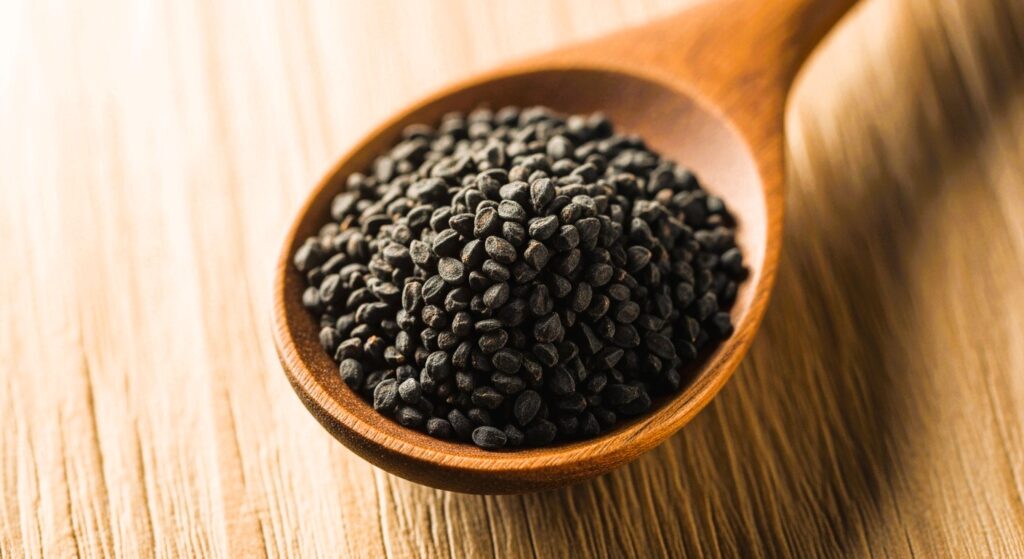
The seeds are tiny, crescent-shaped seeds derived from the Nigella sativa plant, native to South and Southwest Asia. They have a slightly bitter and peppery taste, which is why they are often used as a spice in breads, curries, and pickles. Beyond their culinary use, black seeds are also consumed as powders, capsules, and oils, making them versatile in both cooking and supplementation.
They contain multiple bioactive compounds, including thymoquinone, nigellone, and various antioxidants. These compounds are thought to contribute to their potential health benefits, particularly in reducing inflammation, supporting the immune system, and protecting cells from oxidative stress. By understanding these compounds, it becomes clearer why black seeds have been valued for centuries in traditional medicine.
History and Traditional Use
Black seeds have a history that stretches back thousands of years. Archaeological evidence shows that seed oil was found in Egyptian tombs, indicating its use for health and preservation. In Islamic tradition, black seeds are mentioned in the Hadith as a remedy for every disease except death.
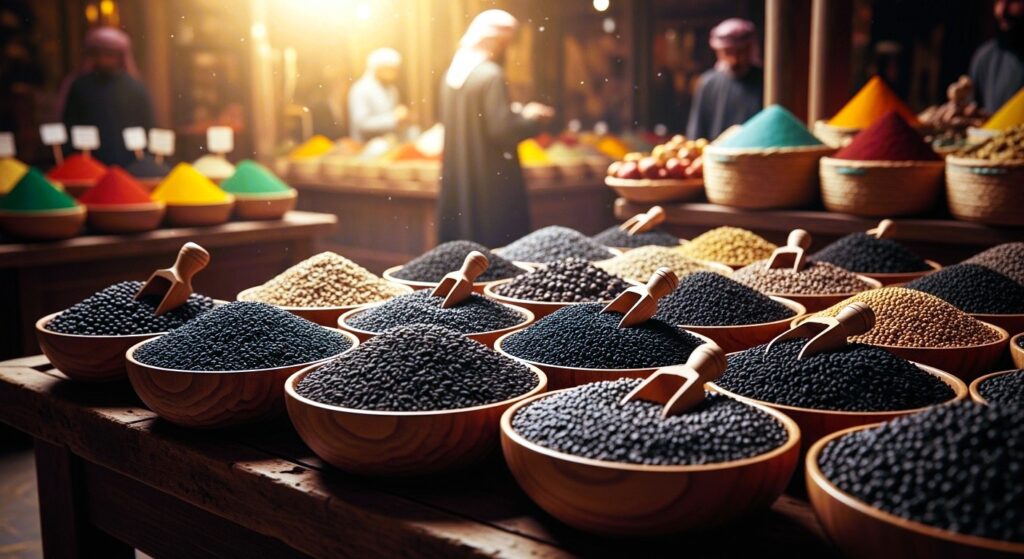
Traditional medicine systems such as Ayurveda and Unani have long recommended them for digestion, immunity, and respiratory support. In South Asia and the Middle East, black seeds are often mixed with honey, sprinkled on breads, or applied topically for skin and hair benefits.
While historical uses demonstrate the cultural importance of black seeds, it is important to understand that traditional practices may not always align with modern scientific evidence. Evaluating which benefits are backed by research helps separate fact from folklore.
What Science Actually Says
Modern studies have investigated the health-promoting properties of black seeds, focusing primarily on their bioactive compounds. Some of the most researched benefits include:
Anti-inflammatory Effects
Inflammation is the underlying cause of many chronic diseases, including diabetes, heart disease, and arthritis. Studies suggest that thymoquinone in these seeds can reduce markers of inflammation in the body, helping support overall health and potentially mitigating symptoms of inflammatory conditions.
Antioxidant Activity
Oxidative stress damages cells and accelerates ageing. The seeds contain potent antioxidants that may help neutralise free radicals, protecting the body at the cellular level. While antioxidants are not a cure-all, they play an important role in supporting long-term health.
Blood Sugar Regulation
Some research indicates that these seeds may help improve glucose control in individuals with type 2 diabetes. Regular consumption, as part of a balanced diet, may contribute to better metabolic health, though black seeds should never replace prescribed medications.
Digestive Support
Traditionally, these have been used to aid digestion, reduce bloating, and relieve mild gastrointestinal discomfort. Their fibre content and bioactive compounds may contribute to these benefits.
Common Benefits Explained (Balanced)
| Benefit | Evidence Status | Explanation |
|---|---|---|
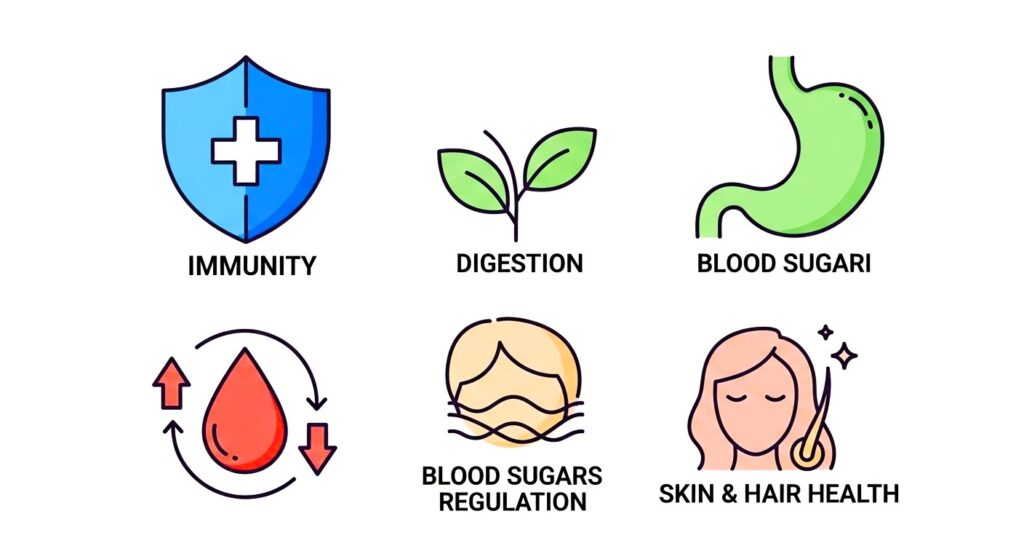
| Immune Support | Promising | Antioxidants and bioactive compounds in black seeds may support immune function. |
| Metabolic Health | Moderate | Some studies indicate improved blood sugar control in type 2 diabetes patients. |
| Respiratory Health | Traditional | Black seeds have been used for coughs and asthma, but modern evidence is limited. |
| Skin & Hair | Traditional / Topical | When applied as an oil, black seeds may improve skin hydration and hair strength; scientific studies are limited. |
How to Use Black Seeds Safely
Culinary Use
The seeds can be added to meals easily:
- Sprinkle whole seeds on breads, salads, or cooked dishes.
- Grind seeds into powder for smoothies, soups, or spice blends.
- Mix with honey for a traditional remedy consumed in small amounts.
Supplemental Use
- Black seed oil or capsules can be used as a supplement, but doses should remain moderate.
- High-dose oil supplements should be used only under the guidance of a healthcare professional.
- Store seeds and oils in a cool, dry place to maintain potency.

Practical Tips
- Always buy from reputable brands to avoid adulteration.
- Introduce black seeds gradually into the diet to monitor any reactions.
- Combine seeds with a balanced diet and regular exercise for the best results.
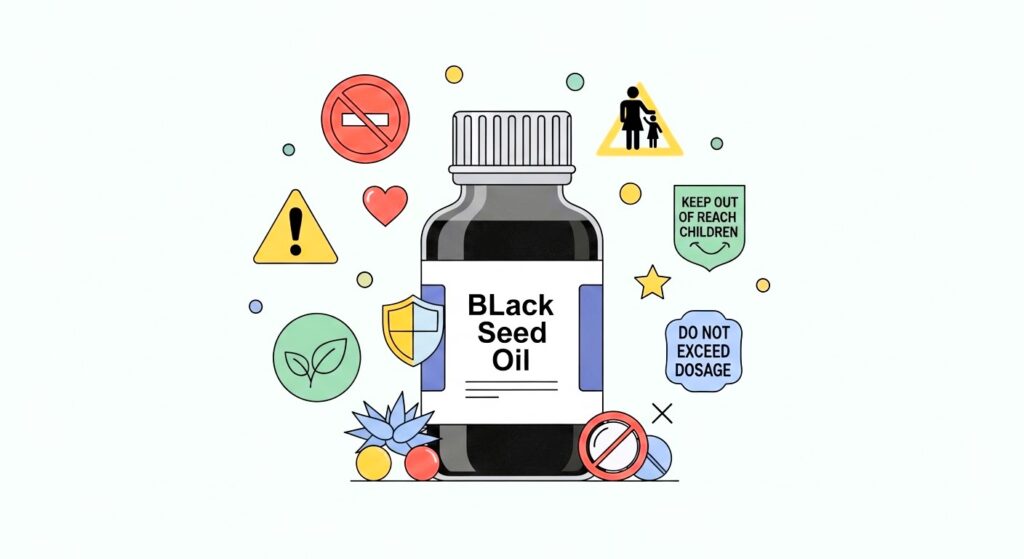
Potential Side Effects & Precautions
While generally safe, black seeds may cause some adverse effects if consumed excessively or by certain individuals:
- Allergic reactions in sensitive people
- Mild digestive upset if consumed in large amounts
- Interactions with medications such as blood thinners or diabetes drugs
- Use caution during pregnancy and breastfeeding
Consult a healthcare provider before adding black seeds to your diet, especially if you have pre-existing conditions or are taking medication.
FAQs
- What are the main health benefits of black seeds?
These seeds may support immunity, reduce inflammation, improve digestion, and regulate blood sugar. They are not a cure-all. - Is black seed oil more effective than whole seeds?
Oil contains concentrated bioactive compounds, while whole seeds offer culinary versatility and fibre. Both are beneficial. - Can black seeds help with skin and hair?
Topical black seed oil may improve hydration and hair strength, though scientific evidence is limited. - How much black seed can a person safely take?
Small, moderate culinary amounts are safe; high-dose supplements should be taken with caution. - Are there side effects?
Possible digestive upset, allergic reactions, and interactions with medications are the main concerns. - Can black seeds interact with medicines?
Yes. Blood thinners and diabetes medications may be affected, so consult your doctor if taking these.
This post contains affiliate links, which means I earn a commission if you purchase through these links. This comes at no additional cost to you and helps support the content I create. I only promote products/services I believe in and use myself. Your support is greatly appreciated!
Disclaimer: The content in this article is intended for informational and educational purposes only. It provides insights, tips, and general guidance on health, beauty, and wellness, but it is not a substitute for professional medical advice, diagnosis, or treatment.
Always consult a qualified healthcare professional for personal medical concerns. For more information about our approach to health and wellness content, please read our Health & Wellness Disclaimer.
References
- Healthline: Black Seed Oil Benefits – https://www.healthline.com/health/food-nutrition/black-seed-oil-benefits
- WebMD: Black Seed Health Benefits – https://www.webmd.com/diet/black-seed-health-benefits
- PubMed: “Thymoquinone: A Review of Pharmacological and Toxicological Properties,” Journal of Ethnopharmacology
- Traditional medicine texts: Unani and Ayurveda references on Nigella sativa
Internal Links for MRPO Engagement
- Flax Seeds: Nutritional Powerhouse – https://mrpo.pk/flax-seeds
- Chia Seeds: Benefits and Uses – https://mrpo.pk/chia-seeds
- Immune-Boosting Foods – https://mrpo.pk/immune-boosting-foods