
Chia Seeds 2025: Remarkable Health Benefits of Chia Seeds
Written By: Hamid Mahmood
Updated: 9th, Fabruaru, 2026
Chia seeds are small, black, or white seeds that have become increasingly popular in recent years due to their numerous health benefits. These tiny seeds are packed with nutrients that make them a great addition to any diet. In this article, we’ll take a closer look at what chia seeds are, where they come from, their nutritional value, and how to incorporate them into your diet.
1. What Are Chia Seeds?
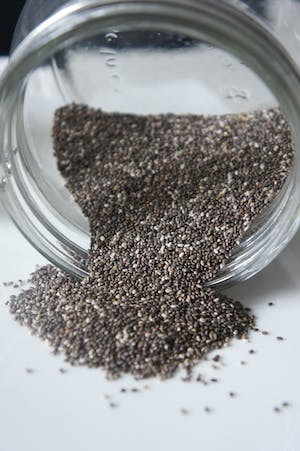
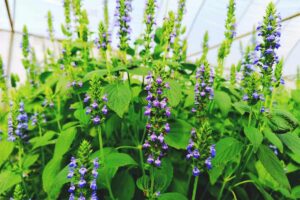
These seeds are the edible seeds of the Salvia Hispanica plant, which is a member of the mint family. They are native to Mexico and Guatemala and have been a staple food in the region for centuries. Chia seeds are small and round, with a diameter of about 1 mm. They come in two colours: black and white.
2. Nutritional Value
They are considered a superfood due to their high nutritional value. They are an excellent source of fibre, protein, and omega-3 fatty acids, as well as several vitamins and minerals.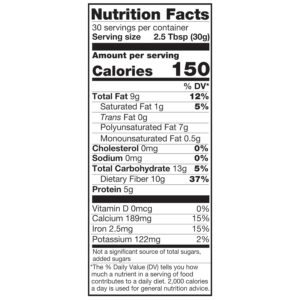
One ounce (28 grams) of seeds contains:
- Calories: 137 • Protein: 4 grams • Fat: 9 grams (5 of which are omega-3s) • Carbohydrates: 12 grams (11 of which are fibre) • Calcium: 18% of the RDI • Manganese: 30% of the RDI • Magnesium: 30% of the RDI • Phosphorus: 27% of the RDI
3. Chia Seeds Health Benefits
- High in Fibre: These are an excellent source of fibre, which is essential for digestive health. One ounce of chia seeds contains 11 grams of fibre, which is about a third of the recommended daily intake for adults. Fibre also helps to regulate blood sugar levels, reduce cholesterol, and promote feelings of fullness, making it an ideal food for weight loss.
- Rich in Omega-3 Fatty Acids: One of the best plant-based sources of omega-3 fatty acids. These essential fatty acids are important for heart health, brain function, and reducing inflammation in the body.
- Lowers Cholesterol: Rich in soluble fibre, which has been shown to lower cholesterol levels. One study found that eating chia seeds for 12 weeks reduced LDL (bad) cholesterol levels in participants.
- May Help Control Blood Sugar: May also help to control blood sugar levels. They contain a type of soluble fibre called mucilage, which forms a gel-like substance when mixed with water. This gel slows down the absorption of carbohydrates, which can help to prevent blood sugar spikes.
- High in Antioxidants: The seeds are also rich in antioxidants, which help to protect the body against damage from free radicals. Antioxidants are important for maintaining good health and reducing the risk of chronic diseases such as cancer, heart disease, and Alzheimer’s disease. https://a.co/d/05VzVNAn
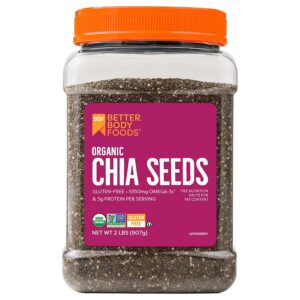
4. How to Incorporate Seeds into Your Diet
These are incredibly versatile and can be easily incorporated into your diet in a variety of ways. Here are some ideas:
- Add Them to Smoothies: This can be added to smoothies to boost their nutritional value. Simply sprinkle a tablespoon or two of chia seeds into your blender along with your other ingredients.
- Use as a Topping: These can be sprinkled on top of yoghurt, oatmeal, or cereal for added crunch and nutrition.
- Make Chia Pudding: Chia pudding is a delicious and nutritious dessert that is easy to make. Simply mix chia seeds with milk or yoghurt and let them sit overnight in the refrigerator. In the morning, you’ll have a creamy and delicious pudding that

5. Potential Health Risks
While these seeds are generally considered safe for consumption, there are a few potential health risks to be aware of.
- Digestive Issues: Being high in fibre can cause digestive issues such as bloating, gas, and constipation in some people. It is recommended to start with a small amount and gradually increase the intake to allow your body to adjust.
- Choking Hazard: Seeds can absorb liquid and expand in your throat, which can lead to choking. It is important to drink plenty of water when consuming chia seeds and to avoid eating them dry.
- Blood Thinning: These seeds are high in omega-3 fatty acids, which can have blood-thinning effects. If you are taking blood-thinning medication, it is recommended to consult with your healthcare provider before consuming chia seeds or other foods high in omega-3.
- Allergies: While rare, some people may have an allergic reaction to chia seeds. Symptoms of an allergic reaction may include hives, itching, swelling, and difficulty breathing. If you experience any of these symptoms after consuming chia seeds, seek medical attention immediately.
The seeds are a nutritious and versatile food that can provide numerous health benefits. They are high in fibre, protein, omega-3 fatty acids, and several vitamins and minerals. However, as with any food, there are some potential health risks to be aware of. If you have any concerns or pre-existing health conditions, it is recommended to consult with your healthcare provider before adding chia seeds to your diet. Overall, chia seeds can be a healthy and delicious addition to any diet when consumed in moderation.
Proper Preparation and Safety Guidelines
Chia seeds absorb many times their weight in liquid, which is why proper preparation is important. Consuming dry chia seeds without sufficient liquid may cause them to swell in the throat or stomach, leading to discomfort or choking risk. For this reason, chia seeds should always be soaked in water, milk, or mixed thoroughly into moist foods before consumption.
Because chia seeds are high in fiber, increasing intake too quickly may cause bloating or gas. It is best to start with small amounts and increase gradually while drinking enough water throughout the day. People who take blood thinning medications or medications that affect blood sugar levels should consult a healthcare professional before using chia seeds regularly.
These precautions do not mean chia seeds are unsafe. They simply highlight the importance of using them correctly and in moderation.
6. Comparison between Chia Seeds vs. flax Seeds vs. basil Seeds
Chia seeds, flax seeds, and basil seeds are all small, nutrient-dense seeds that are popular in health food circles. While they share some similarities, there are also some key differences between them.
a. Nutritional Profile:
- Chia Seeds: The seeds are an excellent source of fibre, protein, omega-3 fatty acids, and several vitamins and minerals, including calcium, manganese, and magnesium. One ounce (28 grams) of chia seeds contains 137 calories, 4 grams of protein, 9 grams of fat (5 of which are omega-3s), and 12 grams of carbohydrates (11 of which are fibre).
- Flax Seeds:
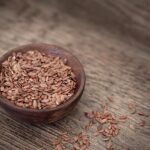
Flax Seeds Flax seeds are also high in fibre and omega-3 fatty acids, and they contain lignans, which have antioxidant properties. One ounce (28 grams) of flax seeds contains 151 calories, 6 grams of protein, 12 grams of fat (8 of which are omega-3s), and 8 grams of carbohydrates (7 of which are fibre).
- Basil Seeds:
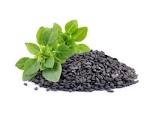
Basil Seeds Basil seeds are lower in calories and fat than chia and flax seeds, but they are still a good source of fibre, protein, and several minerals, including iron and calcium. One ounce (28 grams) of basil seeds contains 43 calories, 2 grams of protein, 1 gram of fat, 9 grams of carbohydrates (7 of which are fibre), and 0.7 mg of iron
- b..Texture:
- Chia Seeds: When soaked in liquid, they absorb the liquid and become gel-like in texture. This makes them a popular ingredient in puddings, smoothies, and other recipes where a thickening agent is desired.
- Flax Seeds: Flax seeds are also able to absorb liquid and become gel-like, but they tend to have a more slippery texture than chia seeds. This makes them a good ingredient for recipes such as vegan egg replacements, but they may not be as appealing in recipes that require a thickening agent.
- Basil Seeds: When soaked in liquid, basil seeds also become gel-like in texture, but they are smaller than chia and flax seeds and have a slightly crunchy texture when chewed.
- c. Flavour:
- Chia Seeds: These seeds have a mild, nutty flavour that is generally well-liked. They are often used as neutral ingredients to add nutritional value to recipes without altering the flavour.
- Flax Seeds: Flax seeds have a slightly nutty flavour that can be slightly bitter. Some people find the taste of flax seeds unpleasant, while others enjoy it.
- Basil Seeds: Basil seeds have a very mild flavour and are often used as a neutral ingredient to add texture to recipes without affecting the flavour.
d. Culinary Uses:
- Chia Seeds: They are versatile ingredients that can be added to smoothies, baked goods, and even savoury dishes such as soups and stews. They are also a popular ingredient in vegan and gluten-free cooking.
- Flax Seeds: https://amzn.to/3NqWLkJ
-
Flax Seeds - Flax seeds are a common ingredient in baked goods such as muffins and bread, and they can also be used as an egg replacement in vegan cooking. They can also be added to smoothies and oatmeal for a nutritional boost.
- Basil Seeds: Basil seeds are commonly used in Indian and Southeast Asian cuisine, particularly in desserts and drinks. They can also be added to smoothies and other drinks for added texture.https://amzn.to/3U8xBu1
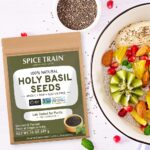
Basil Seeds
All three seeds – chia, flax, and basil – are nutrient-dense and can provide a range of health benefits. Chia seeds are particularly high in fibre and omega-3 fatty acids, making them a great choice for digestive health and reducing inflammation. Flax seeds are also high in omega-3s and
7. Use by Females
These seeds are equally good for females. Chia seeds can be particularly beneficial for women due to their high fibre content and omega-3 fatty acids.
- Hormonal Health: The seeds are rich in lignans, a type of phytoestrogen that can help to balance hormones. This can be particularly beneficial for women who are experiencing symptoms of hormonal imbalances, such as hot flashes, irregular periods, and mood swings.
- Digestive Health: These seeds are high in fibre, which can help to regulate digestion and promote regular bowel movements. This can be particularly beneficial for women who are prone to constipation or other digestive issues.
- Cardiovascular Health: High in omega-3 fatty acids, which can help reduce inflammation and lower the risk of cardiovascular disease. This is particularly important for women, as heart disease is the leading cause of death in women in many countries.
- Bone Health: A good source of calcium and magnesium, two minerals that are essential for maintaining strong bones. This is particularly important for women, as women are more prone to osteoporosis than men.
- Weight Management: These can be a helpful addition to a weight management plan for women. The fibre and protein in chia seeds can help to promote feelings of fullness and reduce appetite, which can help to prevent overeating.
Overall, these seeds are a nutritious and beneficial food for both men and women. However, due to their potential benefits for hormonal health and cardiovascular health, they can be particularly beneficial for women. As always, it’s important to consume chia seeds in moderation as part of a balanced diet.
8. People to Avoid
While they are generally considered safe and beneficial for most people, certain individuals may need to exercise caution or avoid chia seeds altogether.
- People with Nut or Seed Allergies: Chia seeds are a member of the mint family and are not a common allergen. However, individuals with nut or seed allergies may experience an allergic reaction to chia seeds. It’s important to speak with a healthcare provider before consuming chia seeds if you have a known allergy to nuts or seeds.
- People with Digestive Issues: While the seeds are high in fibre, some individuals with digestive issues, such as irritable bowel syndrome (IBS), may find that chia seeds exacerbate their symptoms. In these cases, it’s best to start with a small number of chia seeds and gradually increase the amount over time to see how your body responds.
- People Taking Certain Medications: They may interact with certain medications, including blood thinners and blood pressure medications. If you are taking any medications, it’s important to speak with a healthcare provider before consuming chia seeds to avoid potential interactions.
- Pregnant or Breastfeeding Women: While the seeds are generally safe for pregnant and breastfeeding women, there is limited research on the safety of chia seeds during pregnancy and breastfeeding. It’s best to speak with a healthcare provider before consuming chia seeds during these times.
Overall, these seeds are a safe and beneficial food for most people. However, as with any new food, it’s important to start with a small amount and monitor your body’s response to ensure that you don’t experience any adverse reactions. If you have any concerns or underlying health conditions, it’s always best to speak with a healthcare provider before incorporating chia seeds into your diet.
9. Allergy Symptoms of Chia Seeds
They are generally considered safe for most people, and allergic reactions to chia seeds are rare. However, for those who are allergic to chia seeds, symptoms can range from mild to severe and may include:
- Skin Rash: A skin rash is a common symptom of chia seed allergy. The rash may be itchy, red, and raised, and can occur anywhere on the body.
- Swelling: Swelling of the lips, tongue, face, and throat may occur in individuals who are allergic to chia seeds. This can be a potentially serious symptom that requires immediate medical attention.
- Difficulty Breathing: Difficulty breathing or shortness of breath may occur in individuals with a severe allergic reaction to chia seeds. This is a medical emergency that requires immediate attention.
- Digestive Symptoms: Digestive symptoms such as nausea, vomiting, and diarrhoea may occur in individuals who are allergic to chia seeds.
- Anaphylaxis: In rare cases, the allergy can cause anaphylaxis, a severe and potentially life-threatening allergic reaction. Anaphylaxis can cause a range of symptoms, including difficulty breathing, rapid pulse, low blood pressure, and loss of consciousness.
It’s important to note that the symptoms of chia seed allergy can vary from person to person and may be more severe in individuals with a history of allergies or asthma. If you experience any of these symptoms after consuming chia seeds, it’s important to seek medical attention right away. If you have a known allergy to nuts or seeds, it’s also important to speak with a healthcare provider before consuming chia seeds to avoid potential allergic reactions.
10. Best Time to Take
There is no specific time of day that is considered the best for consuming chia seeds, as it largely depends on personal preference and individual needs. However, here are a few suggestions for incorporating chia seeds into your diet:
- In the Morning: Adding seeds to your breakfast can help you start the day with a boost of energy and nutrients. You can sprinkle chia seeds on top of oatmeal or yoghurt, blend them into a smoothie, or mix them into a homemade granola.
- Before or After a Workout: The seeds are a great source of protein, fibre, and omega-3 fatty acids, which makes them a great pre- or post-workout snack. You can mix chia seeds with water or juice for a quick and easy energy boost.
- In Baked Goods: It can be added to baked goods such as muffins, bread, or cookies to boost the nutritional content and add a crunch.
- As a Snack: The seeds can be eaten as a standalone snack or mixed with nuts, dried fruit, or other seeds to create a nutrient-dense trail mix.
It’s important to note that chia seeds can absorb water and expand in your stomach, helping you feel full and satisfied. Therefore, it’s a good idea to consume chia seeds with plenty of water or other liquids to avoid digestive discomfort.
Overall, there is no specific time of day that is best for consuming chia seeds. You can incorporate them into your diet in various ways to help meet your daily nutritional needs and support your overall health and wellness. When used correctly, chia seeds offer a simple and natural way to support everyday health.
Latest Scientific Insights on Chia Seeds (2026 Update)
Recent nutritional research continues to support the role of chia seeds as a nutrient-dense food that fits well into modern diets. Updated studies confirm that chia seeds remain one of the richest plant-based sources of omega-3 fatty acids, particularly alpha linolenic acid, which plays a role in supporting heart health and reducing inflammation.
Research published in recent years also highlights the role of chia seed fibre in supporting gut health. The soluble fibre in chia seeds feeds beneficial gut bacteria and helps improve digestion, which may contribute to better metabolic health over time. Clinical reviews suggest that regular chia seed intake can support modest improvements in blood pressure and cholesterol levels when consumed as part of a balanced diet.
Scientists also continue to study chia seeds for their antioxidant content. These antioxidants help protect the body from oxidative stress, which is linked to ageing and chronic diseases. While chia seeds are not a medical treatment, current evidence supports their use as a supportive food for long-term wellness.
FAQs
Q 1. Are soaked chia seeds better than dry chia seeds?
Yes. Soaked chia seeds are safer and easier to digest because they expand before consumption rather than inside the body.
Q 2. Can chia seeds be consumed long-term?
Yes. When used in moderation and as part of a balanced diet, chia seeds are considered safe for long-term consumption.
Q 3. Do chia seeds still hold nutritional value in 2026?
Yes. Chia seeds continue to be valued for their fibre, omega-3 fatty acids, and mineral content, and remain relevant in modern nutrition.
Disclaimer: The contents of this article are intended to raise awareness about common health issues and should not be viewed as sound medical advice for your specific condition. You should always consult with a licensed medical practitioner before following any suggestions outlined in this article or adopting any treatment protocol based on the contents of this article.
If you enjoyed this article, please like and share it with your friends, and don’t forget to subscribe for more great content!
https://mrpo.pk/flax-seeds-benefits-nutrition-uses-side-effects/

A good informative write up.No doubt many a local herbs and household items have great nutritional values.only lack of knowledge/awareness hindering their uses.