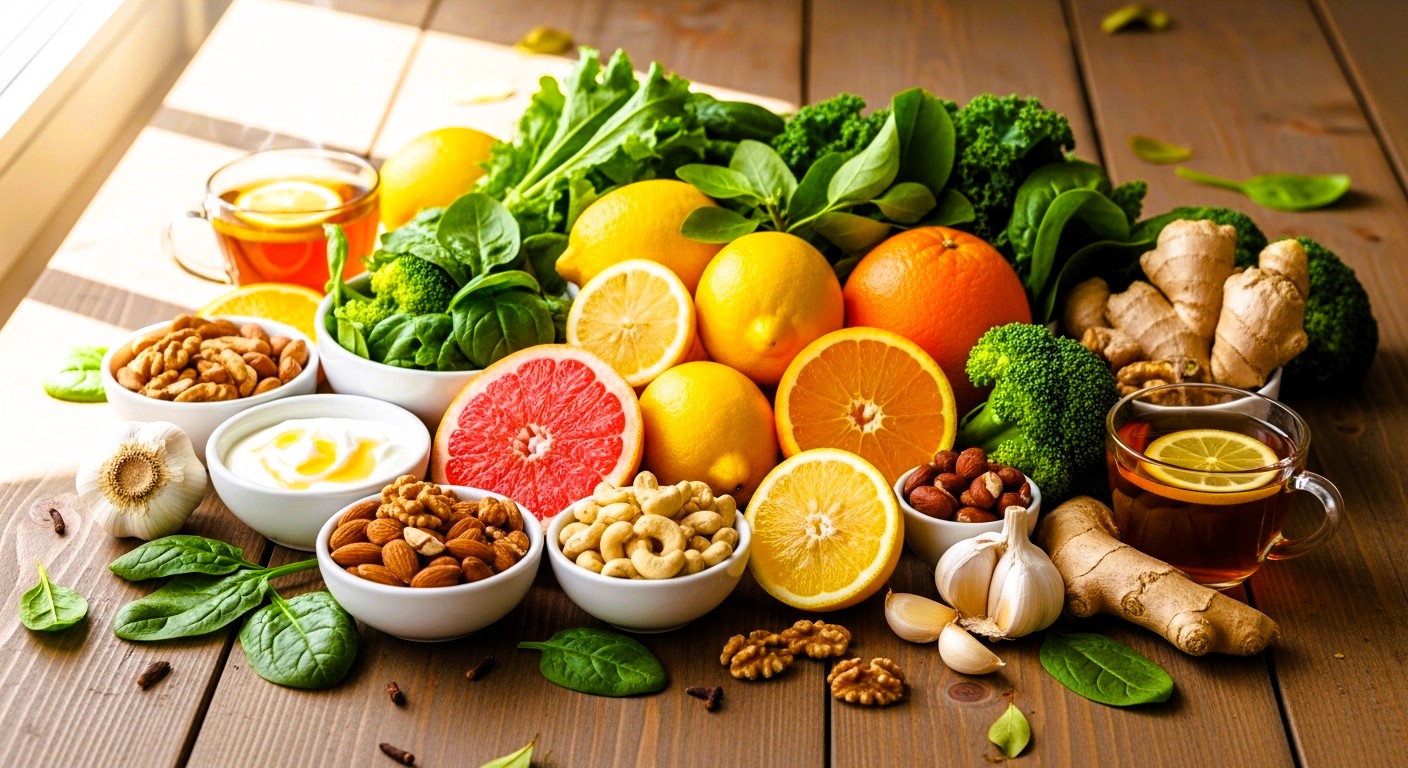

Immune‑Boosting Foods: Evidence‑Based Guide for Everyday Wellness
Written by: Hamid Mahmood
Introduction
Immune‑Boosting Foods. In every season, whether cold and flu season, summer heat, or times of stress, most of us want one thing: a strong immune system. We drink teas, take supplements, and look for foods that “boost immunity.” But with so much information online, it’s easy to get confused about what really works.
Imagine being able to pick foods at your local market not because they’re trendy, but because they scientifically support your body’s defence system. That’s what this article delivers: a clear, practical, and trustworthy guide to immune‑boosting foods that you can actually include in your daily meals.
Immune‑Boosting Foods: Why Immune Health Matters Every Day
Your immune system is your body’s defence network. It recognises and neutralises threats like bacteria, viruses, and other pathogens. Rather than thinking of immunity as an on‑off switch, it’s better to think of it as a team of cells and processes that needs the right tools, nutrients, sleep, hydration, exercise, and stress management to work well.
Food doesn’t act alone, but certain nutrients are essential for creating, maintaining, and regulating immune cells. When these nutrients are consistently available through your diet, your immune system has a better chance of performing at its best.
Key Nutrients That Support Immune Function
Vitamin C
Vitamin C is one of the most well‑known immune nutrients. It helps stimulate the production of white blood cells that fight infections and supports antioxidant defences, helping to protect cells from oxidative damage.
- Sources: Oranges, lemons, strawberries, kiwi, bell peppers, broccoli.
Vitamin A and Beta‑Carotene
Vitamin A supports the health of the skin and mucous membranes — the barriers that help keep pathogens out. Beta‑carotene is a plant compound your body can convert into Vitamin A.
- Sources: Sweet potatoes, carrots, spinach, kale.
Vitamin E
Vitamin E is a fat‑soluble antioxidant that helps protect cell membranes from damage.
- Sources: Almonds, sunflower seeds, hazelnuts.
Zinc
Zinc is involved in the production and function of immune cells. A deficiency can impair immune responses.
- Sources: Meat, shellfish, legumes, seeds (like pumpkin and sesame).
Protein
Protein provides the building blocks (amino acids) for antibodies and other aspects of immune function.
- Sources: Lean meats, poultry, fish, eggs, dairy, lentils, chickpeas.
Top Immune‑Boosting Foods
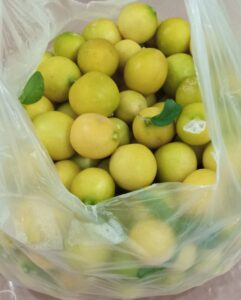
Citrus Fruits
Citrus fruits are rich in Vitamin C and easy to include in breakfasts, snacks, and salads.
- Examples: Oranges, grapefruits, lemons, limes
- Add raw slices to water, juice them fresh, or mix them into fruit salads.
Leafy Greens
Leafy vegetables are nutrient powerhouses, packed with Vitamins A, C, E, and fibre, all beneficial for immunity.
- Examples: Spinach, kale, Swiss chard
- Sauté lightly, add to soups, or blend into smoothies.
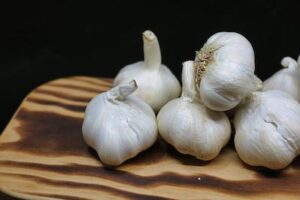
Garlic and Ginger
These aromatic staples contain bioactive compounds with antioxidant and anti‑inflammatory properties that help the body’s defences.
- Add fresh garlic to stir‑fries and soups.
- Use grated ginger in teas, soups, or dressings.
Yoghurt and Probiotics
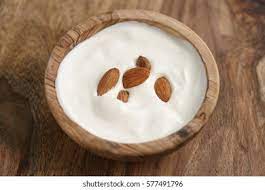
The gut plays an essential role in immune health, and probiotic‑rich foods support a healthy microbiome.
- Examples: Plain yoghurt, kefir, fermented vegetables
- Use as a snack or base for dressings and dips.
Nuts and Seeds
Nuts and seeds provide Vitamin E, zinc, and healthy fats that support immune cell membranes and signalling.
- Examples: Almonds, sunflower seeds, walnuts, pumpkin seeds
- Enjoy as a snack, mix into oatmeal, or sprinkle on salads.
Fatty Fish
Fatty fish are rich in omega‑3 fatty acids, which help regulate inflammation — a key aspect of immune function.
- Examples: Salmon, mackerel, sardines
- Bake, grill, or include in salads.
Tea (Green or Herbal)
Tea contains antioxidants like catechins and polyphenols that support overall cell health.
- Drink daily as part of hydration.
How to Build Immune‑Supporting Meals
Here are practical meal ideas you can make at home:
Breakfast
- Citrus fruit bowl with strawberries and kiwi
- Spinach and mushroom omelette
Lunch
- Grilled salmon salad with nuts and leafy greens
- Lentil soup with garlic and carrots
Dinner
- Stir‑fried vegetables with ginger and tofu
- Quinoa bowl with spinach, seeds, and citrus vinaigrette
Snacks
- Yoghurt with sunflower seeds
- A handful of almonds and a piece of fruit
Balanced meals with proteins, healthy fats, and plenty of vegetables help supply the nutrients your immune system needs.
Lifestyle Habits That Support Immune Health
Food matters, but immunity is multi‑factorial. These habits can strengthen your body’s defences:

- Sleep: Aim for 7–9 hours each night
- Hydration: Water supports nutrient transport and waste removal
- Movement: Regular physical activity improves circulation and immune responsiveness
- Stress Management: Chronic stress can suppress immune function. Practices like mindfulness and light exercise help
Potential Misconceptions About “Immune‑Boosting” Foods
There’s no single food that creates “super immunity,” and supplements are not a substitute for a balanced lifestyle. Instead:
- A varied diet rich in nutrient‑dense foods provides consistent support
- Whole foods work in synergy, unlike isolated vitamins
- Immune benefits occur over time with regular habits, not overnight
This grounded understanding keeps expectations realistic and sustainable.
FAQs About Immune‑Boosting Foods
1. Can eating certain foods prevent infections?
No food can prevent infections entirely, but nutrient‑rich foods support the immune system’s ability to respond effectively.
2. Should everyone take Immune‑Boosting Foods/ supplements?
Supplements may help in cases of deficiency, but are not necessary for everyone. Whole foods are the first choice.
3. Is citrus the only source of Vitamin C?
No, many fruits and vegetables contain Vitamin C, including strawberries, bell peppers, and broccoli.
4. Can probiotics improve immunity?
Probiotics support gut health, which is linked to immunity, but effects vary by individual and strain.
5. Are herbal teas beneficial?
Green tea and herbal teas contain antioxidants that support overall health.
6. Should children eat immune‑boosting foods differently?
Children benefit from balanced, nutrient‑rich meals; avoid high sugar and processed foods while ensuring age‑appropriate portions.
This post contains affiliate links, which means I earn a commission if you purchase through these links. This comes at no additional cost to you and helps support the content I create. I only promote products/services I believe in and use myself. Your support is greatly appreciated!
Disclaimer: The content in this article is intended for informational and educational purposes only. It provides insights, tips, and general guidance on health, beauty, and wellness, but it is not a substitute for professional medical advice, diagnosis, or treatment.
Always consult a qualified healthcare professional for personal medical concerns. For more information about our approach to health and wellness content, please read our Health & Wellness Disclaimer.
References
- Healthline: Foods That Boost Your Immune System – https://www.healthline.com/health/food-nutrition/foods-that-boost-the-immune-system
- WebMD: Immune System and Nutrition – https://www.webmd.com/food-recipes/features/foods-for-your-immune-system
- BrownHealth: Foods to Boost Your Immune System – https://www.brownhealth.org/be-well/foods-boost-your-immune-system
- UChicago Medicine: Boost Immunity With Foods – https://www.uchealth.com/en/media-room/covid-19/boost-immunity-with-food
Internal Links
- Flax Seeds: Nutritional Powerhouse – https://mrpo.pk/flax-seeds
- Chia Seeds: Benefits and Uses – https://mrpo.pk/chia-seeds
- Black Seeds: Health Benefits & Uses – https://mrpo.pk/black-seeds-power-of-health-benefits