How Housing Societies, Property Speculation and Urban Sprawl Threaten Food Security
Pakistan’s Vanishing Farmland: Pakistan’s farmland is under pressure from housing societies and urban sprawl. Discover the threat to food security and the reforms needed to protect agriculture.
The central question:
Can Pakistan build a prosperous future by turning the land that feeds its people into the concrete that houses them?
A residential plot may create wealth for one investor. Productive farmland creates value for an entire society. The danger begins when a country forgets the difference.
Pakistan’s Vanishing Farmland: How Housing Societies, Property Speculation and Urban Sprawl Threaten Food Security
Purpose of the Article
This investigation examines how Pakistan’s expanding cities, housing societies and property speculation are changing the country’s agricultural landscape. It explores the economic pressures behind farmland conversion, the weaknesses in land-use planning, and the long-term consequences for food security, farmers, water resources and future generations. It also identifies practical reforms to protect productive land while meeting genuine housing needs and modernising agriculture.
Pakistan’s Vanishing Farmland
The Global Warning: Food Is a Strategic Resource
In May 2022, The Economist published its famous cover, “The Coming Food Catastrophe.” Its disturbing illustration replaced wheat grains with skulls.
The timing was significant. Russia’s invasion of Ukraine disrupted international grain supplies, while rising energy and fertiliser prices increased pressure on food production worldwide.
The message was simple: food security cannot be taken for granted.
Pakistan should pay particular attention to this warning. Agriculture supports rural employment, supplies domestic food markets, provides industrial raw materials and contributes to exports. Weakening this sector can affect the entire economy.
Consider a simple example. If wheat, vegetables or cooking oil become more expensive, a wealthy household may adjust its spending. A low-income family may have to reduce the quality or quantity of its meals.
Food insecurity is not just an agricultural problem. It is an economic and social problem.
In May 2022, The Economist published its famous cover, “The Coming Food Catastrophe.” Its disturbing illustration replaced wheat grains with skulls. Credit: Illustration: Ricardo Rey
Pakistan’s Agricultural Land Under Pressure
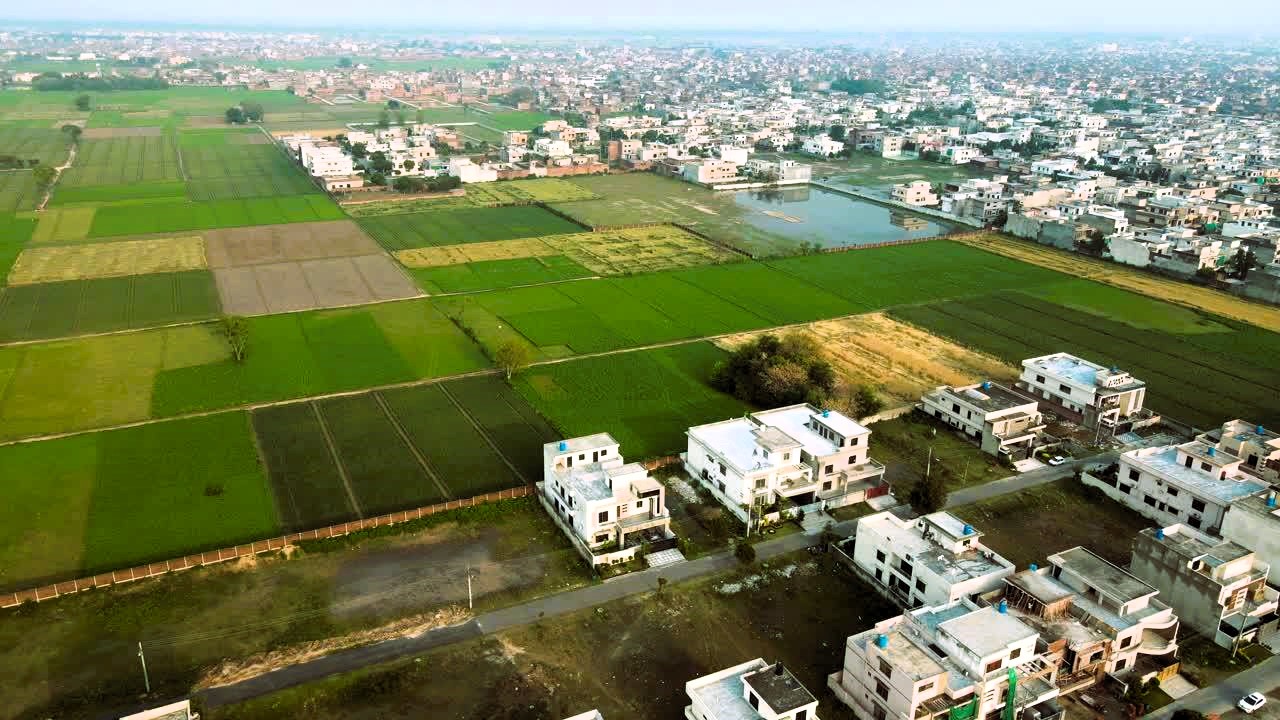
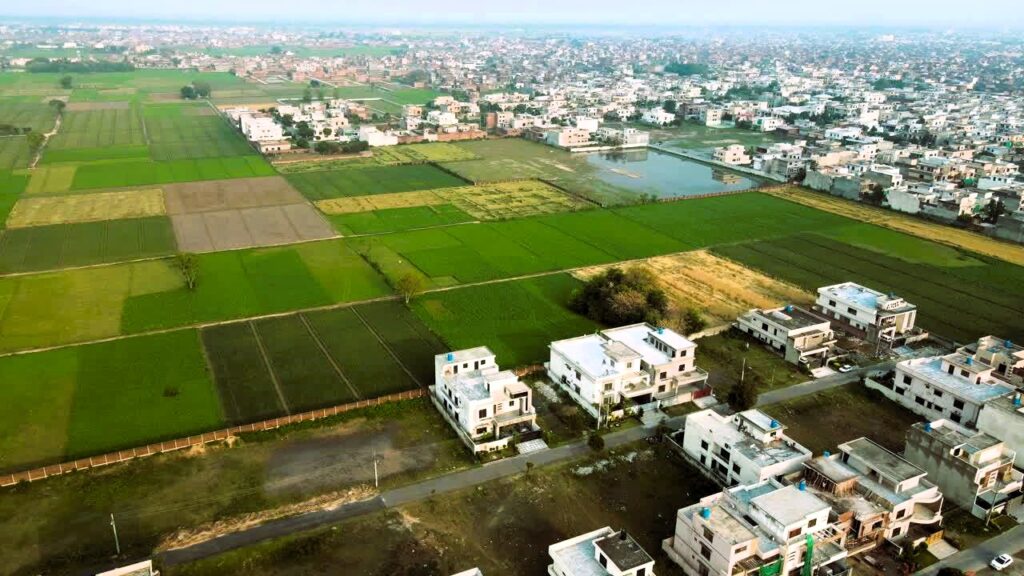
Pakistan’s cities are expanding. Population growth, migration, employment opportunities and demand for better housing all contribute to urban development.
There is nothing wrong with building homes, roads, schools and hospitals. The problem arises when development consumes productive agricultural land without properly assessing its long-term value.
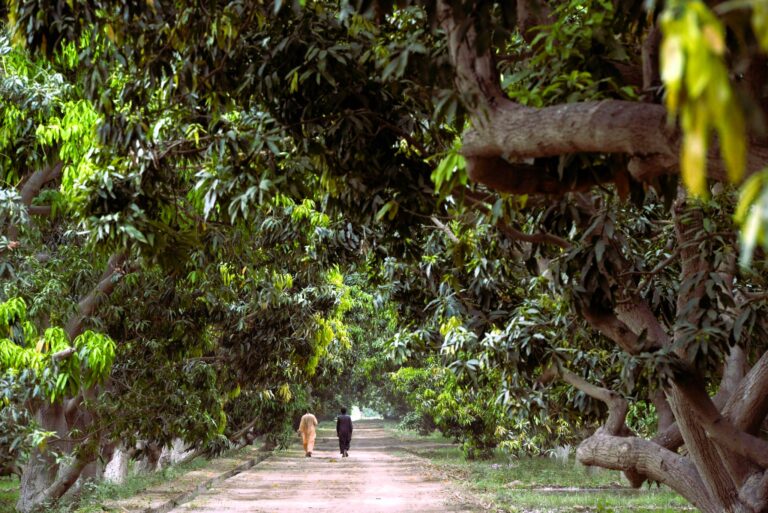
A field is not an empty piece of real estate. It may contain fertile soil, established irrigation channels, fruit orchards and a productive farming system built over generations.
Once covered by roads, buildings and concrete, much of that productive capacity is permanently lost.
What the Auditor General Found
This concern is not simply an environmental argument made by agricultural experts. The Auditor General of Pakistan’s 2022 study on urbanisation examined land conversion in Sahiwal and Kamoke.
Its findings included:
Housing Development: The study identified 39 housing schemes in Kamoke and 52 in Sahiwal that breached agricultural and peri-urban zoning classifications.
Illegal Subdivision: It identified approximately 328 acres of illegal agricultural land subdivisions in Gujranwala, including Kamoke.
Weak Planning: The study highlighted institutional weaknesses, poor enforcement and inadequate urban planning.
Environmental Damage: It documented the conversion of forest land and other environmental resources into built-up areas.
The Auditor General’s findings show that the problem extends beyond population growth. Planning and enforcement also matter.
Several reports and satellite-based studies reveal substantial changes around Pakistan’s expanding cities. However, their figures cover different periods, geographical boundaries and land classifications. They should not be combined into one national estimate.
Punjab: A Serious Warning
A report published by HUM News in March 2024, based on an audit study covering 1990–2022, reported that 630,776 kanals of agricultural land had been converted into housing societies and townships. That equals approximately 78,847 acres.
The report also gave agricultural land availability figures of 652,529 acres in 1990 and 573,682 acres in 2022.
There is an important statistical detail here. The difference between those two figures represents a reduction of approximately 12.1%, not the 14% stated in the report. The acreage figures should therefore be used with this qualification.
Other research provides a clearer picture of local changes.
Rawalpindi and Islamabad: A satellite-based study covering 1990–2020 reported agricultural land reductions of 65.60% in Rawalpindi and 31.37% in Islamabad within their respective study areas.
Multan: A study covering 1993–2023 found that built-up land increased from 9% to 32%, while agricultural land declined from 76% to 66% of the study area.
Karachi: A satellite study found cultivated land within its defined study area fell from 159.3 square kilometres in 2000 to 81.5 square kilometres in 2020.
Hyderabad: Research covering 1979–2020 reported substantial urban expansion, with the built-up share increasing from 30.69% to 65.04% of the study area.
These findings show that urban expansion is changing the agricultural landscape across several regions. They do not mean that every new building has replaced farmland. Some urban growth occurs on barren or previously undeveloped land. The important question is how much valuable agricultural land is being lost and whether that loss is properly recorded.
An Important Statistical Contradiction: Is Pakistan Growing More Farmland or Losing It?
There is an interesting development in the Pakistan Bureau of Statistics’ Agricultural Census 2024.
According to the census, recorded cultivated area increased from approximately 42.62 million acres in 2010 to 52.79 million acres in 2024.
At first glance, this appears to contradict reports of farmland disappearing around major cities. However, the two findings measure different things.
National cultivated-area figures cover agricultural activity across the country. Satellite studies examine land-use changes within particular urban regions.
Pakistan can expand cultivated area in some regions while losing productive farmland around Lahore, Rawalpindi, Multan and other cities. There is another important warning in the same census.
The average farm size declined from 6.4 acres in 2010 to approximately 5.3 acres in 2024. The number of recorded farms increased to around 11.1 million. This points to increasing fragmentation of agricultural holdings. Smaller farms can face greater difficulties accessing machinery, finance, modern technology and profitable markets.
The lesson is clear: increasing the recorded cultivated area does not automatically mean that Pakistan’s agricultural system is becoming stronger.
It is easy to blame property developers or farmers for the conversion of agricultural land. The actual picture is more complicated. A farmer does not necessarily sell productive land because he has lost interest in agriculture. Sometimes the economics of farming leaves him with few attractive choices.
A 2024 study published in Land Use Policy, based on surveys of 608 farmers in Pakistan, examined the economic, geographical and institutional factors behind agricultural land conversion.
The research identified land prices, urbanisation, farmers’ characteristics and government facilities among the factors influencing conversion. It also highlighted weaknesses in institutional checks and controls. Several pressures deserve attention.
1. Property Investment Offers Attractive Returns
For many investors, purchasing land appears easier than establishing a factory, developing a business or investing in agricultural production. The attraction is understandable. A plot may appreciate in value without requiring the owner to manage employees, machinery, production or exports.
Property investment is not inherently harmful. Housing construction supports employment and several industries. The problem begins when speculation becomes more attractive than productive investment. An undeveloped plot can change hands several times without producing a home, a factory or a single crop.
2. Farmers Face Financial Pressure
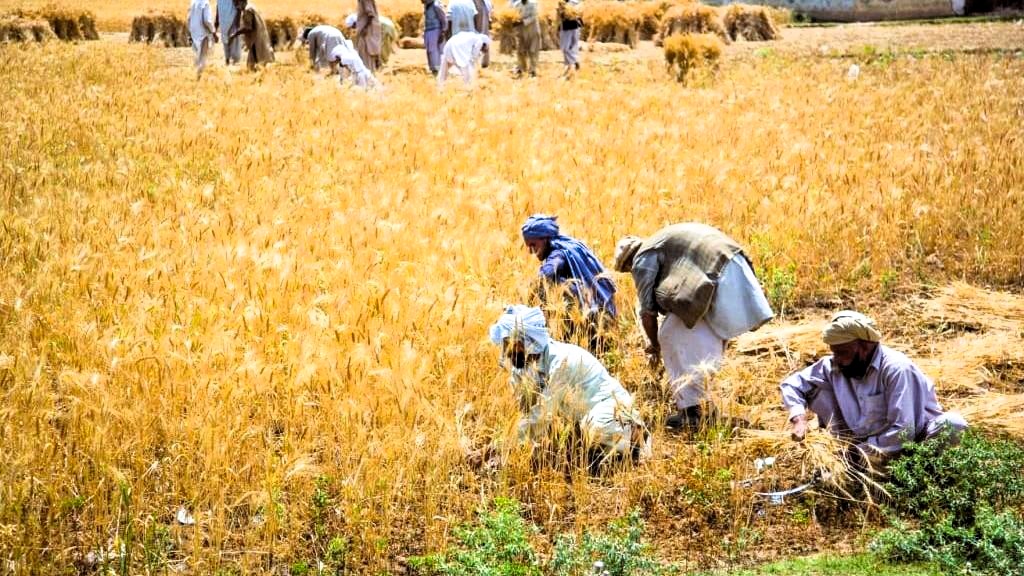
Farmers must pay for seeds, fertilisers, diesel, electricity, machinery, labour and irrigation. They also face uncertain crop prices, weather risks, water shortages and limited bargaining power. For a farmer struggling to maintain profitability, an attractive offer from a developer can be difficult to reject. This is not simply a question of individual choice. It is a failure to make agriculture financially competitive.
3. Weak Urban Planning Encourages Speculation
Housing developments require proper planning, transparent approvals, reliable land records and effective regulation. Where these systems fail, developers and investors may find opportunities to acquire agricultural land and seek changes in its classification.
The situation becomes worse when unauthorised developments continue for years without effective action.
4. Genuine Housing Needs Add Pressure
Pakistan needs more homes. Population growth and changing household patterns create genuine demand. But an important question remains: Are new housing societies actually providing affordable homes, or are some primarily selling plots to investors? Reporting by Geo News has highlighted cases where approved housing developments remained undeveloped for years.
This creates an unusual situation. Agricultural land may stop producing food, yet the promised houses may never appear. The country can lose productive farmland without gaining the residential benefits used to justify its conversion.
The value of agricultural land cannot be measured only by its market price. Its economic and environmental contribution extends far beyond the crops growing on it.
What Does Pakistan Lose When Farmland Disappears?
Food Production and Local Supply
Fertile land produces wheat, rice, maize, vegetables, fruit, cotton and fodder. When agricultural land around major cities disappears, food may have to travel longer distances from other production areas. That can increase transport costs, supply pressures and vulnerability to disruptions.
The effects are particularly important for perishable products such as vegetables and fruit.
Water Resources and Drainage
Agricultural land can support rainwater infiltration and local water management, depending on soil conditions and farming practices. Replacing permeable land with roads and buildings increases surface runoff and can place additional pressure on drainage systems.
In a country already facing serious water challenges, careless land conversion can create further problems.
Employment and Rural Livelihoods
A productive farm supports more than its owner. Farm workers, machinery operators, transporters, traders, food processors and local businesses all depend on agricultural activity. When farming disappears, these economic connections may disappear too.
Rising Temperatures and Environmental Stress
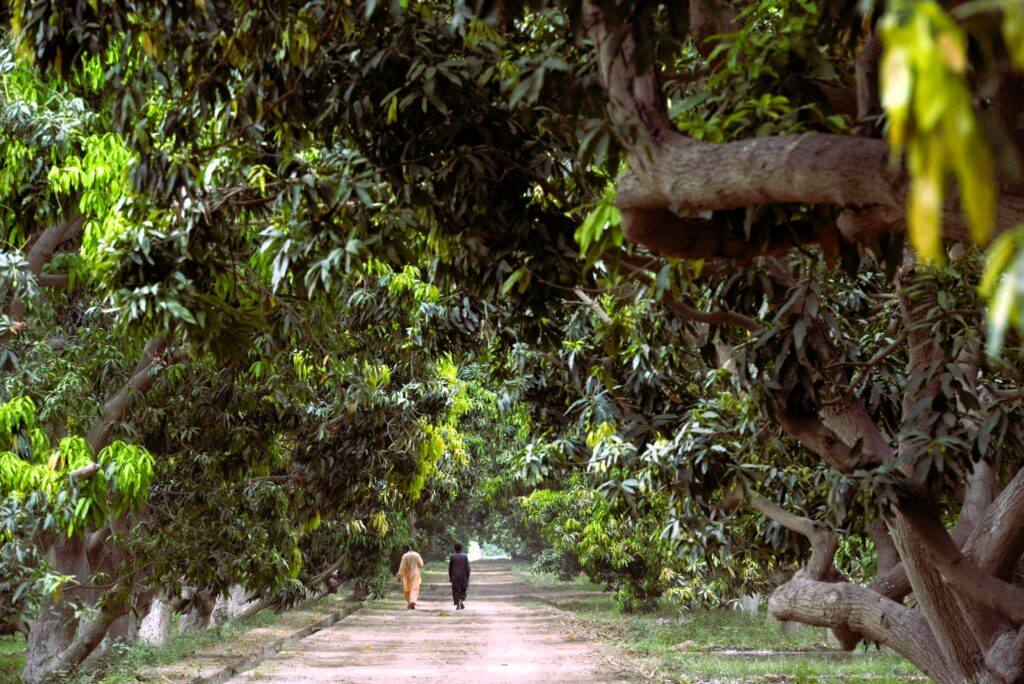
Vegetation and orchards help moderate local temperatures through shade and evapotranspiration.
The Ministry of Climate Change’s 2025 study of six Pakistani metropolitan cities examined the relationship between changing land cover and urban heat. It found that expanding built-up areas and declining vegetation contributed to higher land surface temperatures. Urban growth, therefore, affects more than the appearance of a city. It can also change its local climate.
High external temperaturesSDG 13: Climate Action Pakistan’s Struggle Against Environmental Collapse
The Real Challenge: Protect Farmland and Modernise Agriculture
Protecting agricultural land is necessary, but it is not enough. Pakistan could preserve every remaining field and still face food shortages if farmers cannot produce efficiently, water is wasted, storage is inadequate or agricultural products fail to reach markets. The country needs a coordinated agricultural development strategy. The following six priorities deserve serious attention.
Six Priorities for Pakistan’s Agricultural Future
1. Protect Productive Agricultural Land
Provincial governments should identify and map high-quality agricultural land, irrigated areas, orchards and important food-producing regions. These areas should receive legal protection through enforceable land-use zoning.
Any proposed conversion of prime agricultural land should require transparent public review, independent technical assessment and clearly defined approval procedures. Land classification should not change simply because a developer offers a higher price.
2. Make Farming Financially Viable
Farmers need a reasonable return on their investment. Government programmes should improve access to affordable credit, certified seeds, fertilisers, machinery, crop insurance and reliable market information. Cooperatives and shared machinery services can help smaller farmers reduce operating costs.
Agricultural income must become competitive enough to discourage the unnecessary sale of productive land.
3. Improve Water Management
Pakistan cannot modernise agriculture without addressing water scarcity.
Priority measures should include:
Laser land levelling where suitable.
Drip and sprinkler irrigation are economically practical.
Better maintenance of canals and watercourses.
Groundwater monitoring and responsible extraction.
Rainwater harvesting and local storage.
Farmer training in efficient irrigation practices.
Modern equipment alone will not solve the problem. Farmers also need affordable financing, technical support and reliable energy.
Pakistan Water Security.Water, Power and Survival: Why Pakistan’s Future Depends on Every Drop
4. Invest in Agricultural Research and Technology
Agricultural research should focus on practical problems, including heat-resistant crops, drought tolerance, soil degradation, pests and changing rainfall patterns. Research institutions must connect their work with farmers.
Digital services can help provide weather warnings, crop information, pest alerts and market prices. However, technology should support agricultural extension officers and field training, not replace them.
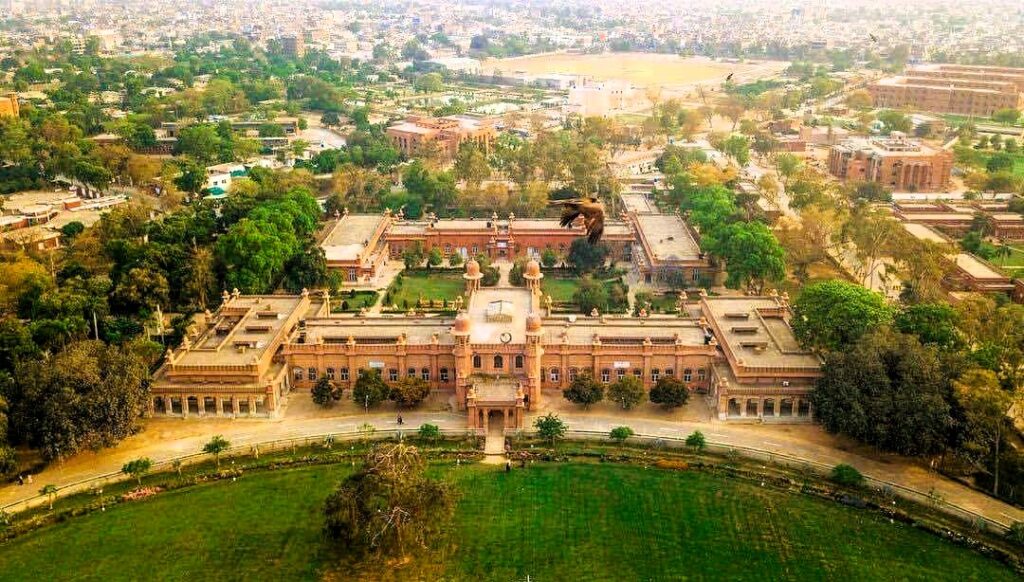
Who Controls Our Seeds, Water, Farms and Food? Pakistan’s Food Sovereignty Crisis: University of Agriculture Faisalabad
5. Reduce Food Losses and Develop Agro-Industries
Growing more food is only part of the solution. Pakistan must also prevent food from being wasted after harvest. Modern grain storage, cold chains, better rural roads, improved packaging and food-processing facilities can reduce losses.
Investment in dairy, fruit, vegetable processing and agricultural machinery can create employment and increase the value of domestic production.
Agriculture should become the foundation of a stronger manufacturing and export economy.
6. Establish Land Monitoring and Accountability
Federal and provincial authorities should publish regular information about:
Agricultural land converted to other uses.
Housing schemes approved, rejected or declared illegal.
Changes in crop acreage and productivity.
Groundwater levels and irrigation efficiency.
Food imports and domestic production.
Public spending on agricultural research.
Satellite imagery, geographical information systems and reliable land records can make monitoring more effective.
Most importantly, accountability must apply to developers, approving authorities and public officials involved in unlawful land conversion.
Housing and Agriculture Must Not Become Enemies
Pakistan does not have to choose between building homes and protecting food production. The two objectives can coexist through better planning.
Cities can make greater use of vacant serviced plots, underused urban areas and redevelopment opportunities. Higher-density housing, where appropriate, can reduce unnecessary horizontal expansion. New infrastructure should be planned before residential development begins.
Authorities must also distinguish between genuine housing projects and speculative developments that leave land unused for years. The objective is not to stop cities from growing. It is to stop them from growing carelessly.
What Can Pakistan Learn From Other Countries?
Countries facing pressure on agricultural land have adopted different approaches to controlling urban expansion. Some use protected agricultural zones. Others establish urban growth boundaries, encourage redevelopment and promote more efficient use of existing urban land. These policies cannot simply be copied into Pakistan. Land ownership patterns, population pressures and administrative systems differ.
However, one principle applies everywhere: productive agricultural land should be treated as a strategic resource, not merely as another property investment opportunity.
Pakistan needs a land-use policy that considers the long-term national interest.
Food Security Is a National Security Issue
Food shortages and rising prices can create serious economic and social pressures.
Low-income households are usually the first to suffer. Poor nutrition can affect children’s development, family health and educational performance.
Dependence on imported food also exposes countries to currency depreciation, international conflicts, export restrictions and supply-chain disruptions.
Pakistan must therefore view agricultural development as part of its national security strategy. Food security requires productive land, efficient farming, responsible water management, adequate storage and affordable food markets. No single policy can deliver all these benefits. A coordinated approach is essential.
Pakistan’s Food Sovereignty Crisis: Who Controls Our Seeds, Water, Farms and Food?
The Cost of Inaction Will Be Paid by Future Generations
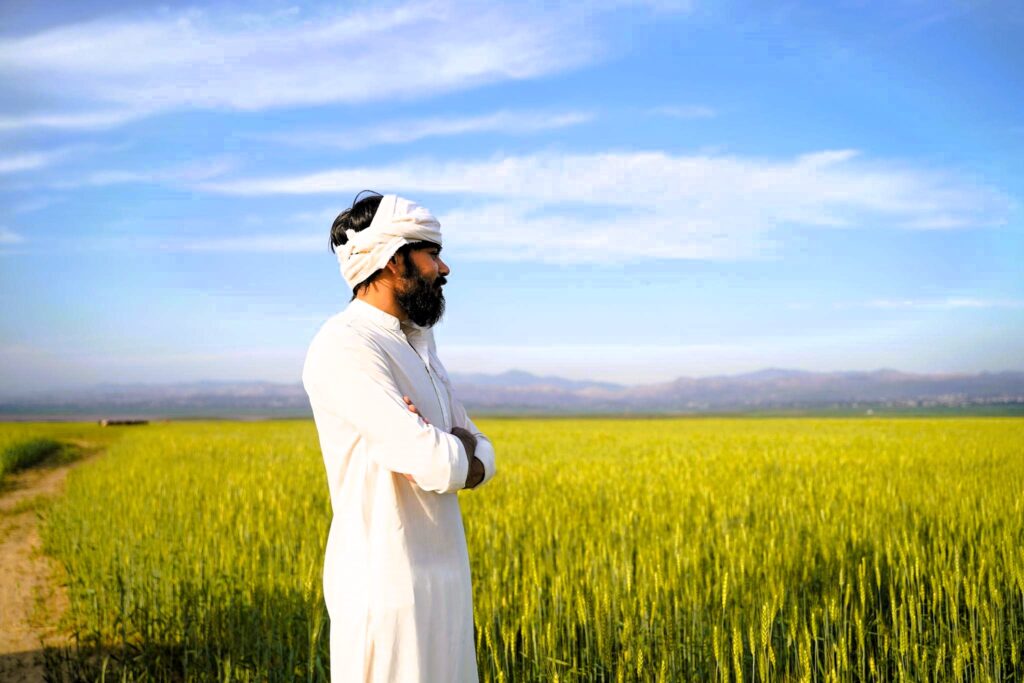
Our elders inherited fields, orchards and agricultural traditions that sustained communities for generations. What will we leave behind?
Will future generations inherit fertile soil, productive farms, reliable water resources and a modern agricultural economy?
Or will they inherit expanding concrete settlements, stressed water supplies, expensive food and greater dependence on imported necessities?
This is not an argument against development or investment. It is an argument for responsible development.
A residential society may generate substantial financial returns. But when productive agricultural land is permanently lost, the wider economic and environmental costs are shared by everyone.
Pakistan must protect its farmland while making agriculture more productive, profitable and attractive. It must help farmers adopt modern technology, access better markets and earn a fair return for their work. Above all, it must recognise that food security cannot be postponed until a crisis arrives.
We must build homes for people without destroying the land that feeds them.
The question is no longer whether Pakistan can afford to protect its farmland. The real question is whether it can afford not to.
Frequently Asked Questions
1. Why is agricultural land disappearing in Pakistan?
Multiple factors contribute to agricultural land conversion, including population growth, housing demand, property speculation, weak urban planning and financial pressure on farmers. Inadequate enforcement of land-use regulations can make the problem worse.
2. How much agricultural land has Pakistan lost to housing societies?
A 2024 report on an audit study covering Punjab from 1990 to 2022 reported that 630,776 kanals, equivalent to approximately 78,847 acres, had been converted into housing societies and townships. This is a Punjab-specific figure, not a national estimate.
3. Is Pakistan’s cultivated area increasing or decreasing?
The Pakistan Bureau of Statistics’ Agricultural Census 2024 reports an increase in recorded cultivated area from approximately 42.62 million acres in 2010 to 52.79 million acres in 2024. However, local studies show significant agricultural land conversion around several cities. Both trends can occur simultaneously.
4. How does urban expansion affect food prices?
The conversion of productive land can reduce local food production and increase dependence on supplies from more distant regions. Longer transport routes and supply disruptions may add to costs. However, food prices also depend on fuel, fertiliser, exchange rates, weather, imports and market conditions.
5. How can Pakistan protect farmland while providing affordable housing?
Authorities can promote redevelopment, use vacant serviced plots, encourage appropriately designed higher-density housing and establish protected agricultural zones. Housing approvals should also consider genuine residential demand rather than speculative investment alone.
6. What should Pakistan do to improve agricultural productivity?
Priority measures include better irrigation, quality seeds, agricultural research, affordable credit, modern machinery, improved storage, crop diversification and stronger market access. Protecting productive land must accompany these reforms.
Saqib et al. From Green Fields to Housing Societies: Unraveling the Mysteries Behind Agricultural Land Conversion in Pakistan. Land Use Policy, September 2024. https://doi.org/10.1016/j.landusepol.2024.107256
Hashim et al. The Spatio-Temporal Analysis of Land Use Land Cover Changes in Multan City, Pakistan. Natural and Applied Sciences International Journal. https://doi.org/10.47264/idea.nasij/4.1.8
Urban Growth Patterns and Forest Carbon Dynamics in the Metropolitan Twin Cities of Islamabad and Rawalpindi, Pakistan.Sustainability, 2021. https://www.mdpi.com/2071-1050/13/22/12842
Baqa et al. Monitoring and Modeling the Patterns and Trends of Urban Growth: A Case Study of Karachi, Pakistan. Land, 2021. https://www.mdpi.com/2073-445X/10/7/700
Din and Mak. Retrieval of Land-Use/Land Cover Change Maps and Urban Expansion Dynamics of Hyderabad, Pakistan. Remote Sensing, 2021. https://www.mdpi.com/2072-4292/13/16/3337
Ministry of Climate Change and Environmental Coordination, Pakistan. Spatiotemporal Changes in Land Use and Land Cover and Associated Impact on Urban Heat Islands Over Pakistan: A Case Study of Six Metropolitan Cities, 2025. https://www.mocc.gov.pk/SiteImage/Misc/files/6%20CIities.pdf