
War Without Declaration: Who Decides and Who Pays the Price?
US war without declaration.
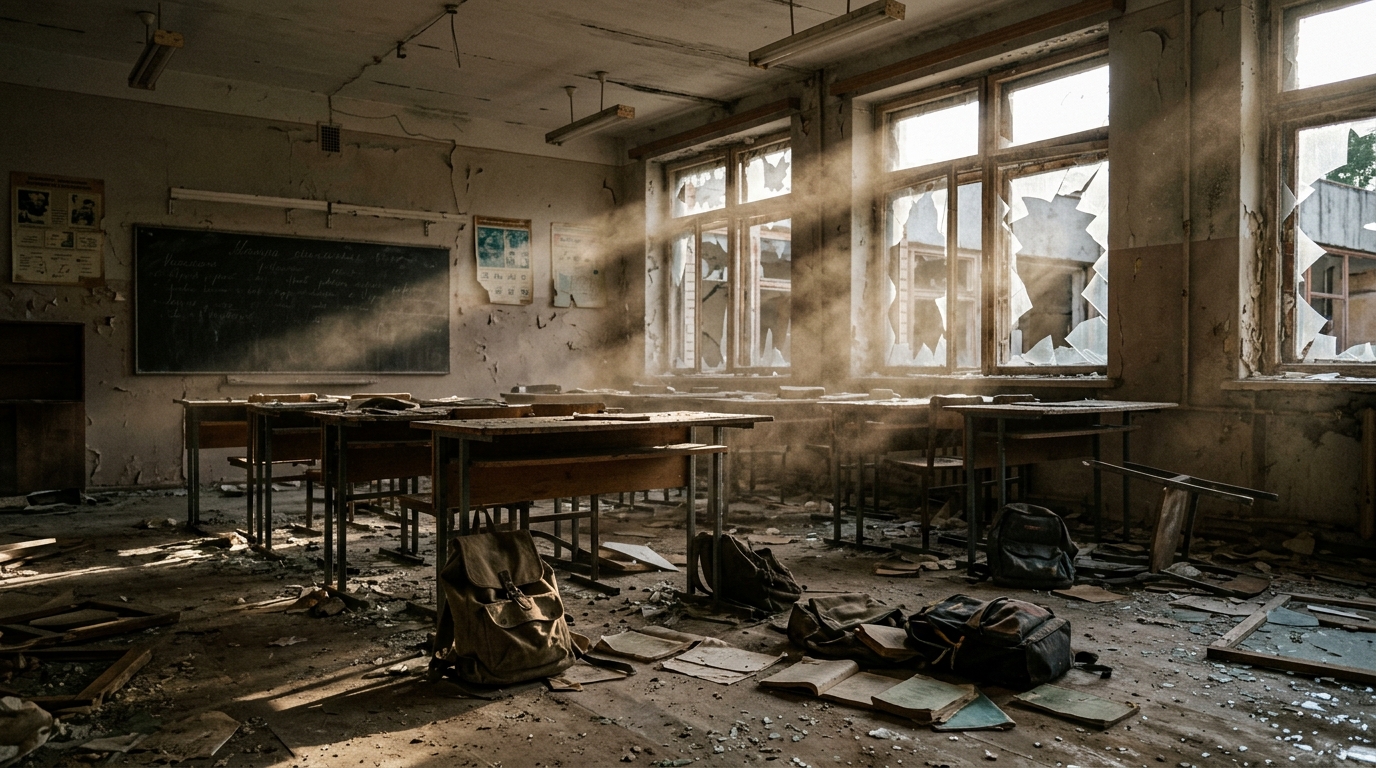
If a child’s classroom lies in ruins…
If cities go dark after power grids collapse…
If families search for water where desalination plants once stood…
https://mrpo.pk/when-washington-wavers/
The Founders’ Declaration of War: The Declare War Clause and the Constitutionality of Undeclared War
This Note examines whether the Founders would have considered it constitutional for the President to initiate military action absent a congressional declaration of war. Analyzing the theoretical and political foundations of the declaration of war reveals that the Founders believed war powers are shared between the executive and legislature. Yet, the geopolitical reality of the early United States influenced how the President exercised war power in practice.
The Quasi-War with France set a precedent that the First Barbary War reinforced: the President can initiate armed conflict without a formal congressional declaration of war if force is used defensively, the conflict is limited, and Congress provides partial authorization.
What do we call it?
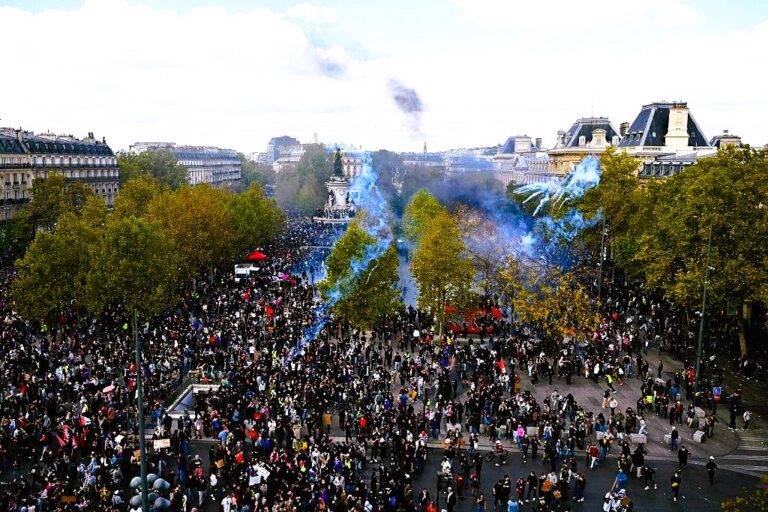
In 2026, the world is witnessing destruction that looks, feels, and unfolds like war. Yet, officially, it is often labelled something else: “operations,” “conflict,” “limited engagement.”
So the question is no longer academic; it is deeply human:
👉 If this isn’t war, what is?
The Paradox of Modern Warfare
Day after day, leaders stand before cameras, outlining “successful operations,” emphasising precision, control, and necessity.
Figures like:contentReference[oaicite:0]{index=0} have often used strong public messaging to frame military actions as strategic victories.
Meanwhile, on the ground:
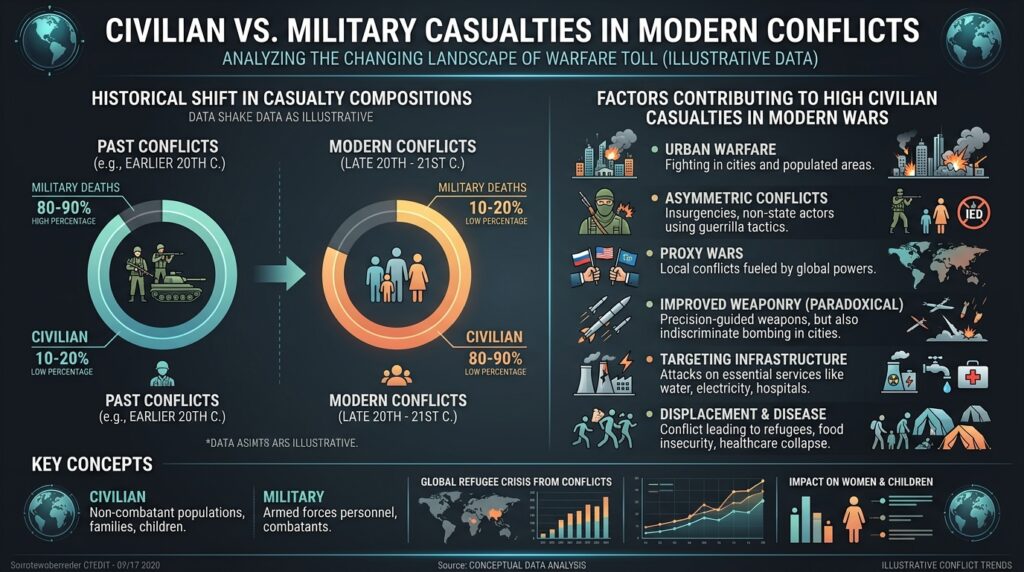
- Civilians are displaced
- Infrastructure is shattered
- Entire communities are left without power or water
Two realities unfold simultaneously:
- Official narrative: Controlled, justified action
- Lived reality: Chaos, loss, and human suffering
What Legally Defines a “War”?
Under traditional U.S. law, only the:contentReference[oaicite:1]{index=1} can formally declare war.
But here’s the critical shift:
Modern international law, guided by bodies like the:contentReference[oaicite:2]{index=2}, focuses not on labels, but on actions.
If sustained military force is used between states, it is legally treated as an armed conflict, regardless of what politicians call it.
In simple terms:
War doesn’t need to be declared to be real.
Why Governments Avoid the Word “War”
The choice of language is rarely accidental.
Political reasons:
- Avoid triggering public backlash
- Reduce pressure from voters
- Maintain flexibility in decision-making
Strategic reasons:
- Prevent escalation
- Keep diplomatic channels open
Historical precedent:
- :contentReference[oaicite:3]{index=3} was never formally declared
- :contentReference[oaicite:4]{index=4} was labeled a “police action”
The pattern is clear:
Wars are increasingly fought without being called wars.
The Reality on the Ground
Legal terminology fades quickly when confronted with human consequences.
- Children killed or injured
- Hospitals are overwhelmed or destroyed
- Power plants disabled
- Water systems disrupted
Under international law, these are not just tragedies; they raise serious legal questions.
The principles are clear:
- Distinction: Civilians must not be targeted
- Proportionality: Harm must not exceed military necessity
Yet in modern conflicts, these lines are increasingly blurred.
The Social Media Paradox
This is the first era where war is visible in real time.
Thanks to smartphones and satellite technology:
- Strikes are recorded instantly
- Destruction is verified globally
- Eyewitness accounts spread within minutes
Investigative groups like:contentReference[oaicite:5]{index=5} analyse this data with forensic precision.
And yet, a strange contradiction emerges:
We see everything… yet agree on nothing.
Why?
- Competing narratives
- Information warfare
- Selective framing of facts
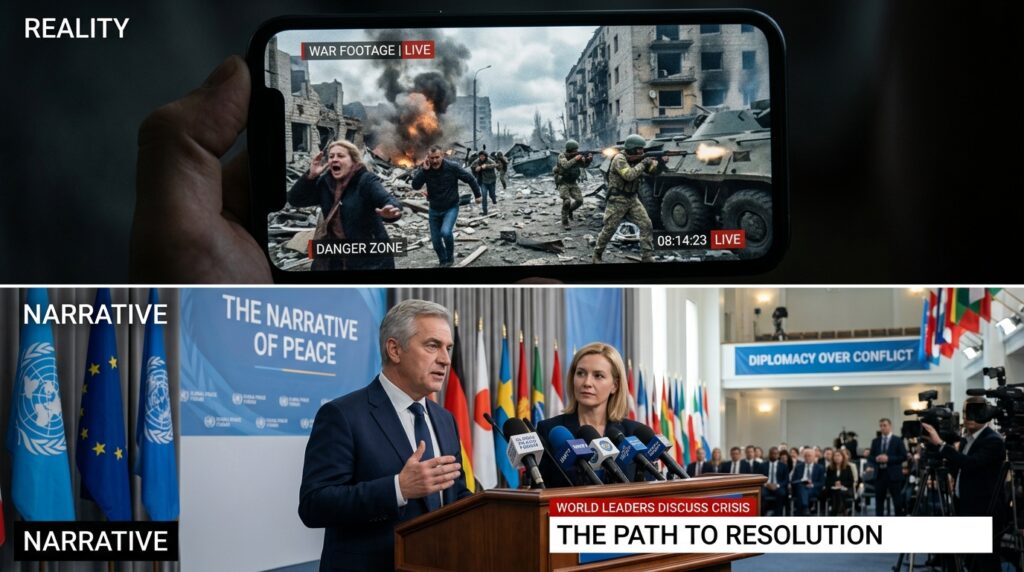
The Social Media Paradox
How War Crimes Are Investigated
Accountability does not happen overnight, but it does happen.
Key institutions include:
- :contentReference[oaicite:6]{index=6}
- :contentReference[oaicite:7]{index=7}
Evidence used:
- Social media footage
- Satellite imagery
- Witness testimonies
The hardest part? Proving intent.
It’s not enough to show destruction; investigators must prove that it was:
- Deliberate, or
- Recklessly disproportionate
Real Cases: When Evidence Leads to Action
After the:contentReference[oaicite:8]{index=8}, digital and forensic evidence contributed to arrest warrants issued by the ICC against:contentReference[oaicite:9]{index=9}.
Similarly:
- The :contentReference[oaicite:10]{index=10} produced extensive evidence used in European courts
- The :contentReference[oaicite:11]{index=11} led to convictions years later
Lesson:
Justice is slow, but it leaves a record that cannot be erased.
Who Is the Aggressor?
This is where law meets politics.
The:contentReference[oaicite:12]{index=12} defines aggression as the use of force against another state’s sovereignty.
Key factors:
- Who initiated force?
- Was it self-defence?
- Was it preemptive?
But in reality:
- Each side presents its own narrative
- Global powers influence outcomes
- Consensus is often blocked
Result:
The identity of the “aggressor” is often debated and not universally agreed.
Applying This to the US-Iran Scenario
In any modern confrontation involving the U.S. and Iran:
- The U.S. may frame actions as deterrence or defence
- Iran may frame them as violations of sovereignty
To assess reality, investigators examine:
- Timeline of events
- Nature of strikes
- Targets (military vs civilian)
The truth often lies not in headlines, but in detailed, evidence-based reconstruction.
Why Justice Feels Invisible
For ordinary people watching in real time, the biggest frustration is this:
“The world can see everything,so why does nothing happen?”
The answer is difficult:
- Investigations take years
- Evidence must be airtight
- Arrests depend on political cooperation
By the time justice arrives, the world has often moved on.
The Bigger Truth
Modern war is no longer just fought on battlefields.
It is:
- Fought with weapons
- Framed through narratives
- Judged years later in courts
And perhaps the most unsettling reality of all:
Calling it a “conflict” does not make it any less of a war for those living through it.
Final Reflection
In 2026, humanity does not struggle to see war.
It struggles to:
- Agree on what to call it
- Agree on who started it
- And agree on who must be held accountable
Because in the end, labels may shape narratives
But they do not change reality.
FAQs
1. What legally defines a war?
Sustained armed conflict between states, regardless of a formal declaration.
2. Can a country fight a war without declaring it?
Yes. Most modern wars are undeclared.
3. Who decides the aggressor?
Primarily, international bodies like the United Nations, but politics often influence outcomes.
4. Are attacks on infrastructure illegal?
They can be, especially if they disproportionately harm civilians.
5. How are war crimes proven?
Through evidence like videos, satellite imagery, and proof of intent.
6. Why does justice take so long?
Because cases require extensive verification and international cooperation.