The Saudi-Pakistan Defence Pact: Ladder, Leash, or Lifeline?
When Friends Finally Make It Official
The Saudi-Pakistan Defence Pact, Ladder, Leash, or Lifeline? When two old friends finally put their partnership down on paper, the world perks up. That’s exactly what happened when Pakistan and Saudi Arabia inked their latest pact. Think of it like a marriage contract, oil barrels as dowry, fighter jets as bridesmaids, and Washington quietly sitting in the front row, pretending not to care but taking notes anyway.
https://mrpo.pk/saudi-arabia-and-pakistan-sign-mutual-defence-pact/

So what is this pact? Why is everyone from Washington to New Delhi to Tel Aviv whispering about it? And perhaps the biggest question: does this pact make Pakistan stronger, or more dependent?
Grab your coffee, because this isn’t just about politics; it’s about power, survival, and a little bit of global gossip.
What Exactly is the Saudi-Pakistan Defence Pact?
The Saudi-Pakistani pact is a multi-layered agreement covering defence, economic cooperation, and energy investments.
- Economic side: Saudi Arabia pledged multi-billion-dollar investments in Pakistan’s energy, mining (especially Reko Diq), and infrastructure sectors.
- Defence side: Expansion of military training, arms supply, and joint counterterrorism initiatives.
- Energy angle: Oil supply deals, often on deferred payment terms, are a lifeline for Pakistan’s forex-strapped economy.
- Not included: Cultural exchange, trade diversification, or real long-term industrial collaboration; this is more of a lifeline than a partnership.
Graph: A pie chart showing the pact breakdown: 60% economic investment, 30% military/defence, 10% other.

Q: Is this really something new?
A: Not entirely. Pakistan and Saudi Arabia have always been close. The difference now is scale, timing (Pakistan’s economic crisis), and the US-shaped shadow behind the deal.
Pakistan’s Side of the Story: Pros & Cons
Pros for Pakistan
- Economic Relief: In the middle of an IMF tango, Saudi Arabia steps in with billions. That’s like getting a rich uncle to co-sign your mortgage.
- Energy Stability: Deferred oil payments keep Pakistan’s economy running.
- Diplomatic Leverage: Better footing in the Arab world, balancing India’s growing Gulf ties.
Cons for Pakistan
- Dependency Dilemma: Every bailout tightens the “golden leash.”
- Policy Autonomy: Pakistan may have to align with Saudi positions on Iran, Yemen, or Israel.
- Public Perception: Pakistanis debate whether this is brotherhood or “charity with strings.”
Graph: A bar chart comparing Saudi investments in Pakistan vs. India (2015–2025) to show shifting loyalties.
Q: Does this mean Pakistan is finally out of the woods economically?
A: Not even close. Think of it as morphine for a chronic illness; it eases the pain, but the disease remains.
Saudi Arabia’s Side of the Story: Pros & Cons

Pros for Saudi Arabia
- Strategic Depth: Pakistan is nuclear-armed, a handy ally.
- Security Muscle: Pakistani troops and trainers help secure Saudi defence.
- Counter to Iran: Pakistan tilts Riyadh’s way in Gulf rivalries.
Cons for Saudi Arabia
- Risky Investment: Pakistan’s political instability = financial gamble.
- Regional Backlash: Aligning too closely with Pakistan may upset India and complicate Gulf balancing.
- Perception Management: “Cheque-book diplomacy” critique at home and abroad.
Q: Why does Saudi Arabia keep betting on Pakistan despite the risks?
A: Because some friends are too valuable to let go. Pakistan provides manpower, nuclear prestige, and a dependable vote in Muslim world politics. It’s high risk, but also high return.
The US Factor: Why Washington is the Ghost at the Wedding
Almost every analyst, from CSIS (2023) to USIP (2024), agrees: nothing in Riyadh moves without Washington knowing.
- IMF Connection: Pakistan’s IMF deals often align with US foreign policy objectives.
- Iran Containment: Strengthening Pakistan–Saudi ties limits Tehran’s influence.
- Strategic Balancing: The US wants Pakistan to be stable enough not to collapse, but not too independent either.
Yet Washington’s public reaction? Silence. Which, in diplomacy, usually means approval, just without the selfies.
Q: Does this pact push Pakistan closer to China or the US?
A: Both. China gains through economic bridges, while the US sees its Gulf strategy reinforced. Pakistan’s trick is to keep both happy without getting crushed in the middle.
Regional Reactions Friends, Rivals, Frenemies
- Arab States:
- UAE: Competitive, prefers its own turf in Pakistan.
- Qatar: Quietly annoyed, competes in energy diplomacy.
- Egypt: Neutral but supportive.
- Israel:
Watching nervously. Any deep Saudi–Pakistan embrace could complicate normalisation. After all, Islamabad has refused to recognise Israel, yet Riyadh can’t fully ignore Tel Aviv. - India:
Not thrilled. New Delhi has cultivated strong ties with Gulf monarchies. A renewed Saudi tilt toward Pakistan feels like salt in the curry.
Under the new defence pact, any renewed Indian military operation against Pakistan could now be interpreted as an attack on Saudi Arabia.
But there are others. What has received little attention is the impact on India. Over the past decade, New Delhi has cultivated a strategic partnership with Riyadh. Military cooperation has expanded, with the two countries conducting joint exercises as recently as August 2025. In 2023, India and Saudi Arabia joined the United States, the European Union, Israel, and the United Arab Emirates in an initiative, the India-Middle East-Europe Economic Corridor, to build a land-and-sea transport corridor linking India to Europe via the Gulf and Israel. The relationship is also solidly grounded in economics: in 2024, Indian workers in Saudi Arabia remitted $7 billion to India, remittances constituting an important contribution to India that dates to the 1970s. Currently, over 2.5 million Indians work in Saudi Arabia.
- Iran:
Uneasy. Sees the pact as Riyadh encircling Tehran with US-blessed partners. - China:
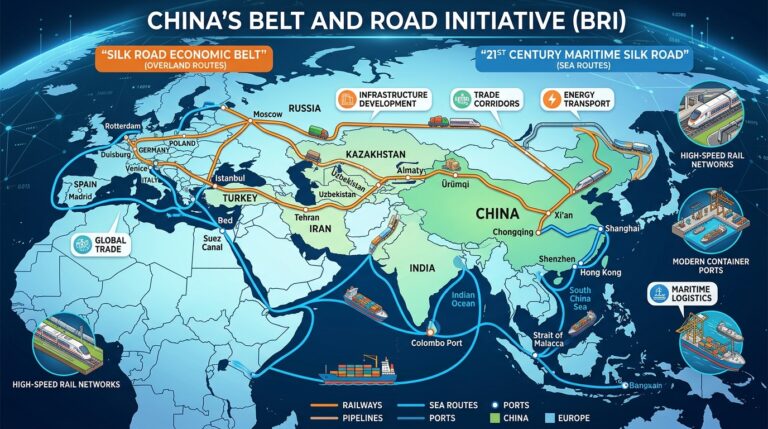
Quietly smiling. Pakistan is Beijing’s “iron brother,” and deeper Saudi ties help China’s Belt and Road reach Gulf energy hubs.
Q: Is anyone outright celebrating this pact?
A: Pakistan’s government, of course. And China, though it claps silently. Everyone else is smiling politely, or frowning discreetly.
Hidden Truths People Overlook
- This isn’t charity, it’s transactional. Saudi Arabia sees Pakistan as both a security guard and an investment bet.
- The IMF shadow. Many Saudi “gifts” arrive just before IMF deals, nudging approvals.
- Vision 2030 link. Saudi investments in Pakistan aren’t random; they fit MBS’s diversification plan.
- The “India factor.” Saudi hedges its bets, flirting with both India and Pakistan.
Wit injection: “If geopolitics were Tinder, Saudi Arabia is definitely swiping right on both India and Pakistan, while still DM’ing Washington late at night.”
Q: Isn’t this just another cycle of aid and crisis?
A: Exactly. That’s the overlooked truth: Pakistan keeps treating symptoms, not causes. The pact is a plaster on a fracture.
Practical Takeaways & FAQs
Will this pact lower oil prices in Pakistan?
Not directly. Deferred payments mean fewer forex headaches, but domestic fuel pricing remains tied to global markets.
Does this pact free Pakistan from the IMF?
Nope. It provides breathing space but doesn’t replace structural reforms.
Is this pact aimed at Iran?
Indirectly yes. Riyadh secures allies; Pakistan avoids angering Tehran openly.
How does this affect Pakistani workers in Saudi Arabia?
Likely positive, Riyadh may expand labour opportunities, keeping remittance flows strong.
Does this pact push Pakistan closer to China or the US?
Both. It’s a balancing act, and one slip could topple the whole show.
Challenging Assumptions
- Assumption: Saudi aid = unconditional love.
Reality: Every dollar is strategic leverage. - Assumption: Pakistan = Saudi Arabia’s forever favourite.
Reality: Riyadh also aggressively courts India. - Assumption: The US is uninvolved.
Reality: Silence = consent in diplomacy.
Q: So who really wins from this pact?
A: Short-term? Pakistan. Long-term? Saudi Arabia. Always? The United States.
Conclusion: Ladder or Leash?
Alliances are less about love, more about leverage. The Pakistan–Saudi pact is a mirror; it reflects each country’s deepest fears and boldest hopes.
For Pakistan, it’s survival money. For Saudi Arabia, it’s strategic insurance. For the US, it’s another chess move. For the region, it’s a ripple with unpredictable waves.
The real question isn’t whether Pakistan and Saudi Arabia signed a pact.
It’s whether they can climb a ladder with it or get tied down by its leash.
Call to Action: What do you think, ladder or leash?
Infographic – Pakistan’s economic lifeline cycle: Saudi bailout → IMF approval → short-term relief → new crisis.