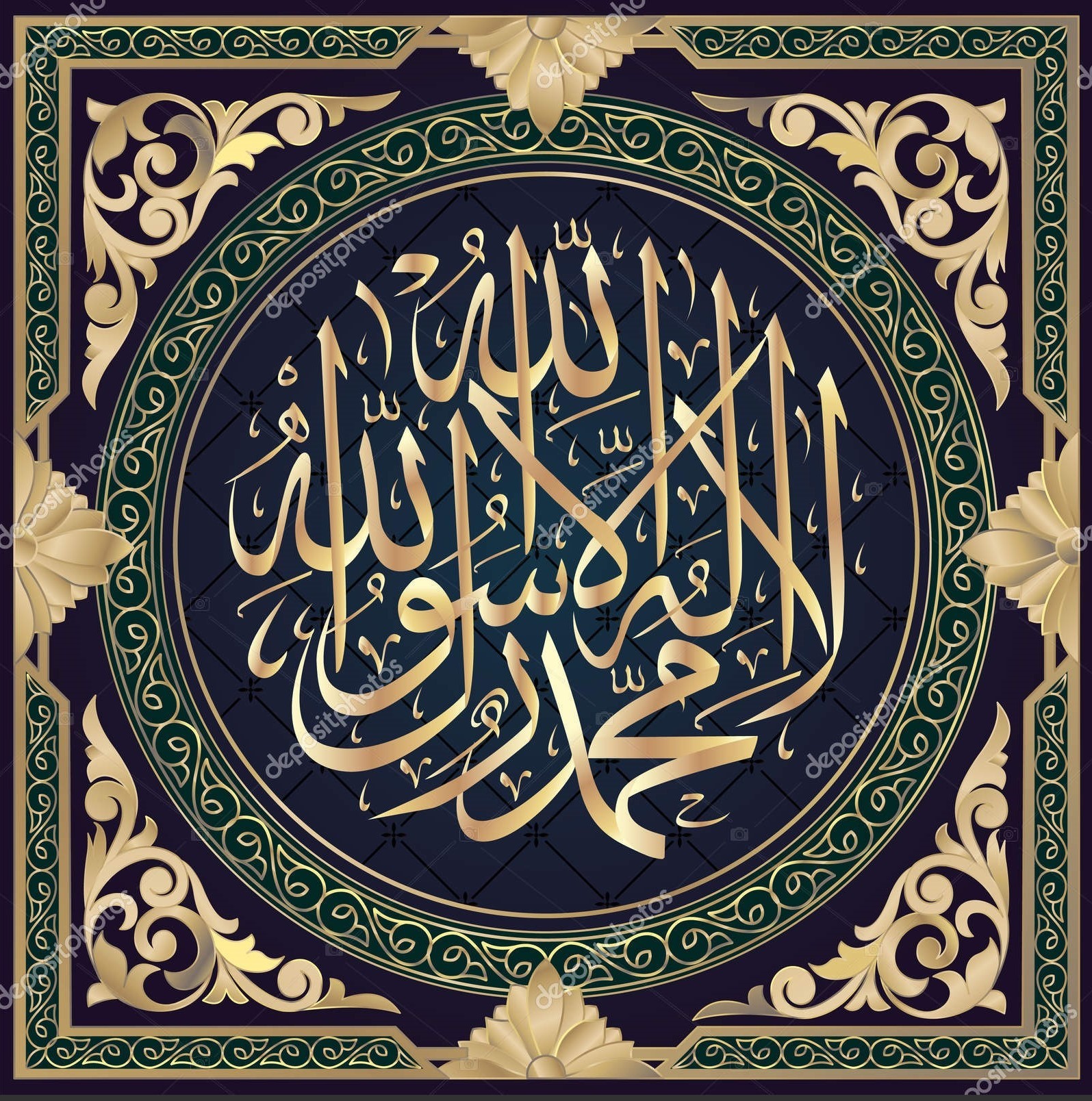

The Meaning of “Lā Ilāha Illā Allāh, Muhammad Rasūlullāh” and the Conditions of “Lā Ilāha Illā Allāh”
Introduction
The meaning of “Lā Ilāha Illā Allāh, Muhammad Rasūlullāh رسول اللہ صلی اللہ علیہ وسلم ” and the declaration is the essence of Islam. It is not merely a phrase recited at the time of embracing the faith, nor is it a set of empty words to be repeated mechanically. It is the foundational testimony of faith, the key to salvation, and the spiritual anchor for every Muslim’s life.
This testimony contains profound meanings that transform a person’s beliefs, worldview, conduct, and ultimate destiny. It embodies the core message of all Prophets and Messengers — from Adam (peace be upon him) to Muhammad (ﷺ). Every divine revelation throughout history has called humanity to this same truth: that Allah alone is worthy of worship and that His Messengers must be obeyed. https://mrpo.pk/the-power-of-words/
In the name of Allah, the Beneficent, the Merciful
Rasūlullah sallallāhu ‘alayhi wa sallam said, “Īmān comprises of more than seventy branches. The most virtuous of them is saying: Lā ilāha illā Allāh and the lowest of them is to remove anything harmful from the road and Hayā’, i.e., shame and modesty is a branch of īmān.”
This is a Hadīth of Sahīh Muslim. In this Hadīth, Rasūlullāh sallallāhu ‘alayhi wa sallam has mentioned the branches of īmān with great brevity and conciseness. This is such a comprehensive Hadīth that to explain it, Imām Bayhaqī rahimahullāh had written a work of eight volumes titled Shu’ab-ul-Īmān. Rasūlullāh sallallāhu ‘alayhi wa sallam had mentioned such comprehensive words before departing from this worldly realm, that it is as though he filled the ocean in a cup.
If a Muslim has to practice on this one Hadīth, then the entire religion will come under its umbrella. This Hadīth exhorts us to do certain deeds and instructs us to leave some actions. The Sharī’ah covers both spheres. The Sharī’ah commands us to do certain deeds, to do the Farā’id, Wājibāt, Sunan, Mustahabbāt. At the same time, it tells us to abandon sins, to the extent that we are told to leave out the doubtful, too.
https://muslimskeptic.com/2022/01/11/explaining-modesty-in-islam-an-important-branch-of-iman/
The Meaning of “Lā Ilāha Illā Allāh”
The phrase “Lā Ilāha Illā Allāh” can be translated as:
“There is no god (worthy of worship) except Allah.”
This concise statement is composed of two interconnected elements: denial (nafy) and affirmation (ithbāt). Both are essential; one without the other leaves the testimony incomplete.
1. Denial — Nafy
The first part — “Lā Ilāha” — means “there is no god” in the absolute sense of divinity. This is not a denial of the existence of other beings who are worshipped; rather, it is a rejection of their false claim to divinity. The Qur’an acknowledges that some worship idols, saints, political leaders, celestial bodies, or even their own desires — but it rejects the legitimacy of these objects of worship.
Allah, the Exalted, says:
“That is because Allah — He is the Truth, and whatever they invoke besides Him is falsehood; and verily Allah — He is the Most High, the Most Great.”
(Surah Al-Hajj 22:62)
Thus, the first element of the testimony requires a person to reject every rival to Allah in worship. This includes:
-
Physical idols and statues, such as those worshipped by ancient civilisations.
-
Natural forces (sun, moon, stars, fire, etc.) were deified by certain cultures.
-
Reverence of saints or pious individuals beyond the limits set by Islam.
-
Political or ideological systems that demand total obedience to Allah’s law.
-
The worship of one’s own desires or ego, as mentioned in Surah Al-Jathiyah 45:23.
In essence, Denial here means a mental and spiritual revolution — breaking all false chains of servitude and acknowledging no authority in worship except Allah.
2. Affirmation — Ithbāt
The second part — “Illā Allāh” — affirms that divinity and the right to be worshipped belong exclusively to Allah. This is a declaration of absolute Tawḥīd (monotheism).
Belief in Allah as the only true God entails:
-
Recognising Him as the Creator, Sustainer, and Controller of the universe.
-
Directing every act of worship — prayer, fasting, charity, sacrifice, supplication — solely to Him.
-
Seeking help, forgiveness, and protection only from Him.
The Qur’an emphasises:
“And your God is One God; there is no deity except Him, the Most Merciful, the Most Compassionate.”
(Surah Al-Baqarah 2:163)
Without this affirmation, denial alone is insufficient. Rejecting false gods but failing to worship Allah sincerely leaves the heart empty and the soul without its true anchor.
The Meaning of “Muhammad Rasūlullāh”رسول اللہ صلی اللہ علیہ وسلم
The second part of the testimony — “Muhammad Rasūlullāh” — translates as:
“Muhammad رسول اللہ صلی اللہ علیہ وسلم is the Messenger of Allah.”
This is not merely an acknowledgement of his prophethood; it is a pledge to accept, obey, and follow him in every aspect of life.
1. Following His Guidance
The Qur’an commands:
“And whatsoever the Messenger gives you, take it; and whatsoever he forbids you, abstain from it.”
(Surah Al-Hashr 59:7)
Following the Prophet (ﷺ) is a sign of loving Allah:
“Say, [O Muhammad رسول اللہ صلی اللہ علیہ وسلم ], ‘If you love Allah, then follow me; Allah will love you and forgive you your sins.’”
(Surah Aal-e-Imran 3:31)
2. His Finality
The Prophet Muhammad (ﷺ) is the last and final Messenger. Allah says:
“Muhammad is not the father of any man among you, but he is the Messenger of Allah and the Seal of the Prophets.”
(Surah Al-Ahzab 33:40)
No prophet will come after him, and no revelation will abrogate the Qur’an. His Sunnah (authentic teachings and practices) remains a binding source of guidance for all times.
3. The Measure of Truth
The statements of scholars, leaders, or thinkers are to be accepted or rejected based on their alignment with the Qur’an and Sunnah. The Prophet (ﷺ) himself warned against innovations in religion that contradict his teachings.
The Seven Conditions of “Lā Ilāha Illā Allāh”
The testimony is not a mere verbal formula; it requires knowledge, belief, and practice. Scholars have identified seven conditions that must be met for this declaration to be valid and transformative.
1. Knowledge (‘Ilm)
One must understand its meaning — that only Allah deserves worship and all others worshipped besides Him are false. Ignorance of its meaning undermines its purpose. The Qur’an praises those who know Allah’s oneness (Surah Muhammad 47:19).
2. Certainty (Yaqīn)
Faith must be free of doubt. Even a trace of uncertainty about Allah’s exclusive right to worship contradicts true belief. The Qur’an warns that doubt is a sign of hypocrisy (Surah At-Tawbah 9:45).
3. Acceptance (Qabūl)
A believer must accept all that the testimony implies — in the heart and in action — without rejection or arrogance, as was the case with Iblīs (Satan), who acknowledged Allah but refused to obey.
4. Submission (Inqiyād)
True faith demands active obedience to Allah’s commands and the Prophet’s teachings. Submission is not reluctant compliance but willing devotion.
5. Truthfulness (Sidq)
The testimony must be spoken and lived truthfully. The hypocrites in the time of the Prophet (ﷺ) uttered it with their tongues while their hearts denied it (Surah Al-Munāfiqūn 63:1).
6. Sincerity (Ikhlās)
All acts of worship must be dedicated purely to Allah, free from showing off, seeking praise, or worldly gain.
7. Love (Mahabbah)
A believer must love Allah, His Messenger (ﷺ), His religion, and the righteous servants of Allah. Love is a natural fruit of sincere faith.
Practical Implications
The testimony is a covenant with Allah that governs a Muslim’s entire life. It demands:
-
Obeying Allah’s commands with love and humility.
-
Avoiding all prohibited actions.
-
Upholding justice and moral integrity.
-
Living by the Qur’an and Sunnah as the ultimate constitution.
Final Reflection
The Shari‘ah of Muhammad (ﷺ) is the culmination of all previous revelations. It abrogates earlier laws and incorporates the finest principles from every prior divine message. It is a complete, timeless code of life that guides humanity in worship, ethics, family, governance, and society.
To say “Lā Ilāha Illā Allāh, Muhammad Rasūlullāh ” is to embrace the truth with knowledge, certainty, and commitment — a truth that illuminates the heart, reforms the character, and shapes the destiny of the believer in this life and the next.