
Sleep Powers Fitness Results 2025: Understanding the Importance of REM Sleep and Tips for Quality Sleep
Sleep and fitness: What if your workouts are not the problem, but your sleep is?
Most people assume fitness progress depends on training harder, eating cleaner, and using better supplements.
But research from leading health authorities shows a different reality: recovery, not effort, determines results.
Institutions like the
Centers for Disease Control and Prevention (CDC)
and the
National Health Service (NHS)
emphasise that adults require 7–9 hours of sleep for optimal health and recovery.
Updated: April,2026

What Happens in Your Body During Sleep
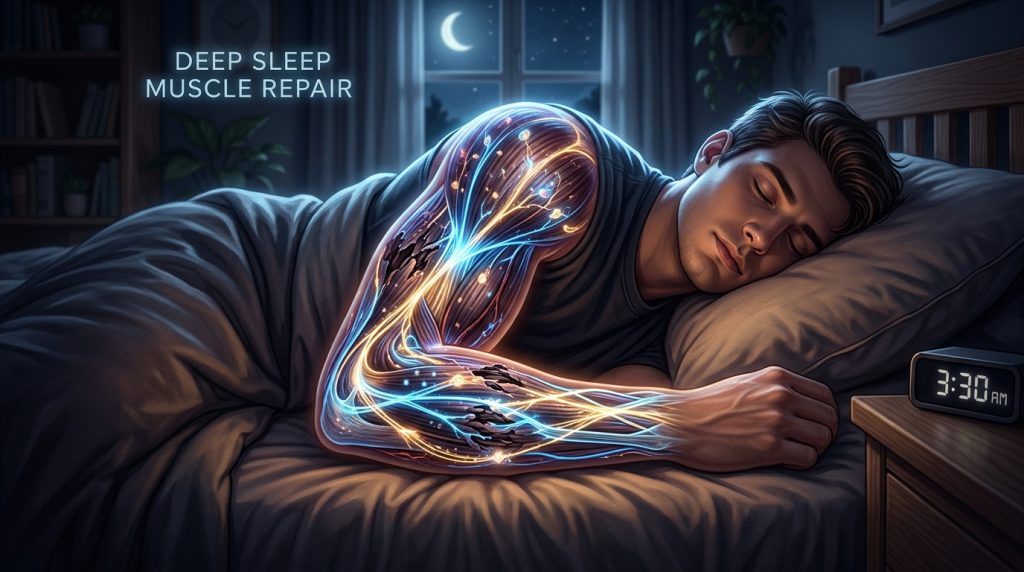
Muscle Repair
Micro-tears from exercise are rebuilt stronger during deep sleep cycles.
Hormonal Optimization
Growth hormone peaks at night, supporting recovery and muscle development.
Brain Recovery
Sleep restores neural pathways, improving coordination and focus.
Inflammation Control
Sleep reduces exercise-induced stress and systemic inflammation.
Sleep vs Workout: What Matters More?
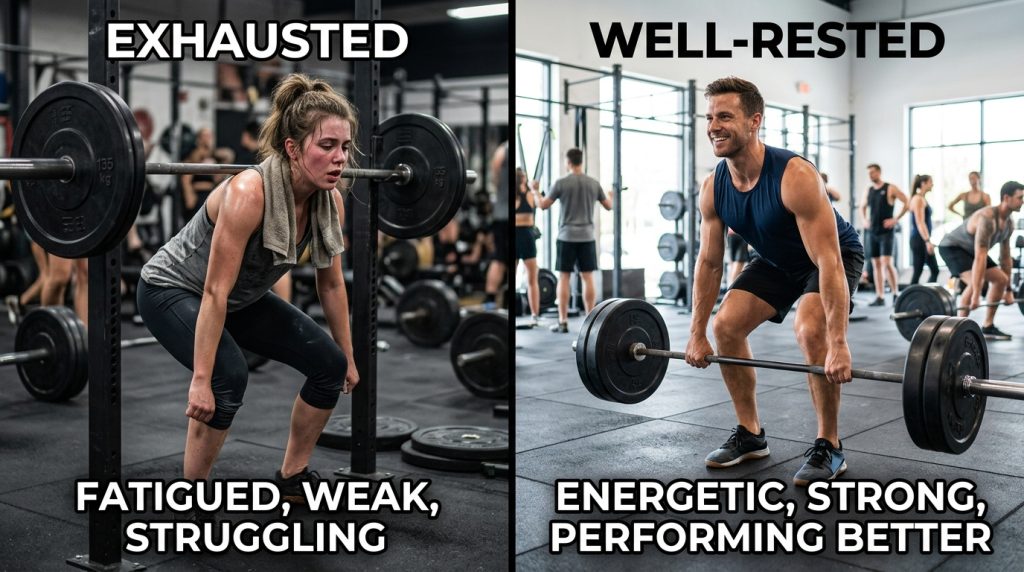
Research shows that sleep deprivation significantly reduces strength, endurance, and reaction time.
In contrast, good sleep enhances training adaptation, even with moderate workouts.
This is why recovery is considered the true driver of performance in modern sports science.
Why Elite Athletes Prioritise Sleep
Top athletes treat sleep as part of training, not a recovery afterthought.
For example, an NBA athlete
LeBron James is widely known for prioritising 8–10 hours of sleep daily as part of his performance system.
The Sleep, Fitness Cycle
Positive Cycle
- Exercise improves sleep quality
- Better sleep improves recovery
- Better recovery improves performance
Negative Cycle
- Poor sleep reduces performance
- Reduced performance increases fatigue
- Fatigue reduces training quality
Best Time to Train for Better Sleep
- Morning workouts: Improve circadian rhythm
- Afternoon training: Peak performance window
- Late-night intense workouts: May disrupt sleep
The National Sleep Foundation notes that late intense exercise may delay sleep onset in some individuals.
Sleep Quality vs Sleep Quantity
Sleeping 8 hours is not enough if the sleep quality is poor.
True recovery depends on:
- Deep sleep cycles
- Sleep continuity
- Sleep efficiency
What Happens When You Don’t Sleep Enough
- Increased injury risk
- Slower muscle recovery
- Higher cortisol levels
- Reduced testosterone
- Poor metabolic function
What Happens When You Don’t Sleep Enough
How to Optimise Sleep for Fitness
- Maintain a fixed sleep schedule
- Train earlier in the day when possible
- Reduce screen exposure before bed
- Keep your room cool and dark
- Use light recovery routines (stretching, breathing)
Why Sleep Matters
For humans and animals alike, sleep is a time for the body to repair and rejuvenate. During sleep, various physiological processes take place that are crucial for health and well-being. In humans, sleep is known to play a vital role in immune function, metabolism, memory consolidation, and learning1. Similarly, animals need sleep to recharge, grow, and repair their bodies2.
Sleep Across the Animal Kingdom
The way creatures sleep varies widely. Some animals, like dolphins, have the ability to let half their brain sleep while the other half remains alert. This adaptation is likely a defence mechanism against predators2. The amount of sleep needed also varies; for instance, cats may sleep up to 13 hours a day in short periods, while larger mammals like elephants may only sleep for two hours2.
The Consequences of Sleeplessness
Insomnia, or the chronic inability to sleep, can have severe health implications. Symptoms range from difficulty falling asleep to waking up frequently during the night. Over time, sleep deprivation can lead to a host of problems, including poor performance at work or school, mental health disorders, and an increased risk of chronic diseases such as hypertension and heart disease345.
The Importance of REM Sleep for Fitness: Research indicates that REM sleep is essential for the body’s restoration, including the replenishment of organs, bones, and tissues. It also aids in immune cell regeneration and the circulation of human growth hormones. REM sleep is directly linked to muscle recovery, growth, and even psychological development. Thus, achieving sufficient REM sleep is crucial for individuals involved in endurance training, strength training, and aesthetic bodybuilding.
Understanding Sleep Challenges: Despite the importance of sleep, many people experience difficulties in obtaining quality rest. Genetic factors can contribute to hyperactivity and insomnia tendencies, while environmental factors play a significant role as well. Modern lifestyles, including the consumption of processed foods with added sugar, carbonated drinks containing sugar and caffeine, and exposure to bright lights and loud noises, disrupt our biological clocks and interfere with our natural sleep patterns.
Tips for Improving Sleep Quality:
- Eliminate electronic devices at bedtime: The bright displays of laptops, cellphones, and other devices can trick the mind into thinking it is still daytime, making it difficult to fall asleep. Removing these devices from the sleeping environment promotes a more conducive atmosphere for rest.
- Reduce caffeine intake: Avoid consuming caffeinated drinks within 5-7 hours before bedtime. Caffeine sensitivity varies among individuals, but its stimulating effects can hinder the ability to fall asleep.
- Minimise sugar intake: Sugar consumption can lead to hyperactivity, making it challenging to achieve a state of relaxation for sleep. Decreasing sugar intake, especially closer to bedtime, can help promote better sleep quality.
- Try warm unsweetened milk before bed: Drinking warm unsweetened milk can have a calming effect on the body, preparing it for sleep. Milk contains tryptophan, an amino acid that promotes the production of serotonin, a neurotransmitter associated with relaxation and sleep.
Natural Ways to Improve Sleep Quality
Fortunately, there are several methods to enhance sleep quality without resorting to medication. These include:
- Establishing a Routine: Consistency is key. Going to bed and waking up at the same time every day helps regulate your body’s internal clock6.
- Creating a Restful Environment: Your bedroom should be cool, dark, and quiet. Consider using blackout curtains and white noise machines if necessary6.
- Mindful Consumption: Avoid caffeine and alcohol before bedtime. Opt for calming beverages like chamomile tea or warm milk6.
- Physical Activity: Regular exercise can promote better sleep, but it should be done several hours before bedtime to allow the body to unwind6.
- Relaxation Techniques: Practices such as meditation, deep breathing, or gentle yoga can prepare your mind and body for rest6.
By understanding the importance of sleep and implementing these simple strategies, individuals can improve their sleep quality and, by extension, their overall health and well-being. Remember, if sleep issues persist, it’s important to consult a healthcare professional for further guidance. Sleep is not a luxury but a necessity, and prioritising it can lead to a healthier, more vibrant life for humans and animals alike.
REM sleep, which stands for Rapid Eye Movement sleep, is a unique phase of the sleep cycle characterised by several distinctive features:
- Rapid Eye Movements: As the name suggests, this stage involves quick movements of the eyes under closed eyelids1.
- Vivid Dreams: It is during REM sleep that people experience the most vivid dreams2.
- Brain Activity: The brain is highly active, with brainwave patterns similar to those during wakefulness, which is why REM is sometimes referred to as “paradoxical sleep”1.
- Muscle Atonia: There is a temporary paralysis of most voluntary muscles, preventing the sleeper from acting out their dreams2.
- Physiological Changes: Irregular breathing and heart rate are also common during this stage2.
REM sleep typically begins about 60 to 90 minutes after falling asleep and recurs multiple times throughout the night, with each episode lasting longer as the night progresses. It’s essential for memory consolidation, emotional processing, and brain development. Most adults require about two hours of REM sleep each night, which constitutes about 25% of total sleep time23.
To ensure you’re getting enough REM sleep, it’s important to maintain good sleep hygiene, such as sticking to a consistent sleep schedule, creating a comfortable sleep environment, and avoiding stimulants before bedtime. If you’re experiencing persistent sleep issues, consulting a healthcare professional is advisable.
FAQs
1. How important is sleep for muscle growth?
Extremely important, muscle repair and growth hormone release peak during deep sleep.
2. Can I still get fit with poor sleep?
Yes, but progress will be slower, less consistent, and harder to maintain.
3. Is 6 hours of sleep enough for training?
For most adults, 7–9 hours is recommended for optimal recovery.
4. Does exercise improve sleep quality?
Yes, regular exercise improves sleep depth and duration.
5. Should I avoid late-night workouts?
Intense late-night training can disrupt sleep for many individuals.
6. What matters more: sleep or diet?
Both matter, but sleep directly impacts recovery, hormones, and performance regulation.
Final Takeaway
Fitness is not only built in the gym, but it is also built during recovery.
Sleep is the biological system that determines whether your training produces real results or just fatigue.
Master your sleep, and your fitness will follow.
Conclusion: Sleep is essential for overall well-being and is particularly crucial for individuals engaged in fitness activities. Understanding the significance of REM sleep and its role in muscle recovery and growth is vital for achieving desired fitness results. Overcoming sleep challenges requires addressing genetic and environmental factors that disrupt natural sleep patterns. By implementing practical tips such as removing electronic devices, reducing caffeine and sugar intake, and incorporating calming bedtime routines, individuals can improve sleep quality and ensure they obtain sufficient REM sleep for optimal fitness performance and overall health.
If you enjoyed this article, please like and share it with your friends, and don’t forget to subscribe for more great content!